
Pruning
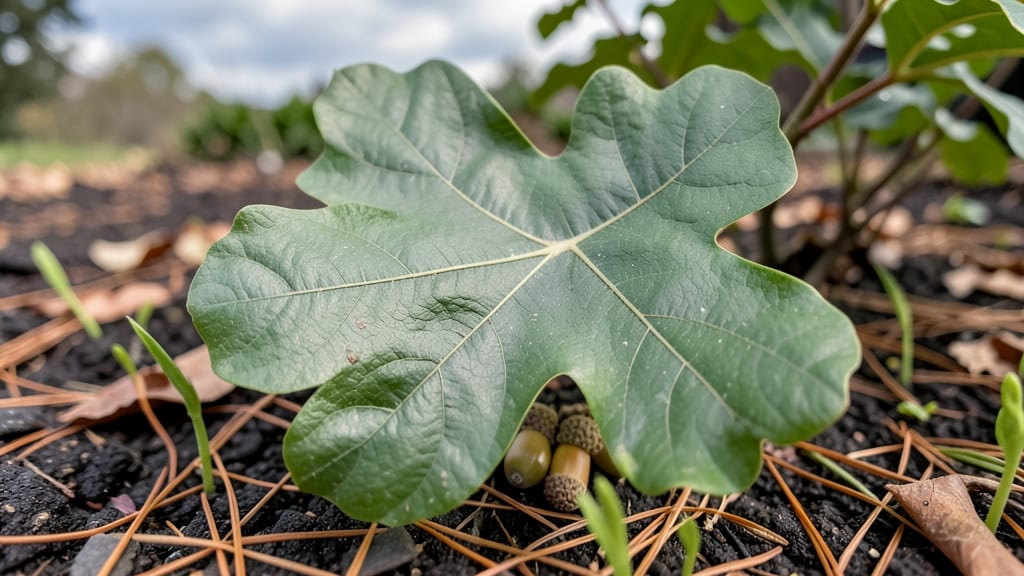
The leaf of your live oak tree tells a story—one that often gets misread as disease when it's really a pruning problem. 🌿 I've spent years studying these ancient trees, and the difference between a thriving oak and a struggling one often comes down to what you cut (and when).
The key isn't just removing dead branches—it's understanding how live oaks respond to pruning stress, especially in our unpredictable climates.
Most people make one of two mistakes: either they prune too aggressively in late summer (when the tree is already stressed), or they ignore the slow-growing branches that hold the tree's structural integrity.
The right approach focuses on selective thinning—removing only the branches that cross or rub, plus any deadwood hiding in the canopy. This keeps air circulating and sunlight reaching the lower branches where new growth emerges.
What you'll end up with is a tree that stays vibrant green year-round, with fewer yellowing leaves and stronger resistance to pests. The branches develop a natural balance, and you'll notice new growth appearing within 6-8 weeks of proper pruning—even on mature trees.
The best part? You can do this work in any season except winter, giving you flexibility to tackle it when conditions are right.
This method works for both urban oaks fighting for space and rural giants with room to spread. The key is patience—live oaks grow slowly, and their health shows in small, steady improvements. Let's get those leaves telling the right story again.
📚 In This Guide
- What you need
- Instructions
- Tips and common mistakes
- Wrapping up and next steps
What you need
- ● Pruning shears: Bypass pruners (for cuts up to ¾ inch thick) – 1 pair (look for sharp, stainless-steel blades for clean cuts).
- ● Loppers: Heavy-duty bypass loppers (for branches 1–2 inches thick) – 1 pair (pivoting or anvil types work, but bypass is gentler on wood).
- ● Pruning saw: Curved-tooth pruning saw (for branches 2+ inches thick) – 1 saw (avoid straight teeth—they tear wood).
- ● Safety gear: Work gloves (cut-resistant, like mechanics’ gloves) – 1 pair.
- ● Safety glasses or goggles – 1 pair.
- ● Long sleeves and pants (to protect from scratches and sap).
- ● Disinfectant: 70% isopropyl alcohol or a pruning sealant (to prevent disease spread) – small bottle.
- ● Heavy-duty trash bags: For collecting debris – 2–3 bags (or a wheelbarrow if pruning heavily).
- ● Ladder: Extension ladder (tall enough to reach the tree’s canopy) – 1 ladder (ensure it’s rated for your height + 3 feet extra).
- ● Rubbing alcohol wipes: For quick disinfection between cuts.
- ○ Tree wound dressing: (Controversial but useful for large cuts—optional; skip if your tree is healthy).
- ● Garden hose or spray bottle: To clean tools mid-pruning and rinse sap off cuts.
- ● Pruning rope or zip ties: For temporary support of heavy branches.
- ● Camera or phone: To document the tree’s shape before/after pruning!
Instructions for pruning live oak tree leaves for year-round health
Here's my go-to method for keeping your live oak healthy through every season—no guesswork, just proven techniques.
✂️ Step 1: Time Your Pruning for Maximum Growth
Prune live oaks only during their dormant season, which runs from late fall to early spring—typically November through February. This timing prevents stressing the tree when it's actively growing and vulnerable to disease. I always schedule my cuts for overcast days to reduce sun exposure on fresh wounds, which helps them heal faster.
Never prune during summer heat or winter freezes. The tree needs energy to recover, and extreme temperatures slow that process. You'll know you've picked the right time when the tree is fully leafed out in spring but hasn't yet started new growth—this is the sweet spot for 2-3 weeks before buds swell.
🌿 Step 2: Identify and Remove Dead or Diseased Branches
Start by scanning the tree for branches that are brown, brittle, or missing leaves. These are dead and need removal to prevent them from spreading disease to healthy parts. I use sharp pruning shears to cut just outside the branch collar—the swollen area where the branch meets the trunk. This ensures the tree can seal the wound properly.
Look for branches with fungal growth, cankers, or oozing sap—these are clear signs of disease. Remove these immediately, then sterilize your tools with a 10% bleach solution (1 part bleach to 9 parts water) to prevent cross-contamination. Healthy branches should have a greenish-brown bark and firm, flexible wood when bent slightly.
✂️ Step 3: Thin the Canopy for Better Airflow
Live oaks benefit from selective thinning to improve sunlight penetration and airflow. Focus on removing branches that cross or rub against each other—they create wounds that invite pests and disease. I aim to open up the canopy by 20-30%, which reduces the risk of fungal issues like oak wilt.
When thinning, cut back to a side branch or bud rather than leaving a stub. This encourages the tree to grow from a strong point rather than a weak one. Watch for branches that grow straight up—these often block sunlight from lower leaves. Removing them helps the entire tree stay lush and green, not just the top.
☀️ Step 4: Shape the Tree for Balance and Strength
Live oaks have a natural, wide-spreading shape, but you can gently guide it by removing overly aggressive branches that disrupt the tree's balance. Focus on the outer third of the tree first—this is where new growth happens. Avoid heavy pruning on the inner canopy, as this can create a "bare" center that weakens the tree.
Use a 3-cut method for larger branches over 2 inches thick: First, make an undercut about 12-18 inches from the trunk. Then, cut from the top about 2 inches farther outnaturally full, not pruned.
🪴 Step 5: Clean Up and Monitor for Recovery
After pruning, collect and dispose of all debris—especially diseased branches. I burn or bag them immediately to prevent spores from spreading. Rake up fallen leaves and small twigs, then apply a 2-inch layer of mulch around the base (but not touching the trunk) to retain moisture and suppress weeds.
Monitor the tree for 2-3 weeks after pruning. Healthy new growth should appear within 4-6 weeks, and the wounds should start sealing over. If you notice yellowing leaves, wilting, or oozing sap, the tree may be stressed—reduce watering slightly and avoid further pruning until it recovers.
Tips & tricks for perfect live oak tree pruning
These proven strategies will help you maintain your live oak's health without causing unnecessary stress to the tree.
Seasonal Timing Tip: The dormant season window of November through February is your best bet for pruning—this is when live oaks have the energy reserves to heal properly. I've found that scheduling cuts for early morning on overcast days minimizes stress even further. The cooler temperatures and reduced sunlight exposure help prevent shock to the tree. If you must prune in spring, wait until those 2-3 weeks before bud swell when the tree is fully leafed out but hasn't yet started active growth.
Tool Preparation Strategy: Always sterilize your pruning tools between cuts, especially when dealing with diseased branches. I keep a spray bottle of 10% bleach solution (1 part bleach to 9 parts water) handy and wipe down tools after every 3-4 cuts. For larger branches, I recommend using a clean, sharp saw—dull tools create jagged wounds that heal poorly. Remember, the cleaner the cut, the faster the tree can seal the wound and prevent infection.
Canopy Thinning Technique: When aiming to open up the canopy by 20-30%, focus on removing branches that grow straight up first—they're the biggest sunlight blockers. I use the "thirds rule" as a guide: remove branches from the outer third first, then work inward. This maintains the tree's natural shape while improving airflow. For branches thicker than 2 inches, the 3-cut method is essential—it prevents tearing and ensures clean breaks that heal properly.
Recovery Monitoring: The 2-3 week monitoring period after pruning is crucial for catching any stress signs early. I check for new growth appearing within 4-6 weeks as a good indicator of successful pruning. If you notice yellowing leaves or oozing sap during this period, it's a sign the tree is struggling—reduce watering slightly and avoid any additional pruning until the tree shows signs of recovery. A healthy tree will show new growth within 6-8 weeks of proper pruning.
Pro Tips for Live Oak Tree Leaf
- These proven strategies will help you maintain your live oak's health without causing unnecessary stress to the tree.
- Seasonal Timing Tip: The dormant season window of November through February is your best bet for pruning—this is when live oaks have the energy reserves to heal properly.
- Tool Preparation Strategy: Always sterilize your pruning tools between cuts, especially when dealing with diseased branches.
Frequently asked questions
Got questions about keeping your live oak tree’s leaves thriving? You’re not alone! Here are some common queries—and expert answers—to help you prune like a pro.
When is the best time to prune live oak tree leaves?
The ideal window is late winter to early spring (February–March) when the tree is dormant but before new growth begins. Avoid pruning during oak wilt season (April–July) to prevent fungal spread. Learn more about timing risks!
Can I prune live oak leaves anytime, or does it matter?
While live oaks are resilient, timing matters. Pruning in summer or fall stresses the tree and invites pests/diseases. If you must prune outside the ideal window, do so only for safety (e.g., dead branches) and keep cuts small. Pro tip: Sterilize tools with rubbing alcohol to avoid infections.
How do I know if I’m over-pruning live oak leaves?
Watch for these red flags:
- Yellowing leaves (nutrient loss)
- Sparse new growth (stress response)
- Mushroom growths at pruning wounds (fungal infection)
Should I remove live oak leaves with signs of disease?
Absolutely!
Diseased leaves (e.g., oak wilt, anthracnose) spread pathogens. Bag and dispose of them immediately (don’t compost). Sterilize tools between cuts, and prune from the outside in to limit spread. Healthy leaves? Leave them—they fuel the tree’s defense!
What’s a good alternative if I can’t prune now?
If timing isn’t right, focus on cultural care:
- Water deeply 1–2x/week (drought-stressed trees heal slower).
- Apply mulch (2–4" layer) to retain moisture.
- Fertilize lightly with slow-release oak-specific fertilizer in spring.
Wrapping up and next steps
Pruning your live oak tree’s leaves may seem intimidating, but with the right tools, timing, and techniques, you can keep it thriving year-round. Remember, patience and precision are key—avoid over-pruning, and always prioritize the tree’s natural shape.
Now that you’re armed with expert tips, why not schedule that first pruning session? Grab your gloves, sharpen those shears, and give your live oak the care it deserves—your tree (and future generations!) will thank you. 🌳✨