
Planting
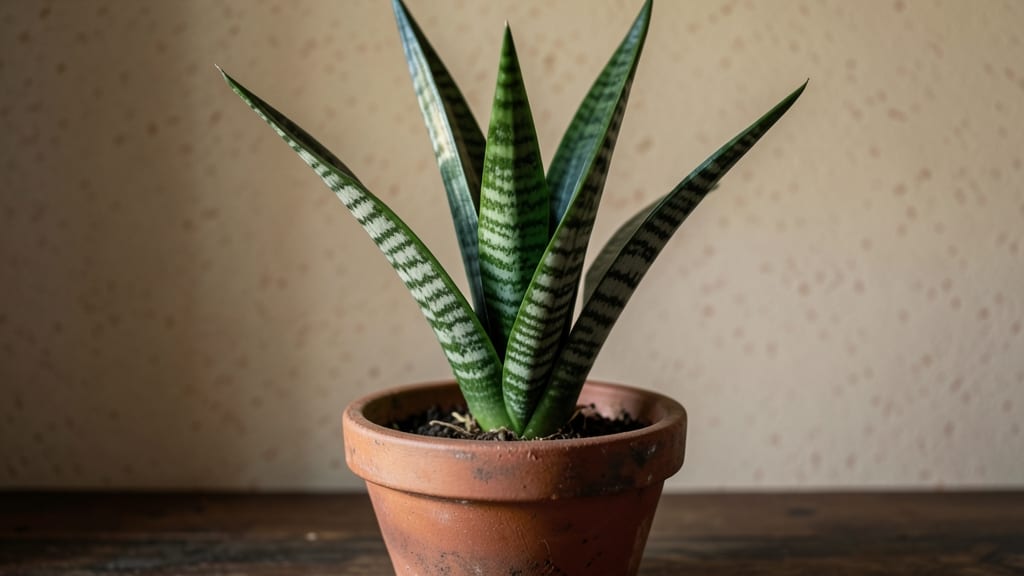
Growing a long flat-leaf plant is the easiest way to add drama to any space. 🌿 These architectural stars—like snake plants, aloe, and hostas—thrive on neglect while delivering bold textures and year-round interest.
My first snake plant survived a month of vacation with only a sip of water, and it’s still going strong today.
They all want the same basics: bright, indirect light (no scorching), well-draining soil (no soggy roots), and water only when the top inch feels dry. Overwatering is the #1 killer—these plants store moisture in their leaves, so they’re built to handle drought better than you might think.
A simple potting mix with perlite works for 90% of varieties.
You’ll end up with plants that look like they belong in a botanical garden, not your windowsill. Prune brown tips to keep them tidy, and repot every 2-3 years when roots crowd the container. The best part? These plants purify the air while you focus on other gardening adventures.
Works for beginners (they’re impossible to kill) and experienced growers (they’re endlessly adaptable). Let’s get yours thriving—indoors or out—with just a few simple tweaks.
📚 In This Guide
- What you need
- Instructions
- Tips and common mistakes
- Wrapping up and next steps
What you need
- ● Long flat leaf plant (e.g., Dracaena fragrans, Sansevieria trifasciata, or Aglaonema): 1-3 plants (depending on pot size and desired fullness).
- ● Well-draining potting mix: 2-3 gallons (look for a blend labeled for indoor tropical plants or add perlite/pumice for drainage).
- ● Pot with drainage holes: 1 container (6-12 inches in diameter, based on plant size). Terracotta or ceramic works best.
- ● Watering can with a narrow spout: 1 (to avoid overwatering).
- ● Fertilizer (balanced liquid or slow-release): 1 bottle (e.g., 10-10-10 or 20-20-20 NPK ratio).
- ● Gloves: 1 pair (to protect hands from soil or sap).
- ● Trowel or small shovel: 1 (for repotting or soil adjustments).
- ● Misting bottle: 1 (to increase humidity in dry climates).
- ● Plant saucer or tray: 1 (to catch excess water and protect surfaces).
- ● Grow lights (LED or fluorescent): 1-2 (if placing in low-light areas).
- ○ Decorative pebbles or moss: Optional (for aesthetic pots or moisture retention).
Step-by-Step instructions for cultivating long flat-leaf plants
Here's how to coax those striking, elongated leaves into thriving growth with just a few key techniques.
🌱 Step 1: Select the Right Variety and Light Conditions
Long flat-leaf plants thrive best in bright, indirect light—think east-facing windows or 6-8 hours of filtered sunlight daily. Avoid harsh direct sun, which scorches delicate foliage. I always choose varieties like Swiss chard, malva, or ornamental plantain for their natural elongated shapes and striking colors.
If natural light is insufficient, supplement with a full-spectrum LED grow light positioned 12-18 inches above the plant. You'll notice leaves elongating toward the light source—this is a clear sign they're reaching for more intensity. Rotate the pot quarter-turn weekly to encourage even growth and prevent lopsided development.
💧 Step 2: Master Watering for Optimal Leaf Development
These plants prefer consistently moist but never soggy soil. Water when the top 1-2 inches feel dry to touch, typically 2-3 times weekly depending on humidity. Overwatering causes yellowing leaves, while underwatering leads to crispy edges—both ruin that lush, flat-leaf appearance.
Use room-temperature water to avoid shocking roots. I like to water at the base rather than overhead, which prevents fungal spores from settling on the broad leaves. A well-draining potting mix with perlite or sand helps maintain the right moisture balance without waterlogging.
☀️ Step 3: Fertilize for Vibrant, Elongated Growth
Feed your plant every 4-6 weeks with a balanced liquid fertilizer (10-10-10 or similar) diluted to half-strength. The goal is to encourage long, flat leaves without excessive bushiness. You'll see the difference within 2-3 weeks—leaves will darken, lengthen, and develop richer coloration.
For organic options, use compost tea monthly. Avoid high-nitrogen fertilizers, which promote leafy growth at the expense of leaf shape. If you notice new leaves curling or becoming narrow, cut back on fertilizer and focus on light exposure instead.
✂️ Step 4: Prune Strategically to Maintain Shape
Pinch back the top 1-2 inches of new growth when stems reach 6-8 inches tall. This encourages branching and produces wider, flatter leaves over time. Use clean, sharp scissors to avoid tearing the delicate foliage.
Remove any yellowed or damaged leaves immediately—they sap energy from the plant. I also trim back any leggy stems that grow too long, redirecting the plant's focus to producing longer, flatter leaves rather than tall, spindly growth. Deadhead spent flowers if your variety produces them, as this prevents energy drain from seed production.
🪴 Step 5: Repot or Divide for Long-Term Health
If your plant outgrows its container, repot it into a 2-4 inches larger pot every 12-18 months. Use fresh well-draining potting mix to refresh nutrients. You'll know it's time when roots emerge from drainage holes or the soil dries out too quickly after watering.
For mature plants, divide them in spring when new growth begins. Separate clumps gently, ensuring each section has 3-4 healthy stems. Replant divisions in individual pots with fresh soil. This rejuvenates the plant and gives you multiple lush specimens from one original.
Tips & tricks for perfect long flat-leaf plant cultivation
Took me years of trial and error to master these tricks—here's how to get the most stunning flat leaves with minimal fuss.
Light Exposure Secret: In Step 1, when positioning your plant for those critical 6-8 hours of filtered sunlight, place it near a window where it gets morning sun and afternoon shade. I've found that west-facing windows often provide too much harsh afternoon light, which can scorch delicate leaves. If using a grow light, adjust the 12-18 inch distance—closer means more intense light but risk of burning, while farther means slower growth. Test with a 6-inch adjustment first.
Watering Wisdom: Step 2's 2-3 times weekly guideline works best with the "finger test" method: stick your finger 1-2 inches into the soil. If it feels dry at that depth, it's time to water. I've ruined plants both by overwatering (yellow leaves) and underwatering (crispy edges)—the key is consistency. Consider using a moisture meter for precise readings, especially in humid climates where watering needs may differ.
Fertilizer Timing: The 4-6 week feeding schedule in Step 3 works wonders, but I've learned to adjust based on growth signs. If you notice new leaves curling or becoming narrow after feeding, cut back to every 6-8 weeks instead. The goal is vibrant, elongated leaves—not bushy, compact growth. For organic growers, compost tea works beautifully but should be applied monthly rather than every 4-6 weeks to maintain consistent nutrient levels.
Pruning Precision: When pinching back the top 1-2 inches of growth in Step 4, use your thumb and forefinger for a clean pinch rather than scissors. This encourages branching while maintaining the plant's natural shape. I've found that pruning just above a leaf node (the small bump where leaves grow) produces the flattest, most striking leaves. Remove any yellowed leaves immediately—they can spread disease to healthy foliage and sap energy from your plant.
Pro Tips for Long Flat Leaf Plant
- Took me years of trial and error to master these tricks—here's how to get the most stunning flat leaves with minimal fuss.
- Light Exposure Secret: In Step 1, when positioning your plant for those critical 6-8 hours of filtered sunlight, place it near a window where it gets morning sun and afternoon shade.
- Watering Wisdom: Step 2's 2-3 times weekly guideline works best with the "finger test" method: stick your finger 1-2 inches into the soil.
Frequently asked questions
Got questions about keeping your long flat leaf plant thriving? You’re not alone!
Whether you're a newbie or a seasoned plant parent, these answers cover the most common concerns—so you can enjoy that lush, low-maintenance greenery year-round.
How often should I water my long flat leaf plant?
Water your plant only when the top 1-2 inches of soil feel dry. Overwatering is the #1 killer—stick your finger in the soil to check! Aim for every 7-10 days (less in winter, more in summer heat). Pro tip: Use a pot with drainage holes to avoid soggy roots.
Why are the leaves turning yellow or brown?
Yellowing leaves usually mean overwatering, while brown edges often signal low humidity or underwatering. Check the soil moisture and adjust your watering routine. If the issue persists, dust the leaves gently with a damp cloth to help it breathe. Bonus: Mist occasionally or place it near a humidifier!
Can I keep this plant indoors year-round?
Long flat leaf plants (like Dracaena marginata or Sansevieria) thrive indoors with bright, indirect light. Avoid harsh sunlight or dark corners. Rotate the pot occasionally for even growth. Winter tip: Reduce watering—growth slows down when temps drop!
What are some low-maintenance alternatives?
If you love the look but want even less fuss, try:
- Snake Plant (Sansevieria) – Nearly indestructible, thrives on neglect!
- ZZ Plant (Zamioculcas zamiifolia) – Survives drought and low light.
- Pothos (Epipremnum aureum) – Fast-growing and forgiving.
Are long flat leaf plants pet-friendly?
Not all are! Dracaena (like the dragon tree) is toxic to cats and dogs if ingested, causing vomiting or irritation. Sansevieria, however, is pet-safe. Opt for a labeled "pet-friendly" variety if you share your space with furry friends.
Wrapping up and next steps
Growing a long flat leaf plant is a rewarding journey that brings beauty and tranquility to your space with just a little effort! Whether you’ve chosen a snake plant, aloe vera, or a ZZ plant, these hardy greens thrive with minimal care—making them perfect for busy plant parents. 🌿
Now that you’re armed with the right materials and answers to common questions, it’s time to roll up your sleeves and give your plant the love it deserves. Start small, stay consistent, and watch your green companion flourish year-round. Happy growing! 🌱