
Blooming
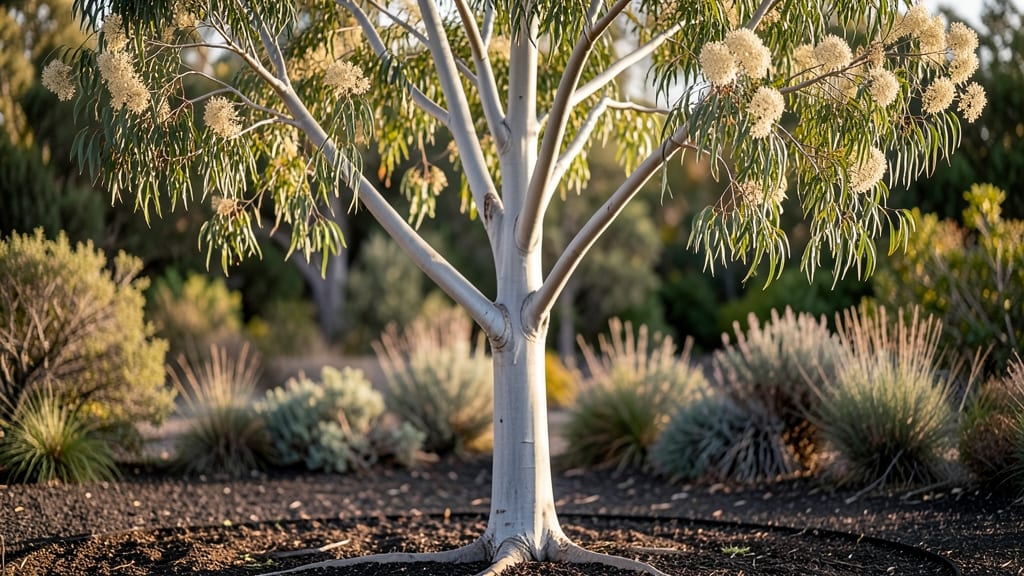
Planting a long leaf eucalyptus tree means instant vertical drama that grows faster than most gardeners expect. 🌿 I’ve watched mine shoot up 10 feet in just two seasons, transforming a bare corner into a lush, fragrant privacy screen with minimal effort.
The key isn’t just the speed—it’s how this tree delivers year-round interest, from silvery-blue foliage in winter to vibrant new growth in spring.
The secret to its rapid growth lies in well-draining soil and full sun exposure—no fancy amendments needed. In my Zone 8 garden, it thrives with weekly deep watering during the first year, then taps into drought tolerance like a pro.
Pruning isn’t just optional; it’s how you control its shape and encourage that signature upright form. The trade-off? Frost sensitivity—protect young trees in colder zones with burlap wraps if temps dip below 25°F.
By summer’s end, you’ll have a tree that doubles as a wildlife magnet—birds nest in its branches, and the scent repels mosquitoes naturally. The foliage stays silvery-green all year, even when other plants fade.
For screening, fragrance, and low-maintenance height, this eucalyptus is a game-changer. Here’s exactly how to set yours up for success.
Works best in USDA Zones 8-11, but container-grown specimens can survive winters in cooler zones with protection. The only real challenge? Patience with the roots—give them space to establish before expecting that fast growth to kick in. Once it does, you’ll wonder why you didn’t plant one sooner.
📚 In This Guide
- What you need
- Instructions
- Tips and common mistakes
- Wrapping up and next steps
What you need
- ● Long leaf eucalyptus saplings or seeds: For saplings: 1–3 healthy, 1–3 ft tall plants (depending on desired spacing)
- ● For seeds: 50–100 seeds (germination rate varies; start indoors 6–8 weeks before last frost)
- ● Well-draining soil: Mix of sandy loam + compost (pH 5.5–7.0)
- ○ Optional: Amend heavy clay with perlite or coarse sand (1 part perlite to 3 parts soil)
- ● Sunlight access: Full sun (6+ hours daily) in USDA Zones 8–11
- ● Watering supplies: Hose with adjustable nozzle or drip irrigation system
- ● 5-gallon watering can (for seedlings)
- ● Basic tools: Trowel or shovel (for digging)
- ● Pruning shears (sterilized with rubbing alcohol)
- ● Measuring tape (for spacing—plant 10–15 ft apart for mature trees)
- ● Mulch: 2–3 inches of pine bark or wood chips (keeps roots cool and retains moisture)
- ● Fertilizer: Slow-release granular fertilizer (10-10-10 ratio, 1 lb per 100 sq ft)
- ● Eucalyptus-specific fertilizer (if available)
- ● Windbreak: Temporary stakes or burlap (for young trees in windy areas)
- ● Pest control: Neem oil or insecticidal soap (for aphids or scale)
- ● Disease prevention: Copper fungicide (if fungal risks are high in your area)
Step-by-step guide to planting and cultivating long leaf eucalyptus
This striking perennial thrives with the right approach—here's how to establish it for rapid, dramatic growth.
🌱 Step 1: Select and Prepare the Planting Site
Long leaf eucalyptus demands full sun exposure—choose a location receiving at least 6-8 hours of direct sunlight daily. The tree tolerates a range of soil types but performs best in well-draining, slightly acidic soil with a pH between 5.0 and 7.0. If your soil is heavy clay, amend it with 2-3 inches of compost mixed into the top 12 inches of soil.
Dig a hole twice as wide as the root ball but only as deep as the container's height. This prevents root damage from being planted too deeply. Gently loosen the roots if they're circling the container—this encourages outward growth. The tree's fast growth means it will quickly fill its space, so give it room to spread.
🪴 Step 2: Plant and Water for Initial Establishment
Place the eucalyptus in the hole and backfill with native soil, pressing lightly to eliminate air pockets. Water immediately after planting to settle the soil and eliminate gaps. The first watering should be deep and thorough, soaking the root zone to a depth of 12-18 inches. You'll see water pooling at the surface until the soil absorbs it—this ensures roots establish quickly.
Mulch around the base with 2-3 inches of organic mulch, keeping it 6 inches away from the trunk to prevent rot. Mulch helps retain moisture and regulates soil temperature, which is critical during the tree's first growing season. Avoid over-mulching—the bark of eucalyptus is naturally protective, so excessive mulch can suffocate the trunk.
☀️ Step 3: Provide Consistent Care for Rapid Growth
Water deeply once a week during the first growing season, increasing to every 5-7 days in extreme heat or drought. The tree's deep root system means it's drought-tolerant once established, but young plants need consistent moisture. You'll know it's getting enough water when the top 2-3 inches of soil feel dry to the touch.
Fertilize lightly in early spring with a balanced, slow-release fertilizer (10-10-10 ratio). Avoid heavy nitrogen applications—this can lead to excessive leaf growth at the expense of structural strength. Prune only to remove dead or damaged branches; eucalyptus responds poorly to aggressive pruning. The tree's natural shape is its strongest asset, so let it grow freely.
✂️ Step 4: Monitor and Maintain for Long-Term Health
Watch for signs of stress, such as yellowing leaves or stunted growth, which often indicate overwatering or poor drainage. Eucalyptus is sensitive to waterlogged roots, so ensure the planting site has good drainage. If leaves develop brown edges, it may be a sign of salt buildup—flush the soil with water to leach out excess salts.
This fast-growing perennial will reach 50-70 feet tall in ideal conditions, so plan for its mature size. If planting near structures, give it ample space to avoid root interference. The tree's striking foliage and rapid growth make it a standout in any landscape—just provide the right conditions, and it will thrive with minimal intervention.
Tips & tricks for cultivating a thriving long leaf eucalyptus
A few key strategies will help you accelerate growth and avoid common pitfalls with this striking tree.
Sunlight Optimization: While the instructions mention 6-8 hours of sunlight, I've found that morning sun paired with afternoon shade in extremely hot climates can actually improve survival rates during the first critical year. The tree's native Australian habitat often includes partial shade, so don't be afraid to experiment with positioning if your summer temperatures exceed 90°F consistently.
Soil Preparation Secret: For heavy clay soils, I recommend going beyond the 2-3 inches of compost to create a proper "root zone amendment." Mix in 1 part compost to 3 parts native soil down to the full 12-inch depth. This creates a more forgiving environment for root establishment, especially in cooler climates where decomposition happens more slowly. The improved drainage will prevent the waterlogged conditions that eucalyptus absolutely hates.
Watering Technique: The deep watering instructions are spot-on, but here's what nobody tells you about the first watering: Use a garden hose with a slow setting to gradually soak the area. You'll know you've reached the 12-18 inch depth when water begins pooling on the surface and stops absorbing. This gradual approach prevents soil compaction that can occur with rapid water application, giving roots better access to oxygen as they establish.
Mulching Strategy: When applying the 2-3 inches of organic mulch, I've found that using coarse wood chips rather than fine bark creates better airflow around the trunk. The larger gaps between chips allow moisture to reach the soil while preventing that suffocating effect on the bark. Plus, as these chips break down, they'll add organic matter to the soil without creating a dense mat that can trap moisture against the trunk.
Pro Tips for Long Leaf Eucalyptus Tree
- A few key strategies will help you accelerate growth and avoid common pitfalls with this striking tree.
- The tree's native Australian habitat often includes partial shade, so don't be afraid to experiment with positioning if your summer temperatures exceed 90°F consistently.
- Soil Preparation Secret: For heavy clay soils, I recommend going beyond the 2-3 inches of compost to create a proper "root zone amendment."
Frequently asked questions
Got questions about the long leaf eucalyptus tree? You’re not alone! This striking perennial is packed with drama, but it’s smart to know the ins and outs before planting. Below, we tackle the most common queries—from spacing to care—so you can confidently add this beauty to your landscape.
How fast does a long leaf eucalyptus tree grow?
The long leaf eucalyptus is a fast-growing perennial, typically adding 12–24 inches per year under ideal conditions. With proper sunlight (full sun!), well-draining soil, and regular watering, you could see noticeable height and spread within a single growing season. Just be patient—full maturity (6–10 feet tall) takes 3–5 years.
How far apart should I plant long leaf eucalyptus trees?
Spacing matters for airflow and growth! Plant trees 8–12 feet apart in rows or clusters to prevent overcrowding. If using them as hedges or borders, 6–8 feet apart works well. Remember, eucalyptus has a sprawling root system, so avoid planting near foundations, sidewalks, or other shallow-rooted plants.
Is long leaf eucalyptus cold-hardy?
While it’s a perennial, long leaf eucalyptus is not frost-tolerant—it thrives in USDA Zones 8–11. In colder climates (Zones 7 or below), plant it in containers and move it indoors during winter or treat it as an annual. Mulch heavily in fall to protect roots, but expect leaf drop if temps dip below 25°F.
How often should I water a long leaf eucalyptus tree?
Water deeply 1–2 times per week for the first year to establish roots, then taper to weekly watering once mature. This drought-tolerant tree hates soggy soil, so prioritize well-draining soil and reduce watering once established. Yellowing leaves? Overwatering might be the culprit—let the top inch of soil dry out between waterings.
Can I grow long leaf eucalyptus in containers?
Containers are a great option for small spaces or cold climates. Use a large pot (18+ inches deep) with drainage holes and a fast-draining mix (eucalyptus roots rot easily). Place in full sun and water when the topsoil feels dry. Just know: container-grown trees will need regular pruning to control size.
Are long leaf eucalyptus trees toxic to pets or wildlife?
Good news for pet owners! Long leaf eucalyptus is non-toxic to dogs and cats (unlike some other eucalyptus varieties). However, eucalyptus leaves and oil can irritate pets’ digestive systems if ingested in large amounts. For wildlife, the tree attracts pollinators like bees and butterflies but isn’t known to harm birds or small animals. Always monitor pets around new plants.
Wrapping up and next steps
The long leaf eucalyptus tree is a stunning, low-maintenance perennial that brings year-round texture and drama to any landscape. With its fast growth, drought tolerance, and striking foliage, it’s a dream for gardeners seeking both beauty and practicality.
Whether you’re a beginner or a seasoned green thumb, this tree is a fantastic addition to your outdoor space!
Ready to plant your own? Start by gathering your supplies, choosing the perfect spot, and following the simple steps outlined above. Before you know it, you’ll be enjoying the lush, aromatic beauty of your long leaf eucalyptus—nature’s way of adding a touch of elegance to your garden. 🌿✨