
Planting
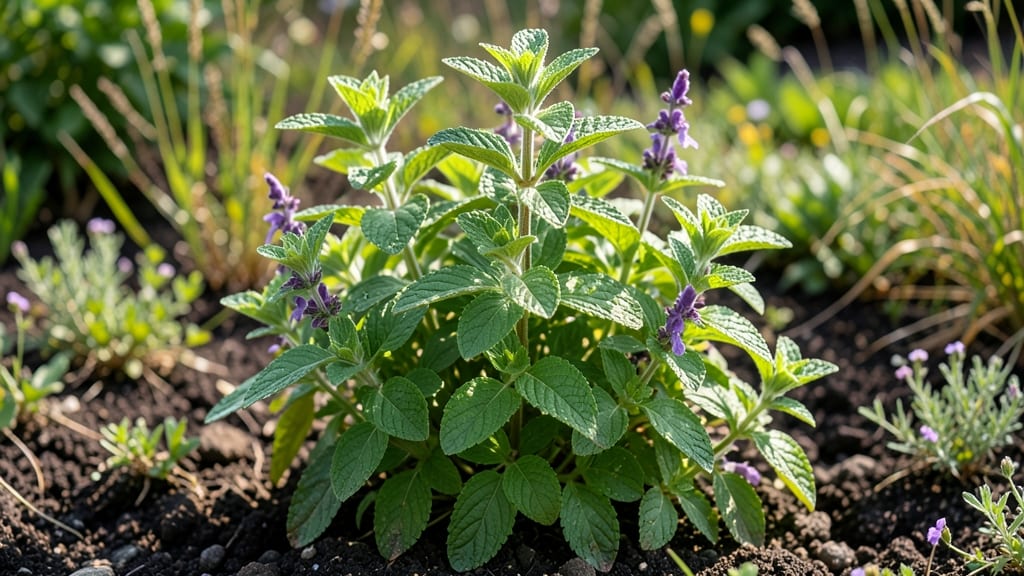
The long leaf mint plant grows like a weed once established—fast, fragrant, and impossible to kill if you get the basics right. 🌿 I’ve grown it for years, and the secret lies in its adaptability: it thrives in partial shade, tolerates poor soil, and spreads aggressively (which is great for culinary use, less so for garden boundaries).
The first harvest comes in just 6-8 weeks, and the flavor is bold enough to stand up to strong teas or spicy dishes.
This mint loves moist but well-draining soil—think clay loam or sandy loam—so amending heavy soil with compost is key. It handles 3-4 hours of morning sun but wilts in harsh afternoon heat, making it perfect for shady spots where other herbs fail.
Watering is forgiving: keep the soil consistently damp but never soggy, and you’ll avoid the crispy edges that plague overwatered mint.
Propagation is where the magic happens—cuttings root in water in just 7-10 days, while seeds are slower and less reliable. Prune regularly to encourage bushier growth and prevent it from taking over; I shear mine back by ⅓ every 4-6 weeks, and the flavor stays intense.
The leaves are also pest-resistant, so aphids and spider mites rarely bother it.
Use it fresh in mojitos, lamb dishes, or pestos, or dry bundles for winter. The downside? It spreads like crazy—plant it in containers or buried pots if you want to control its reach. Once you grow it, you’ll wonder why you ever bought store-bought mint.
📚 In This Guide
- What you need
- Instructions
- Tips and common mistakes
- Wrapping up and next steps
What you need
- ● Long leaf mint seeds or nursery plants: 5–10 seeds (or 1–2 small plants) for a starter patch. Look for Mentha longifolia varieties for the classic long leaves!
- ● Well-draining potting mix or garden soil: 2–3 cubic feet (for containers) or amended garden beds (if planting directly). Mix in compost (1 part compost to 3 parts soil) for nutrients.
- ○ Containers (optional but recommended): 1–2 5–10 gallon pots with drainage holes (if container-growing). Pro tip: 💡 Use fabric pots to prevent root-bound issues!
- ● OR a dedicated garden bed with 6+ inches of loose soil.
- ● Watering can or hose with a gentle spray nozzle: Mint loves moisture but hates soggy roots!
- ○ Organic fertilizer (optional but helpful): A balanced 10-10-10 or fish emulsion (1 tbsp per gallon of water) to boost growth.
- ● Garden trowel or small shovel: For transplanting seedlings or digging holes (if starting from seeds).
- ● Pruning shears or clean scissors: To harvest leaves and encourage bushier growth.
- ○ Gloves (optional): Mint can be invasive—gloves help protect your hands from sticky leaves!
- ● Sunlight access: 6+ hours of partial shade (mornings sun, afternoon shade works best). Avoid harsh afternoon sun in hot climates.
- ○ Mulch (optional): Straw or wood chips (1–2 inches) to retain moisture and suppress weeds.
Step-by-Step guide to growing long leaf mint from start to harvest
Here’s how to cultivate this vigorous perennial with minimal fuss—it spreads fast but rewards you with bold flavor.
🌱 Step 1: Select and Prepare the Planting Site
Long leaf mint thrives in partial shade to full sun (at least 4-6 hours daily), but too much direct light scorches its leaves. I always choose a spot with morning sun and afternoon shade—this keeps the foliage lush without burning. The soil should drain well but retain moisture; amend heavy clay with 2-3 inches of compost to improve aeration.
Mint’s aggressive roots need space to spread, so avoid planting near other herbs or vegetables. A 12-inch deep trench lined with landscape fabric prevents it from invading neighboring plants. This is the moment to test your soil’s pH—mint prefers 6.0-7.0. If your soil runs acidic, add a handful of lime to the planting hole.
🪴 Step 2: Plant and Water for Establishment
For 4 plants, dig holes 12 inches apart and deep enough to bury the root ball completely. If starting from cuttings, root them in water for 7-10 days until roots reach 2 inches long before transplanting. Press the soil firmly around the roots to eliminate air pockets—this ensures immediate contact with moisture.
Water deeply right after planting, then maintain 1 inch of water weekly (more in 90°F+ heat). You’ll know it’s right when the top 2 inches of soil feel damp but not soggy. Mulch with 2 inches of straw to conserve moisture and suppress weeds. Mint’s fast growth means it outcompetes invaders naturally.
☀️ Step 3: Prune and Harvest for Continuous Growth
Harvest leaves anytime after 6-8 weeks when the plant reaches 6 inches tall. Snip stems just above a leaf node to encourage bushier growth. I always cut in the morning when oils are most concentrated—this gives the strongest flavor for teas or cocktails.
Prune back by one-third in early spring and again after harvests to maintain shape. Never let it flower; mint blooms signal the plant to focus on seed production instead of foliage. Pinch off buds immediately with clean scissors—this keeps the leaves tender and flavorful year-round.
💧 Step 4: Overwinter and Maintain Perennial Vigor
Long leaf mint is hardy to Zone 5, but cold snaps can damage tender leaves. In fall, trim back by half and apply 3 inches of mulch to insulate roots. In mild winters, the plant may stay green; in colder climates, it’ll die back but regrow from the crown in spring.
Divide mature clumps every 2-3 years to control spread. Dig up sections with a sharp spade in early spring, replant, and share extras with neighbors—mint’s fast growth makes it a favorite for propagation. Fertilize lightly in spring with balanced 10-10-10 to support new shoots without encouraging leggy stems.
Tips & tricks for perfect long leaf mint growth
These insider tricks will help you cultivate vigorous, flavorful long leaf mint that thrives year after year with minimal effort.
Soil Preparation Secret: Before planting, mix a handful of pelletized chicken manure into each hole to give your mint a nutrient boost without overfeeding. I learned this the hard way after watching my first batch grow slowly—this simple step jumpstarts growth by providing nitrogen without burning tender roots. The 2-3 inches of compost mentioned in Step 1 is essential, but adding organic fertilizer at planting ensures your mint hits the ground running.
Rooting Shortcut: For cuttings, I've found that using a small glass of water with a drop of hydrogen peroxide speeds up rooting to just 5-7 days instead of 10. The peroxide prevents bacterial growth while encouraging faster root development. Once roots reach 2 inches, transplant immediately—don't let them get leggy in water. This trick saves weeks of waiting for establishment.
Harvesting Technique: When harvesting in Step 3, always use clean, sharp scissors and make cuts at a 45-degree angle just above leaf nodes. This prevents tearing and encourages new growth from that exact spot. I harvest every 3-4 weeks to maintain bushy plants—any longer and you'll get woody stems. Morning harvests yield the most potent flavor, but if you must harvest later, do it before noon to avoid heat stress on the leaves.
Winter Protection Hack: In colder climates, I've had success using straw bales instead of just mulch for overwintering. Build a small mound around the plant base (about 6 inches high) to create an insulating barrier. This extra protection lets me grow mint successfully in Zone 4 gardens where the instructions mention Zone 5 hardiness. The straw also prevents soil heaving during freeze-thaw cycles.
Pro Tips for Long Leaf Mint Plant
- These insider tricks will help you cultivate vigorous, flavorful long leaf mint that thrives year after year with minimal effort.
- Soil Preparation Secret: Before planting, mix a handful of pelletized chicken manure into each hole to give your mint a nutrient boost without overfeeding.
- Rooting Shortcut: For cuttings, I've found that using a small glass of water with a drop of hydrogen peroxide speeds up rooting to just 5-7 days instead of 10.
Frequently asked questions
Got questions about growing or using long leaf mint? You’re not alone!
Here are answers to the most common queries about this fragrant, fast-growing perennial—from planting tips to troubleshooting tricks.
How fast does long leaf mint grow, and when can I harvest it?
Long leaf mint is a speed demon—expect 6–12 inches of growth in just 3–4 weeks under ideal conditions! You can start harvesting leaves once the plant reaches about 6 inches tall, but avoid taking more than 1/3 of the plant at a time to keep it thriving. For best flavor, harvest in the morning after the dew dries but before the sun peaks.
When is the best time to plant long leaf mint?
Plant long leaf mint in early spring (after the last frost) or late summer for a fall harvest. It thrives in warm soil (60°F+) and can handle light frosts, but avoid planting in extreme heat—it may bolt (flower prematurely). If you’re in a hot climate, opt for shade or partial shade to prevent stress.
Can I grow long leaf mint in containers, and what size pot do I need?
Long leaf mint is perfect for containers—just use a pot at least 12 inches wide and deep with drainage holes. Solo pots work best because mint spreads aggressively and can overtake garden beds. Add a 1-inch layer of gravel at the bottom to prevent root rot, and fertilize lightly every 4–6 weeks.
Why is my long leaf mint turning yellow or wilting? Common problems and fixes.
- Yellow leaves: Often a sign of overwatering or nutrient deficiency. Let soil dry slightly between waterings, and add a balanced fertilizer (like 10-10-10) every 4–6 weeks.
- Wilting or leggy growth: Usually means too much shade or not enough light. Mint needs 4–6 hours of sunlight daily. If indoors, place near a sunny window or use grow lights.
- Pests (like aphids or spider mites):strong> Spray with neem oil or insecticidal soap. Mint’s strong scent often deters pests, but stress makes it vulnerable.
What’s the difference between long leaf mint and other mints (like spearmint or peppermint)?
Long leaf mint has broader, darker green leaves with a sweeter, more complex flavor than spearmint (lighter, citrusy) or peppermint (sharp, cooling). It’s also hardier and less invasive than peppermint, making it a top pick for culinary gardens. Use it in teas, sauces, or as a garnish—its flavor bridges the gap between spearmint and peppermint!
Pro Tip: Want mint that keeps coming back?
Trim the plant back by 1/3 after flowering to encourage bushier growth. If you notice it spreading too much, divide the roots in early spring and replant sections elsewhere—or share with fellow gardeners!
Wrapping up and next steps
Growing long leaf mint in your culinary garden is a rewarding experience—it’s hardy, fast-growing, and packed with flavor! Whether you’re a seasoned gardener or just starting, this versatile perennial brings freshness to teas, dishes, and cocktails while thriving with minimal fuss. 🌿
Ready to elevate your garden? Start small—plant a few cuttings in a pot or a dedicated patch, and watch it spread! With its resilience and aromatic charm, long leaf mint is the perfect addition for both beginners and green thumbs alike. Happy planting! 🌱