
Planting
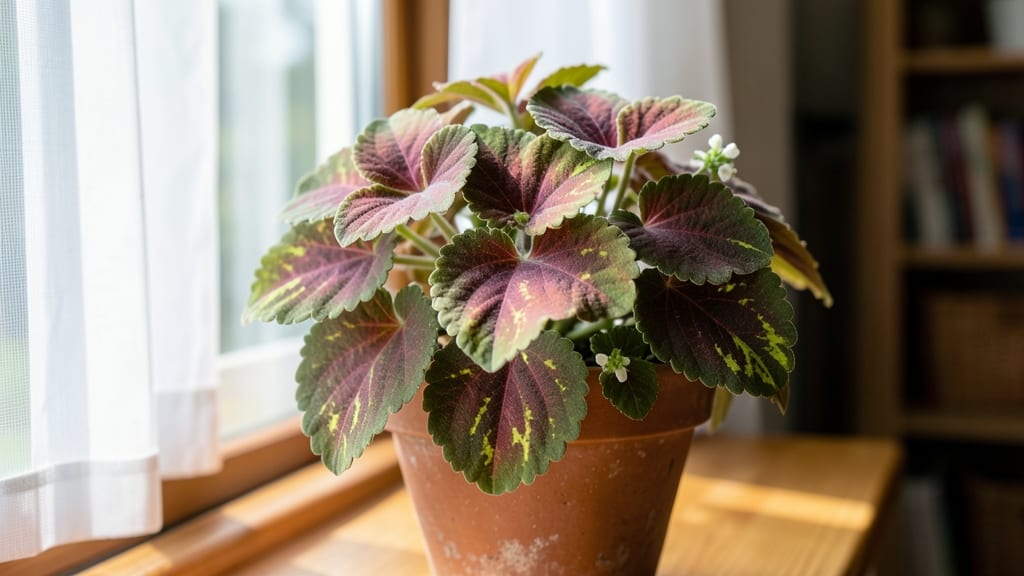
The love leaf plant spreads like wildfire in shady spots—fast-growing and lush, it’s the secret weapon for turning dull corners into vibrant green carpets. 🌿 I first fell for it when I needed a solution for my north-facing yard that stayed green all summer, and it’s been my go-to ever since.
Unlike finicky ground covers, this one thrives where others fail, with minimal fuss and maximum impact.
This shade-loving plant loves moist, well-draining soil but won’t complain if you forget to water for a week—though it’ll look better if you don’t. Start with 6-inch spacing between plants, and within a season, you’ll have a dense mat that crowds out weeds.
The real magic? It’s edible too—young leaves make a peppery addition to salads, though most gardeners grow it purely for its looks. Zones 5-9 are its sweet spot, but I’ve seen it push through winters in colder areas with a little mulch.
Pruning is where the easy care continues—just snip back leggy stems in early spring to encourage bushier growth. The biggest mistake? Overwatering—soggy soil leads to root rot faster than you’d think.
I’ve watched mine recover from neglect, but even the hardiest plants appreciate a little attention. By midsummer, you’ll have a lush, impenetrable ground cover that’s as tough as it is beautiful.
Works equally well in garden beds, under trees, or even as a living mulch around shrubs. Once established, it’s nearly impossible to kill, making it the perfect low-maintenance solution for busy gardeners. Let’s get yours growing!
📚 In This Guide
- What you need
- Instructions
- Tips and common mistakes
- Wrapping up and next steps
What you need
- ● Love Leaf plant (Phyllagathis rotundifolia) – 1-3 plants (depending on desired coverage; spacing ~12-18 inches apart)
- ● Well-draining potting mix – 1 bag (5-10 gallons) (or a blend of 50% peat moss, 30% perlite, and 20% compost for DIY mix)
- ● Garden bed or large container – Minimum 6 inches deep (for in-ground planting, ensure partial shade; for containers, use a 12-inch-wide pot or larger)
- ● Watering can or hose with a gentle spray nozzle – For even moisture distribution
- ○ Organic mulch (optional but recommended) – 1-2 inches (e.g., shredded bark or pine needles to retain moisture)
- ● Gloves – To protect hands while handling soil or plants
- ● Trowel or small shovel – For planting and soil prep
- ○ Pruning shears – Optional, for trimming overgrowth or shaping
- ○ pH testing kit – Optional, to check soil acidity (ideal range: 5.5-6.5)
- ● Slow-release fertilizer (balanced, 10-10-10) – 1-2 tbsp per plant (applied every 2-3 months)
Step-by-Step guide to planting love leaf ground cover
This shade-loving ground cover spreads quickly once established—here's how to get it thriving in your garden.
🌱 Step 1: Prepare the Planting Site
Choose a spot with partial to full shade where the soil stays consistently moist but well-drained. Love leaf hates soggy roots, so if your soil drains poorly, mix in 1-2 inches of compost to improve aeration. I like to test drainage by digging a 6-inch hole, filling it with water, and watching how quickly it drains—if it takes more than an hour, amend the soil.
Clear the area of weeds and debris, then loosen the top 6 inches of soil with a garden fork. This helps roots spread easily. The ideal soil pH for love leaf is 6.0-7.0, so if your soil tests acidic, add a sprinkle of lime to raise the pH slightly. You'll know you're ready when the soil feels light and crumbly, like a well-fluffed pillow.
🌿 Step 2: Plant the Starts
Space plants 12-18 inches apart in rows 18-24 inches apart to allow room for spreading. Dig holes just deep enough to accommodate the root ball without burying the crown—this prevents rot. Gently remove the plant from its container, tease the roots apart if they're circling, and place it in the hole so the top of the root ball sits ½ inch below soil level.
Backfill with soil, pressing lightly around the base to eliminate air pockets. Water deeply right after planting to settle the soil and encourage root contact. You'll see the first signs of success when new growth appears within 2-3 weeks. If leaves yellow, it's usually a sign of overwatering—let the soil dry slightly between waterings.
💧 Step 3: Water and Mulch for Fast Establishment
Keep the soil consistently moist for the first 4-6 weeks to help roots establish. Water in the morning so leaves have time to dry before evening, reducing disease risk. I use a soaker hose set to a gentle flow for 15-20 minutes twice daily during hot spells—this mimics natural rainfall without disturbing the soil surface.
Apply a 2-3 inch layer of mulch (like shredded bark or pine needles) to retain moisture and suppress weeds. Keep the mulch 2 inches away from plant stems to prevent rot. You'll notice the mulch makes a huge difference in how quickly the plants fill in—it's like giving your ground cover a cozy blanket to spread under.
✂️ Step 4: Encourage Spread and Maintain Health
Once established, love leaf spreads rapidly through underground runners. Let it grow freely for the first year, then thin out crowded areas in early spring by cutting back excess growth at the base with clean pruners. You can also divide mature plants in spring by digging up sections of the spread and replanting them elsewhere.
Fertilize lightly in early spring with a balanced 10-10-10 fertilizer applied at half strength. Too much nitrogen makes leaves grow fast but weak, so I prefer a slow-release formula. Watch for pests like slugs—if you see chewed leaves, set out beer traps or handpick them in the evening when they're most active.
☀️ Step 5: Overwinter for Next Year's Growth
Love leaf is hardy in most climates but benefits from a little winter protection. In colder zones, apply an extra 2-3 inches of mulch before the first frost to insulate roots. In mild climates, simply reduce watering once growth slows in fall. You'll know it's dormant when leaves turn brown but stems remain green.
Prune back any dead foliage in early spring before new growth appears. The plant typically emerges with fresh green leaves by late winter or early spring, ready to spread again. With proper care, you'll have a lush, fast-growing ground cover that outcompetes weeds and stays green all season long.
Tips & tricks for perfect love leaf plant establishment
Between us, the difference between a patchy ground cover and a lush carpet of love leaf often comes down to these simple but critical steps.
Soil Prep Secret: That 6-inch soil loosening in Step 1 isn't just about breaking up dirt—it's about creating air pockets for roots to breathe. I like to run my garden fork in a star pattern around each planting hole to encourage even spread. For heavy clay soils, work in 1-2 inches of compost and let it sit for a week before planting to break down properly. The drainage test with the 6-inch hole is your best friend—if water pools after an hour, you absolutely need to amend.
Planting Depth Matters: Getting that crown placement right in Step 2 is everything. The top of the root ball should sit just ½ inch below soil level—any deeper and you risk rot, any higher and roots won't anchor properly. I mark the depth on my trowel with a permanent marker as a visual reminder. After planting, give the soil a gentle press around the base to eliminate air pockets, then water deeply to help roots make immediate contact with moist soil.
Watering Wisdom: Those 15-20 minutes of soaker hose time during hot spells? That's your sweet spot for consistent moisture without drowning the roots. I set a timer and check the soil after 10 minutes—if it's still dry an inch down, keep it going. The key is keeping the soil moist (not soggy) for those first 4-6 weeks. Morning watering prevents fungal issues by letting leaves dry before evening, and the soaker hose delivers water right to the roots without disturbing the soil surface.
Mulch Magic: That 2-3 inch layer of mulch isn't just decoration—it's your moisture insulator and weed barrier. I use shredded hardwood bark because it breaks down slowly while improving soil structure over time. The critical detail? Keep it 2 inches away from stems to prevent rot. You'll notice the mulch makes a huge difference in how quickly the plants fill in—it's like giving your ground cover a cozy blanket to spread under without competition.
Pro Tips for Love Leaf Plant
- Between us, the difference between a patchy ground cover and a lush carpet of love leaf often comes down to these simple but critical steps.
- Soil Prep Secret: That 6-inch soil loosening in Step 1 isn't just about breaking up dirt—it's about creating air pockets for roots to breathe.
- Planting Depth Matters: Getting that crown placement right in Step 2 is everything.
Frequently asked questions
Got questions about growing love leaf plant (also known as Phyllanthus tenellus)? You’re not alone!
Here are some of the most common queries—plus quick answers to help you succeed in your shade garden.
Is love leaf plant invasive or aggressive?
Not typically! While it spreads quickly, love leaf plant is generally not considered invasive in most regions. Its growth can be controlled with pruning or mulching. Always check local regulations if planting in wild areas—just to be safe.
How fast does love leaf plant grow?
Fast! Under ideal conditions (partial shade, moist soil), it can spread 1–2 feet per year. In optimal settings, you might see noticeable coverage in just a few months. Pro tip: Trim back leggy stems to encourage bushier, denser growth.
Does love leaf plant need full sun or shade?
It thrives in partial to full shade—perfect for under trees or north-facing gardens. While it tolerates some morning sun, too much direct light can scorch its delicate leaves. Bonus: Its shade tolerance makes it ideal for low-light spots!
What pests or diseases should I watch for?
Love leaf plant is relatively pest-resistant, but watch for aphids or spider mites in dry conditions. Yellowing leaves may signal overwatering or fungal issues (like powdery mildew). Fix it: Improve airflow and avoid soggy soil to prevent problems.
Can I grow love leaf plant in containers?
It’s a great choice for pots, especially if you want to control its spread. Use a well-draining mix and a container at least 12 inches wide. Just keep in mind it may need occasional pruning to stay tidy.
Wrapping up and next steps
The Love Leaf Plant is a fantastic, fast-growing ground cover that thrives in shade gardens, offering lush greenery and easy maintenance. Whether you're looking to fill gaps, suppress weeds, or add vibrant texture to your landscape, this hardy plant delivers beauty with minimal effort.
Ready to transform your garden? Start by gathering your materials, choosing the right spot, and following the simple steps outlined above. With a little patience and care, you’ll soon enjoy a thriving, verdant carpet of Phyllanthus tenellus—and maybe even a few extra smiles from its charming name! 🌿✨