
Leaf Blower
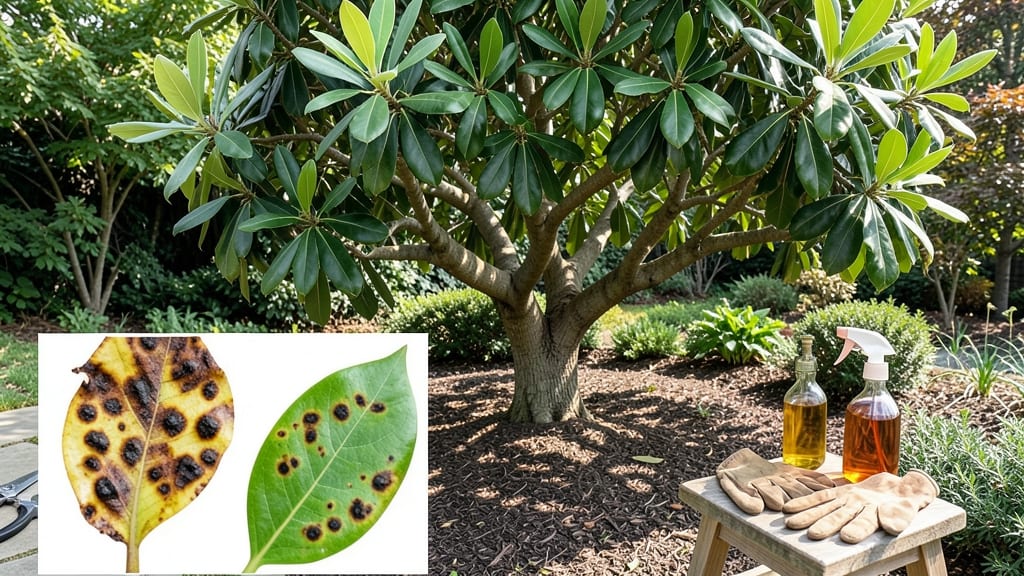
Those brown fungal leaf spots marring your magnolia leaves? Fungal leaf spot is the culprit, and copper spray is your secret weapon. 🌿 I’ve battled this issue for years, and once I switched to a homemade copper treatment, my magnolias stayed vibrant through summer’s worst humidity.
The problem starts when fungal spores land on damp leaves, creating those telltale brown circles with yellow halos. Most treatments fail because they’re applied too late—by then, the fungus has already spread. Copper works because it prevents spores from germinating in the first place, not just masking symptoms.
With just 3 ingredients and a spray bottle, you’ll protect your tree for the entire growing season. The key is timing: apply it before rain or high humidity, and repeat every 2-3 weeks until fall. Your magnolia’s foliage will stay lush, and you’ll skip the annual panic of defoliation.
This method works for all magnolia types—southern, star, or saucer—and even helps prevent other fungal diseases. Here’s exactly how to mix and apply it for maximum effectiveness.
Understanding the Root Causes
Fungal leaf spot diseases like those affecting magnolias don’t just appear out of nowhere—they thrive because of specific conditions that create the perfect storm for spores to germinate, multiply, and wreak havoc on your prized foliage.
Let’s break down the key factors that turn your magnolia’s leaves into a fungal buffet.
Fungal spores love dampness. When magnolia leaves stay wet for prolonged periods—whether from overhead watering, rain, or poor airflow—they create an ideal breeding ground for pathogens like Gloeodes pomigena (a common culprit in leaf spot diseases). Here’s why it’s a problem:
- Prolonged Leaf Wetness: Leaves need less than 12 hours of moisture to dry between waterings. If they stay damp overnight (especially in humid climates), spores germinate faster. - Poor Soil Drainage: Waterlogged soil forces roots to struggle, weakening the tree’s defenses.
Fungal spores in the soil can splash onto leaves during rain or irrigation. - Fungal Spores Spread Easily: Wet conditions allow spores to splash from infected leaves, mulch, or even nearby soil onto healthy foliage.
Actionable Fix: 💡 Space waterings to early morning (allowing leaves to dry by afternoon), improve soil drainage with organic matter, and avoid mulching too close to the trunk (keep it 6+ inches away).
A magnolia under stress is like an open invitation for fungi. Crowded planting, poor pruning, or nutrient deficiencies weaken the tree’s natural defenses, making it easier for pathogens to take hold.
- Lack of Air Circulation: Dense foliage or nearby structures (like walls or fences) trap humidity, slowing leaf drying and encouraging spore growth. - Nutrient Imbalances: Magnolias need balanced nitrogen, phosphorus, and potassium.
Too much nitrogen (common with over-fertilizing) promotes lush but weak growth, while deficiencies (like low phosphorus) stunt root development, leaving the tree vulnerable. - Physical Damage: Poor pruning (e.g., cutting too close to branches) or hail/storm damage creates entry points for fungi.
Actionable Fix: ✨ Prune to improve airflow (remove crossing branches, thin dense areas), test soil annually, and fertilize with a slow-release, balanced formula (e.g., 10-10-10) in early spring.
Fungal leaf spots peak when temperature and humidity align to create the perfect growing conditions for spores. Most magnolia leaf spot fungi thrive in: - Warm, Humid Conditions: Ideal range is 60–85°F (15–29°C) with high humidity (70%+).
Coastal or tropical climates are hotspots for outbreaks. - Cool, Wet Springs: Early-season rains followed by warm days create explosive spore growth.
Spores germinate within 4–12 hours of leaf wetness in these conditions. - Sudden Temperature Shifts: Rapid changes (e.g., cold nights followed by warm days) stress the tree, lowering its resistance.
Actionable Fix: 🌡️ Monitor local weather forecasts and water in the morning during humid spells. If your area is prone to fungal issues, consider resistant magnolia varieties like Magnolia grandiflora ‘Little Gem’ (which tolerates heat/humidity better than some others).
Fungal spores are sneaky hitchhikers. They cling to pruners, rakes, and even fallen leaves, spreading to healthy plants when you least expect it.
- Infected Pruners: Cutting infected branches without sterilizing tools can transfer spores to fresh cuts or nearby leaves.
- Old Leaf Litter: Leaves with spots harbor spores that overwinter and reinfect the tree the next season.
- Compost or Mulch: If made from infected plant material, compost can reintroduce pathogens to your soil.
Actionable Fix: 🔥 Sterilize pruners with 70% isopropyl alcohol or bleach solution (1 part bleach to 9 parts water) between cuts. Rake and remove fallen leaves in autumn, and avoid using fresh mulch from unknown sources.
Just like humans, magnolias get sick when their immune system is compromised. Young trees, recently transplanted specimens, or those recovering from drought/pests are prime targets.
- Transplant Shock: Moving a magnolia disrupts root systems, slowing nutrient uptake and weakening defenses for 6–12 months.
- Pest Damage: Insects like scale or spider mites weaken leaves, creating wounds where fungi can enter.
- Drought Stress: Even brief droughts reduce the tree’s ability to produce antifungal compounds in its leaves.
Actionable Fix: 💪 Water deeply after transplanting (1–2 inches per week) and avoid over-fertilizing (which can burn roots). Inspect for pests regularly and treat early with neem oil or insecticidal soap.
Many gardeners wait until large brown spots appear before acting—but by then, spores have already spread.
Fungal leaf spot often starts with: - Tiny yellow speckles (early infection). - Dark purple or brown edges on leaves (a sign of Gloeodes or Phyllosticta fungi). - Premature leaf drop (the tree “giving up” on infected foliage).
Actionable Fix: 🎯 Scout your magnolia weekly during spring/fall (peak risk seasons). Remove and dispose of (not compost) the first few spotted leaves to slow spread.
Quick Fixes for Fungal Foliage Foes
Fungal leaf spots don’t have to be a death sentence for your magnolias—with the right approach, you can restore your trees’ health and prevent future outbreaks. Below, we’ve mapped out practical, step-by-step solutions tailored to the root causes of fungal leaf spot, from immediate fixes to long-term prevention.
Think of this as your magnolia first-aid kit—simple, effective, and designed to keep your trees thriving.
Cause: Fungal spores thrive on decaying leaves, spreading to healthy foliage. Fix:
- 🍂 Bag and bin it: Wear gloves and collect all spotted, yellowing, or wilting leaves. Place them in a sealed plastic bag (not your compost pile—spores can survive!).
- 🔥 Sterilize tools: Disinfect pruners with 70% isopropyl alcohol or a 1:10 bleach-water mix between cuts to avoid cross-contamination.
- 🌳 Clean up debris: Rake and remove fallen leaves from the tree base and surrounding soil. Fungi love hiding in leaf litter!
💡 Pro Tip: If leaves are clinging to branches, snip them off instead of pulling—this reduces stress on the tree.
Cause: Fungal leaf spot spreads when spores land on wet, susceptible leaves. Fix:
- 🛒 Choose your weapon: Use a copper fungicide (like copper sulfate or copper hydroxide) or a baking soda spray (1 tbsp baking soda + 1 tsp dish soap + 1 quart water) for organic control.
- 👨🍳 Mix it right:
- Copper spray: Follow label instructions (typically 1–2 tbsp per gallon of water).
- Baking soda spray: Stir well and strain to avoid clogging your sprayer.
- 🌧️ Timing is key: Apply early morning or late evening when humidity is high but rain isn’t imminent. Reapply every 7–14 days or after heavy rain.
- 🌿 Cover thoroughly: Spray both sides of leaves and the undersides (where spores often hide). Don’t forget the trunk and branches!
⚠️ Warning: Avoid copper sprays if your soil is already copper-rich (test first) or if you have edible plants nearby—copper can leach into the soil.
Cause: Poor air circulation, overwatering, or stress invite fungal infections. Fix:
- 💧 Water wisely:
- Water deeply but less often (1–2 inches per week). Avoid overhead sprinklers—water leaves only if necessary (early morning is best).
- Improve drainage: If your magnolia sits in soggy soil, amend with compost or perlite to prevent root rot.
- 🌬️ Boost airflow:
- Prune strategically: Remove crowded branches to allow sunlight and air to circulate.
- Space trees properly: If planting new magnolias, give them 10–15 feet of clearance from other plants.
- 🌱 Feed for resilience:
- Apply a balanced fertilizer (10-10-10) in early spring to strengthen the tree’s defenses.
- Avoid high-nitrogen fertilizers late in the season—they promote soft, fungal-loving growth.
🎯 Prevention Power Move: Mulch with wood chips (2–3 inches deep) to regulate soil moisture and temperature while keeping spores at bay.
Cause: Fungal leaf spot often returns if conditions don’t change. Fix:
- 📅 Schedule preventive sprays:
- Apply copper fungicide or neem oil before the growing season (late winter/early spring) as a shield.
- Reapply after rain or every 4–6 weeks during peak fungal activity (spring to early summer).
- 🌿 Monitor and act fast:
- Inspect leaves weekly for early signs (tiny brown spots, yellow halos). Catching it early = easier fixes!
- 🔄 Rotate treatments:
- Alternate between copper sprays, neem oil, and potassium bicarbonate to prevent fungal resistance.
✨ Bonus Hack: Plant fungal-resistant companions like boxwoods or camellias nearby—they can help disrupt spore spread.
Final Reminder: Consistency is key! Fungal leaf spot won’t vanish overnight, but with regular cleanup, targeted sprays, and smart care, your magnolia will bounce back stronger than ever. 🌿💪
Frequently asked questions about magnolia fungal leaf spot
What do early signs of magnolia fungal leaf spot look like?
Start with tiny yellow speckles or purple-brown spots (about 1/8-inch wide) on leaf edges. These develop into larger dark brown circles with yellow halos as the disease progresses. Check both leaf surfaces—spores often hide on undersides.
Is copper spray safe for all magnolia varieties?
Yes, copper fungicides (like copper sulfate or hydroxide) are safe for all magnolias, including southern, star, and saucer varieties. Just avoid overapplying—stick to label rates (typically 1–2 tbsp per gallon). For extra safety, test a small branch first.
How often should I apply preventive sprays?
Apply copper spray every 2–3 weeks during peak fungal season (spring to early summer). For organic options like neem oil, reapply every 7–10 days. Always spray before rain to let it dry and form a protective barrier.
Can I save heavily infected magnolia leaves?
No—once leaves show large brown spots or premature yellowing, they’re past saving. Remove them immediately (don’t compost!) to prevent spore spread. Focus on treating remaining healthy foliage to stop further damage. Prune back to healthy growth when possible.
What’s the best time of day to spray for fungal leaf spot?
Spray early morning (before 9 AM) or late evening (after 6 PM) when humidity is high but rain isn’t expected. This gives the treatment time to dry and form a protective layer. Avoid midday—direct sun can degrade copper sprays quickly.