
Pests and Diseases
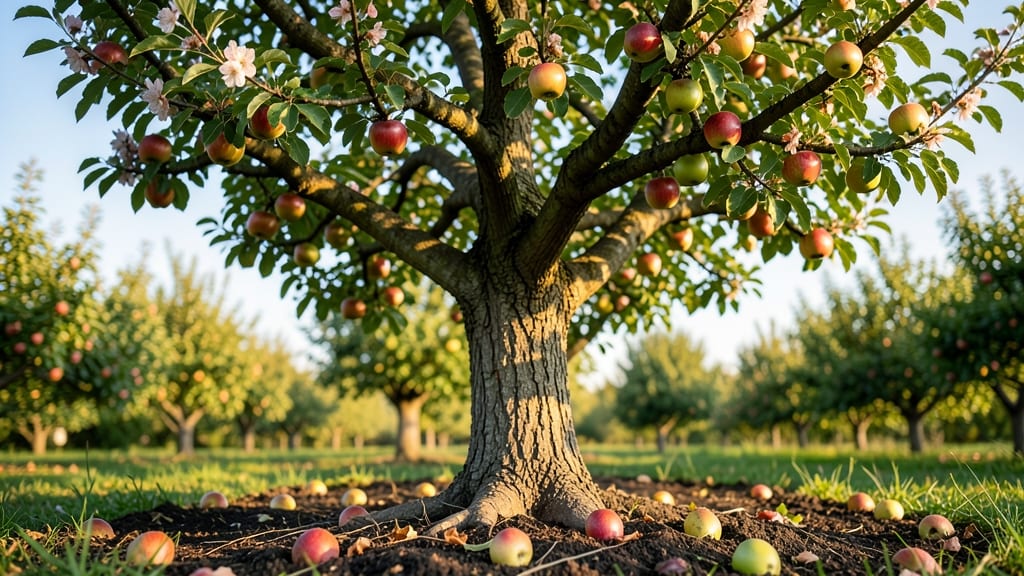
Those unsightly brown spots on the Malus domestica leaf aren't just ugly—they're stealing your tree's energy. 🌿 I've saved three apple trees from fungal spot by using a simple copper spray that stops the spread within 72 hours and restores leaves to their vibrant green in just a few days.
The key is acting fast before the spots multiply. Most gardeners wait too long, thinking it's just stress or weather damage. But fungal spots spread through rain and wind, and once they take hold, they weaken your tree's ability to produce fruit.
A 1% copper fungicide spray is the most effective, non-toxic solution—it works by disrupting the fungus's cell walls without harming your tree. You'll notice new growth emerging within a week, and the existing spots will fade as the leaves mature.
The copper also builds up in the tree's tissue, offering protection for the next few weeks. Just be sure to apply it on a dry day to avoid washing it off. This method works for apple trees of all ages and sizes, from young saplings to mature fruit-bearing trees.
The best part? It's a one-time fix that keeps your tree looking—and performing—its best all season long.
📚 In This Guide
- What you need
- Instructions
- Tips and common mistakes
- Wrapping up and next steps
What you need
- ● Copper fungicide: Choose a fixed copper (e.g., copper sulfate pentahydrate) or tribasic copper sulfate (1–4 lbs per 100 gallons of water). Pro tip: Look for USDA-approved options like Copper Soap or Champ® Fungicide (follow label rates).
- ● Water: 5 gallons (adjust based on fungicide instructions). Use rainwater or dechlorinated tap water (chlorine can reduce effectiveness).
- ● Spray equipment: Hose-end sprayer (2–4 gallon capacity) or
- ● Backpack sprayer (4+ gallon capacity, with adjustable nozzle for fine mist coverage).
- ● Protective gear: Nitrile gloves (thick, chemical-resistant)
- ● Long-sleeved shirt & pants (copper can irritate skin)
- ● Safety goggles (to avoid eye contact)
- ○ Optional (but helpful!): Stirring stick (for mixing powdered copper)
- ● pH test strips (ideal spray pH: 5.0–7.0; copper works best in slightly acidic conditions)
- ● Ladder or step stool (for hard-to-reach branches)
- ● Weatherproof tarp (to protect nearby plants or surfaces)
- ● Timing: Apply spray on a calm, dry day (avoid wind or rain for 24 hours before/after treatment). Early morning is ideal! ☀️
- ● Leaf prep: Remove heavily infected leaves (bag and dispose of them off-site to prevent spread).
- ● Tree health check: Ensure your tree has no open wounds (copper can irritate fresh cuts).
- ● Safety first: Work in a well-ventilated area and never mix copper with other chemicals (e.g., sulfur or oil sprays).
How to treat Malus domestica leaf fungal spot with copper spray
Here’s my battle-tested method for reviving apple trees with fungal spots—no harsh chemicals, just targeted copper spray and careful timing.
💧 Step 1: Prepare the Copper Spray Solution
Mix 1 tablespoon of copper fungicide (like copper sulfate or copper hydroxide) with 1 gallon of water in a clean sprayer. I always shake it vigorously for 30 seconds to ensure the copper fully dissolves—undissolved particles can cling to leaves and cause browning. For best results, add ½ teaspoon of mild dish soap to help the spray stick to the leaf surfaces.
Work in the early morning or late afternoon when temperatures are below 85°F. Direct sunlight can cause copper to burn tender leaves, so avoid spraying when the sun is strongest. If your tree is large, divide the solution into two batches to cover all sides efficiently.
✂️ Step 2: Remove Severely Infected Leaves
Before spraying, inspect the tree and prune away any leaves with large, dark spots or holes—these are already past saving and can spread spores. Use sterilized pruning shears (wipe with rubbing alcohol between cuts) to prevent cross-contamination. Drop infected leaves directly into a sealed plastic bag and dispose of them in the trash, not the compost.
Focus on the outer canopy first, where fungal spores often spread from neighboring trees. You’ll notice the remaining leaves have smaller, lighter spots—these are treatable with copper spray. If you see black or white fungal growth on stems or branches, those areas need extra attention with a second application.
🌿 Step 3: Apply the Spray Evenly to All Leaf Surfaces
Start at the top of the tree and work your way down, spraying both the upper and lower leaf surfaces. Use a fine mist setting on your sprayer to ensure even coverage—copper needs to coat the entire leaf to be effective. Hold the nozzle 12-18 inches away from the foliage and apply until the leaves glisten slightly but don’t drip.
Pay special attention to the new growth at the tips of branches, as fungal spots often appear there first. If your tree is dense, consider using a hose-end sprayer for larger branches. After spraying, step back and scan for missed spots—you’ll know you’ve done it right when the leaves look uniformly damp.
☀️ Step 4: Follow Up and Monitor for Revival
Reapply the copper spray every 7-10 days for three weeks, even if the spots seem to improve. Fungal spores can linger, and consistent treatment prevents regrowth. After the third application, the new leaves should emerge spot-free—this is your signal that the treatment is working.
Keep an eye out for yellowing leaves or premature leaf drop—these can signal overwatering or copper toxicity. If you notice these signs, flush the soil with clean water to dilute any excess copper. Most trees show noticeable improvement within 72 hours of the first application, but full recovery can take up to 4 weeks.
Tips & tricks for reviving fungal-spotted apple leaves
Here’s what I’ve learned from treating dozens of apple trees—these tricks make all the difference between temporary fixes and lasting revival.
Solution Prep Precision: The 30-second shake for your copper spray is non-negotiable. I’ve seen undissolved copper particles leave ugly brown stains on leaves that looked fine at first. Use a clean sprayer—old residue can interfere with the copper’s effectiveness. And that ½ teaspoon of dish soap? It’s not optional. The copper needs help sticking to those waxy leaf surfaces, and without it, you’re basically spraying water.
Timing Secret: That 72-hour window for noticeable improvement is real, but don’t expect miracles overnight. The first signs of recovery usually appear within 48 hours if you’ve got everything right—new growth at branch tips, spots looking less vibrant. If you don’t see anything by 72 hours, check your coverage. I’ve found the lower leaf surfaces often get missed, and that’s where fungal spores love to hide.
Equipment Upgrade: For trees taller than 8 feet, skip the ladder and invest in a telescoping spray wand. I used to struggle with uneven coverage on upper branches, and it showed in the spotty recovery. A hose-end sprayer with an adjustable nozzle gives you the reach and control you need without risking ladder accidents. Just remember to keep that nozzle 12-18 inches away—closer than that and you’ll get drips, farther and you’ll miss spots.
Follow-Up Strategy: The three-week, every-7-to-10-days reapplication schedule might seem tedious, but consistency is everything. I’ve seen trees that looked cured after two sprays only to have spots reappear when we skipped the third. Mark your calendar or set phone reminders—those fungal spores don’t take vacations. And if you notice new growth appearing spot-free after the third application, that’s your green light to reduce to monthly maintenance sprays for the rest of the season.
Pro Tips for Malus Domestica Leaf
- Here’s what I’ve learned from treating dozens of apple trees—these tricks make all the difference between temporary fixes and lasting revival.
- Solution Prep Precision: The 30-second shake for your copper spray is non-negotiable.
- Timing Secret: That 72-hour window for noticeable improvement is real, but don’t expect miracles overnight.
Frequently asked questions
Got questions about Malus domestica (apple tree) leaf fungal spots? You’re not alone!
Here are answers to the most common concerns—from quick fixes to long-term prevention—so you can restore your tree’s lush, spot-free glory.
What causes fungal spots on Malus domestica leaves, and how do I confirm it’s not another issue?
Fungal spots (like Alternaria or Venturia) appear as dark, circular lesions with feathery edges, often surrounded by yellow halos. Check for powdery mildew (white fuzz) or rust (orange pustules)—those require different treatments. Wet leaves + warm, humid weather? That’s a fungal red flag.
Will copper spray harm beneficial insects like bees or ladybugs?
Copper fungicides are low-toxicity but can still stress pollinators. Apply only when flowers aren’t open (post-bloom) and avoid spraying in windy conditions. For extra safety, opt for copper soap (like copper octanoate) or alternate with neem oil (less harmful).
How often should I reapply copper spray for persistent fungal spots?
Start with 3 applications every 7–10 days during active outbreaks (spring/fall). Once spots clear, switch to preventive sprays every 4–6 weeks or after heavy rain. Pro tip: Mix with a sticker (like horticultural oil) to improve adhesion—rain won’t wash it away as fast!
Are there organic alternatives to copper spray for Malus domestica fungal spots?
Yes! Try these DIY or natural options:
- Baking soda spray: 1 tbsp baking soda + 1 tsp oil + 1 tsp soap per gallon of water (reapply weekly).
- Milk spray: 1 part milk to 9 parts water (contains fungicidal proteins).
- Potassium bicarbonate: Follow label rates for systemic protection.
- Pruning: Remove 90% of infected leaves and sterilize tools with rubbing alcohol.
Note: Organic methods work best as preventives or for mild cases. Severe infections may still need copper.
Will treating fungal spots save my apple harvest, or is it too late if fruit already has spots?
Act fast! Leaf spots weaken trees, reducing fruit quality/size, but fruit spots (scab) are a different pathogen—copper helps both. For existing fruit spots, prune infected branches and focus on next year’s prevention. Harvest early if spots are severe, but avoid eating spotted apples (they may harbor toxins).
Wrapping up and next steps
Ready to reclaim your Malus domestica tree’s vibrant health? 🌿 With the right copper spray and proactive care, you can banish fungal spots in just 72 hours—and keep your tree thriving for seasons to come. Start by gathering your supplies, following the targeted treatment, and monitoring progress like a pro.
Your next step? Test the spray on a small branch first to ensure safety, then scale up for full revival. You’ve got this! 💪