
Pruning
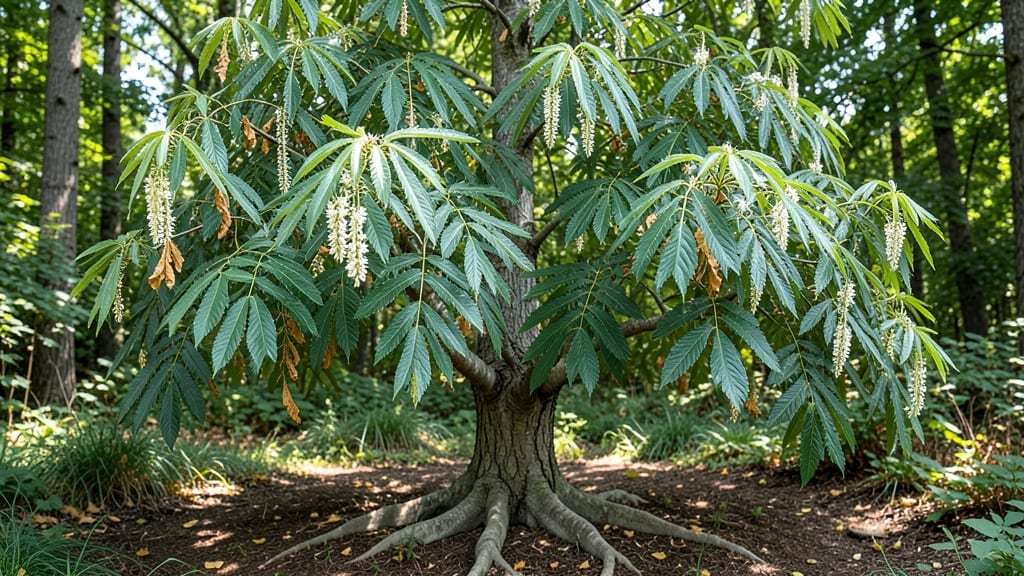
Mountain ash tree leaf identification could save your tree from fungal spread. 🌿 These leaves are oval-shaped with fine serrations, turning brilliant red in fall—a dead giveaway. But when disease strikes, the edges darken or develop spots, and that’s when quick action matters most.
Compare them to rowan (similar but with shorter, broader leaves) or hawthorn (spines on stems). Mountain ash leaves grow in pairs along the branch, while rowan’s cluster at the end. A quick visual check now prevents costly pruning mistakes later.
Start with the leaf margins—healthy edges stay smooth, while fungal issues show as blackened or fuzzy spots. Flip the leaf: undersides should be pale green, not speckled. This simple habit catches problems before they reach the branches.
Why bother? Mountain ash trees are prized for their berries and fall color, but fungal infections weaken them fast. Early identification means targeted pruning and treatments—cutting off infected branches before the whole tree suffers.
Understanding Leaf Trouble Causes
Mountain ash trees (Sorbus spp.) are stunning when healthy, but their leaves can develop concerning spots, discoloration, or deformities due to a mix of environmental and biological factors. Below, we break down the real culprits behind these issues—so you can address them before they escalate.
Fungi thrive in damp, humid conditions, making mountain ash trees prime targets for diseases like powdery mildew, leaf spot, and anthracnose. These pathogens latch onto leaves, blocking nutrient flow and causing unsightly (and often harmful) symptoms.
- Powdery Mildew 🌫️ - Why it happens: This fungus spreads when leaves stay wet for long periods (e.g., morning dew, overhead watering, or poor air circulation).
It forms a white, powdery coating, stunting growth and yellowing leaves. - Actionable fix: Space trees properly (6–10 ft apart) to improve airflow.
Apply neem oil or baking soda spray (1 tbsp baking soda + 1 gallon water + a drop of dish soap) every 7–10 days during humid spells.
- Leaf Spot Diseases 🎯 - Why it happens: Fungi like Marssonina or Alternaria enter leaves through tiny wounds (e.g., from hail, pests, or rough pruning).
Dark spots with yellow halos appear, often with black fruiting bodies (fungal "seeds") in the center. - Actionable fix: Clean up fallen leaves in autumn (bag and compost them away from the tree). Prune for airflow, and spray copper fungicide at the first sign of spots.
- Anthracnose 💀 - Why it happens: This aggressive fungus thrives in cool, wet springs (60–75°F with high humidity). It causes dark, sunken lesions on leaves, often with a "target-like" pattern. - Actionable fix: Avoid overhead irrigation.
Apply fungicidal soap (potassium salt of fatty acids) in early spring before symptoms appear.
Insects like mites, aphids, and sawflies feed on leaf sap, weakening the tree and leaving behind telltale signs—speckling, curling, or sticky residue (honeydew).
- Spider Mites 🕷️ - Why it happens: These microscopic pests thrive in dry, hot conditions (especially during drought). They suck cell contents, causing stippling (tiny white/yellow dots) and webbing on undersides. - Actionable fix: Mist leaves daily during heatwaves to deter mites.
Use horticultural oil (apply at dusk to avoid burning leaves).
- Aphids 🐜 - Why it happens: These soft-bodied insects cluster on new growth, injecting toxins that cause yellowing, curling, and stunted leaves. They’re also vectors for viral diseases. - Actionable fix: Blast them off with a strong stream of water.
Introduce ladybugs (natural predators) or spray insecticidal soap.
- Sawfly Larvae 🪓 - Why it happens: These caterpillar-like larvae skeletonize leaves (eat tissue between veins), leaving a "lace" effect. They’re most active in late spring to summer. - Actionable fix: Handpick larvae and drop them in soapy water.
Use Bt (Bacillus thuringiensis) spray—a bacterial treatment safe for beneficial insects.
Leaves may also show distress due to nutrient deficiencies, extreme weather, or improper care—none of which are fungal or pest-related.
- Nutrient Deficiencies** 🌱 - Why it happens: Mountain ash trees need iron, zinc, and magnesium for chlorophyll production.
Poor soil (especially in alkaline conditions) locks out these nutrients, causing: - Yellowing between veins (iron/chlorosis). - Purple or red leaf undersides (phosphorus deficiency). - Interveinal browning (magnesium deficiency). - Actionable fix: Test soil pH (ideal: 5.0–6.5). Amend with chelated iron or Epsom salt (for magnesium).
Top-dress with compost annually.
- Temperature & Sunburn ☀️❄️ - Why it happens: Sudden heatwaves or late frosts can scorch leaves, causing crispy edges or bleached patches. Young trees are especially vulnerable. - Actionable fix: Acclimate trees gradually to temperature changes.
Use shade cloth for young transplants in hot climates. Mulch heavily in winter to protect roots.
- Water Issues 💧🌊 - Why it happens: Overwatering leads to root rot and fungal growth, while drought stress causes leaves to wilt, turn brown, or drop prematurely. - Actionable fix: - Overwatering: Ensure soil drains well (amend with sand or perlite).
Water deeply but only when the top 2 inches of soil are dry. - Underwatering: Mulch with wood chips (3–4 inches deep) to retain moisture. Water slowly at the base (not overhead).
Sometimes, the problem isn’t the tree—it’s how we care for it.
Common blunders include: - Over-pruning: Removing too many leaves reduces the tree’s ability to photosynthesize, leading to weakened growth and stress-related spots. - Using contaminated tools: Pruners or saws carrying fungal spores can infect fresh cuts. - Planting in the wrong spot: Shady, low-lying areas trap moisture, promoting fungal growth.
Fix it: Prune only in late winter/early spring (avoid summer). Sterilize tools with rubbing alcohol between cuts. Choose a sunny, well-drained location with airflow.
Quick Fixes for Mountain Ash Leaf Troubles
When your mountain ash tree’s leaves start showing signs of stress—whether it’s discoloration, spots, or unexpected wilting—acting fast can make all the difference. Below, we’ve mapped out practical, step-by-step solutions tailored to common leaf issues, along with prevention tips to keep your tree thriving. No green thumb required—just follow along!
Cause: Fungal infections (like anthracnose or leaf spot) thrive in damp, shaded conditions. Fix:
- 🧹 Remove Infected Leaves
- Wear gloves and collect all spotted or discolored leaves into a sealed bag. Do not compost them—fungi can survive and reinfect.
- Prune back small branches with severe damage using sterilized shears (wipe with rubbing alcohol between cuts).
- 💦 Adjust Watering Habits
- Water early in the morning (avoid evening dampness).
- Improve drainage by adding 2–3 inches of mulch around the base (keep mulch 6 inches away from the trunk).
- 🌿 Fungicide Application (If Needed)
- For persistent issues, use a copper-based fungicide (like Bordeaux mixture) or a neem oil spray (follow label rates).
- Apply when leaves are dry and repeat every 7–10 days until new growth appears.
💡 Prevention Tip:
- Space trees properly (15–20 feet apart) to improve airflow.
- Rake up fallen leaves in autumn to reduce fungal overwintering.
Cause: Nutrient deficiencies (iron, nitrogen, or magnesium) or over/under-watering. Fix:
- 🌱 Test Your Soil
- Grab a soil sample from 4–6 inches deep and send it to a local extension office for a pH test (ideal: 6.0–7.0 for mountain ash).
- If pH is too high (alkaline), amend with sulfur or peat moss.
- 🍽️ Feed the Right Way
- For yellowing between veins (iron deficiency): Apply chelated iron or iron sulfate in early spring.
- For overall pale leaves (nitrogen deficiency): Use a balanced 10-10-10 fertilizer in spring and fall.
- For brown edges (magnesium deficiency): Sprinkle Epsom salt (1 tbsp per gallon of water) monthly until leaves recover.
- 💧 Rebalance Watering
- Wilting leaves? Water deeply 1–2 times per week (check soil moisture 2 inches down).
- Yellow, mushy leaves? Cut back on watering—mountain ash prefers well-draining soil.
💡 Prevention Tip:
- Mulch annually with wood chips or pine straw to retain moisture and nutrients.
- Avoid heavy-handed fertilizing—too much can burn roots.
Cause: Aphids, spider mites, or Japanese beetles feast on mountain ash foliage. Fix:
- 🔍 Identify the Culprit
- Sticky leaves? Aphids (use a strong spray of soapy water).
- Fine webbing? Spider mites (blast off with water; apply neem oil).
- Skeletonized leaves? Japanese beetles (handpick into soapy water or use milky spore for long-term control).
- 🛡️ Natural Repellents
- Garlic or chili pepper spray (1 tsp per quart of water) deters chewing insects.
- Beneficial nematodes (for grubs) or ladybugs (for aphids) can be introduced.
- 🌿 Prune Strategically
- Remove heavily infested branches and dispose of them in the trash (not compost).
- Thin the canopy to improve sunlight and airflow, making leaves less appealing to pests.
💡 Prevention Tip:
- Install fine mesh netting over young trees if Japanese beetles are a local problem.
- Encourage predator plants like dill or yarrow nearby to attract beneficial insects.
Cause: Windburn, drought, or extreme heat can scorch leaves. Fix:
- 🌳 Provide Windbreaks
- Plant evergreens or shrubs on the windward side to shield the tree.
- Stake young trees if they’re top-heavy in storms.
- 💦 Deep Watering in Drought
- Water slowly at the base (1–2 inches per week) rather than frequent light sprinkles.
- Mulch heavily (4–6 inches) to lock in moisture.
- 🌡️ Shade & Heat Management
- Avoid pruning in peak summer—wait for cooler months.
- Mist leaves on extremely hot days (or use a light shade cloth for young trees).
💡 Prevention Tip:
- Choose the right location—mountain ash prefers partial shade in hot climates.
- Group trees with similar water needs to simplify care.
Final Pro Tip: 🎯 Monitor your tree weekly—catching issues early (like a few brown spots) is far easier than reviving a stressed-out canopy. With these fixes, your mountain ash will bounce back with vibrant, healthy leaves in no time!
Frequently asked questions
How can I tell if my mountain ash leaves are healthy?
Healthy mountain ash leaves are oval-shaped with finely serrated edges, growing in pairs along the branch. The topside should be a rich green, while the underside is pale green. Look for smooth margins—any dark spots, fuzzy patches, or curling signals trouble. Check the leaf veins too; healthy leaves have no discoloration between them.
Why do mountain ash leaves turn red in fall?
This brilliant color change happens due to anthocyanin pigments produced when chlorophyll breaks down. Mountain ash trees store extra sugars in their leaves during summer, which triggers this stunning red display as days shorten. It’s a natural process—no cause for concern unless leaves also show black spots or wilting.
How do I distinguish mountain ash from rowan or hawthorn?
Mountain ash leaves are longer and narrower than rowan’s (which are shorter and broader) and lack the thorns found on hawthorn branches. Also check the berries: mountain ash has red or orange clusters, while rowan’s are bright red and single. Leaf arrangement matters too—mountain ash leaves grow in pairs along branches.
What do black spots on mountain ash leaves mean?
Those spots are usually fungal infections like anthracnose or leaf spot. Fungi thrive in damp conditions, so check for high humidity or poor airflow around your tree. Remove infected leaves immediately and improve drainage. For prevention, water in the morning and avoid overhead sprinkling—this keeps leaves dry longer.
Can I use the same identification tips for mountain ash seedlings?
Yes! Seedlings keep the same key features: paired leaves with fine serrations and a similar oval shape. Just watch for smaller size and more delicate stems. Young leaves may appear slightly lighter green until they mature. If you’re unsure, compare them to mature leaves from the same tree—seedlings will have the same basic structure.