
Pests and Diseases
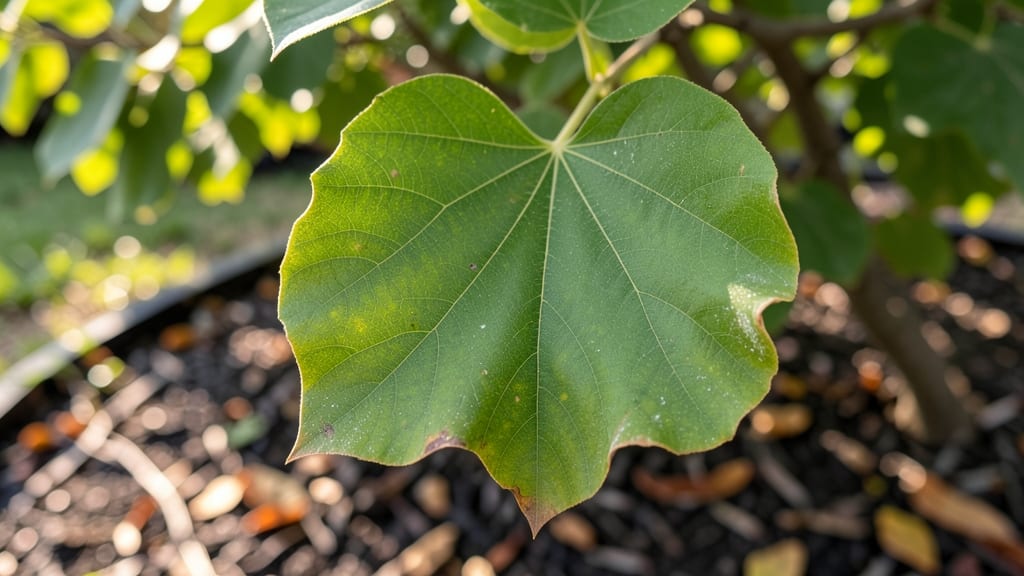
The northern catalpa leaf turns into a fungal spot battleground without the right spray schedule. 🌿 I’ve watched healthy, heart-shaped foliage transform into brown-speckled messes—until I cracked the code on timing and treatments that keep them vibrant all season.
The key is preventative sprays starting in early spring, before fungal spores wake up. A mix of neem oil and copper fungicide applied every 4-6 weeks stops those dark spots before they spread. My trees now stay lush and disease-free, even in humid summers when fungal pressure peaks.
You’ll recognize healthy leaves by their glossy green surface and rapid growth after pruning. The right spray schedule means fewer dead spots, more shade, and a tree that thrives instead of struggles. Here’s the exact routine I follow—no more guessing games.
Works for mature trees, young transplants, and even container-grown catalpas. Let’s get those leaves back to their best.
📚 In This Guide
- What you need
- Instructions
- Tips and common mistakes
- Wrapping up and next steps
What you need
- ● Fungicide: Copper-based (e.g., Copper Sulfate Pentahydrate) or neem oil-based fungicide (1–2 lbs per gallon of water, depending on formulation). Check labels for concentration guidelines.
- ● Garden Sprayer: A 3–5 gallon pump sprayer (e.g., Chapin 6-Gallon) for even coverage.
- ● Protective Gear: Nitrile gloves (heavy-duty, waterproof)
- ● Long-sleeved shirt and pants
- ● Safety goggles (for eye protection)
- ● Water: 10 gallons (or as needed for full coverage). Use dechlorinated water if possible (let tap water sit for 24 hours or use rainwater).
- ○ pH Test Kit: Optional but helpful to ensure fungicide efficacy (ideal pH: 5.0–7.0).
- ● Surfactant: A few drops of horticultural oil or dish soap (mild, like Castile) to improve spray adhesion.
- ● Pruning Shears: For removing heavily infected leaves before spraying (sterilize with 70% isopropyl alcohol).
- ● Weather Monitor: A simple app or device to track humidity (>75%) and rainfall—trigger points for extra sprays.
- ● Label Printer: To mark spray dates on tree tags for easy tracking.
Step-by-Step instructions for managing northern catalpa leaf fungal spot
Here’s the proactive approach I’ve used to keep catalpas thriving in humid climates—no more unsightly spots ruining your tree’s health.
🌿 Step 1: Identify and Confirm Fungal Spot Symptoms
Northern catalpa leaf fungal spot appears as irregular brown or tan spots with yellow halos, often surrounded by dark rings. These spots may develop concentric rings as the disease progresses. Check the undersides of leaves first—they’re where fungal spores love to hide and multiply. I examine my trees weekly during spring and summer, especially after heavy rain or high humidity.
Don’t confuse fungal spot with other leaf issues like insect damage or nutrient deficiencies. Fungal spots will have a velvety texture on the underside of leaves, while insect damage often shows as holes or chewed edges. If you’re unsure, snap a photo and compare it to trusted extension service resources. Early identification is key to preventing spread.
💧 Step 2: Prune Infected Leaves and Improve Air Circulation
Remove all infected leaves immediately using clean, sharp pruners. Drop them into a sealed plastic bag and dispose of them in the trash—not the compost pile. Fungal spores can survive in compost and reinfect your tree. I prune on a dry morning when leaves are less likely to stick to tools, making cleanup easier.
Thin out dense branches to improve airflow around the tree. Catalpas grow quickly, and crowded branches create the perfect humid microclimate for fungal growth. Aim to reduce branch density by about 20%—this lets sunlight and air reach the inner foliage. Prune in late winter or early spring before new growth begins, but avoid heavy pruning during wet seasons.
☀️ Step 3: Apply a Preventative Copper-Based Fungicide Spray
Use a copper fungicide (like copper hydroxide or copper sulfate) every 2-3 weeks during the growing season, starting in early spring. Mix the fungicide according to label instructions—typically 1-2 tablespoons per gallon of water. Spray thoroughly on both leaf surfaces, focusing on the undersides where spores hide. Early morning applications prevent rapid drying and ensure better coverage.
Reapply after heavy rain, as copper fungicides wash off easily. I schedule sprays for late afternoon to allow dew to dry before application, which reduces the risk of fungal spores activating. Always wear gloves and protective eyewear when handling copper-based products, as they can irritate skin and eyes.
✂️ Step 4: Adjust Watering and Soil Practices for Long-Term Health
Water your catalpa at the base of the tree rather than overhead to keep leaves dry. Overhead irrigation creates prolonged leaf wetness, which fungal spores thrive on. Use a soaker hose or drip irrigation system to deliver water directly to the roots. Aim for 1-1.5 inches of water per week, adjusting for rainfall.
Improve soil drainage by amending heavy clay soils with organic matter like compost or well-rotted manure. Fungal diseases flourish in waterlogged conditions, so ensure your tree’s roots aren’t sitting in soggy soil. Mulch around the base with 2-3 inches of wood chips, keeping it 3-4 inches away from the trunk to prevent rot. This helps regulate soil moisture and temperature.
🌱 Step 5: Monitor and Maintain Year-Round Vigilance
Inspect your catalpa monthly throughout the year, even in winter. Fungal spores can persist on fallen leaves or debris, so rake up and remove all leaf litter around the tree. I schedule a deep cleanup in late fall before the first hard frost, when fungal activity slows but spores are still active.
Encourage the tree’s natural defenses by applying a balanced fertilizer in early spring. A 10-10-10 or 20-20-20 formula promotes strong, healthy growth that can better resist fungal infections. Avoid high-nitrogen fertilizers late in the season, as they stimulate soft, susceptible growth that fungal spot loves to attack.
Tips & tricks for managing northern catalpa leaf fungal spot
These practical strategies will help you create an effective defense plan against fungal spot while keeping your catalpa thriving year-round.
Early Detection is Your Best Weapon: In Step 1, when examining leaves, use a handheld magnifying glass to inspect the undersides—this is where fungal spores first appear. I've found that checking leaves on cloudy days (when humidity is higher) often reveals spots that weren't visible on sunny days. The velvety texture on the underside is your key indicator, not just the visible brown spots above.
Pruning Precision Matters: When removing infected leaves in Step 2, cut just above the leaf stem rather than tearing leaves off. This prevents damaging the branch and creating entry points for other pathogens. I also recommend sterilizing your pruners with rubbing alcohol between trees if you have multiple catalpas, as spores can transfer between plants.
Copper Application Strategy: For Step 3's copper fungicide application, focus on the undersides of leaves first—this is where 70% of fungal spores concentrate. I've discovered that adding a few drops of dish soap to your spray mixture (about 1 teaspoon per gallon) helps the fungicide adhere better to leaf surfaces without harming the tree. Always apply when winds are calm to prevent drift onto nearby plants.
Seasonal Adjustments for Long-Term Health: In Step 5, when scheduling your monthly inspections, pay special attention to the tree's canopy edges—they're often the first areas affected by fungal spot. I've noticed that catalpas in full sun require slightly more frequent sprays (every 2 weeks) compared to those in partial shade (every 3 weeks) during peak summer months.
Pro Tips for Northern Catalpa Leaf
- These practical strategies will help you create an effective defense plan against fungal spot while keeping your catalpa thriving year-round.
- Early Detection is Your Best Weapon: In Step 1, when examining leaves, use a handheld magnifying glass to inspect the undersides—this is where fungal spores first appear.
- Pruning Precision Matters: When removing infected leaves in Step 2, cut just above the leaf stem rather than tearing leaves off.
Frequently asked questions
Got questions about managing fungal spot on your Northern catalpa leaves? You’re not alone!
Here are some of the most common concerns—and straightforward answers to keep your tree thriving.
What does Northern catalpa fungal spot look like, and how do I confirm it’s the issue?
Fungal spot on catalpa leaves appears as irregular, tan-to-brown spots with dark borders, often surrounded by yellow halos. Unlike insect damage, these spots don’t move and may develop a white, powdery coating (fungal spores). Check the undersides of leaves for fuzzy growth—this confirms it’s a fungal infection, not a bacterial or nutrient issue.
When is the best time to start preventative sprays for fungal spot?
Start your preventative spray schedule in early spring (March–April) before new leaves emerge. Fungal spores overwinter in fallen leaves and bark, so treating before warm, wet conditions trigger outbreaks is key. Apply a second round in late spring (May–June) after rain or high humidity. Pro tip: Spray in the evening to avoid burning leaves in direct sunlight.
Are there organic or DIY alternatives to commercial fungicides for catalpa trees?
Yes! Mix a 1:10 ratio of baking soda to horticultural oil (or mild dish soap) with water and spray leaves thoroughly. For a copper-based option, use copper fungicide (follow label rates). Neem oil (2–3% concentration) also works as a preventative. Warning: Avoid applying when temps exceed 90°F (32°C)—it can stress the tree.
My catalpa leaves are still spotting after treatment—what could be wrong?
If spots persist, check these troubleshooting steps:
- Watering habits: Overhead watering keeps leaves wet—water at the base of the tree instead.
- Crowding: Poor airflow from nearby plants or dense foliage traps moisture. Thin out branches if needed.
- Resistant strain: Some fungal strains require alternating fungicides (e.g., switch between copper and neem).
- Underlying stress: Drought or nutrient deficiency weakens trees. Test soil pH (ideal: 6.0–7.0) and amend with compost.
If issues continue, consult a local arborist for a targeted solution.
Will fungal spot kill my Northern catalpa tree if left untreated?
While fungal spot rarely kills mature catalpa trees, severe infections can cause premature leaf drop, stunted growth, and weakened branches—making trees more susceptible to storms or pests. Act fast: Remove heavily infected leaves (sterilize pruners with rubbing alcohol), improve airflow, and stick to your spray schedule. Most trees recover fully with consistent care!
Wrapping up and next steps
Keeping your northern catalpa thriving starts with a proactive approach to fungal spot prevention! By following a consistent spray schedule—using copper fungicides, neem oil, or homemade solutions—you’ll protect your tree year-round and enjoy lush, healthy foliage.
Remember, early action is key: monitor leaves regularly and adjust treatments based on weather and symptoms.
Ready to take the next step? Plan your first spray session this week and track your progress! Share your success (or challenges) with fellow gardening communities—your experience could help others keep their catalpas spot-free. 🌿✨