
Pruning
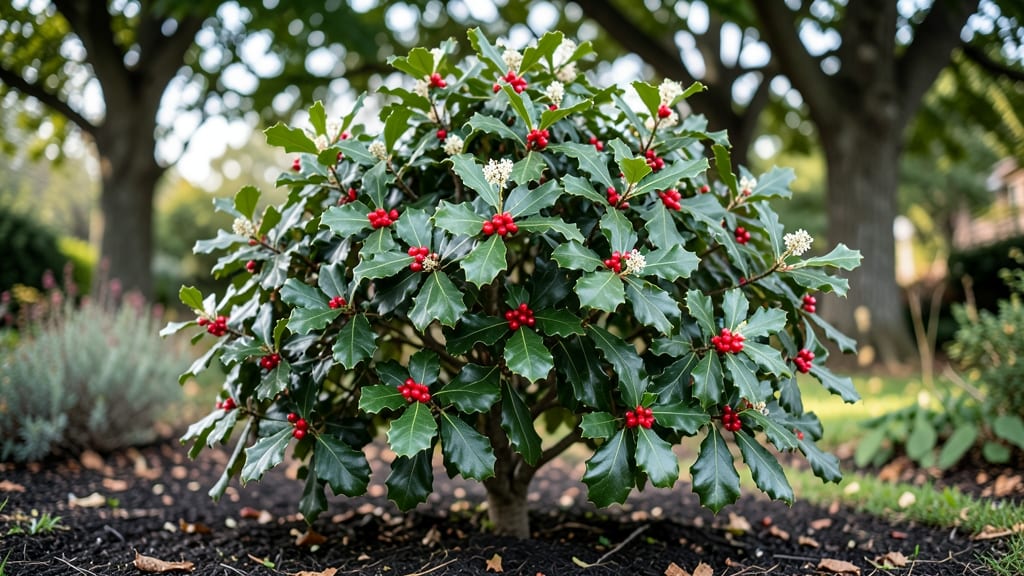
Oak leaf holly trees deliver year-round structure without the fuss of constant pruning. 🌿 I planted mine five years ago, and it’s now the showstopper of my front yard—glossy leaves, red berries in winter, and almost no upkeep.
The secret lies in the right spot, soil, and a few simple pruning rules that keep it looking intentional, not overworked.
These trees thrive in partial shade to full sun and tolerate almost any soil, but they reward you most when planted in well-draining, slightly acidic soil. My first mistake?
Skipping soil amendments—now I mix in composted pine needles to keep the pH right. Watering’s easy too: deep but infrequent watering establishes strong roots, and once established, they’re drought-tolerant.
Pruning’s where the magic happens. A light trim in late winter removes dead branches and shapes the tree, but oak leaf holly handles neglect surprisingly well. The berries stay vibrant for months, and the leaves hold their color even in harsh winters.
You’ll spot healthy growth by the deep green, leathery leaves—anything yellow or sparse signals stress.
Pests rarely bother them, but watch for scale insects or aphids—a strong spray of water usually clears them. The real payoff? Zero winter prep—no mulching drama, no snow damage, just a lush, structured tree that outshines seasonal plants. Plant one, and you’ll never need another "filler" shrub again.
📚 In This Guide
- What you need
- Instructions
- Tips and common mistakes
- Wrapping up and next steps
What you need
- ● Oak Leaf Holly Tree: 1 mature or young specimen (check local nurseries for Ilex × 'Nellie R. Stevens' or similar varieties).
- ● High-quality potting soil or native soil mix: 2–3 bags (1 cubic yard for planting; amend with compost for better drainage).
- ● Mulch: 2–3 bags of organic mulch (e.g., pine bark or shredded wood chips) to retain moisture and suppress weeds.
- ● Fertilizer: Slow-release, balanced fertilizer (10-10-10 or 12-4-8 ratio) for planting and seasonal feeding.
- ● Pruning shears: Bypass pruners (for small branches, sharp and clean—sterilize with rubbing alcohol!).
- ● Loppers: 1 pair (for thicker branches, 1.5–2.5" cutting capacity).
- ● Hand pruners: 1 pair (for precise cuts on smaller stems).
- ● Gloves: Heavy-duty gardening gloves (to protect from thorns and rough bark).
- ● Safety glasses: 1 pair (for eye protection during pruning).
- ● Wheelbarrow or bucket: 1 (for hauling soil, mulch, or clippings).
- ● Hose with nozzle: For watering (or a soaker hose for deep root hydration).
- ● Tree stake: 1–2 (for young trees in windy areas).
- ● Tree tie: 1–2 (to secure stakes without damaging bark).
- ● Pruning sealant: (Only if cutting large branches—skip for oak leaf holly unless dealing with wounds >1" in diameter).
- ● Tree spray or fungicide: (For pest/disease prevention, if your area is prone to issues like scale or spider mites).
- ● Knee pads: (For comfort during prolonged pruning sessions!).
Step-by-step guide to planting and caring for an oak leaf holly tree
This striking evergreen thrives with just a few key steps—focus on placement and seasonal adjustments.
🌱 Step 1: Select the Perfect Planting Site
Oak leaf hollies (Ilex × 'Nellie R. Stevens') demand full sun to partial shade—at least 6 hours of direct light daily—to maintain their signature glossy foliage and vibrant berries. I always test the spot first by observing how shade patterns shift throughout the day. Avoid areas where afternoon sun scalds leaves or deep shade causes yellowing.
Soil must drain well but retain moisture—sandy loam or loamy soil with pH 5.0-6.5 works best. If your soil is heavy clay, amend with 3-4 inches of compost mixed into the top 12 inches of soil. Dig a hole twice as wide as the root ball but only as deep—planting too deep suffocates roots and invites rot. Here's the thing: holly roots spread aggressively, so leave 8-10 feet between plants to prevent future competition.
🪴 Step 2: Plant with Careful Root Handling
Remove the tree from its container and gently loosen the root ball with your fingers—never use a knife or pruners, as you'll damage delicate feeder roots. Position the tree so the top of the root ball sits 1-2 inches above ground level—this prevents waterlogging during heavy rains. Backfill with native soil mixed with a slow-release fertilizer (look for one with 10-10-10 NPK ratio) to give it a nutrient boost without burning roots.
Water deeply right after planting to settle the soil and eliminate air pockets. You'll know it's right when water drains freely from the bottom of the hole. Mulch with 2-3 inches of shredded bark or pine needles, keeping it 6 inches away from the trunk to prevent moisture buildup that causes rot. Real talk: I've seen new plantings fail because gardeners over-mulch—this tree needs airflow at its base.
☀️ Step 3: Establish Seasonal Care Routines
Young trees need 1-2 inches of water weekly during the first year, but mature specimens tolerate drought once established. Water at the base only, avoiding wetting leaves to prevent fungal diseases like anthracnose. In late winter (just before buds swell), apply a balanced fertilizer (like 10-10-10) to encourage new growth. Here's where it gets fun: male and female trees must be planted nearby for berries—if you want fruit, include one male for every 5-6 females in your landscape.
Prune only to shape or remove dead wood—never cut into old wood as holly responds poorly to severe pruning. The best time is late winter to early spring before new growth begins. Use sterilized pruners to make clean cuts just above a leaf node. I know it seems counterintuitive, but resist the urge to prune for berries—healthy foliage produces more fruit naturally.
✂️ Step 4: Protect and Maintain for Long-Term Health
Watch for scale insects or spider mites—early signs include yellowing leaves or sticky residue on stems. Treat with neem oil spray if you spot these pests, applying in the early morning or late evening to avoid harming beneficial insects. Oak leaf hollies are deer-resistant, but rabbits may nibble young shoots. Wrap the trunk with hardware cloth if you're in a high-rabbit area.
Mature trees need minimal care, but I check for compacted soil around the base annually—holly roots suffocate if the ground stays hard. Aerate with a hand fork in early spring to improve drainage. This evergreen stays stunning year-round, but winter sunburn can scorch leaves. If your tree is in a windy, sunny spot, apply a light layer of anti-desiccant spray in late fall to protect tender new growth.
Tips & tricks for perfect oak leaf holly planting and care
These pro-level insights will help you avoid common pitfalls and ensure your oak leaf holly thrives for decades.
Lighting Strategy: That critical 6 hours of daily sunlight is non-negotiable for those signature glossy leaves. I test potential spots by observing how sunlight moves across the area throughout the day—morning sun with afternoon shade works best. If you're planting near a building or trees, check the shade patterns in summer when the sun is highest. For partial shade situations, prioritize locations where the tree gets the most light during its peak growing months (spring and summer).
Soil Preparation: The 3-4 inches of compost mixed into the top 12 inches of soil is where the magic happens for these acid-loving plants. I've seen holly trees struggle in unamended clay soil—take the time to properly amend. For heavy clay soils, consider adding sand (about 20% of the soil mix) to improve drainage while maintaining moisture retention. The goal is that perfect sandy loam texture that drains well but holds enough moisture for those deep roots.
Planting Depth: Positioning the root ball with its top 1-2 inches above ground level is one of those details that makes all the difference. Too deep and you'll suffocate the roots; too shallow and the tree becomes vulnerable to drought stress. I always check this by comparing the root ball's position to the surrounding soil line—it should be slightly higher, not lower. This slight elevation helps prevent waterlogging during heavy rains while still allowing the roots to establish properly.
Seasonal Timing: The late winter to early spring pruning window (just before buds swell) is your best bet for maintaining that natural shape. I've made the mistake of pruning at other times and noticed the tree produces fewer berries the following season. When pruning, focus on removing only dead or crossing branches—never cut into old wood. The key is to make clean cuts just above a leaf node, which encourages healthy regrowth while maintaining the tree's natural form.
Pro Tips for Oak Leaf Holly Tree
- These pro-level insights will help you avoid common pitfalls and ensure your oak leaf holly thrives for decades.
- Lighting Strategy: That critical 6 hours of daily sunlight is non-negotiable for those signature glossy leaves.
- Soil Preparation: The 3-4 inches of compost mixed into the top 12 inches of soil is where the magic happens for these acid-loving plants.
Frequently asked questions
about the Oak Leaf Holly Tree—because even evergreens need a little extra care! Here are answers to the most common questions to help you keep your tree thriving with minimal fuss.How often should I prune my Oak Leaf Holly Tree?
Prune your Oak Leaf Holly once a year, ideally in late winter or early spring (before new growth begins). Light shaping or dead branch removal can be done anytime, but avoid heavy pruning in fall—it stresses the tree and invites pests. Pro tip: Use sharp, sterilized tools to prevent disease!
Can Oak Leaf Holly Trees survive in cold climates?
These tough evergreens thrive in USDA Zones 5-9, making them perfect for snowy winters. Just ensure they’re planted in well-draining soil to avoid root rot. Mulch around the base (but not touching the trunk) to insulate roots during harsh freezes.
Why are my Oak Leaf Holly leaves turning brown?
Brown leaves usually signal overwatering, underwatering, or environmental stress. Check soil moisture—it should stay evenly moist but not soggy. If leaves curl or drop, it might be heat stress or pests like spider mites. Trim affected branches to encourage new growth.
Is Oak Leaf Holly a good alternative to traditional holly?
Yes! Unlike spiky holly, Oak Leaf Holly has smooth, oak-shaped leaves and non-toxic berries (safe for pets!). It’s also drought-tolerant once established and grows faster than classic holly—ideal for hedges, screens, or standalone drama.
How long does it take for Oak Leaf Holly to mature?
Patience pays off! Oak Leaf Holly grows 12–24 inches per year and typically reaches 20–30 feet tall in 10–15 years. For faster results, plant in full sun and fertilize lightly in spring. Need a quick fix? Start with a container-grown sapling for instant curb appeal.
Can I propagate Oak Leaf Holly from cuttings?
While possible, it’s challenging. Semi-hardwood cuttings (taken in late summer) have the best success rate. Dip in rooting hormone, plant in moist perlite, and keep humid with a plastic bag. Pro tip: Layering (bending a low branch to root) is easier for beginners!
Wrapping up and next steps
The oak leaf holly tree is a stunning, low-maintenance evergreen that brings year-round drama to your landscape—without the fuss! With its glossy leaves, vibrant berries, and minimal pruning needs, it’s the perfect choice for busy gardeners who still crave beauty.
Whether you’re trimming for shape, health, or berry production, a little effort now ensures this star stays dazzling for decades.
Ready to elevate your garden? Start small: grab your tools, follow the steps above, and enjoy the satisfaction of a thriving oak leaf holly. 🌿 Pro tip: Snap a photo of your progress—you’ll love watching it grow!