
Trees
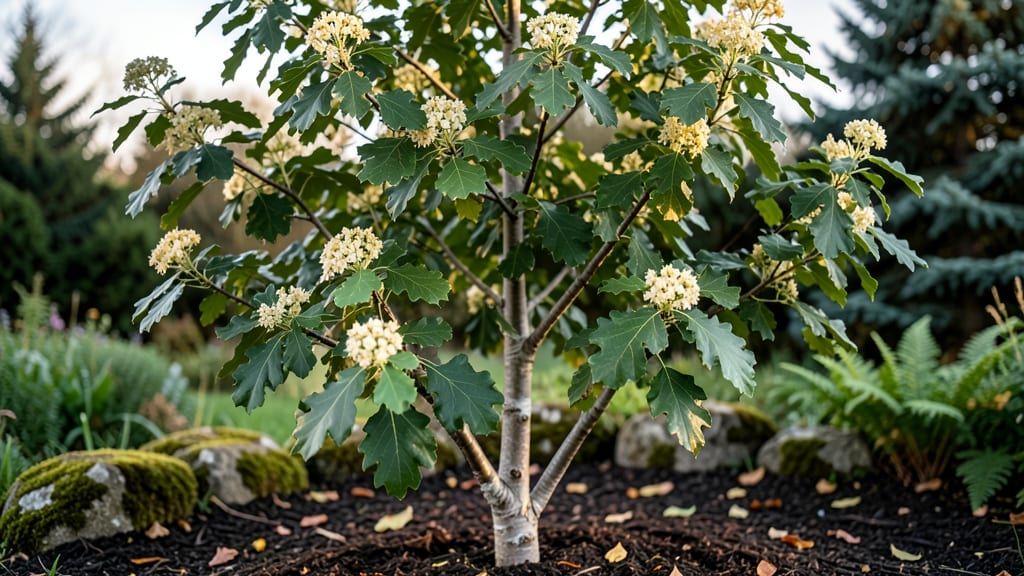
Planting oak leaf mountain ash transforms shady spots into year-round showstoppers. 🌿 This cold-hardy tree thrives where others struggle, offering lacy foliage, brilliant fall color, and clusters of red berries that birds adore. Unlike its more demanding cousins, it handles partial shade beautifully—ideal for understory plantings or tight urban yards.
The secret to success starts with well-draining soil and a patient approach. While young trees need consistent moisture, mature specimens become remarkably drought-tolerant once established. Their upright, vase-shaped growth habit (especially the fastigiate form) makes them perfect for narrow spaces or as striking focal points near patios.
By late summer, you'll be rewarded with glossy green leaves that turn fiery red in fall, followed by persistent berries that feed wildlife through winter. The tree's compact size (typically 20-30 feet tall) means it fits almost anywhere without overwhelming the landscape.
Whether you're planting a single specimen or creating a small grove, oak leaf mountain ash delivers four-season interest with minimal fuss. The key is choosing the right location—partial shade to full sun—and giving it time to establish strong roots before expecting peak performance.
📚 In This Guide
- What you need
- Instructions
- Tips and common mistakes
- Wrapping up and next steps
What you need
- ● Planting Stock: 1–3 oak leaf mountain ash plants (bare-root, container-grown, or seeds)
- ● If using seeds: 2–3 lbs of fresh berries (harvested in late fall/winter) or pre-stratified seeds
- ● Soil Amendments: 5–10 lbs well-draining compost or leaf mold (for acidic soil lovers!)
- ○ Optional: 1 lb sulfur (if soil pH is >6.0; test first!)
- ● Tools: 1 shovel or spade (for digging)
- ● 1 pruning shears (sterilized with rubbing alcohol)
- ● 1 garden hose or watering can with 1–2 gallons capacity
- ● 1 gloves (for handling thorny stems!)
- ● 1 mulch blanket (2–3 inches of pine bark or wood chips to retain moisture)
- ● 1 tree stake (if planting in windy areas)
- ● 1 soil pH test kit (to ensure acidic 5.0–6.0 range)
- ● 1 fertilizer (slow-release 10-10-10 or fish emulsion for young trees)
- ● 1 bird netting (to protect berries from early feasting!)
Step-by-Step instructions for planting and cultivating oak leaf mountain ash
This hardy shrub thrives with minimal fuss once you nail these key planting and care steps.
🌱 Step 1: Select and Prepare the Planting Site
Choose a location with partial to full shade—this species tolerates deep shade better than most mountain ashes. The soil should drain well but retain moisture; oak leaf mountain ash dislikes soggy roots. Test your spot by digging a 6-inch deep hole—if water pools after 30 minutes, amend with 2-3 inches of compost to improve drainage.
This shrub handles a range of soil types but prefers slightly acidic to neutral pH (6.0-7.0). If your soil is heavy clay, mix in 1 part sand or perlite to the existing soil before planting. Avoid disturbed or compacted areas; the roots need room to establish deeply for winter hardiness.
🪴 Step 2: Plant at the Correct Depth and Spacing
Dig a hole twice as wide as the root ball but only as deep—the top of the root ball should sit 1 inch above ground level after planting. This prevents crown rot, a common issue with mountain ash. Gently loosen the roots if they're circling tightly in the container, then place the plant in the hole.
Space plants 8-10 feet apart for mature size, allowing room for their upright, vase-shaped growth. Fill the hole with native soil, pressing lightly to eliminate air pockets but avoiding compaction. Water deeply to settle the soil around the roots—you'll know it's right when moisture reaches 4-6 inches deep and the surface looks slightly damp but not saturated.
☀️ Step 3: Establish Watering and Mulching Routine
Water 2-3 times weekly for the first 6-8 weeks to encourage root growth, keeping the soil evenly moist but not soggy. After establishment, reduce to once weekly unless you experience 2+ weeks of dry, hot weather. Oak leaf mountain ash is drought-tolerant once established, but young plants need consistent moisture.
Apply a 2-3 inch layer of mulch (wood chips or shredded bark) around the base, keeping it 3 inches away from the trunk to prevent rot. Replenish mulch annually in early spring—this conserves moisture, regulates soil temperature, and suppresses weeds. Avoid over-mulching; too much can smother the roots.
✂️ Step 4: Prune for Shape and Health
Prune in late winter or early spring before new growth begins. Remove dead, diseased, or crossing branches first, cutting back to the nearest healthy bud or lateral branch. Thin out crowded stems to improve airflow and reduce disease risk. This species responds well to pruning, so you can shape it as needed—just avoid heavy pruning after mid-summer, as it may reduce winter hardiness.
Watch for suckers or water sprouts at the base—remove them promptly to maintain the shrub's natural form. Oak leaf mountain ash rarely needs heavy structural pruning, but light annual maintenance keeps it looking its best. If a branch dies back completely, prune it to the ground; new growth will emerge from the base.
🌿 Step 5: Monitor for Pests and Diseases
This shrub is generally pest-resistant, but watch for aphids or scale on new growth. Treat infestations early with neem oil or insecticidal soap, applying in the evening to avoid harming beneficial insects. Avoid chemical pesticides, as they can harm the plant's delicate foliage and attract pests.
Fungal diseases like powdery mildew can occur in humid conditions. Improve airflow by pruning crowded branches and avoid overhead watering. If you notice white powder on leaves, apply a copper fungicide or baking soda spray (1 tbsp baking soda + 1 quart water + a drop of dish soap) every 7-10 days until the issue clears.
Tips & tricks for growing oak leaf mountain ash
Avoid these common pitfalls—and watch your shade-loving shrub thrive with minimal effort.
Soil Test First: Before planting, grab a soil test kit from your local garden center to confirm the pH is between 6.0-7.0. Oak leaf mountain ash tolerates a range, but the ideal slightly acidic to neutral soil ensures vigorous growth. If your test shows clay soil, mix in 1 part sand or perlite to the existing soil before planting—this improves drainage without overworking the roots. I've seen plants struggle in compacted soil even when other conditions were perfect.
Root Ball Prep: When loosening circling roots in Step 2, use your fingers to gently separate them—don't cut them. The goal is to encourage outward root growth, not damage the plant. After planting, water deeply until moisture reaches 4-6 inches down. This settles the soil and eliminates air pockets that can strangle new roots. Pro tip: Use a moisture meter to verify—if it reads dry at 4 inches, water again.
Watering Wisdom: The 2-3 times weekly watering in the first 6-8 weeks might seem like a lot, but it's crucial for root establishment. Use a rain gauge or tuna can to measure exactly 1 inch of water each session. Overwatering is just as bad as underwatering—your soil should feel like a wrung-out sponge, not a swamp. After 8 weeks, let the top 2 inches dry between waterings to prevent soggy roots.
Pruning Precision: When pruning in late winter, make cuts just above a healthy bud or lateral branch—never leave stubs. This encourages new growth in the right direction. For branches that die back completely, cut them to the ground; the shrub will regenerate from the base. I've seen gardeners hesitate to prune mountain ash, but this species actually responds beautifully to shaping—just avoid heavy cuts after mid-summer to maintain winter hardiness.
Pro Tips for Oak Leaf Mountain Ash
- Avoid these common pitfalls—and watch your shade-loving shrub thrive with minimal effort.
- Soil Test First: Before planting, grab a soil test kit from your local garden center to confirm the pH is between 6.0-7.0.
- Root Ball Prep: When loosening circling roots in Step 2, use your fingers to gently separate them—don't cut them.
Frequently asked questions
Got questions about growing oak leaf mountain ash? You’re not alone—this stunning tree has its quirks! Here are answers to the most common queries to help you nurture a thriving specimen in your shade garden.
How cold-hardy is oak leaf mountain ash?
The oak leaf mountain ash (Sorbus americana) is a tough cookie, thriving in USDA Zones 3-6! It handles winter temps down to -30°F (-34°C), making it perfect for northern gardens. Just ensure it’s planted in well-draining soil to avoid root rot in heavy clay.
How fast does oak leaf mountain ash grow?
Expect moderate growth—this tree adds about 12-24 inches (30-60 cm) per year under ideal conditions. Patience pays off, though! Mature specimens reach 20-30 feet (6-9 m) tall with a spread of 15-25 feet (4.5-7.5 m), so plan for long-term shade and space.
Can I grow oak leaf mountain ash in full shade?
While it tolerates partial shade (4-6 hours of sun daily), it flourishes best with morning sun and afternoon shade. Full shade may limit fruit production (if you’re growing it for berries) but won’t kill the tree—just expect slower growth and less vibrant foliage.
What pests or diseases should I watch for?
Oak leaf mountain ash is generally pest-resistant, but keep an eye out for:
- Fire blight (bacterial infection causing blackened branches)—prune infected areas immediately.
- Aphids or scale insects (sap-sucking pests)—blast off with water or use neem oil.
- Powdery mildew (white fungal coating)—improve airflow and avoid overhead watering.
Healthy trees rarely face serious issues, so focus on proper spacing and soil drainage!
Are there alternatives if oak leaf mountain ash is hard to find?
If local nurseries don’t carry it, try these cold-hardy, shade-tolerant alternatives:
- Serviceberry (Amelanchier spp.)
- American hornbeam (Carpinus caroliniana)
- Kousa dogwood (Cornus kousa)
- Paper birch (Betula papyrifera)
All offer stunning fall color and wildlife benefits—just check their mature sizes!
Wrapping up and next steps
Growing oak leaf mountain ash is a rewarding journey for any gardener—whether you're drawn to its stunning foliage, resilience in cold climates, or the joy of nurturing a shade-loving beauty.
With the right care, this tree will thrive, adding year-round interest and elegance to your landscape. Now’s the perfect time to plant! Grab your gloves, pick a sunny (or partially shaded) spot, and watch your oak leaf mountain ash flourish into a standout centerpiece.
Next steps:
- 🌱 Mark your calendar for spring or fall planting—ideal seasons for root establishment.
- 📝 Sketch a design to pair it with complementary plants like ferns or hostas for a cohesive look.
- 💬 Share your progress—tag us in your garden updates! We’d love to see your oak leaf mountain ash grow. 🌿