
Planting
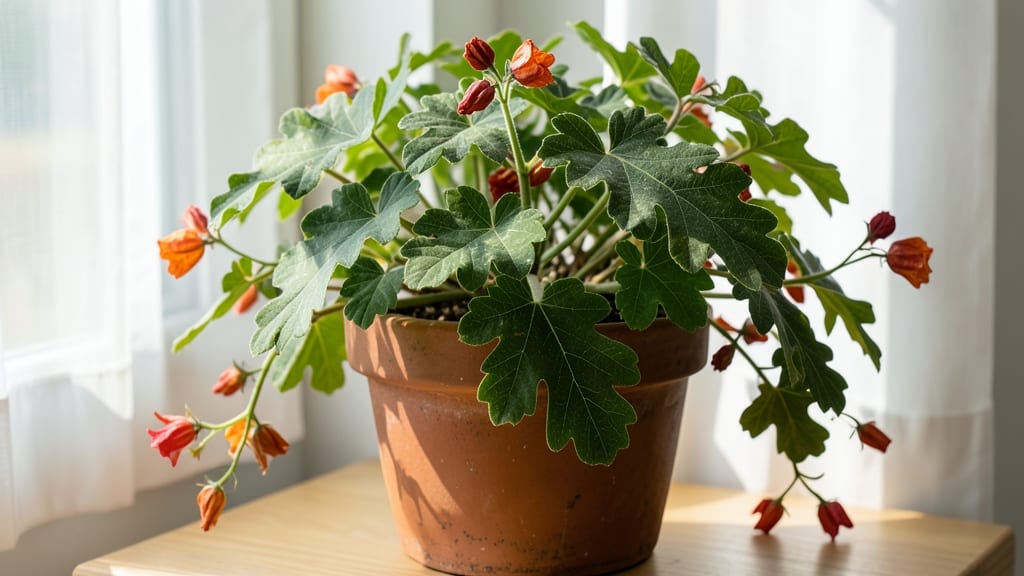
Growing oak leaf plants transforms your garden into a lush, textured masterpiece that thrives year-round. 🌿 These bold, leathery leaves—whether from Ficus robusta or ornamental varieties—bring architectural drama to any space, indoors or out.
My first oak leaf plant started as a struggling houseplant before I learned its secrets: the right light, water, and soil make all the difference.
The key to success lies in mimicking their natural habitat. Most varieties love bright, indirect light but tolerate partial shade, making them perfect for patios or under trees.
Water when the top inch of soil feels dry—overwatering is the fastest way to kill these tough plants—and use well-draining soil to prevent root rot. In colder climates, they’re surprisingly hardy, often surviving down to 15°F once established.
With proper care, your oak leaf plant will reward you with glossy, deep-green foliage that stays vibrant through all four seasons. Prune in late winter to shape the plant and encourage new growth, and propagate from cuttings in spring for free new plants.
The best part? They’re nearly pest-free and rarely need fertilizer, making them a low-maintenance star for any garden.
Whether you’re growing a tropical Ficus indoors or a cold-hardy ornamental oak outside, these plants deliver drama with minimal effort. The only mistake you’ll make is not planting one sooner—here’s how to get started right.
📚 In This Guide
- What you need
- Instructions
- Tips and common mistakes
- Wrapping up and next steps
What you need
- ● Oak leaf plant (Quercus spp. or Pyrus calleryana ‘Chanticleer’): 1–3 nursery-grown plants (3–5 ft tall, mature size varies by variety)
- ● OR oak leaf plant seeds (if propagating from seed—germination can take 30–60 days)
- ● Well-draining soil: 60% topsoil, 30% compost, 10% perlite/sand (for sandy or clay-heavy soils)
- ● pH: 6.0–7.5 (test with a soil kit if unsure)
- ● Fertilizer: Balanced 10-10-10 or slow-release granular fertilizer (1 lb per 100 sq ft)
- ● Mulch: 2–3 inches of organic mulch (e.g., shredded bark or pine straw)
- ● Watering can or hose with a gentle spray nozzle
- ● Gloves and pruning shears (sterilized with rubbing alcohol)
- ● Soil moisture meter (to monitor watering needs)
- ● Transplanting spade or trowel (for delicate root handling)
- ● Plant support stakes (if growing in windy areas)
- ● Epsom salt (occasional magnesium boost for yellowing leaves)
- ● Frost cloth (for young plants in sub-zero climates)
- ● Sunlight: Full sun (6+ hours/day) or partial shade (4–6 hours)
- ● Climate: USDA Zones 4–9 (cold-hardy to -30°F/-34°C)
- ● Spacing: 10–15 ft apart (for mature trees) or 3–5 ft for dwarf varieties
- ● Timing: Plant in spring or early fall (avoid extreme heat or frost)
How to plant and maintain oak leaf plants for stunning year-round interest
Here's the straightforward method I've used to keep these bold foliage plants thriving through every season.
🌱 Step 1: Select the Perfect Planting Location
Oak leaf plants (Acer palmatum varieties) demand partial shade to full sun—but the key is morning light with afternoon shade in hot climates. I always plant mine where they get 4-6 hours of direct sun during cooler months, then dappled shade when summer intensifies. The secret is watching the leaves: if they scorch (brown edges), you've got too much sun.
Choose a spot with well-draining soil—these plants hate soggy roots. If your soil is heavy clay, amend with 2-3 inches of compost mixed into the top 12 inches of soil. Test drainage by digging a hole, filling it with water, and watching how quickly it drains. If it takes more than 30 minutes, improve drainage before planting.
🪴 Step 2: Plant at the Right Depth and Spacing
Dig a hole twice as wide as the root ball but only as deep as the container's base. Oak leaf plants have shallow roots, so planting too deep suffocates them. Gently remove the plant from its container, loosen any circling roots with your fingers, and place it in the hole so the top of the root ball sits level with the surrounding soil—never buried.
Space plants 8-12 feet apart for mature size, but closer (6 feet) if you want a denser woodland effect. I always backfill with the native soil mixed with 1 part compost to encourage root establishment. Water deeply right after planting to settle the soil and eliminate air pockets. You'll know it's right when the soil surface looks firm but not compacted.
☀️ Step 3: Water Deeply and Mulch for Retention
Water once a week for the first month, then taper to every 10-14 days once established—unless you're in extreme heat or drought. The goal is deep watering (1-2 inches per week) that encourages roots to grow downward. You'll see healthy growth when leaves stay deep green and crisp, never yellowing at the edges.
Apply 3-4 inches of mulch (wood chips or shredded bark) around the base, keeping it 2 inches away from the trunk to prevent rot. Mulch locks in moisture and regulates soil temperature, which is critical in winter. Replenish mulch annually in early spring before new growth appears.
✂️ Step 4: Prune for Shape and Health
Prune in late winter or early spring before new growth begins. Remove dead, diseased, or crossing branches first—these compete for energy and invite pests. Then shape the plant by cutting back overly long branches to maintain its natural form. Use clean, sharp pruners and make cuts just above a leaf bud or lateral branch.
Never remove more than 25% of the plant in one season—this stresses oak leaf plants. If you see yellowing leaves in summer, it's often over-pruning or underwatering. The plant should have vibrant green foliage with no brown patches after pruning. Fertilize lightly in spring with balanced 10-10-10 if growth seems slow.
⏰ Step 5: Protect in Winter and Monitor Year-Round
Oak leaf plants are cold-hardy, but young specimens or harsh winters need extra care. In Zone 5 or colder, wrap the base with burlap or apply 3-4 inches of extra mulch in late fall. Check for winter burn (brown leaf edges) in early spring—this happens when cold winds dry out leaves. Prune affected branches in spring once new growth starts.
Watch for aphids or spider mites on new growth—these pests love tender oak leaf foliage. Spray with neem oil at the first sign of webbing or sticky residue. Healthy plants have no pests, so consistent watering and proper spacing prevent most issues. Divide mature clumps every 3-5 years in early spring to rejuvenate growth.
Tips & tricks for perfect oak leaf plant care
Between us, these plants are the unsung heroes of the garden—they deliver drama without the fuss. Here's what nobody tells you about keeping them thriving.
Light Strategy: The 4-6 hours of morning sun is non-negotiable, but here's the secret: if your afternoons get scorching, use sheer white fabric draped over a trellis to filter light rather than full shade. Oak leaf plants actually develop more vibrant fall colors when they get some afternoon sun—just not direct rays that cause leaf scorch. I've seen plants go from dull green to fiery red by adjusting this one detail.
Drainage Test: That 30-minute drainage test in Step 1 is your best friend—especially if you're not sure about your soil. I've made the mistake of planting in what looked like decent soil only to watch roots rot within weeks. If water pools after 30 minutes, mix in 1 part perlite to 3 parts soil—this creates air pockets that oak leaf plants crave. Think of it as giving their roots a breath of fresh air.
Mulch Layer: The 3-4 inches of mulch isn't just for looks—it's a moisture shield and temperature regulator. In summer, it keeps roots cool; in winter, it insulates against freeze-thaw cycles. Pro tip: refresh your mulch in early spring before new growth appears, and always keep that 2-inch clearance from the trunk. I've seen too many gardeners accidentally suffocate their plants by piling mulch right against the bark.
Pruning Timing: Late winter pruning is crucial, but here's what I learned the hard way: wait until you see the first signs of bud swell before cutting. If you prune too early, you risk encouraging new growth that could get nipped by late frosts. And never remove more than 25%—this plant has a stubborn way of letting you know when you've pushed it too far with yellowing leaves that refuse to recover.
Pro Tips for Oak Leaf Plant
- Between us, these plants are the unsung heroes of the garden—they deliver drama without the fuss.
- Light Strategy: The 4-6 hours of morning sun is non-negotiable, but here's the secret: if your afternoons get scorching, use sheer white fabric draped over a trellis to filter light rather than full shade.
- Drainage Test: That 30-minute drainage test in Step 1 is your best friend—especially if you're not sure about your soil.
Frequently asked questions
Got questions about keeping your oak leaf plant thriving? Here are answers to the most common ones—so you can enjoy its bold beauty without the guesswork!
How cold can oak leaf plants tolerate?
Oak leaf plants (Quercus spp.) are extremely cold-hardy, with most varieties surviving temperatures as low as -20°F to -30°F (zones 4-8). Young plants may need winter mulch, but mature specimens handle frost like a pro. Just avoid planting in low-lying areas where cold air pools.
How fast do oak leaf plants grow?
Growth speed depends on the variety, but most oak leaf plants grow 6 to 12 inches per year under ideal conditions. Dwarf cultivars (like 'Pendula') grow slower (1-3 inches/year), while fast growers (like 'Bur Oak') can reach 2 feet annually. Patience pays off—these trees take 10-20 years to reach full height!
Why are my oak leaf plant’s leaves turning brown?
Brown leaves usually signal overwatering, underwatering, or pests. Check the soil—it should be dry to the touch 2-3 inches down. If roots smell rotten, you’re overwatering. Yellow-brown edges? Underwatering or drought stress. Inspect for aphids or spider mites (common culprits) and treat with neem oil if needed.
Can I grow oak leaf plants in containers?
Yes! Dwarf varieties (like 'Little Giant' or 'Emerald Gaiety') thrive in large containers (15+ gallons) with well-draining soil. Use a mix of potting soil + perlite, and repot every 2-3 years. Place in full sun to partial shade and water when the top inch of soil is dry. Pro tip: Add a layer of gravel at the bottom to prevent root rot!
What’s a good alternative if I want fast shade?
If oak leaf plants grow too slowly for your needs, try these faster-growing shade trees:
- Silver Maple (Acers saccharinum) – Grows 3-5 feet/year, loves wet soil.
- Hornbeam (Carpinus betulus) – Cold-hardy, 2-3 feet/year, great for small yards.
- Amur Maple (Acer ginnala) – Compact, 1-2 feet/year, vibrant fall color.
For instant shade, consider fast-growing evergreens like Leyland Cypress or Thuja.
Wrapping up and next steps
The oak leaf plant is a fantastic choice for adding year-round texture and resilience to your garden—whether you’re a seasoned gardener or just starting out. 🌿 With its cold-hardy nature and striking foliage, it’s a low-maintenance way to bring drama to any space.
Now that you’re armed with the right knowledge, why not take the next step?
Start by selecting the perfect spot in your garden, gather your supplies, and plant with confidence. Before you know it, you’ll be enjoying the lush, oak-like beauty of this perennial for seasons to come! Happy gardening! 🌱