
Companion Plants
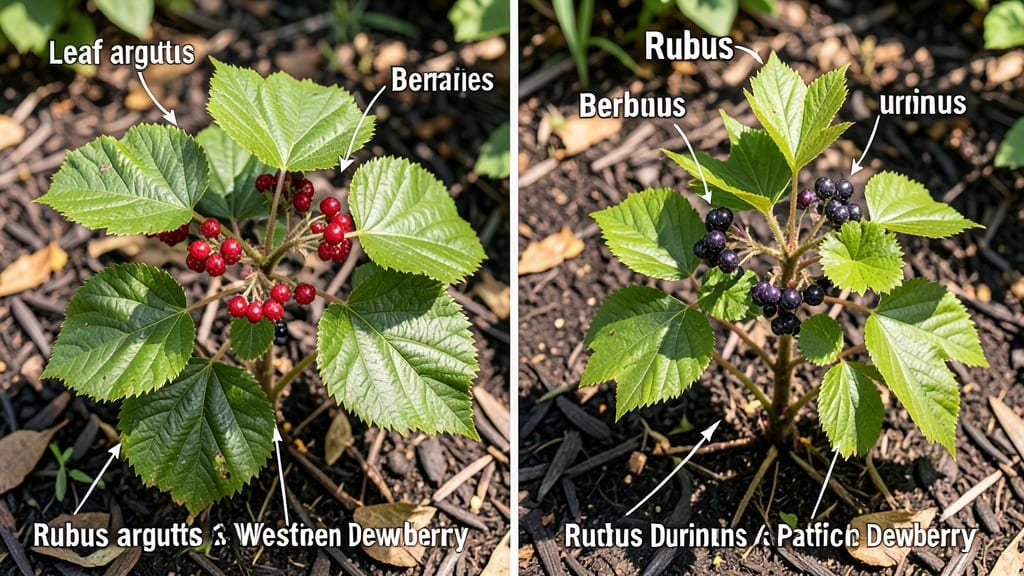
Spotting the difference between Oakland holly and oakleaf holly comes down to those leaves—and the berries. 🌿 I’ve had both in my yard for years, and the first time I mixed them up, I swore I’d never confuse them again.
Oakland holly’s leaves are glossy, oval with serrated edges, while oakleaf holly’s are long, narrow, and deeply lobed like mini oak leaves. The berries? Oakland’s are bright red; oakleaf’s are a deeper, almost black-red.
Oakland holly stays compact (10–15 feet tall) and thrives in full sun to part shade, while oakleaf holly stretches taller (15–25 feet) and handles shade better. Both love well-drained soil but need consistent watering—especially oakleaf holly, which can get thirsty in hot summers.
Oakland’s smaller size makes it perfect for hedges or foundation plantings, while oakleaf’s height and dramatic foliage shine as a specimen plant.
Care-wise, oakleaf holly is the low-maintenance champ: drought-tolerant once established and resistant to pests. Oakland holly needs a little more attention—prune it in late winter to keep it bushy, and watch for spider mites if the air gets too dry.
Both produce berries that birds adore, but oakleaf’s berries last longer into winter, adding color when other plants fade.
Choose Oakland holly for structured hedges or small spaces, and oakleaf holly for bold statement plants or shady spots. Either way, you’ll get year-round interest—glossy leaves, vibrant berries, and evergreen structure. The real secret? Plant them together, and you’ll never mix them up again.
The first product explained
Meet the Oakland Holly (Ilex × 'Oakland')—a stunning evergreen shrub that blends the best of both worlds with its glossy, dark green leaves and spiky, deep red berries! 🌿✨ This hybrid beauty is a favorite among gardeners who crave year-round color and low-maintenance elegance. Whether you're lining a driveway, adding privacy to a fence, or creating a lush hedge, the Oakland Holly delivers with bold structure and vibrant contrast.
Key Specs & Features
Here’s what makes the Oakland Holly stand out:
- Mature Height: 10–15 feet (prunable to shape)
- Spread: 6–10 feet (great for hedges or screens)
- Leaf Shape: Elliptical to oblong, spine-tipped (sharper than Oakleaf Holly)
- Berries: Bright red, abundant, and bird-loved (winter interest!)
- Sunlight: Full sun to partial shade (adaptable)
- Soil Tolerance: Adaptable but thrives in well-draining, acidic soil
- Drought Resistance: Moderate (once established)
Who’s It For?
The Oakland Holly is perfect for:
- 🏡 Homeowners looking for a privacy hedge or foundation plant with year-round appeal.
- 🌳 Landscapers needing a fast-growing, structured shrub for formal gardens or wildlife-friendly designs.
- 🐦 Bird enthusiasts who want to attract feathered friends with nutrient-rich berries.
- 🌿 Low-maintenance gardeners—it tolerates pruning well and resists pests!
Price Point & Availability
Pricing varies by size and retailer, but you can typically find:
| Size | Price Range (USD) | Best For |
|---|---|---|
| 1–3 gallon (young plants) | $25–$50 | New gardens or small spaces |
| 5–7 gallon (mature plants) | $50–$100 | Hedges, privacy screens |
| 15+ gallon (large specimens) | $100–$200+ | Instant impact in landscapes |
Pro Tip: 💡 Check local nurseries or online retailers like Fast-Growing-Trees.com or Monrovia for seasonal sales!
The second product explained
Meet the Oakleaf Holly (Ilex opaca), a stunning evergreen shrub that’s as elegant as it is resilient! 🌿✨ If you’re looking for a holly with bold, glossy leaves that resemble oak foliage, this is your plant.
Unlike its Oakland Holly counterpart, Oakleaf Holly boasts leathery, dark green leaves with smooth edges and prominent veins, giving it a sophisticated, almost tropical vibe. Plus, its red berries in winter add a pop of color that’s hard to resist.
Key Specs & Features
Here’s what makes Oakleaf Holly stand out:
- Leaf Shape: Elliptical to oblong, 2–4 inches long, with a distinct oak-like texture.
- Growth Habit: Upright and rounded, reaching 20–30 feet tall (varies by cultivar).
- Color Palette: Deep green leaves with bright red berries (female plants only).
- Hardiness: Thrives in USDA Zones 5–9, making it versatile for many climates.
- Light Needs: Prefers full sun to partial shade—perfect for hedges, borders, or standalone specimens.
- Wildlife Appeal: Birds love the berries, and deer usually avoid it!
Who’s It For?
Oakleaf Holly is a top pick for:
- Homeowners wanting a low-maintenance, long-lived evergreen.
- Landscapers designing privacy screens, hedges, or focal points.
- Gardeners in humid climates (it handles heat and humidity beautifully).
- Anyone who loves year-round interest with minimal fuss.
Price Point & Value
Oakleaf Holly offers excellent value for its durability and beauty. Prices vary by size and cultivar:
| Size | Price Range (USD) | Best For |
|---|---|---|
| 1–3 gallon (young plants) | $30–$60 | New landscapes or small gardens |
| 5–15 gallon (mature plants) | $80–$200 | Instant hedges or privacy screens |
| Large specimens (20+ ft) | $250–$500+ | Statement plants or estate gardens |
Pro Tip: 💡 Buy female cultivars (like ‘Daniel’s Favorite’ or ‘Southern Gentleman’) to guarantee those showstopping red berries!
Head-to-head comparison
Ready to dive into the leafy details?
Let’s compare Oakland Holly (Ilex × 'Oakland') and Oakleaf Holly (Ilex opaca) side by side—because every gardener deserves to know which holly will steal the show in their landscape! 🌿✨ Below, we break down the key dimensions where these two holly varieties shine (or sometimes struggle) in a head-to-head showdown.
🌱 Growth Habit & Size: The Space Invaders
If your garden is a battle for real estate, these two holly warriors have very different strategies.
- Oakland Holly: A compact powerhouse, typically reaching 10–15 feet tall and 8–12 feet wide at maturity. It’s the perfect small-but-mighty shrub for hedges, borders, or even as a standalone specimen. Pro tip: Prune annually to keep it tidy—it responds beautifully to shaping! 🔪✨
- Oakleaf Holly: The tall drink of water in the holly world, often soaring 20–30 feet tall (or even taller!) with a spread of 15–25 feet. This is your statement tree—think towering over patios, anchoring large landscapes, or providing shade. Watch out: It’s not for small yards unless you’re okay with a very patient wait for maturity. ⏳🌳
🍃 Leaf Shape & Texture: The Instant ID Clues
This is where the real magic happens—because these leaves are night and day different. Here’s how to spot them in a crowd:
| Feature | Oakland Holly | Oakleaf Holly |
|---|---|---|
| Leaf Shape | Elliptical to spoon-shaped, smooth edges, glossy dark green. | Oak-like lobes (3–5 pointed tips), textured and leathery. |
| Leaf Size | 2–4 inches long. | 3–6 inches long (with those dramatic lobes!). |
| Fall Color | Stays green until frost. | Turns red-purple in fall—showstopper! 🍁 |
| Texture | Smooth and silky to the touch. | Rough and sandpapery (like running your fingers over a bark!). |
Pro tip: If you’re a leaf collector or just love tactile plants, Oakleaf Holly’s oaky texture is a must-touch experience. But if you prefer sleek and simple, Oakland Holly wins. 🌡️💡
🌸 Flowers & Berries: The Seasonal Showstoppers
Both holly varieties are four-season performers, but their spring and winter highlights couldn’t be more different.
- Oakland Holly:
- ✅ Fragrant white flowers in spring (small but sweet-smelling—think holly perfume!).
- ✅ Bright red berries (small, 1/4-inch) that persist through winter. Bird magnet! 🐦
- ❌ Fewer berries than Oakleaf Holly—so if you’re dreaming of a Christmas-card bush, this might not be your star.
- Oakleaf Holly:
- ✅ Inconspicuous flowers (not showy, but functional for pollinators).
- ✅ Abundant red berries (up to 1/2-inch!) that cover the branches in winter. Holiday vibes guaranteed! 🎄
- ✅ Berries stay longer—some hold until early spring.
Pro tip: If you love winter interest, Oakleaf Holly is the clear winner for berry production. But if you’re all about spring fragrance, Oakland Holly’s blooms are a scent-sational bonus. 🌸🔥
☀️ Sun & Soil Tolerance: The Survival Guides
Not all holly is created equal when it comes to adaptability. Here’s who thrives where:
| Condition | Oakland Holly | Oakleaf Holly |
|---|---|---|
| Sunlight | ✅ Full sun to partial shade (6+ hours of sun ideal). Drought-tolerant once established! 💦 | ✅ Partial shade to full sun (prefers morning sun + afternoon shade in hot climates). Can scorch in intense heat. 🔥 |
| Soil Type | ✅ Adaptable: Tolerates clay, sandy, or loamy soil. Acidic to neutral pH (6.0–7.0). | ✅ Prefers well-draining, acidic soil (pH 5.0–6.5). Hates soggy roots! 🚫💧 |
| Drought Tolerance | ✅ Moderate drought tolerance once established. | ⚠️ Less drought-tolerant—needs consistent moisture, especially in containers. |
Pro tip:
So, which holly deserves a spot in your garden or landscape? The answer depends on your priorities—whether you're dreaming of bold drama, low-maintenance charm, or a mix of both. Here’s the verdict to help you decide: If you can’t decide—or want the best of both worlds—consider crossbreeds like ‘Dwarf Burford’ or ‘Nellie R. Stevens’. These hybrids often combine Oakland Holly’s bold structure with Oakleaf Holly’s colorful foliage and disease resistance. 🌟 Pro Tip: For urban gardens with limited space, Oakland Holly’s compact varieties shine. For rural or woodland settings, Oakleaf Holly’s height and seasonal drama steal the show. 🌳✨ No matter which you pick, you’re winning—just choose the holly that speaks to your garden’s soul! 🌿💚Which one should you choose?
🌿 Pick Oakland Holly if...
🍂 Choose Oakleaf Holly if...
💡 The Ultimate Hybrid?