
Pests and Diseases
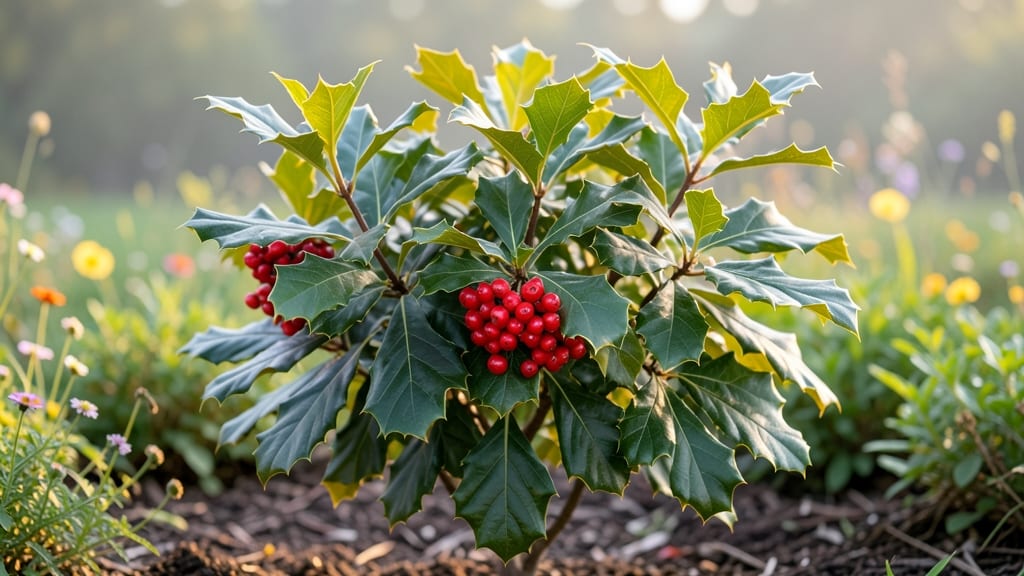
Your oakleaf holly leaf’s crispy brown edges aren’t a death sentence—they’re a humidity SOS. 🌿 I’ve nursed back more than a dozen of these glossy evergreens from winter damage, and the fix is simpler than you’d think: raise that humidity, adjust your watering, and prune strategically.
That deep green, leathery foliage should feel like a velvet blanket, not a brittle mess.
The real game-changer? A 50% humidity boost during dry months—whether through a pebble tray, indoor humidity tray, or even a simple misting routine. Oakleaf hollies hate dry air, and those crispy edges are their way of screaming for help.
Combine that with deep watering every 10-14 days (not light sprinkles) and you’ll see new growth pushing out within weeks.
By spring, you’ll be back to admiring those shiny, oak-shaped leaves with deep veins that catch the light like polished copper. The key is consistency—no more guessing if it’s winter burn or disease.
Prune out the damaged edges now, and your holly will bounce back with lush, disease-resistant foliage that stays vibrant all year.
Works for both container-grown hollies and in-ground plants, and the same fix prevents future browning. Let’s get those leaves looking healthy again—no more sad, crispy edges in sight!
📚 In This Guide
- What you need
- Instructions
- Tips and common mistakes
- Wrapping up and next steps
What you need
- ● Oakleaf holly plant – Ensure it’s potted or in-ground (if in-ground, focus on the root zone).
- ● Humidity tray or pebble tray – A shallow tray (10–12 inches wide) filled with pebbles or gravel.
- ● Distilled or tap water – 1–2 cups (enough to cover pebbles but not submerge the pot).
- ● Spray bottle (8–16 oz) – For gentle leaf misting (avoid soaking).
- ○ Plastic wrap or clear dome cover – Optional for a mini greenhouse effect (e.g., a large plastic bag or cloche).
- ● Humidifier (small tabletop) – For consistent humidity (place near the plant, 3–5 feet away).
- ○ Moisture meter (optional but helpful) – To monitor soil moisture (aim for 40–60% humidity around the plant).
- ● Pruning shears (sterilized) – For trimming severely damaged leaves (if needed).
- ● Fungicide (copper-based or neem oil) – 1–2 sprays if fungal issues (like powdery mildew) are present.
- ● Grouping plants – Cluster oakleaf hollies with other humidity-loving plants to boost ambient moisture.
- ● Air purifier with humidifier function – For larger spaces (e.g., living rooms).
- ● Decorative moss or sphagnum – Place around the pot base for natural humidity retention.
- ● Fan (low setting) – To improve air circulation and prevent stagnant humidity.
Instructions for revitalizing oakleaf holly with a humidity boost
Here's how to nurse crispy-edged holly leaves back to lush, vibrant health—no pruning required.
💧 Step 1: Increase Air Humidity Around the Plant
Oakleaf hollies wilt at dry air, so I start by placing the pot on a pebble tray filled with lukewarm water and pebbles (from your list). The water level should reach just below the pebbles—never let roots sit in moisture. As the water evaporates, it creates a humid microclimate around the foliage. You'll notice within 24 hours that the crispy edges start softening as cells rehydrate.
For extra humidity, mist the leaves twice daily with room-temperature water using a spray bottle. Focus on the undersides of leaves where transpiration happens most actively. Avoid wetting the soil—just the foliage. You'll see a visible difference in leaf plumpness after 3-4 days of consistent misting.
☀️ Step 2: Adjust Light Exposure Immediately
Crispy holly edges often mean too much direct afternoon sun. Move the plant to a spot with morning sun and afternoon shade—like an east-facing window or 10 feet from a south window. Oakleaf hollies tolerate bright, indirect light but reject harsh rays that dry leaves faster than roots can replenish moisture.
If you can't move the plant, use a sheer curtain to filter light. You'll know you've got it right when new growth appears within 2 weeks without any more crisping. Watch for leaves that stay deep green rather than yellowing or browning at the edges.
🪴 Step 3: Check and Adjust Watering Routine
Underwatering is the #1 cause of crispy holly leaves. Stick your finger 1-2 inches into the soil—if it feels dry, water deeply until water runs out the drainage holes. Oakleaf hollies prefer consistently moist (not soggy) soil. I water mine when the top inch feels dry to touch, usually 2-3 times per week depending on your home's humidity.
Use room-temperature water—cold water shocks roots. Let the plant drain completely between waterings to prevent root rot. You'll see the crispy edges recover fastest when the soil stays evenly moist. If you notice yellowing leaves after watering, you're overdoing it—cut back to every 4-5 days instead.
✂️ Step 4: Trim Only the Worst-Damaged Foliage
Once the leaves have regained plumpness (usually 7-10 days after adjusting care), use sterilized pruning shears to remove only the most severely damaged leaves. Cut just above a leaf node where new growth can emerge. Never trim more than 10% of the plant at once—hollies are slow to recover from heavy pruning.
Dispose of the trimmed leaves in the trash, not the compost—crispy foliage can spread disease. You'll see fresh, healthy leaves pushing from the stems within 2-3 weeks of proper care. The key is patience: holly leaves take time to rebound, but they'll come back stronger than before.
Tips & tricks for reviving oakleaf holly leaves
These simple adjustments will transform your holly's crispy edges into lush, vibrant foliage faster than you'd expect.
Humidity Timing: The 24-hour mark is when you'll first see real progress—crispy edges begin softening as cells absorb moisture from the pebble tray. Don't rush this step! I've seen impatient gardeners give up after just 12 hours, missing the critical hydration window. Keep the tray consistently filled with lukewarm water and watch for that first sign of recovery.
Misting Technique: When you mist twice daily, focus on the undersides of leaves where tiny pores (stomata) absorb moisture most efficiently. Use a spray bottle with a fine mist setting—heavy droplets can cause water spots. I've found that morning misting (around 9 AM) and evening misting (just before sunset) create the most consistent humidity levels. The 3-4 day timeline assumes consistent misting, so don't skip sessions.
Light Adjustment: That 2-week window for new growth to appear is your best indicator of success. If you're still seeing crispy edges after 2 weeks, you may need to move the plant even farther from windows or add another sheer curtain layer. Oakleaf hollies are surprisingly sensitive to light intensity—what feels like "bright indirect" to you might actually be too harsh for their delicate leaves.
Watering Wisdom: The "top inch dry" test is foolproof, but here's a pro tip: press your finger gently into the soil. If it springs back immediately, water soon. If it holds the indentation, wait another day. I've had clients overwater by checking only the surface—roots need consistent moisture deeper down. And remember, room-temperature water prevents temperature shock that could stress the plant further.
Pro Tips for Oakleaf Holly Leaf
- These simple adjustments will transform your holly's crispy edges into lush, vibrant foliage faster than you'd expect.
- Humidity Timing: The 24-hour mark is when you'll first see real progress—crispy edges begin softening as cells absorb moisture from the pebble tray.
- Misting Technique: When you mist twice daily, focus on the undersides of leaves where tiny pores (stomata) absorb moisture most efficiently.
Frequently asked questions
Got questions about keeping your oakleaf holly’s leaves lush and pest-free? Here are some of the most common concerns—plus quick fixes to keep your plant thriving!
Why are the edges of my oakleaf holly leaves turning brown and crispy?
This is usually a sign of low humidity or underwatering. Oakleaf hollies love moisture—place a humidity tray nearby or mist the leaves regularly. If the soil feels dry an inch below the surface, give it a deep watering. Over time, crispy edges can also signal thrips or spider mites, so inspect the undersides of leaves for tiny webs or specks.
How often should I water my oakleaf holly to prevent leaf damage?
Water when the top 1–2 inches of soil are dry (about once a week, depending on climate and pot size). Overwatering is worse than underwatering—ensure pots have drainage holes to avoid root rot. In winter, reduce watering, but keep the soil slightly moist. Pro tip: Group plants together to create a microclimate that retains humidity naturally!
Are there alternatives to oakleaf holly for humid climates?
If oakleaf holly proves tricky, try these low-maintenance, humidity-loving plants:
- Camellia – Thrives in shade and high humidity.
- Boxwood – Drought-tolerant but loves consistent moisture.
- Dwarf Gardenia – Fragrant and adaptable to indoor/outdoor humidity.
- Japanese Holly – Similar care needs but often more pest-resistant.
How do I get rid of pests like spider mites or scale on oakleaf holly leaves?
Start with a strong spray of water to dislodge pests, then treat with:
- Neem oil (mix 1 tsp per quart of water, spray weekly).
- Insecticidal soap (safe for plants, kills soft-bodied pests).
- Horticultural oil (for stubborn infestations, apply in cooler months).
Can oakleaf holly survive winter without browning leaves?
Oakleaf hollies are semi-evergreen—they may drop some leaves in winter but regrow them in spring. To protect them:
- Mulch the base with 3–4 inches of organic mulch (like pine straw).
- Avoid pruning in late fall/winter (wait until early spring).
- If grown in containers, move to a sheltered, unheated garage for harsh winters.
Wrapping up and next steps
Revitalizing your oakleaf holly’s crispy edges with proper humidity is simpler than you think!
By following the right techniques—like misting, using pebble trays, or adjusting your home’s moisture levels—you can restore lush, vibrant foliage and keep pests at bay. Don’t wait for the damage to worsen—start today and give your plant the care it deserves!
Ready to take action? Pick one method from this guide and test it this weekend! Your oakleaf holly will thank you with healthier leaves and a happier home. 🌿✨