
Neem Oil
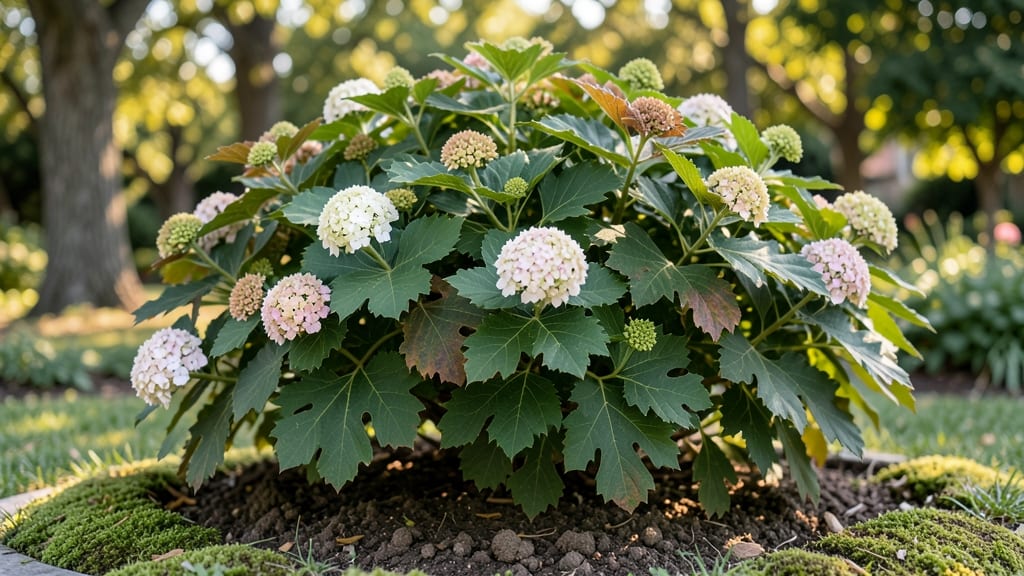
Oakleaf hydrangea buds are where the magic happens—each one holds the promise of stunning, long-lasting blooms that last from summer through fall. 🌿 I’ve spent years watching these buds transform from tight green knots into clusters of delicate flowers, and the secret lies in understanding their exact pruning needs and seasonal care.
One wrong cut can mean fewer blooms, but with the right timing, you’ll end up with a shrub covered in vibrant blooms that outshine anything at the nursery.
The key to encouraging strong buds starts in late winter or early spring, just as new growth begins. That’s when you prune to shape the plant and remove dead or crossing branches—never cutting back into old wood, which is where last year’s buds formed.
Oakleaf hydrangeas bloom on both old and new wood, so timing matters: prune too late, and you risk cutting off next year’s flowers. Think of it like a haircut—too early, and you’re left with a messy look; too late, and you’ve trimmed away potential.
By summer, your buds will swell into fat, fuzzy clusters, ready to burst into color. The leaves themselves are part of the show—deep green with fiery fall foliage—so don’t over-prune for blooms alone.
A well-cared-for oakleaf hydrangea rewards patience with three seasons of interest, from spring’s fresh foliage to autumn’s fiery display. The payoff? A shrub that’s as low-maintenance as it is stunning, once you get the pruning rhythm right.
Here’s the thing—oakleaf hydrangeas are forgiving, but they do have preferences. Too much shade, and the buds won’t develop properly; too much sun without moisture, and the leaves will scorch. They thrive in partial shade with consistent watering, and a little mulch around the base keeps roots happy.
Troubleshooting bud issues? Often, it’s a matter of adjusting pruning time, checking for pests, or ensuring the plant isn’t struggling with drought or root competition. Let’s get those buds bursting with confidence.
📚 In This Guide
- What you need
- Instructions
- Tips and common mistakes
- Wrapping up and next steps
What you need
- ● Pruning shears: Sharp, bypass-style shears (3–5 inches) for clean cuts. (Avoid dull tools—they crush stems!)
- ● Hand pruners: For smaller branches or tight spaces (1.5–2.5 inches).
- ● Loppers: Heavy-duty (8–10 inches) for thicker stems (1–2 inches in diameter).
- ● Rubbing alcohol (70%+) or bleach solution: 1 part bleach to 9 parts water to sterilize tools between cuts.
- ○ Garden gloves: Heavy-duty, cut-resistant (optional but recommended for thorns!).
- ● Disposable pruning bags or bucket: For collecting debris (5+ gallon capacity).
- ● Permanent marker: Fine-tip for labeling pruned sections (if grafting or layering).
- ● Pruning saw: For stubborn, woody stems (if loppers won’t cut it).
- ● Sealing wax or pruning paste: To coat large cuts and prevent disease (for oakleaf hydrangeas over 1 inch in diameter).
- ● Garden hose or spray bottle: For rinsing tools and cleaning sap off shears.
- ● Notebook or app: To log pruning dates, weather, and bud development (e.g., Gardenate or PlantNet).
- ● Mulch (pine bark or shredded leaves): 2–3 inches to protect roots post-pruning.
Step-by-Step guide to pruning oakleaf hydrangea for maximum blooms
Here's how I time my pruning to guarantee those stunning oakleaf hydrangea blooms year after year.
✂️ Step 1: Prune Immediately After First Frost
Wait until after the first hard frost when the plant is fully dormant. This is the only time you'll prune old wood—the buds for next year's blooms form on last season's growth. I grab my clean, sharp pruners and cut back 1/3 of the oldest stems to the ground, making cuts just above a outward-facing bud or lateral branch.
Don't worry about leaving some stems uncut—this selective approach prevents over-thinning. You'll know you've done it right when you see a mix of fresh green stems and the brown skeletons of last year's blooms. Remove any dead or diseased wood first—it's the perfect time to give your plant a clean start.
✂️ Step 2: Light Pruning in Early Spring
When you see new growth emerging in late winter/early spring (around February-March depending on your zone), do a quick inspection. Remove any crossing branches or stems growing inward—they'll compete for energy and create weak blooms. Cut these back to the nearest outward bud at a 45-degree angle.
This is also when I shape the plant. Oakleaf hydrangeas naturally grow in a rounded form, so I focus on maintaining that shape. Never remove more than 20% of the plant's total volume—you're just tidying up, not doing a major renovation. If you see any stems that died over winter, cut them back to healthy wood immediately.
☀️ Step 3: Summer Pruning for Airflow and Shape
After the first flush of blooms appears (usually June-July), do a light pruning to encourage more flowers and better air circulation. Remove any spent blooms by cutting the stem back to the first set of healthy leaves below the flower head. This redirects energy to new growth that will produce more blooms later in the season.
This is also when I check for any stems that grew too leggy or crowded. Cut these back by 1/3 of their length to encourage bushier growth. The goal is to maintain an open center—hydrangeas bloom best when they get good airflow. You'll see new buds forming along the stems after this pruning.
⏰ Step 4: Final Preparation Before Winter
In late summer (August-September), do your final pruning of the season. This is when you remove any stems that bloomed earlier in the year—they're done producing flowers for this season. Cut them back to the first set of healthy leaves or buds. This gives the plant time to develop next year's flower buds before winter.
I also do a final check for any dead, diseased, or weak stems. Remove them completely to prevent any issues from carrying over to next year. After pruning, give your plant a light feeding with balanced fertilizer (10-10-10) to help it prepare for winter. You'll see new growth starting to form along the remaining stems—this is your plant getting ready for next year's spectacular display.
🌿 Step 5: Winter Protection (Zones 5-7)
For gardeners in zones 5-7, wrap the base of your oakleaf hydrangea with burlap or frost cloth after the first hard frost. This protects the roots from extreme cold. In particularly cold winters, you can also mound 6-8 inches of mulch around the base of the plant, but don't let it touch the stems.
The reason we protect the roots is that oakleaf hydrangeas are somewhat tender compared to other hydrangeas. You'll know your protection is working when you see the plant emerge earlier in spring—sometimes as much as 2-3 weeks sooner than unprotected plants. In warmer zones (8+), no winter protection is needed—just let the plant go dormant naturally.
Tips & tricks for pruning oakleaf hydrangeas
These simple but game-changing tips will help you avoid common pruning mistakes and get the most stunning blooms.
Timing is Everything: The post-first-frost timing in Step 1 is critical because oakleaf hydrangeas bloom on old wood. If you prune too early, you'll remove next year's flower buds before they form. I always check for that first hard frost by looking for brown, crispy leaves that stay brown when you touch them—this is your cue to start. In warmer climates, you might need to wait until late November or even December.
Tool Prep Makes All the Difference: Before you start pruning in Step 1, clean your pruners with rubbing alcohol to prevent spreading disease. I also sharpen my blades annually—dull tools crush stems instead of making clean cuts, which stresses the plant. For larger branches, use loppers with bypass blades (they cut cleaner than anvil types). Remember, the cleaner the cut, the faster the plant recovers.
Visual Cues for Perfect Cuts: When making cuts in Steps 1 and 2, look for the outward-facing bud just above where you're cutting. The bud should be angled slightly upward—this ensures new growth will face outward, creating a fuller plant shape. If you're unsure which way is up, imagine the bud as a tiny arrow pointing toward where you want the new growth to go. This simple trick prevents lopsided plants.
Seasonal Checklist: Create a quick reference for each pruning season: Fall (remove 1/3 oldest stems), Spring (shape and remove crossing branches), Summer (deadhead and thin leggy growth), Late Summer (remove spent blooms). I keep a small notebook by my gardening tools with these notes—it's easy to forget which season we're in when you're standing in the garden! This visual reminder keeps me on track with the exact steps from each season.
Pro Tips for Oakleaf Hydrangea Buds
- These simple but game-changing tips will help you avoid common pruning mistakes and get the most stunning blooms.
- Timing is Everything: The post-first-frost timing in Step 1 is critical because oakleaf hydrangeas bloom on old wood.
- Tool Prep Makes All the Difference: Before you start pruning in Step 1, clean your pruners with rubbing alcohol to prevent spreading disease.
Frequently asked questions
about oakleaf hydrangea buds—because even the pros need a little guidance! Here’s what gardeners ask most often, with quick answers to keep your plants thriving.When should I prune oakleaf hydrangeas to encourage buds?
Prune oakleaf hydrangeas (Hydrangea quercifolia) in late winter or early spring (before new growth starts). This timing ensures you remove dead wood while preserving next year’s buds, which form on old wood. Avoid heavy pruning in fall—it can stimulate tender growth vulnerable to frost.
What if my oakleaf hydrangea buds freeze or don’t open?
Oakleaf hydrangeas are hardy to USDA Zones 5-9, but buds can still suffer in harsh winters. If buds freeze, they may appear mushy or fail to bloom. Don’t panic! Prune back damaged stems in spring, and fertilize lightly to encourage new growth. Mulch around the base in fall for extra protection.
Can I prune oakleaf hydrangeas in summer?
Summer pruning is possible, but proceed with caution. Light shaping is fine, but avoid heavy cuts—this removes next year’s flower buds. If you must prune, do so after flowering (late summer) and keep cuts minimal. Focus on removing only dead or overly crowded branches.
Are there alternatives to oakleaf hydrangeas with similar buds?
Yes! If you love oakleaf hydrangea buds but want variety, try:
- Panicle hydrangeas (Hydrangea paniculata): Blooms on new wood; great for late-season color.
- Bigleaf hydrangeas (Hydrangea macrophylla): Classic blooms, but prune differently (after flowering).
- Smooth hydrangeas (Hydrangea arborescens): Hardy and low-maintenance with lush foliage.
Why aren’t my oakleaf hydrangea buds opening, even after pruning?
Bud failure often stems from over-pruning, poor nutrition, or stress. Check these fixes:
- Ensure you’re pruning old wood (not new growth).
- Fertilize in early spring with a balanced formula (10-10-10).
- Water deeply during droughts—hydrangeas hate dry soil.
- Watch for pests like aphids or scale, which can weaken plants.
Wrapping up and next steps
Growing oakleaf hydrangea buds to their full, show-stopping potential is all about timing, patience, and the right techniques! 🌿 With the right pruning schedule—whether you’re reviving old wood or encouraging new growth—you’ll be rewarded with stunning blooms that last from summer through fall.
Don’t let hesitation hold you back; grab those shears and get pruning!
Ready to elevate your garden? Start by marking your calendar for next year’s pruning season and keep an eye on your hydrangea’s growth habits. Every trim brings you one step closer to a backyard bursting with color—happy gardening! 🌸