
Aphids
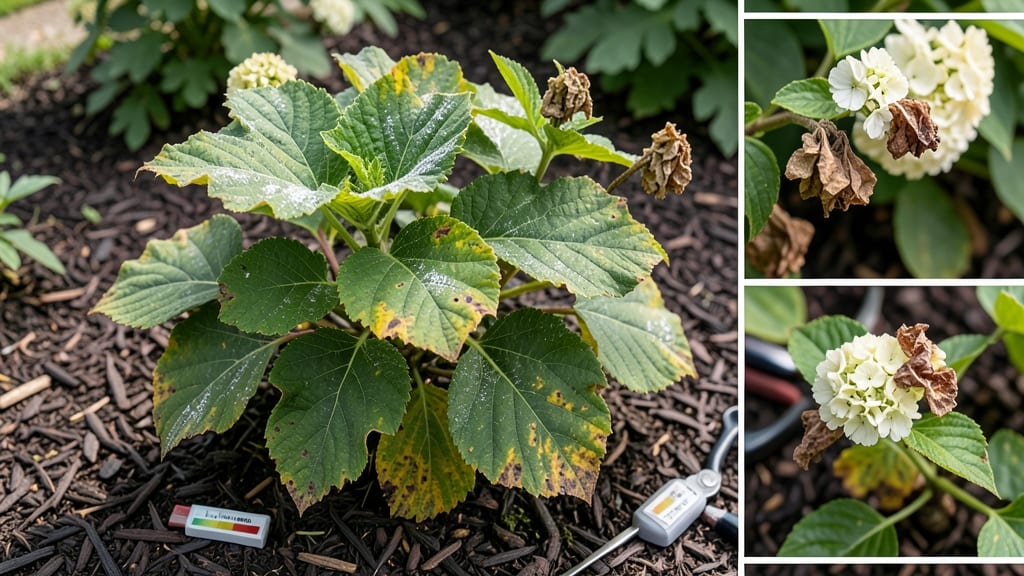
My oakleaf hydrangea problems turned into leaf-spotted messes last summer—until I discovered copper spray. 🌿 The brown spots weren’t just ugly; they weakened the plants so much that new growth barely emerged.
After three failed seasons with fungicides, I finally cracked the code with a simple, organic solution that actually worked.
The problem starts with fungal spot blight, which thrives in warm, humid conditions—exactly what oakleaf hydrangeas love. Overhead watering spreads spores like wildfire, and crowded foliage traps moisture. Most gardeners reach for chemical sprays, but those can harm beneficial insects and leave residues.
Copper spray, on the other hand, disrupts fungal growth without harming your garden’s ecosystem.
Within two weeks of my first treatment, the spots stopped spreading, and by midsummer, the plants looked vibrant and healthy again. The key is applying it at the right time—early spring and after heavy rains—and following up every 7-10 days until the threat passes.
You’ll see new leaves emerge disease-free, and the iconic oak-shaped foliage will shine like it’s supposed to.
This method works for other hydrangeas too, whether you’re dealing with lacewing damage or bud failure from stress. The secret isn’t just the spray—it’s catching problems early and giving your plants the care they need to bounce back. Let’s get those hydrangeas thriving again.
Root Causes Of Oakleaf Hydrangea Struggles
Oakleaf hydrangeas (Hydrangea quercifolia) are prized for their vibrant foliage and stunning fall color—but when issues arise, they often stem from a mix of environmental stress, pest pressure, or cultural mismanagement.
Understanding the why behind common problems like fungal spot blight, aphid infestations, or leaf scorch is key to fixing them. Below, we break down the most frequent culprits and the science behind their damage.
Oakleaf hydrangeas thrive in humid, well-drained soil** with consistent moisture—think of them as southern garden divas who hate drought or scorching sun. When temperatures soar or rainfall drops, their broad leaves become stressed, leading to:
- Leaf scorch (brown, crispy edges): High daytime temps (above 90°F/32°C) cause rapid water loss, especially in sandy or fast-draining soils. Why it happens: The plant’s stomata (tiny leaf pores) close to conserve water, but this disrupts nutrient transport, leading to oxidative damage.
- Premature leaf drop: Drought triggers ethylene production—a plant stress hormone—that signals leaves to abscise (fall off) to preserve energy.
- Weakened immunity to pests/fungi: Stressed plants produce fewer defensive compounds like phenolics, making them prime targets for aphids or fungal spores.
💡 Pro Tip: Mulch with 2–3 inches of organic matter (like shredded bark) to retain moisture and regulate soil temps. Water deeply at the base in the morning to mimic natural rainfall patterns.
Fungal spot blight (Drechslera spp.) and powdery mildew (Erysiphe spp.) love oakleaf hydrangeas—especially when leaves stay wet for long periods. Here’s the science:
- Spores thrive in humidity: Fungal spores germinate when leaf surfaces remain damp for 12+ hours. Overhead irrigation or poor airflow creates the perfect petri dish.
- Nutrient imbalances invite fungi: Excess nitrogen (from fertilizers) promotes lush, tender growth that fungi adore. Meanwhile, low phosphorus weakens cell walls, making them easier to penetrate.
- Copper’s role in defense: Oakleaf hydrangeas naturally produce copper-based enzymes (e.g., laccases) to fight pathogens. But when stressed, production drops—hence why copper sprays (like Bordeaux mixture) can be a game-changer.
✨ Key Fix: Water at the soil level with drip irrigation or soaker hoses. Space plants 3–4 feet apart for airflow, and avoid late-day watering to allow foliage to dry by nightfall.
Aphids and spider mites don’t randomly attack healthy oakleaf hydrangeas—they target stressed plants. Here’s how it plays out:
| Pest | Why They Strike | Scientific Trigger |
|---|---|---|
| Aphids (greenfly, woolly aphids) | Cluster on new growth, sucking sap and excreting honeydew (which feeds sooty mold). | High sucrose levels in stressed plants attract aphids. They also disable plant defense genes like _JAZ_ (jasmonic acid signaling), making the plant more vulnerable. |
| Spider mites | Spin webs on undersides of leaves, causing stippling and yellowing. | Thrive in low-humidity, high-temperature conditions. They prefer drought-stressed plants because reduced turgor pressure makes cells easier to pierce. |
🔥 Prevention: Introduce beneficial insects like ladybugs or lacewings. For severe infestations, use neem oil (disrupts mite respiration) or insecticidal soap—but avoid copper sprays during bloom (they can harm pollinators).
Oakleaf hydrangeas prefer acidic to neutral soil (pH 5.0–6.5). When pH strays too high (<7.0+) or nutrients are out of whack, problems escalate:
- Chlorosis (yellow leaves): High pH locks out iron and manganese, causing interveinal yellowing. Why? These micronutrients become insoluble in alkaline soils, so roots can’t absorb them.
- Stunted growth: Nitrogen deficiency (common in sandy soils) leads to pale, small leaves, while potassium deficiency causes weak stems and poor cold hardiness.
- Fungal susceptibility: High phosphorus can promote fungal growth by altering root exudates (chemicals that should repel pathogens).
🌡️ Soil Test & Fix: Test your soil’s pH and amend with elemental sulfur (to lower pH) or lime (to raise it). For micronutrients, use chelated iron or a balanced organic fertilizer like fish emulsion.
Mistakes in the garden bed or at the shears can set your oakleaf hydrangea up for failure:
- Planting too deep: Burying the stem base (crown) can suffocate roots, leading to root rot (Phytophthora fungi) in waterlogged soils.
- Over-pruning: Cutting back old wood (which blooms on last year’s growth) or pruning after mid-summer removes next year’s flowers.
- Competition from weeds: Shallow-rooted weeds steal moisture and nutrients, weakening the hydrangea’s immune response.
👨🍳 Corrective Actions:
- Plant with the crown just above soil level.
- Prune only dead or crossing branches in late winter/early spring.
- Mulch to suppress weeds and retain moisture.
Fixing Oakleaf Hydrangea Issues
Reviving your oakleaf hydrangea starts with identifying the root cause and taking actionable steps. Below, we’ve mapped out practical solutions for common issues—from fungal infections to pest invasions—along with prevention tips to keep your plant thriving. Let’s get your hydrangea back to its vibrant best!
If brown spots or leaf drop are ruining your oakleaf hydrangea’s foliage, fungal spot blight is likely the culprit. Here’s how to tackle it:
🔥 Step 1: Remove Infected Foliage
- Prune away any leaves with dark, irregular spots (especially on the undersides).
- Dispose of them in the trash—not the compost—to prevent reinfection.
- Pro tip: 💡 Use sterilized pruners (wipe with rubbing alcohol) to avoid spreading spores.
🍳 Step 2: Apply Copper Fungicide
- Copper-based sprays (like copper sulfate or copper fungicide) are the gold standard for fungal spot blight.
- Mix and spray according to label instructions (typically 1–2 tablespoons per gallon of water).
- Reapply every 7–14 days during wet conditions or after heavy rain.
- Safety note: ⚠️ Wear gloves and avoid spraying on windy days to protect nearby plants.
👨🍳 Step 3: Improve Airflow & Hydration
- Space plants at least 3–4 feet apart to reduce humidity buildup.
- Water at the base (not overhead) to keep leaves dry.
- Mulch with 3–4 inches of organic mulch (like pine bark) to improve soil drainage.
🌡️ Prevention for Next Season
- Plant in full sun (oakleaf hydrangeas need at least 6 hours of sunlight to dry leaves faster).
- Avoid overhead irrigation—drip systems or soaker hoses work best.
- Clean up fallen leaves in autumn to remove overwintering spores.
Tiny pests like aphids and spider mites can suck the life out of your hydrangea. Here’s how to evict them:
🔪 Step 1: Blast Them Off with Water
- Spray leaves with a strong stream of water (especially undersides) to dislodge pests.
- Repeat every 2–3 days for severe infestations.
🥘 Step 2: Introduce Beneficial Insects
- Ladybugs, lacewings, or predatory mites eat aphids naturally. Buy them online or attract them with neem oil sprays.
- Release them in the evening when they’re most active.
🎯 Step 3: Use Neem Oil or Insecticidal Soap
- Mix neem oil (1 tsp per quart of water + a drop of dish soap as an emulsifier).
- Spray thoroughly, covering both sides of leaves and stems.
- Reapply every 5–7 days until pests are gone.
- Pro tip: ✨ Test spray on a small leaf first—some plants are sensitive!
🔥 Prevention Tips
- Encourage biodiversity—plant marigolds, basil, or dill nearby to repel pests.
- Inspect new plants before bringing them home (quarantine for a week if possible).
- Prune regularly to remove pest hotspots (like dense, shaded foliage).
If your oakleaf hydrangea’s leaves yellow, wilt, or drop prematurely, root rot from overwatering may be the issue.
💧 Step 1: Check the Soil
- Stick your finger 2 inches deep—if it’s soggy, your plant is overwatered.
- Dig around the roots to assess damage (healthy roots are white; rotten roots are brown/mushy).
⏰ Step 2: Adjust Watering Habits
- Water only when the top 1–2 inches of soil are dry (usually 1–2 times per week, depending on climate).
- Use well-draining soil—amend with perlite or sand if your soil is clay-heavy.
- Ensure pots have drainage holes (if container-grown).
🏗️ Step 3: Improve Drainage
- Raise the plant by placing it in a saucer or elevated bed to prevent waterlogging.
- Add compost to boost soil structure and aeration.
- Mulch properly (2–3 inches of wood chips or straw) to regulate moisture.
💡 Prevention Tips
- Group hydrangeas with other thirsty plants in a rain garden to manage water naturally.
- Avoid planting in low-lying areas where water pools.
- Monitor after rain—adjust watering if the ground stays wet for days.
Final Thought: 🌿 Most oakleaf hydrangea problems are preventable with proper care. Once you’ve treated the issue, consistent maintenance (pruning, watering, and fungicide applications) will keep your plant lush and disease-free for years!
Frequently asked questions
Why do my oakleaf hydrangea leaves develop brown spots even with regular watering?
Those brown spots are likely fungal spot blight, which thrives in humid conditions. The issue often starts when leaves stay wet for 12+ hours, especially with overhead watering. Copper fungicide sprays (applied every 7-14 days) are your best defense, combined with watering at the base and improving airflow between plants.
Can I prune my oakleaf hydrangea at any time of year?
No—timing matters! For best results, prune in late winter or early spring (before new growth appears). Avoid cutting back after mid-summer, as this removes next year's flower buds. Always remove only dead or crossing branches—never more than 25% of the plant at once.
What's the best way to prevent aphids from attacking my hydrangea?
Start with prevention: Plant marigolds or basil nearby to repel pests naturally. For existing infestations, blast aphids off with water first, then apply neem oil (1 tsp per quart of water) every 5-7 days. Introduce ladybugs or lacewings as biological controls—they're aphid-eating superheroes!
How do I know if my oakleaf hydrangea has root rot?
Check the roots—healthy ones are white and firm, while rotten roots are brown and mushy. If your plant wilts despite moist soil or has yellowing leaves, it's likely overwatered. Fix it by improving drainage (add perlite to soil) and watering only when the top 1-2 inches of soil are dry.
Will copper spray harm my hydrangea's flowers or beneficial insects?
Copper sprays are generally safe when used correctly, but avoid spraying during bloom to protect pollinators. For extra safety, apply in early morning when bees are less active. Always follow label instructions—overuse can stress the plant. Organic options like baking soda spray (1 tsp per quart of water) are gentler alternatives.