
Pests and Diseases
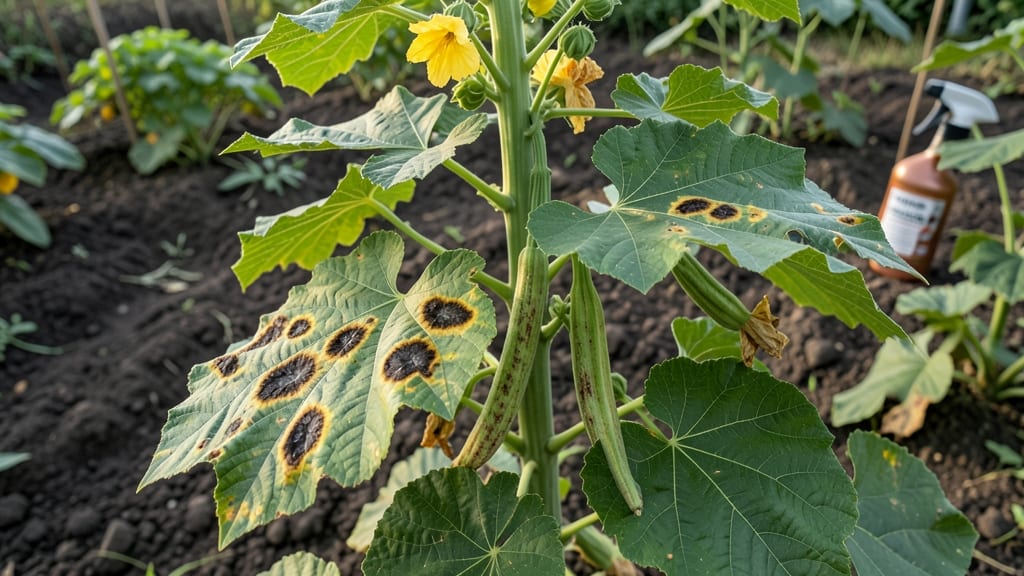
Your okra plants are screaming for help with those ugly brown spots. 🌱 I’ve seen this leaf spot turn healthy plants into sad, yellowing shadows—until I learned these three fast fixes that stop the fungus in its tracks.
The spots start small but spread like wildfire when humidity and heat team up. Most gardeners panic and reach for chemicals, but I’ve found organic solutions that work just as fast—copper spray, neem oil, and pruning the worst leaves—without harming your plants or the soil.
Within a week, you’ll see fresh green leaves pushing out, and the spread stops dead. The key is acting early and keeping the air moving around your plants so that fungus doesn’t get cozy. This works for home gardens, raised beds, or even container-grown okra.
Let’s get those plants back to thriving!
Root Causes Of Leaf Spots
Okra leaf spots—those unsightly brown or black blemishes—don’t just appear out of nowhere. They’re usually the result of a mix of fungal pathogens, environmental stress, and poor plant health. Understanding the why behind these spots is the first step to stopping them in their tracks.
Below, we break down the key culprits and how they create the perfect storm for fungal outbreaks.
Most leaf spots on okra are caused by fungal infections, with Pseudocercospora (the most common) and Alternaria being the top offenders. These fungi thrive in warm, humid conditions and spread via:
- Spores in the air or water: Fungal spores land on leaves, germinate, and penetrate weak spots in the plant’s cuticle.
- Infected plant debris: Leftover plant material from previous seasons can harbor spores, ready to reinfect new growth.
- Wet foliage: Prolonged leaf wetness (especially from dew or overhead watering) gives fungi the moisture they need to multiply.
💡 Pro Tip: Fungi love stagnant water—avoid watering leaves directly (aim for the soil instead) to reduce their chances of taking hold.
Fungal leaf spots don’t just appear—they’re often triggered by environmental conditions. Key weather-related causes include:
| Factor | How It Helps Fungi |
|---|---|
| High humidity (70%+) | Creates a damp, ideal environment for spores to germinate and spread. |
| Warm temperatures (75–85°F) | Fungi like Pseudocercospora grow fastest in this range, accelerating infection. |
| Frequent rain or poor drainage | Keeps leaves wet for long periods, giving fungi a foothold. |
| Sudden temperature swings | Stresses the plant, weakening its natural defenses. |
✨ Actionable Fix: If your area is prone to humidity, improve airflow with spacing or pruning, and water in the early morning so foliage dries quickly.
A stressed okra plant is like an open invitation to fungi. Common plant health issues that make leaf spots worse include:
- Nutrient deficiencies: Lack of nitrogen, potassium, or magnesium weakens leaves, making them easier targets.
- Overcrowding: Poor air circulation traps moisture and spores, speeding up infections.
- Physical damage: Hail, insects, or rough handling create entry points for fungi.
- Improper pruning: Cutting too close to the stem or using dirty tools can introduce pathogens.
🔥 Prevention Tip: Rotate crops yearly to avoid soil-borne fungal buildup, and use balanced organic fertilizers to keep plants robust.
Once you identify which factors are at play in your garden, you can target the right fixes—whether it’s adjusting watering habits, improving airflow, or boosting plant immunity. The next step? Organic treatments to stop the spread.
Fixing Fungal Spots Naturally
Okra leaf spot may feel like a losing battle, but with the right organic approach, you can reclaim healthy, vibrant plants. The key is to address the root cause—whether it’s fungal spores, poor airflow, or overwatering—and apply targeted solutions.
Below, we break down the most common triggers and the easy, chemical-free fixes to stop the spread.
If your okra plants are soggy or sitting in waterlogged soil, fungal spores thrive in this damp environment. Fix it fast with these steps:
- 🔥 Space Out Watering – Water only when the top 1–2 inches of soil feel dry. Early morning is best to allow foliage to dry before nightfall. - 👨🍳 Improve Drainage – Amend heavy clay soil with compost or sand to help water drain.
If containers are the issue, add drainage holes. - 🥘 Raise Planting Beds – If your garden floods easily, consider raised beds or mounds to keep roots aerated.
💡 Pro Tip: Use a moisture meter to track soil dampness—okra prefers slightly dry conditions over constant wetness.
Fungal spores spread like wildfire in tight, humid conditions. Open up your okra’s airflow with these moves:
- ⏰ Thin Out Plants – Remove overcrowded okra plants to allow 3–4 feet of space between each.
This reduces humidity and improves air circulation. - 🔪 Prune Lower Leaves – Trim yellowing or spotted leaves (especially those touching the ground) to prevent spore transfer. - 🌡️ Avoid Mulching Too Thickly – Use a 2–3 inch layer of straw or grass clippings (not wood chips, which retain moisture).
✨ Prevention Hack: Stake taller okra varieties to keep leaves off the soil, where spores lurk.
Once leaf spot appears, act fast with these non-toxic but effective treatments:
| Solution | How to Use | Frequency |
|---|---|---|
| Neem Oil Spray | Mix 1 tsp neem oil + 1 tsp mild soap + 1 quart water. Spray under leaves too. | Every 7–10 days until new growth appears. |
| Baking Soda Mix | Dissolve 1 tbsp baking soda + 1 tsp oil + 1 gallon water. Spray early morning. | Weekly during wet seasons. |
| Copper Fungicide | Use organic copper soap (like Copper Septicide). Follow label rates. | Every 10–14 days until symptoms fade. |
| Milk Spray (Lactic Acid) | Mix 1 part milk + 9 parts water. Spray directly on spots. | Every 5–7 days (works best in early infection). |
🔥 Caution: Always test sprays on a small leaf first to avoid burning tender foliage.
A healthy okra plant fights off leaf spot better. Feed it right with these organic boosts:
- 🍎 Compost Tea – Brew 1 cup compost in 5 gallons water for 24–48 hours.
Strain and spray on leaves weekly. - 💪 Fish Emulsion or Seaweed Extract – Use a 1% solution every 2 weeks for nutrient-rich foliar feeding. - 🥗 Rotate Crops – Never plant okra (or other malvaceae family crops like hibiscus) in the same spot two years in a row.
🎯 Long-Term Fix: Plant resistant varieties like ‘Clemson Spineless’ or ‘Emerald’ if leaf spot is a recurring issue.
The best cure? Never letting it take hold. Follow these easy habits to keep your okra spot-free:
✅ 🌞 Plant in Full Sun – Okra needs 6+ hours of sunlight daily to dry leaves quickly. ✅ 💦 Water at the Base – Avoid overhead sprinklers that wet leaves (encouraging spores). ✅ 🧹 Clean Up Debris – Remove fallen leaves and plant waste weekly to eliminate spore sources. ✅ 🌱 Start with Healthy Seedlings – Buy from reputable nurseries and inspect plants before transplanting.
Final Thought: Leaf spot doesn’t have to mean game over—combine good airflow, smart watering, and preventive sprays, and your okra will bounce back stronger. 🚀 Start with one or two fixes this week, and watch those spots disappear!
Frequently asked questions
What do okra leaf spots look like?
Okra leaf spots typically appear as small brown or black circular marks with yellow halos on the leaf surface. They often start on older leaves but spread quickly to younger growth. The spots may merge over time, causing larger dead patches. Unlike powdery mildew, leaf spots are usually flat and don't have a fuzzy texture.
How quickly can okra leaf spot spread?
In warm, humid conditions, leaf spot can spread within 3-7 days if left untreated. Fungal spores thrive when temperatures stay between 75-85°F with high humidity. The key is acting fast—once you see the first spots, treat immediately to prevent total plant infection.
Can I still harvest okra with leaf spots?
Yes, but only the healthiest pods from unaffected areas of the plant. Remove any pods showing signs of infection (like discoloration or soft spots). Focus on harvesting frequently to reduce plant stress, which helps it fight the disease better. Just wash pods thoroughly before eating.
Will copper spray kill my okra plants?
No, when used correctly, organic copper fungicides are safe for okra. Always follow label instructions and test on a small leaf first. Copper works by preventing spore germination, not harming the plant itself. Just avoid applying when leaves are wet or in extreme heat to prevent leaf burn.
How can I prevent leaf spot next season?
Start with crop rotation—never plant okra in the same spot two years in a row. Improve airflow by spacing plants 3-4 feet apart, and water at the base only. Clean up all plant debris after harvest to remove spore sources, and consider resistant varieties like 'Emerald' for better protection.