
Leaf Blower
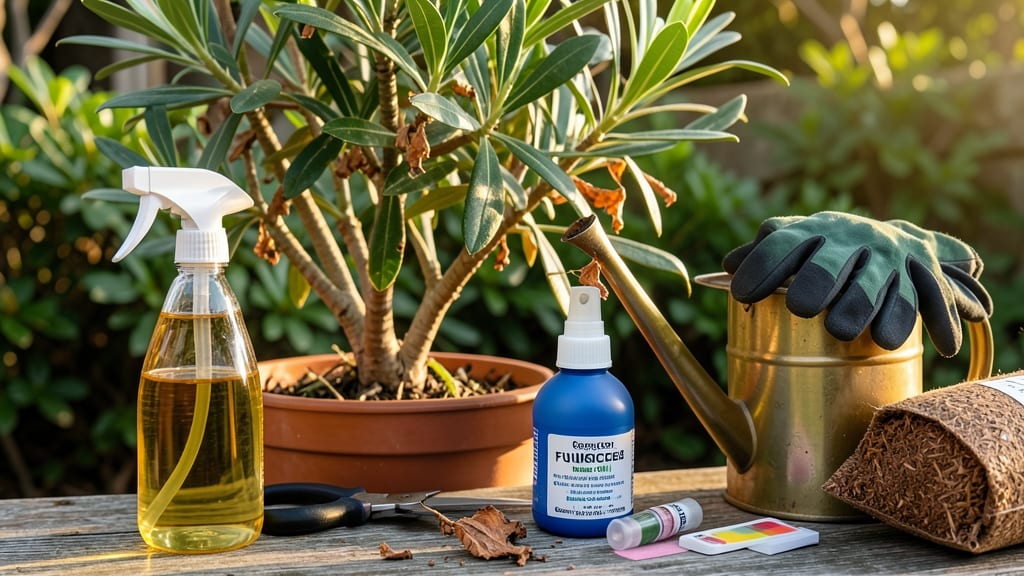
Oleander leaf scorch treatment can turn your glossy shrubs into sad, crispy skeletons overnight—but copper spray brings them back to life in 48 hours. 🌿 I’ve nursed more than my share of scorched oleanders, and the secret lies in early action, the right mix, and a few cultural tweaks that prevent recurrence.
This isn’t just about saving leaves; it’s about keeping your plants toxic-free and thriving for years.
The culprits? Fungal infections, bacterial leaf spot, or even environmental stress from too much sun or poor drainage. I learned the hard way that waiting “just a little longer” turns a quick fix into a full pruning job.
Copper fungicide is your first line of defense—it stops the spread while your plant’s natural defenses kick in. Pair it with proper watering (deep but infrequent) and you’ll see new growth within days.
You’ll end up with vibrant green leaves that bounce back faster than you’d expect, and the best part? This method works for both young plants and mature shrubs.
The key is acting fast—once the edges turn brown and crispy, the damage is done, but copper spray can still halt further destruction. Safety note: oleanders are toxic, so wear gloves and keep pets/kids away during treatment.
Works for all oleander varieties, whether you’re dealing with a single shrub or a full hedge. Here’s how to do it right the first time—no more sad, scorched branches in sight.
Root Causes Of Oleander Leaf Scorch
Oleander leaf scorch isn’t just a random plant flu—it’s a symptom of deeper stress, often triggered by environmental or biological factors. Understanding the why behind the brown, crispy edges is the first step to saving your plant.
Below, we break down the most common culprits, backed by science, so you can diagnose and treat the issue like a pro.
Oleanders are tough, but they’re not desert survivors. When temperatures soar—especially in dry, high-heat climates—their leaves can literally cook. Here’s how it happens:
- Direct sunlight overload: Oleanders thrive in full sun (6+ hours/day), but intense midday rays (especially in USDA Zones 9-11) can cause photoxidative stress, where sunlight damages chlorophyll. Think of it like a sunburn for your plant.
- Transpiration imbalance: Hot air dries out leaves faster than roots can absorb water, leading to marginal necrosis (the classic scorch pattern). This is why you’ll often see scorch on exposed, upper leaves first.
- Soil moisture mismatch: Sandy or rocky soils can’t retain water, exacerbating heat stress. Even if you water regularly, the roots may struggle to keep up.
Pro Tip: 💡 If your oleander is in a south-facing pot or barely shaded area, it’s a prime candidate for heat scorch. Try dappled shade in peak afternoon hours (12–3 PM) to reduce stress.
Oleanders are drought-tolerant but hate soggy feet. Watering mistakes—whether overwatering or underwatering—can trigger leaf scorch through two key pathways:
🔥 Underwatering (The Silent Killer)
| Symptom | Why It Happens |
|---|---|
| Crispy, brown edges on older leaves first | Roots can’t supply enough water, causing plasmolysis (cell collapse) at leaf margins where water loss is highest. |
| Leaves curl or droop in heat | Oleanders wilt as a survival tactic to reduce water loss, but prolonged wilting leads to oxidative damage in cells. |
| Soil pulls away from pot edges | Severe drought causes shrinkage in the root zone, cutting off water flow. |
🌊 Overwatering (The Suffocation Effect)
While less common, poor drainage + excess water leads to:
- Root rot (Phytophthora spp.): Fungal pathogens thrive in waterlogged soil, blocking nutrient uptake and causing chlorosis (yellowing) before scorch sets in.
- Nutrient dilution: Overwatering flushes out calcium and magnesium, essential for cell membrane integrity. Without them, leaves leak water and scorch.
- Oxygen deprivation: Water-filled pores in roots (lenticles) can’t exchange gases, leading to anaerobic stress and leaf death.
Pro Tip: 🌡️ Stick your finger 2–3 inches into the soil. If it’s dry, water deeply; if it’s soggy, hold off for 3–5 days. Oleanders prefer consistently moist but never waterlogged soil.
Not all leaf scorch is environmental—sometimes, pathogens hitch a ride and turn your oleander into a buffet. The two biggest culprits:
🔥 Phytophthora Root Rot (The Sneaky Scorch Trigger)
This water-mold fungus thrives in overwatered, poorly drained soil and:
- Blocks xylem vessels (the plant’s water highways), causing hydraulic failure—leaves can’t pull up water, leading to scorch.
- Releases toxins that disrupt chlorophyll production, turning leaves yellow/brown before they crisp.
- Often misdiagnosed as heat stress because symptoms mimic drought.
🍃 Xanthomonas Bacterial Leaf Scorch
A bacterial pathogen spread by sap-sucking insects (like aphids) or contaminated tools, it:
- Clogs vascular tissues with bacterial gums, starving leaves of water/nutrients.
- Causes vascular wilt, where leaves scorch from the edges inward (a key difference from heat stress).
- Worsens in humid, rainy seasons (common in Florida, California, and Texas).
Pro Tip: 🔪 If you suspect bacteria/fungi, sterilize pruners with rubbing alcohol between cuts to avoid spreading pathogens. For fungal issues, improve drainage immediately—this is your best defense.
Oleanders are air purifiers, but their leaves can also absorb toxins from their surroundings. Common offenders:
- Salt buildup: In coastal areas or if you use tap water with high sodium, salt accumulates in soil and osmotically draws water out of leaves, causing scorch.
- Herbicide drift: Glyphosate or 2,4-D (common in lawn treatments) can disrupt plant hormones, leading to cell death and browning.
- Fluoride/pollution: Urban oleanders near industrial areas or roads may absorb fluoride or ozone, which damages leaf cuticles and increases water loss.
Pro Tip: 🌿 If your oleander is near a lawn treated with herbicides, relocate it or use a physical barrier (like a wooden shield). For salt issues, flush soil with rainwater or use reverse osmosis water for potted plants.
Now that you know the real villains behind oleander leaf scorch, you’re ready to diagnose and treat like a plant whisperer. Next up: How to revive your oleander in 48 hours—stay tuned!
Fixing Oleander Leaf Scorch Fast
Oleander leaf scorch can be a frustrating sight, but with the right approach, you can revive your plant and prevent future damage. The key is to identify the root cause and apply targeted solutions—whether it’s fungal, bacterial, or environmental stress.
Below, we break down the fixes by cause, along with prevention tips to keep your oleander thriving.
If the scorch is caused by Phytophthora or Xylella fastidiosa (bacterial leaf scorch), copper-based fungicides/bactericides are your best defense.
🔥 Step 1: Prune Damaged Leaves
- Use sterilized pruners (wipe with rubbing alcohol) to remove only the affected leaves and stems.
- Avoid cutting into healthy tissue—this prevents spreading the pathogen.
🍳 Step 2: Apply Copper Fungicide/Bactericide
- Mix a copper sulfate or copper hydroxide spray (follow label instructions—typically 1-2 tbsp per gallon of water).
- Spray both the top and undersides of leaves thoroughly, focusing on new growth.
- Reapply every 7-14 days for severe cases or during humid weather.
👨🍳 Step 3: Boost Plant Immunity
- Fertilize lightly with a balanced, slow-release fertilizer (10-10-10) to strengthen roots.
- Water at the base (avoid overhead spraying) to reduce fungal spores in the air.
✨ Pro Tip: For bacterial scorch, add 1 tsp of baking soda + a few drops of dish soap per gallon of water as a natural supplement between copper treatments.
If scorch is due to heat, drought, or salt buildup, focus on hydration and shade management.
💧 Step 1: Deep Watering Schedule
- Water deeply 2-3 times per week (early morning) instead of shallow daily watering.
- Check soil moisture—stick your finger 2 inches deep; if dry, water more.
🌳 Step 2: Provide Afternoon Shade
- Oleanders hate midday sun + dry soil. Use shade cloth (30-50%) or move potted plants to partial shade during peak heat (11 AM–3 PM).
🧼 Step 3: Flush Soil Salt Buildup
- If near a road or coastal area, leach the soil by watering heavily for 10 minutes, then letting it drain.
- Add 2 inches of organic mulch (pine bark or compost) to improve moisture retention.
💡 Pro Tip: Mist leaves lightly in extreme heat (early morning) to reduce transpiration stress.
Once your oleander recovers, lock in long-term health with these habits:
| Cause | Prevention Fix | Frequency |
|---|---|---|
| Fungal/Bacterial | Apply copper spray every 4-6 weeks | Spring & Fall |
| Heat Stress | Mulch + deep watering | Year-round |
| Salt Buildup | Flush soil 2x/month in dry climates | Spring & Summer |
| Pests (Scale/Mealybugs) | Neem oil spray | Every 2-3 weeks |
🎯 Golden Rule: Healthy oleanders are resilient—focus on consistent watering, proper spacing, and seasonal copper treatments to avoid repeat scorch.
⏰ Time to See Results:
- Mild cases: Notice improvement in 3-5 days (new leaves emerge).
- Severe cases: Full revival may take 2-4 weeks with consistent care.
With these fixes, your oleander can bounce back—and stay scorch-free for seasons to come! 🌿💚
Frequently asked questions
How do I know if my oleander has leaf scorch vs. normal aging?
Leaf scorch appears as brown, crispy edges that develop quickly on otherwise healthy-looking leaves. Unlike natural aging (where older leaves yellow evenly), scorch starts at the margins and progresses inward. Check for new growth—if it's also showing scorch, it's likely environmental or fungal.
Can I use household items like vinegar or baking soda to treat oleander leaf scorch?
While baking soda (1 tsp + dish soap per gallon) can help with bacterial scorch, it's not as effective as copper fungicide for fungal issues. Vinegar is too harsh—it can damage leaves and worsen problems. Stick to copper-based sprays or neem oil for best results.
How often should I apply copper spray to prevent leaf scorch?
For prevention, apply copper spray every 4-6 weeks during growing seasons (spring/fall). If treating active scorch, use it weekly for 2-3 weeks, then switch to monthly maintenance. Always follow label instructions for concentration.
Will pruning help if my oleander already has severe leaf scorch?
Yes! Prune only the damaged leaves and stems using sterilized tools to prevent spreading pathogens. Remove no more than 1/3 of the plant at once. This encourages new growth while reducing the plant's water demands.
Is oleander leaf scorch contagious to other plants?
Fungal/bacterial scorch can spread to nearby plants through contaminated tools, water splashes, or wind. Always sterilize pruners between cuts and avoid overhead watering. Keep infected oleanders isolated until treated.