
Pruning
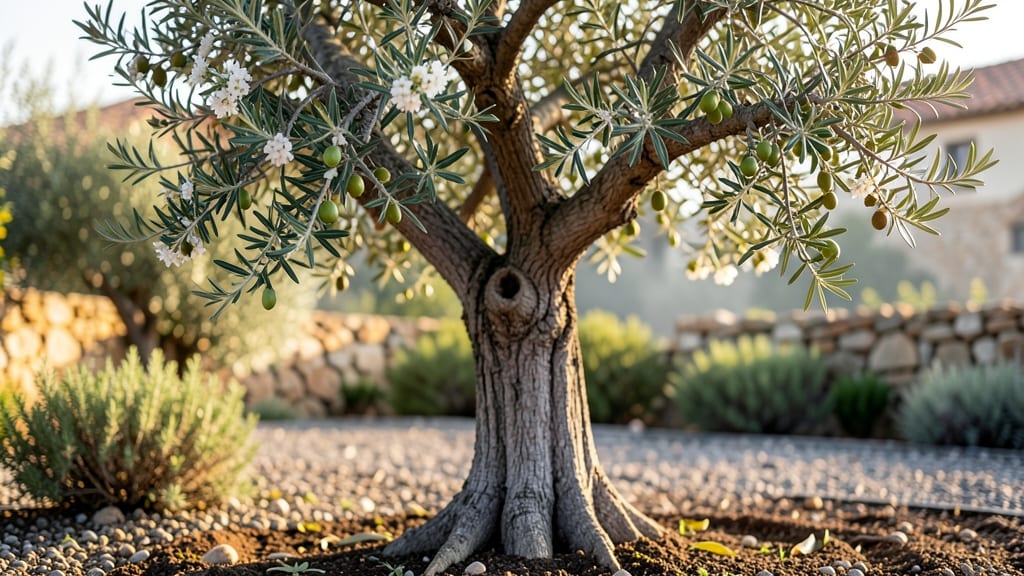
Pruning your olive leaf tree (Olea europaea) isn’t just about shaping—it’s about year-round health that keeps those silvery-green leaves lush and productive. 🌿 I’ve learned the hard way that skipping pruning leads to dense, tangled branches where pests and disease hide.
The right cuts at the right times transform your tree into a thriving, sunlit masterpiece that rewards you with fragrant foliage (and maybe even olives if you’re lucky).
Start with three strategic cuts: light shaping in early spring to encourage new growth, a mid-summer trim to remove deadwood and improve airflow, and a winter cleanup to prep for dormancy. Each cut serves a purpose—spring fuels growth, summer prevents stress, and winter keeps the tree tidy.
No fancy tools needed, just sharp pruners and a clear plan. You’ll end up with a tree that’s more open, more vibrant, and easier to care for—plus, those olive leaves become even more fragrant and potent for teas or remedies.
The key is working with the tree’s natural rhythm, not against it. Think of pruning as a conversation, not a chore. Works for both ornamental varieties and olive-producing trees, whether you’re in Zone 8-10 or pushing the limits in cooler climates. Let’s get those branches in shape!
📚 In This Guide
- What you need
- Instructions
- Tips and common mistakes
- Wrapping up and next steps
What you need
- ● Pruning shears: Bypass pruners (sharp, 7–9" blades) for clean cuts on small branches. Pro tip: 💡 Sanitize blades with rubbing alcohol before and after use to prevent disease spread.
- ● Loppers: 1 pair (18–24" long) for medium branches (½"–1½" diameter). Opt for ratcheting loppers for stubborn cuts.
- ● Pruning saw: 1 curved-tooth saw (for branches >1½" thick). Pro tip: 🔥 Avoid cheap saws—they dull quickly and tear wood.
- ● Ladder: Extendable aluminum ladder (16–20 ft) for tall trees. Pro tip: ✨ Use a stabilizer for safety on uneven ground.
- ● Gloves: 1 pair of cut-resistant, breathable gloves (e.g., Mechanix or leather).
- ● Disposable pruning bags: 2–3 heavy-duty bags (13-gallon) for debris collection.
- ● Rag or paper towels: For wiping tools and cleaning sap.
- ● Hand pruners: Compact shears for precision trimming (great for shaping).
- ● Tree wound dressing: Pruning sealant (controversial but useful for large cuts >2" diameter).
- ● Labeling tags: Small plant markers to tag pruned branches if testing grafting.
- ● Safety gear: Goggles (to shield from debris) and ear protection (if using a chainsaw for very large branches).
- ● Hose & spray bottle: For rinsing tools and cleaning sap off branches.
- ● Weather check: Prune on a dry, cloudy day (avoid midday heat). Ideal temps: 50–75°F.
- ● Tree health assessment: Inspect for pests/disease (e.g., olive knot fungus). Pro tip: 🌡️ If branches are mushy or oozing, skip pruning—treat the issue first!
- ● Work area setup: Clear a 10-ft radius around the tree.
- ● Lay down a tarp or drop cloth for easy cleanup.
- ● Sharpness test: Cut a small twig—if it crushes instead of slices, sharpen your tools!
Instructions for pruning olive leaf trees
Here's the method I trust to keep olive leaf trees thriving year-round, using just three targeted cuts.
✂️ Step 1: Perform Light Structural Pruning in Late Winter
Start your pruning in late winter (February or early March) when the tree is still dormant but before new growth begins. This is the ideal time to remove any dead, diseased, or crossing branches that could hinder airflow or sunlight penetration. I always begin by inspecting the tree from all angles, looking for branches that are rubbing against each other or growing inward.
Use clean, sharp pruning shears to make cuts just outside the branch collar—the swollen area where the branch meets the trunk. Avoid leaving stubs, as they can invite disease. If you're pruning a young tree, focus on shaping it into an open vase form, which allows sunlight to reach the lower branches where leaves grow best.
Here's the thing—olive leaf trees are naturally dense, so resist the urge to remove too much foliage at once. Aim to prune no more than 25% of the tree's canopy in a single session. You'll see new growth emerge within 4-6 weeks, signaling the tree is responding well to the cut.
🌿 Step 2: Lighten the Canopy During Early Summer
Move to early summer (June) for your second pruning, focusing on thinning out the canopy to improve air circulation and sunlight exposure. Olive leaf trees produce their best-quality leaves when they receive at least 6 hours of direct sunlight daily, so prioritize branches that are shading the lower leaves.
Look for branches that are growing too densely or have lost their vigor—these are often the ones with yellowing or sparse foliage. Make your cuts just above an outward-facing bud to encourage new growth in the right direction. I like to step back every few cuts to visualize the tree's shape, ensuring I'm not creating a "bald spot" that would look unnatural.
This is the moment that matters: avoid pruning during extreme heat or drought, as the tree will struggle to recover. Water the tree deeply 24 hours before and after pruning to help it bounce back faster. You'll notice new shoots forming within 2-3 weeks, which is a great sign the tree is healthy and ready for the next growing season.
✂️ Step 3: Refine Shape and Remove Weak Growth in Early Fall
Your final pruning of the year should happen in early fall (September or October), just before the tree enters dormancy. This is when you refine the tree's shape, remove any weak or spindly growth, and prepare it for winter. Focus on branches that are growing in an undesirable direction or have become overly leggy.
Use hand pruners for smaller branches and loppers for thicker stems, always making cuts at a 45-degree angle just outside the branch collar. Avoid heavy pruning at this stage—think of it as a light touch-up rather than a major overhaul. The goal is to encourage a balanced, bushy growth habit that will produce abundant leaves come spring.
Real talk: if you notice any signs of pest infestation or disease during this pruning, don't hesitate to remove the affected branches immediately. Olive leaf trees are generally hardy, but they're not immune to issues like scale insects or fungal infections. Sterilize your pruning tools with rubbing alcohol between cuts to prevent spreading any potential problems.
Tips & tricks for pruning olive leaf trees
These strategic insights will help you maintain your olive leaf tree's health while avoiding common pruning pitfalls.
Timing is Everything: The late winter pruning in Step 1 is critical because olive leaf trees are still dormant but ready to respond to pruning. If you prune too early, you risk damaging new growth that hasn't emerged yet. For the early summer pruning in Step 2, I recommend scheduling it on a cloudy day to reduce stress on the tree—olive leaf trees are sensitive to extreme heat during pruning. The 6 hours of sunlight mentioned is non-negotiable for leaf quality, so prioritize branches blocking lower foliage.
Visual Cues for Perfect Cuts: When making cuts in Step 1, look for the branch collar—the swollen area where the branch meets the trunk. This is your target spot for clean cuts that heal properly. In Step 2, focus on branches with yellowing leaves or sparse foliage—they're clear indicators of poor vigor. For Step 3, identify leggy branches by their long, thin growth pattern compared to the bushier, healthier branches. Always make cuts at a 45-degree angle just outside the branch collar to prevent water pooling and disease entry.
Equipment Essentials: Invest in a good pair of pruning shears for branches up to ½-inch thick and loppers for thicker stems. I've found that sterilizing tools with rubbing alcohol between cuts in Step 3 prevents spreading fungal spores or pests. For larger trees, consider using a pole saw for high branches—safety first! Remember, clean tools mean healthier cuts and faster healing for your olive leaf tree.
Recovery Watch: The 4-6 weeks mentioned for new growth in Step 1 is a great benchmark, but monitor your tree closely. If you notice wilting or yellowing leaves after pruning, it could indicate stress—water deeply and avoid pruning until the tree recovers. The 2-3 weeks for new shoots in Step 2 is a good sign, but if you don't see any growth after 4 weeks, reconsider your pruning approach or check for underlying issues like pests or disease.
Pro Tips for Olive Leaf Tree
- These strategic insights will help you maintain your olive leaf tree's health while avoiding common pruning pitfalls.
- Timing is Everything: The late winter pruning in Step 1 is critical because olive leaf trees are still dormant but ready to respond to pruning.
- Visual Cues for Perfect Cuts: When making cuts in Step 1, look for the branch collar—the swollen area where the branch meets the trunk.
Frequently asked questions
Got questions about pruning your olive leaf tree?
Here are some of the most common concerns—and straightforward answers—to help you keep your tree thriving year-round.
When is the best time to prune an olive leaf tree?
The ideal time is late winter or early spring (before new growth starts). However, you can also prune lightly in summer to shape the tree. Avoid heavy pruning in fall or winter, as it can stress the tree before dormancy.
How much can I trim without harming my olive leaf tree?
Olive leaf trees are resilient, but avoid removing more than 25-30% of the foliage at once. Heavy pruning can reduce fruit production and stress the tree. For mature trees, spread cuts over multiple seasons if needed.
Why are my olive leaves turning yellow after pruning?
Yellowing leaves are usually normal if only a few appear—it’s the tree’s way of shedding old growth. But if it spreads, check for over-pruning, pests, or disease. Ensure you’re using sterilized tools and avoid cutting into dead wood.
Can I prune an olive leaf tree in hot or cold weather?
Prune in mild weather (50–75°F) to reduce stress. Avoid extreme heat (which causes dehydration) or freezing temps (which slows healing). If you must prune in summer, do it early in the morning or late afternoon.
What if I accidentally prune too much?
Don’t panic! Olive trees recover well. Water deeply after pruning, avoid fertilizing for a few weeks, and monitor for new growth. If the tree looks weak, prune only the tips of branches next time to encourage regrowth.
Wrapping up and next steps
Pruning your olive leaf tree doesn’t have to be intimidating—with the right timing and tools, you can keep it thriving year-round! 🌿 By mastering the three strategic cuts (light shaping in spring, structural pruning in summer, and minimal cleanup in winter), you’ll encourage lush growth, better airflow, and a healthier tree.
Whether you’re a seasoned gardener or just starting, these techniques make maintenance simple and rewarding.
Ready to give your olive tree the care it deserves? Grab your pruners, mark your calendar, and start with that first spring trim! Your tree—and your future harvests—will thank you. 🌱