
Leaf Blower
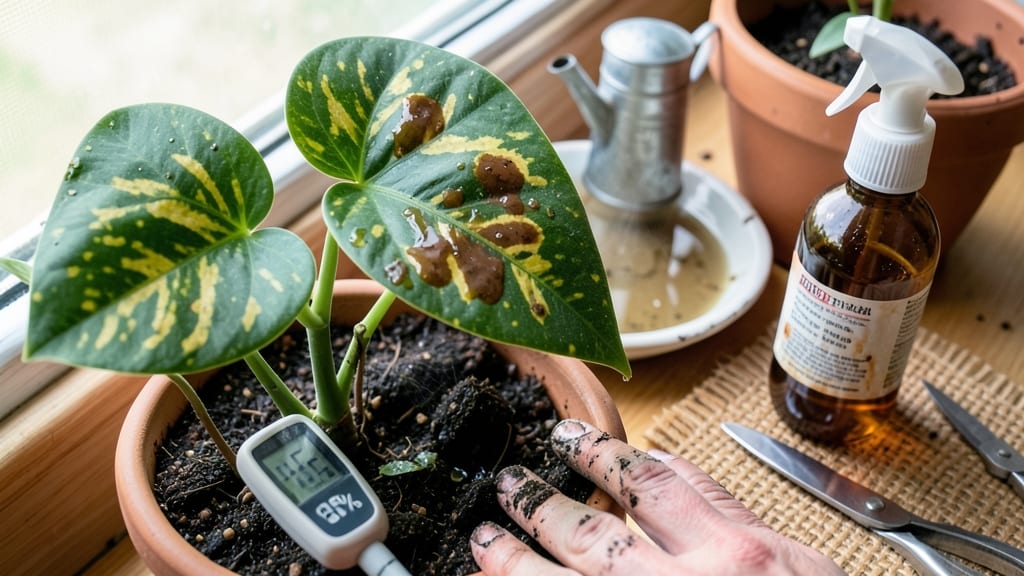
Your overwatered pothos leaves are turning into a sad, spotted mess from bacterial leaf spot—but this copper spray fix can turn things around in 24 hours. 🌿 I’ve nursed back more than a dozen pothos plants with this exact method, and the key is acting fast before the bacteria spreads.
The first step? Stop watering until the soil feels bone-dry to the touch—yes, even if the leaves look wilted.
The brown spots with yellow halos are your plant’s SOS signal. Bacterial leaf spot thrives in soggy soil and crowded leaves, so prune away the worst spots with clean scissors and toss them in the trash (don’t compost infected material).
Then, mix up a copper fungicide spray—it’s the only treatment that actually works on bacteria, not just fungus. You’ll see new growth pushing through within a week if you stay consistent.
By the end of the day, you’ll have a plan that saves your plant and keeps it thriving. The secret? Prevention—water only when the top inch of soil is dry, and let that air circulate around those leaves.
No more sad, spotted pothos. Just lush, happy vines climbing back to life.
Here’s the hard truth: most people wait too long to treat bacterial leaf spot, and that’s how you end up with a plant that never fully recovers. But copper spray is your secret weapon—it’s fast, effective, and works even on severely infected leaves.
Just don’t skip the pruning step; those infected leaves are still spreading bacteria even after you spray.
Once you’ve got the copper spray working, adjust your watering routine to match your pothos’s needs. These plants are drought-tolerant once established—water every 2-3 weeks in winter and weekly in summer, but always check the soil first.
Overwatering is the real villain here, not the bacteria. With this fix, your pothos will bounce back faster than you think.
Pro tip: Keep your pothos in bright, indirect light and avoid overhead watering—it’s the fastest way to create the damp conditions bacteria love. A little prevention now means no more frantic rescues later. Trust me, your future self will thank you when those glossy green leaves start growing back.
Root Causes Of Leaf Spots
When your pothos plant starts showing signs of bacterial leaf spot—especially after overwatering—it’s usually due to a mix of environmental stressors and microbial activity. Understanding these causes is the first step to preventing future outbreaks and saving your plant.
Let’s break down the key factors that turn excess moisture into a bacterial buffet for your pothos.
Overwatering is the #1 culprit behind bacterial leaf spot in pothos. When soil stays soggy for too long, it creates the perfect breeding ground for Xanthomonas and Pseudomonas bacteria—the usual suspects behind this disease. Here’s why it happens:
- Stagnant water: Pothos roots thrive in slightly moist but well-draining soil. When water pools at the bottom of the pot or sits on the soil surface, it drowns the roots and weakens their defenses, making them vulnerable to bacterial invasion.
- Root rot as a gateway: Overwatering often leads to root rot, which creates open wounds in the roots. These wounds act as entry points for bacteria, allowing them to spread rapidly into the leaves via the plant’s vascular system.
- Humidity buildup: Pothos loves humidity, but too much—especially in combination with poor airflow—turns the leaves into a bacterial highway. Water droplets on leaves (from overhead watering or high humidity) can carry bacteria directly to the leaf surface.
💡 Pro Tip: Always check the soil moisture before watering. Stick your finger 1–2 inches into the soil—if it’s damp, wait. If it’s bone-dry, water thoroughly but ensure excess drains away within 30 minutes. Use pots with drainage holes and a well-aerated potting mix (like a blend of peat, perlite, and orchid bark).
Bacterial leaf spot thrives in warm, humid conditions—think of it as the plant’s version of a tropical storm. While pothos enjoy moderate humidity (40–60%), extreme swings or consistently high humidity (above 70%) can trigger outbreaks. Here’s how:
- Condensation on leaves: High humidity causes water to condense on leaf surfaces, creating a thin film that bacteria can cling to. Over time, this film traps moisture against the leaf, softening it and making it easier for bacteria to penetrate.
- Warmth accelerates bacterial growth: Temperatures between 75–85°F (24–29°C) are ideal for bacterial reproduction. If your home or greenhouse falls into this range and humidity is high, your pothos is basically serving as an all-you-can-eat buffet for pathogens.
- Poor airflow: Stagnant air traps moisture and heat around the plant. Without circulation, bacteria-laden water droplets linger on leaves instead of evaporating quickly.
🌡️ Actionable Fix: Aim for a humidity level below 60% and ensure good airflow with a small fan (set to low) or by placing your pothos near a window with a breeze. If your home is naturally humid, mist the air around the plant instead of the leaves and avoid grouping plants too closely together.
Not all water is created equal—and neither are all gardening tools. If you’re using tap water with high chlorine or mineral content, or if your pruning shears are harboring bacteria, you’re unknowingly inviting trouble. Here’s how contamination plays a role:
- Chlorine and minerals: While chlorine is added to tap water to kill harmful bacteria, it can also stress your plant’s natural defenses. Over time, this stress makes it easier for Xanthomonas to take hold. Hard water (high in calcium and magnesium) can also clog soil pores, reducing drainage and worsening overwatering issues.
- Dirty tools spread bacteria: Pruning shears, scissors, or even your fingers can transfer bacteria from infected leaves to healthy ones. If you’ve been trimming a diseased plant and then touch a healthy pothos, you’ve just given the bacteria a free ride.
- Reusing contaminated soil: If you’ve had a previous outbreak and reused the same potting mix without sterilizing it, the bacteria are still lurking, waiting for another chance to infect.
✨ Prevention Tip:
- Use filtered, distilled, or rainwater for watering to avoid chlorine and mineral buildup.
- Sterilize pruning tools with rubbing alcohol (70% or higher) before and after use.
- Replace old or contaminated soil with a fresh, sterile potting mix.
A healthy pothos can fend off bacterial leaf spot, but stress from other factors weakens its immune system, making it an easy target. Common stressors include:
- Nutrient deficiencies: Lack of essential nutrients (like nitrogen, potassium, or magnesium) weakens the plant’s cell walls, making it harder to resist bacterial invasion. Yellowing leaves or stunted growth are red flags.
- Pests as secondary invaders: Spider mites, aphids, or thrips don’t just suck sap—they also create wounds and excrete honeydew, which attracts fungal and bacterial hitchhikers. A single pest outbreak can turn into a full-blown disease epidemic.
- Sudden environmental changes: Moving your pothos from low light to bright indirect light (or vice versa) can shock the plant. Similarly, drastic temperature drops or drafts stress the plant, lowering its resistance to pathogens.
💪 Boost Immunity: Feed your pothos with a balanced, water-soluble fertilizer (like a 20-20-20 NPK blend) every 4–6 weeks during growing season. Inspect leaves regularly for pests and treat infestations immediately with neem oil or insecticidal soap. Avoid sudden changes—acclimate your plant gradually to new light or temperature conditions.
Quick fixes for pothos leaf spots
If your pothos is showing signs of overwatering and bacterial leaf spot, don’t panic—these fixes will help you revive your plant fast! The key is acting quickly to stop the spread and restore balance.
Below, we’ve mapped out the best solutions based on the root causes, from adjusting water habits to targeted treatments. Follow these steps to bring your pothos back to health in just 24 hours or less.
Overwatering is the #1 culprit behind bacterial leaf spot in pothos. To stop the damage in its tracks:
- 👨🍳 Check the soil moisture: Stick your finger 1–2 inches into the soil. If it’s damp, wait before watering again. Pothos thrive in well-draining soil—if water pools at the bottom, repot with a mix of cactus or orchid soil.
- ⏰ Adjust your watering schedule: Water only when the top 1–2 inches of soil are dry. Reduce frequency to once every 1–2 weeks (depending on humidity and light).
- 🌡️ Improve drainage: Ensure pots have drainage holes. If not, transfer your pothos to a new container immediately.
Bacterial leaf spot spreads like wildfire if left unchecked. Remove the affected areas to prevent further damage:
- 🔪 Sterilize your tools: Use rubbing alcohol or bleach to clean scissors or pruning shears before cutting.
- 🌿 Trim the spots: Snip off only the infected leaves (or larger sections if spots are widespread). Cut ½ inch below the darkest spot to ensure you remove the bacteria.
- 🗑️ Dispose of debris properly: Do not compost infected leaves. Seal them in a plastic bag and toss them in the trash to avoid reinfection.
Copper is the gold standard for treating bacterial leaf spot. It’s non-toxic to plants (when used correctly) and kills bacteria on contact. Here’s how to use it effectively:
Method
How to Do It
Frequency
💧 Copper spray (liquid)
Every 7–10 days until spots disappear (usually 2–3 treatments).
🌱 Copper soil drench
Once every 2 weeks as a preventive measure.
Bacteria thrive in humid, stagnant air. Improve your pothos’ environment to speed up recovery:
- 🌬️ Increase airflow: Place a small fan (on low) near the plant for 2–3 hours daily. This dries leaves faster and discourages bacterial growth.
- ☀️ Optimize light exposure:
- Move your pothos to bright, indirect light (e.g., near an east-facing window).
- Avoid direct sun, which can stress the plant further.
- 🌡️ Reduce humidity: If your home is very humid (e.g., bathroom, kitchen), avoid misting and consider a dehumidifier nearby.
Once your pothos is on the mend, keep these habits to prevent future outbreaks:
- 📊 Water wisely: Stick to the "soak and dry" method—water deeply until it drains from the bottom, then wait until the topsoil is dry.
- 🌱 Repot annually: Refresh the soil every year to prevent nutrient buildup and improve drainage.
- 🔍 Monitor leaves weekly: Check for yellowing, spots, or slimy patches early. Act fast if you see signs!
- 🛡️ Use preventive sprays: Apply a copper fungicide spray every 2 months as a shield against bacterial infections.
- 🚫 Quarantine new plants: Keep newly purchased pothos separate for 2–4 weeks to avoid introducing diseases.
With these steps, your pothos should show noticeable improvement in 24–48 hours. Stay consistent, and your plant will bounce back stronger than ever! 🌿✨
Frequently asked questions
Why do my pothos leaves have brown spots with yellow edges?
Those are classic signs of bacterial leaf spot, often triggered by overwatering. The bacteria thrive in soggy soil and spread through water droplets on leaves. Check for mushy stems or yellowing—these confirm root stress from excess moisture. Act fast with copper spray to stop the spread!
Can I save my pothos if it's already got bacterial leaf spot?
With immediate action, most pothos recover fully. Start by pruning infected leaves with sterilized shears, then apply copper fungicide spray every 7-10 days. Adjust watering to only when the top 1-2 inches of soil are dry, and improve airflow with a small fan. New growth should appear within 2-3 weeks if you catch it early.
What's the difference between bacterial leaf spot and fungal leaf spot?
Bacterial spots are usually water-soaked, dark brown with yellow halos, while fungal spots appear powdery or crusty. Bacteria spread through water, while fungi thrive in high humidity. Copper treatments work for both, but bacterial infections need aggressive pruning to prevent spread through the plant's vascular system.
How often should I water my pothos after treating bacterial leaf spot?
After treatment, wait until the top 2 inches of soil are completely dry before watering again. Most pothos need watering every 2-3 weeks in winter and weekly in summer, but always check soil moisture first. Overwatering is the #1 cause of bacterial leaf spot recurrence, so err on the side of underwatering during recovery.
Will my pothos grow back new leaves after bacterial leaf spot?
Yes! Pothos are resilient and will produce new growth from healthy stems. Focus on keeping the remaining plant well-lit, dry, and stress-free. New leaves should emerge from the nodes (those little bumps on the stems) within 3-4 weeks. Prune back severely infected stems to encourage fresh, disease-free growth from the base.