
Pests and Diseases
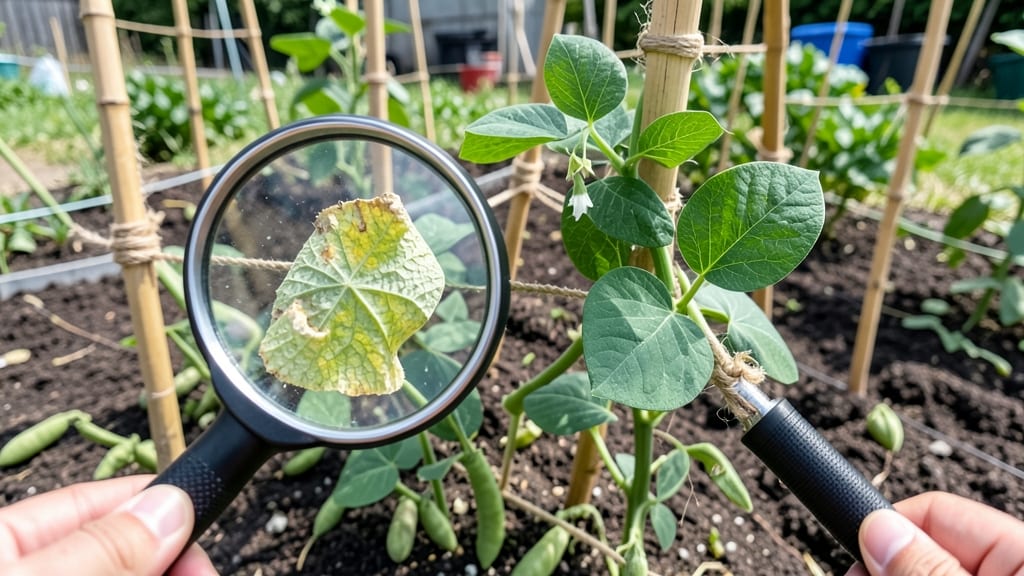
Your peas look stunted and curled, not healthy—those are classic signs of pea leaf roll virus. 🌱 This stubborn disease spreads fast, but I’ve seen gardeners save their crops with early action and smart prevention.
The key is catching it before it ruins your harvest, and I’ll walk you through exactly how.
This virus hitches a ride on aphids, which is why early spring and summer outbreaks hit hardest. You’ll spot yellowing leaves, rolled-up foliage, and plants that just refuse to grow.
The bad news? There’s no cure once it takes hold. The good news? You can stop it from spreading and protect next year’s crop with simple, organic steps.
Start by removing infected plants immediately—don’t compost them—and focus on controlling aphids naturally. Neem oil sprays and ladybugs work wonders, while resistant pea varieties (like ‘Oregon Sugar Pod’) can save your garden long-term. With these three steps, you’ll keep your peas thriving and minimize losses.
Even if you’ve lost plants before, this method works—just act fast. The sooner you intervene, the better your chances of a healthy harvest. Let’s get your garden back on track before the aphids win.
Root Causes of Plant Roll Disease
Pea leaf roll virus (PLRV) doesn’t just appear out of nowhere—it thrives due to a mix of biological, environmental, and agricultural factors. Understanding these triggers is key to stopping its spread before it devastates your peas.
Below, we break down the three primary causes of this stubborn pathogen, complete with science-backed explanations and actionable insights.
The #1 culprit behind pea leaf roll virus is the green peach aphid (Myzus persicae) and other sap-sucking aphid species. These tiny insects act as vectors, carrying the virus from infected plants to healthy ones while feeding. Here’s how it works:
- Persistent Transmission: PLRV is a non-circulative, persistent virus, meaning it stays trapped in the aphid’s gut and salivary glands for weeks—even months. Unlike some viruses that die quickly, PLRV hitches a ride for the long haul.
- Probing Before Feeding: Aphids don’t need to fully consume a plant to transmit the virus. A brief stylet probe (their mouthparts testing the plant’s sap) is enough to inject PLRV into a new host.
- High-Risk Life Stages: Nymphs (baby aphids) are just as dangerous as adults. If they hatch on an infected plant, they’re already armed with the virus.
💡 Pro Tip: Monitor aphid populations early in the growing season. Use yellow sticky traps near pea fields to catch migrating aphids before they spread PLRV.
Viruses like PLRV can linger in seeds and soil, waiting for the right conditions to infect new plants. This “sleeper” phase makes it harder to eradicate. Here’s why it’s a problem:
| Source | How It Spreads | Prevention |
|---|---|---|
| Infected Seed Stock | Seeds from infected pea plants may carry the virus internally. Even if the plant looks healthy, the virus can activate later. | Purchase seeds from certified disease-free suppliers. Test seeds via ELISA (enzyme-linked immunosorbent assay) if high-risk. |
| Surviving Weeds | Wild pea species or legume weeds (e.g., vetch) can harbor PLRV and reinfect crops when tilled into soil. | Remove weed hosts before planting. Use cover crops like clover to outcompete weeds. |
| Soilborne Pathogens | Some viruses persist in root exudates or on organic matter, surviving for years in moist soil. | Rotate crops with non-host plants (e.g., brassicas) for 3+ years. Solarize soil in hot climates to kill pathogens. |
⚠️ Warning: Avoid planting peas in the same spot year after year. PLRV can build up in the soil, making organic control nearly impossible.
PLRV doesn’t spread randomly—it exploits specific environmental triggers that weaken plants and boost aphid activity. Key factors include:
- Warm, Dry Springs: Mild winters followed by dry, warm weather create ideal conditions for aphid reproduction. With fewer natural predators (like ladybugs), populations explode.
- Overcrowded Plantings: Dense pea stands reduce airflow, increasing humidity and stress on plants. Stressed peas are more susceptible to viral uptake.
- Late Planting: Peas sown too late in the season may not develop resistance before aphids arrive. Early plantings often escape the worst infestations.
🌡️ Climate Hack: Use mulching to retain soil moisture and cool roots. This reduces plant stress and makes peas less appealing to aphids.
By tackling these root causes—aphid vectors, contaminated sources, and environmental stress—you can disrupt PLRV’s lifecycle before it takes hold. The next section covers organic defense strategies to protect your peas without chemicals.
Organic Fixes for Rolled Leaves
Now that you know what’s causing those frustratingly curled leaves, let’s tackle the problem with practical, organic solutions tailored to the root cause. Whether your pea plants are suffering from aphid infestations, viral spread, or stress, these steps will help you restore their health—without harsh chemicals.
If the virus has already taken hold, quarantine and destroy severely infected plants to prevent further spread.
- How to do it:
- Snip off and burn or bury (deeply) any plants showing severe symptoms (stunted growth, yellowing, or extreme leaf curling).
- Avoid composting—viruses can survive in organic matter.
- Pro tip: 💡 Wear gloves and disinfect pruners with 70% rubbing alcohol between cuts to avoid cross-contamination.
Since aphids and other sap-sucking pests spread the virus, starve them out and disrupt their life cycle. - Natural predators: Introduce ladybugs, lacewings, or parasitic wasps (like Aphidius colemani) to your garden.
These beneficial insects devour aphids without harming your peas. - Homemade spray: Mix 1 tsp mild liquid soap + 1 tsp neem oil + 1 quart water in a spray bottle. Spray undersides of leaves (where aphids hide) every 3–5 days until infestations vanish. - Preventive barrier: Dust plants lightly with diatomaceous earth (DE)—this microscopic powder dehydrates soft-bodied pests like aphids.
Reapply after rain.
Healthy peas resist stress and pests better. Boost their defenses with these low-effort organic boosts: - Compost tea: Brew a nutrient-rich compost tea (steep compost in water for 24–48 hours, strain) and foliar spray it weekly.
This enhances root and leaf health, making plants less vulnerable. - Balanced fertilizer: Use a low-nitrogen, high-phosphorus organic fertilizer (like bone meal or fish emulsion) to support root development. Over-fertilizing with nitrogen weakens plants, making them easier targets. - Mulch properly: Apply 2–3 inches of straw or grass clippings around the base of plants to retain moisture, suppress weeds, and reduce stress from temperature fluctuations.
Once your peas recover, break the virus cycle with these long-term strategies: - Rotate crops: Avoid planting legumes (peas, beans, lentils) in the same spot for at least 3 years.
This starves soil-borne viruses and pests. - Clean tools & soil: Sterilize gardening tools, pots, and trellises with bleach solution (1:10 bleach:water) or boiling water between plantings. - Monitor early: Inspect new plants weekly for aphids or early symptoms. Catch problems early—a few handpicked aphids are easier to manage than a full-blown infestation! - Choose resistant varieties: Opt for pea varieties bred for disease resistance, like ‘Oregon Sugar Pod’ or ‘Tom Thumb’, which tolerate stress better.
- Mild cases (aphids only): Improvement in 5–7 days with consistent spraying and predator release.
- Moderate virus spread: New growth may appear healthy in 2–3 weeks if infected plants are removed early.
- Severe infections: Expect limited recovery—focus on preventing spread to other plants and replanting next season with preventive measures.
Remember: Patience and consistency are key. Organic methods take time but yield healthier, chemical-free plants—and a garden ecosystem that naturally balances itself over time! 🌿✨
Frequently asked questions
Can pea leaf roll virus affect other plants besides peas?
Yes, while peas are the primary host, this virus can also infect other legumes like beans and lentils. It rarely spreads to non-legume plants, so focus on isolating infected legumes immediately to prevent cross-contamination in your garden.
How quickly can pea leaf roll virus spread in my garden?
Once aphids carry the virus, it can spread to nearly 100% of nearby plants within 2-3 weeks if left unchecked. Early removal of infected plants and aphid control are critical to slow this rapid transmission.
Will my peas still produce pods if infected with pea leaf roll virus?
Infected plants may produce some pods, but they'll be smaller and fewer in number. The quality also suffers—expect stunted growth and reduced yields. The best approach is prevention through aphid control and resistant varieties.
Can I save my infected pea plants with chemical treatments?
No, there's no chemical cure for pea leaf roll virus. Chemical pesticides can help control aphid vectors, but once the virus takes hold, removal of infected plants is the only effective solution. Focus on prevention for future plantings.
What's the best way to dispose of infected pea plants?
Never compost infected plants—viruses can survive in organic matter. Instead, burn them or bury deeply (at least 12 inches below soil) in a sealed trash bag. Disinfect pruners with 70% rubbing alcohol between cuts to prevent spreading the virus.