
Pests and Diseases
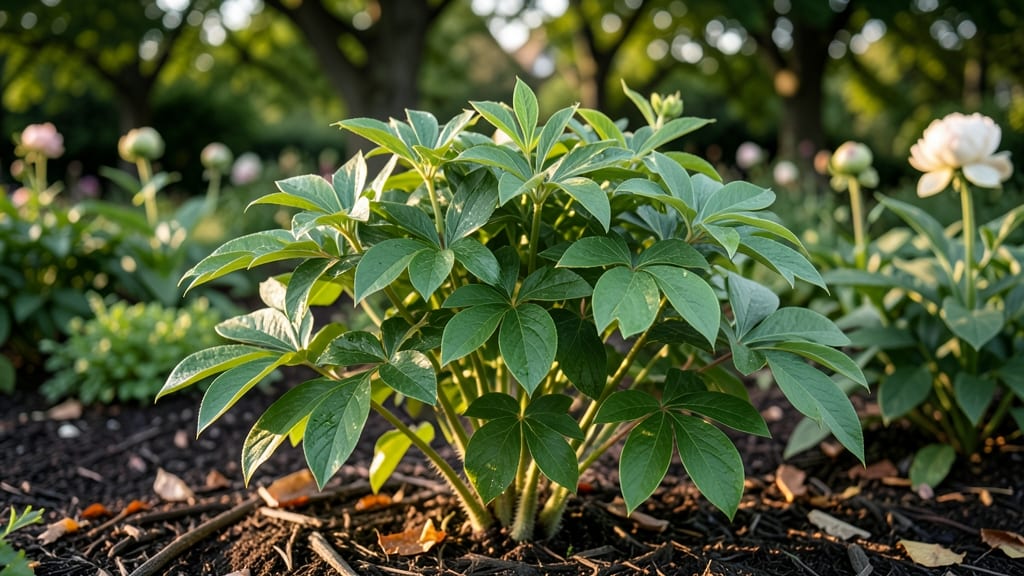
The shape of a peony leaf 🌸 can tell you more about your plant than you might think—whether it's single-lobed, double-lobed, or deeply divided, each pattern hints at the variety and even its health.
Did you know peony leaves can reveal the exact variety of your plant—even before the blooms appear? Understanding their lobed patterns and growth stages is the secret to identifying peonies with precision, whether you're a gardener, collector, or simply curious about these stunning perennials.
From the delicate lobes of 'Sarah Bernhardt' to the bold divisions of 'Bowl of Beauty,' leaf shapes vary dramatically between types. These differences aren’t just for show—they can also signal whether your plant is thriving or struggling with disease, water stress, or poor soil.
In this guide, I’ll walk you through how to read a peony’s leaves like a pro: how to match lobing patterns to specific varieties, spot early signs of trouble, and even adjust your care routine based on what you see.
How to identify peony leaf shapes by lobing patterns and variety
Peony leaves are like nature's fingerprint for each variety—their lobing patterns reveal whether you're growing a herbaceous peony, tree peony, or intersectional hybrid. Mastering these distinctions helps you identify plants before buds even form, saving time and avoiding mislabeling in your garden.
The key lies in counting lobes and observing leaf divisions, which vary dramatically between types.
For example, 'Sarah Bernhardt'—a classic herbaceous peony—features 5-7 deeply divided lobes per leaflet, while 'Bowl of Beauty' (a tree peony) has 3-5 shallow lobes with smoother edges.
These differences aren't just aesthetic; they correlate with growth habits, bloom times, and even disease resistance. Let's break down the lobing patterns that define each type.
| Peony Type | Lobe Pattern | Leaflet Count | Cultivar Examples |
|---|---|---|---|
| Herbaceous Peony | Deeply divided, 5-9 lobes per leaflet | 3-5 leaflets | 'Sarah Bernhardt', 'Kansas', 'Bartzella' |
| Tree Peony | Shallow lobes, 3-5 per leaflet | 5-7 leaflets | 'Bowl of Beauty', 'Ludlowii', 'Shinkabe' |
| Intersectional Hybrid | Moderate lobes, 4-7 per leaflet | 3-5 leaflets | 'Coral Charm', 'Sarah's Choice', 'Café au Lait' |
| Japanese Peony | Entire or slightly lobed, 1-3 lobes | 5-9 leaflets | 'Shirofubuki', 'Kokuyo', 'Toji' |
| Itoh Hybrid | Deeply divided, 7-11 lobes per leaflet | 3-5 leaflets | 'Bartzella', 'Coral Charm', 'Sarah's Choice' |
Herbaceous peonies, like 'Sarah Bernhardt', showcase the most dramatic lobing—think of a hand with fingers spread wide. Each leaflet typically has 5-9 deep lobes, creating a feathery appearance.
These varieties also tend to have 3-5 leaflets per stem, making them easier to spot from a distance. Their leaves emerge later in spring but stay vibrant until frost, which helps distinguish them from tree peonies.
Tree peonies, such as 'Bowl of Beauty', have smoother, less divided lobes—often just 3-5 shallow indentations per leaflet. Their leaves are also larger and glossier, with 5-7 leaflets per stem.
This type thrives in warmer climates (USDA zones 5-8) and blooms later than herbaceous varieties, often in May or June. The lobing is subtle enough that you might mistake them for clematis or roses if you're not paying attention.
'Coral Charm', an Itoh hybrid, bridges the gap with deeply divided lobes (7-11 per leaflet) but maintains the vigorous growth of tree peonies. These hybrids are prized for their longer bloom times and disease resistance. To identify them, look for thick, woody stems (like tree peonies) combined with herbaceous leaf divisions. Their lobing is more pronounced than tree peonies but not as extreme as classic herbaceous types.
Japanese peonies, like 'Shirofubuki', often lack deep lobes entirely, featuring entire or slightly wavy margins. Their leaves are narrower and more elongated, with 5-9 leaflets per stem. These varieties are less common in gardens but prized for their fragrant blooms and delicate foliage.
If your peony leaves look almost fern-like with minimal lobing, you're likely dealing with a Japanese type.
Pro tip: Count the lobes on one leaflet and note the leaflet arrangement. Herbaceous peonies often have opposite leaflets (paired directly across the stem), while tree peonies may show alternate patterns.
This subtle difference, combined with lobing depth, helps narrow down the variety. For example, 'Kansas' (herbaceous) has 7-9 lobes per leaflet, while 'Ludlowii' (tree) stays under 5 lobes.
Light conditions can alter lobing slightly, so compare multiple leaves on the same plant. Full sun tends to deepen divisions, while partial shade may produce softer, less defined lobes.
If you're unsure, take a photo and compare it to online databases like the American Peony Society's cultivar guide. Their visual library includes leaf close-ups for hundreds of varieties.
Remember, leaf shape changes as the plant matures. Young leaves may appear less lobed than mature foliage, so always examine fully developed leaves (typically by late spring). This attention to detail will help you accurately identify your peonies and even <
Peony leaf development stages: what shape changes mean
Peony leaves undergo fascinating transformations from emergence to maturity, and each stage reveals clues about your plant's health and variety. When I first planted herbaceous peonies, I noticed how their leaves started as tight, unlobed buds before unfurling into the iconic deeply divided shapes we recognize.
Understanding these changes helps me predict blooming times and spot potential problems early.
In the early spring, peony leaves emerge as small, folded buds with smooth edges. These buds gradually elongate as they absorb moisture and nutrients from the soil. The first true leaves appear after about 4-6 weeks, and their shape begins to take form.
This is when environmental factors like sunlight exposure and soil quality start influencing their development.
⚠️ WARNING: Leaf Shape Alert! Peony leaves that develop irregular lobing or yellowing edges may signal nutrient deficiencies (like nitrogen or iron) or fungal infections such as botrytis blight.
If your leaves appear smaller than usual or have uneven lobes, check for overwatering or compacted soil. Tree peonies often show more gradual lobing compared to herbaceous types, which develop sharper divisions faster. Always compare your plant's leaves to healthy reference photos!
By late spring, peony leaves reach their full lobed structure, typically featuring 3-5 pairs of leaflets with serrated edges. The central leaflet is usually the largest, and the lobes become more pronounced as the plant matures.
This is also when you can distinguish varieties—for example, 'Sarah Bernhardt' has broad, rounded lobes, while 'Bowl of Beauty' exhibits narrower, more pointed divisions.
Environmental factors play a critical role in leaf development. Insufficient sunlight can lead to pale, underdeveloped leaves with fewer lobes, while excessive shade may cause stretching and weaker structure. On the other hand, too much direct sun without adequate water can cause leaf scorch or crispy edges.
I’ve found that morning sun with afternoon shade produces the healthiest lobing patterns.
As leaves mature, their color deepens to a rich green, and the venation becomes more defined. This is the peak growth stage, where leaves provide energy for blooming. If your peony’s leaves yellow prematurely or drop off, it could indicate root rot or overwatering.
Conversely, dark green leaves with vibrant lobing suggest your plant is thriving and ready for its summer blooms.
Monitoring these seasonal changes helps me predict blooming times and adjust care accordingly. For instance, if leaves emerge later than usual, I know to extend the growing season with mulch or light shade cloth.
By understanding these developmental cues, you can ensure your peonies grow stronger and healthier each year.