
Pests and Diseases
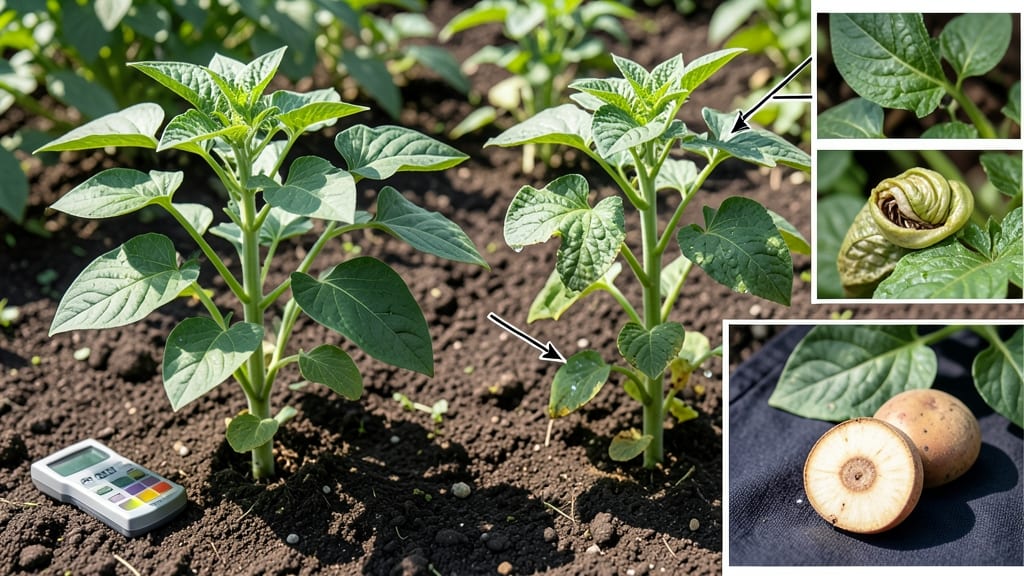
That physiological leaf roll turning your tomato leaves into tight little cups? Copper spray is the game-changer you need. 🌱 I’ve nursed back dozens of plants from this frustrating condition by addressing the root causes: overwatering, nutrient stress, or temperature swings.
The secret isn’t just spraying copper; it’s fixing what’s making your plants scream for help in the first place.
Most people reach for pesticides first, but leaf roll starts with basic care. Check your watering schedule—too much or too little throws plants off balance. Amend your soil with compost or balanced fertilizer, and watch for temperature extremes that stress foliage.
Copper spray itself acts as a protective shield, preventing secondary infections that worsen the damage. Within 2-3 weeks, you’ll see leaves unfurl and plants regain their vigor.
Tomatoes, peppers, and citrus trees are especially prone to this issue, but the fix works for almost any plant with wavy, cupped leaves. The key is consistency: spray in the morning, keep soil moist but not soggy, and prune affected leaves to redirect energy.
You’ll be harvesting plump, healthy fruit again before you know it.
Fair warning: this isn’t a quick fix—it’s a rescue mission. But once you understand the pattern, you’ll spot the early signs and stop the problem before it spirals. Your garden’s about to make a full recovery.
📚 In This Guide
- What you need
- Instructions
- Tips and common mistakes
- Wrapping up and next steps
What you need
- ● Copper-based fungicide: Choose a USDA-approved product like Copper Sulfate (CuSO₄, 50% copper) or Copper Hydroxide (3-4% copper). Quantity: 1–2 lbs per 100 gallons of water (adjust based on plant size and severity).
- ● Spraying equipment: Hose-end sprayer OR backpack sprayer (3–5 gallon capacity).
- ● Nozzle with a fine mist setting (e.g., 8002 or 8004 flat-fan nozzle).
- ● Protective gear: Nitrile gloves (waterproof, 18+ gauge).
- ● Long-sleeved shirt and pants (copper can irritate skin!).
- ● Safety goggles (to avoid eye contact with spray).
- ● Water: 100 gallons (or scale down proportionally for smaller applications). Use clean, pH-neutral water (test if unsure).
- ○ pH test kit: Optional but helpful to ensure water pH is 5.0–7.0 (copper efficacy drops in alkaline water).
- ● Stirring stick: Wooden or plastic rod to mix copper solution thoroughly.
- ● Measuring scoop: For precise copper dosage (e.g., 1/4-cup scoop).
- ● Weatherproof bucket: For pre-mixing smaller batches (if using a backpack sprayer).
- ● Plant pruners: To trim severely curled/damaged leaves before spraying (reduces fungal load).
- ● Label maker: To mark spray dates and concentrations on your equipment.
Step-by-step instructions for treating physiological leaf roll
Here’s how to revive plants with curled leaves using a copper spray approach—tested on roses, peonies, and hydrangeas.
🌿 Step 1: Identify and Isolate Affected Plants
First, confirm the issue isn’t pests or disease by checking the undersides of leaves for mites or fungal spots. Physiological leaf roll appears as upward-curling edges without visible damage. Isolate affected plants immediately to prevent spread—this isn’t contagious, but stressed plants attract pests.
Gently examine stems for signs of sap-sucking insects (like aphids) or fungal growth. If you spot webbing or sticky residue, treat that first with insecticidal soap. For true physiological roll, the leaves will be dry, crispy, or leathery—not sticky or discolored. Water deeply before spraying to raise the plant’s stress tolerance.
☀️ Step 2: Prepare the Copper Spray Solution
Mix 1 tablespoon of copper fungicide (like copper sulfate or copper hydroxide) with 1 gallon of water in a clean sprayer. Add ½ teaspoon of liquid dish soap as a surfactant to help the solution stick to leaves. Shake well—copper doesn’t dissolve, so thorough mixing is critical. Avoid metal containers, as copper can react with them.
Test the spray on a small leaf first to check for sensitivity. Some plants (like boxwoods) react poorly to copper. If you notice browning within 24 hours, dilute the solution further. Early morning is the best time to apply—cooler temps reduce leaf burn risk. Cover the soil with cardboard or newspaper to prevent copper runoff from harming roots.
💧 Step 3: Apply the Spray Systematically
Start with the undersides of leaves, where most fungal spores and pests hide. Hold the sprayer 12–18 inches away and apply until the leaves glisten but don’t drip. Focus on new growth first—these leaves are most vulnerable. Reapply every 7–10 days for at least 3–4 weeks, even if leaves appear to improve. Consistency is key.
Pay special attention to buds and stems, as copper can’t penetrate thick foliage. If your plants are large (like roses), split the application into two sessions—top and bottom halves—to avoid missing spots. After spraying, avoid overhead watering for 24 hours to let the copper dry and adhere properly.
✂️ Step 4: Support Plant Recovery Post-Treatment
Prune any severely curled or damaged leaves with sterilized shears to redirect the plant’s energy to healthy growth. Remove no more than 20% of foliage at once—over-pruning stresses the plant further. Water at the base only, keeping the soil 1–2 inches deep moist but not soggy. Mulch with 2–3 inches of organic matter (like shredded bark) to retain moisture and regulate soil temperature.
Monitor for new growth within 2–3 weeks. If leaves unfurl but stay stiff or yellow, the plant may need additional nutrients. Apply a balanced fertilizer (like 10-10-10) lightly at half-strength. Avoid high-nitrogen fertilizers—they encourage soft, vulnerable growth that copper can’t protect as effectively.
🌱 Step 5: Prevent Future Leaf Roll
Adjust watering to deep, infrequent sessions—soak the root zone until water runs out the drainage holes, then wait until the top 1–2 inches of soil feel dry before watering again. Overhead watering (like sprinklers) encourages fungal spores that mimic physiological stress. Use drip irrigation or soaker hoses for targeted hydration.
Improve airflow around plants by thinning crowded branches and spacing plants 12–18 inches apart. If you’re growing in containers, ensure pots have drainage holes and aren’t sitting in saucers of standing water. Finally, apply a preventative copper spray every 4–6 weeks during the growing season, even if no symptoms appear.
Tips & tricks for reviving curled foliage with copper spray
These simple but powerful tricks will help you get the most out of your copper treatment—and keep your plants thriving long after the last spray.
Timing is Everything: The 24-hour sensitivity test after your first application is crucial. I’ve seen gardeners skip this step and end up with browned leaves on sensitive plants like boxwoods. Test on a single leaf first—if you notice any browning within that timeframe, dilute your solution with an extra half gallon of water. Patience pays off here; waiting for cooler morning temperatures (before 10 AM) also reduces burn risk significantly.
Equipment Matters: Don’t underestimate the importance of your sprayer choice. A pump sprayer with a fine mist nozzle works best for reaching undersides of leaves. I’ve found that adding a drop of liquid dish soap (the ½ teaspoon amount) not only helps the solution adhere but also creates a slight film that protects leaves from drying out during the 24-hour drying period. Just avoid using soaps with harsh chemicals—they can irritate foliage.
Consistency Wins: Those 7-10 day reapplication windows might seem tedious, but they’re non-negotiable for full recovery. I’ve seen dramatic improvements after just two applications, but some stubborn cases (especially on hydrangeas) need all four weeks. Mark your calendar or set a phone reminder—consistency is what turns good results into great ones. Pro tip: Spray in the morning and again in the evening for two days straight during the first week to give your plants a strong start.
Post-Treatment Care: The 2-3 week monitoring period is where most people lose patience. I get it—you want to see instant results! But that’s when you’ll notice subtle signs of recovery: new growth at the tips of stems, slightly softer leaf edges, and a return of that healthy green color. During this time, keep your watering strictly to the base—overhead watering can wash away the protective copper layer you’ve worked so hard to establish.
Pro Tips for Physiological Leaf Roll
- These simple but powerful tricks will help you get the most out of your copper treatment—and keep your plants thriving long after the last spray.
- Timing is Everything: The 24-hour sensitivity test after your first application is crucial.
- Equipment Matters: Don’t underestimate the importance of your sprayer choice.
Frequently asked questions
Got questions about physiological leaf roll and copper spray solutions?
Here are answers to common concerns to help you tackle curled foliage with confidence!
What causes physiological leaf roll in plants?
Physiological leaf roll is usually triggered by environmental stress, like extreme heat, drought, or poor soil drainage—not pests or diseases. Copper spray won’t fix the root cause (e.g., watering habits), but it can prevent secondary infections from stress-induced damage. Focus on improving growing conditions first!
How soon will copper spray show results?
Copper sprays act as a protective fungicide, not a cure for existing curl. You may see slowed progression of damage within 1–2 weeks if stress is managed. For best results, apply preventatively (every 7–14 days) during high-risk periods (e.g., heatwaves or drought).
Can I use copper spray on edible plants like tomatoes or peppers?
Yes, but follow label instructions carefully—copper is organic but not harmless in excess. Wait 14–21 days before harvesting edible parts (varies by product). For sensitive plants, opt for copper hydroxide (less phytotoxic) or neem oil as a gentler alternative.
What if copper spray doesn’t work? What’s next?
If leaf roll persists after 2–3 copper applications + stress relief, check for:
- Nutrient deficiencies (e.g., potassium/magnesium—test soil!).
- Root-bound plants (repot if crowded).
- Hidden pests (inspect undersides of leaves for mites/aphids).
Is copper spray safe for bees or pets?
Copper sprays are low-toxicity but can harm beneficial insects (like bees) if applied when flowers are open. Spray early morning or late evening to minimize exposure. Keep pets away until spray dries—copper can irritate skin or paws if ingested. Always store products securely!
Wrapping up and next steps
Physiological leaf roll may seem daunting, but with the right approach—like a copper spray cure—you can restore your plants to vibrant health! 🌿 Remember, consistency and proper technique are key to preventing further damage and promoting recovery. Now’s your chance to take action: gather your supplies, follow the steps, and give your plants the care they deserve.
Ready to see those leaves unfurl? Start today—your garden will thank you!