
Leaf Blower
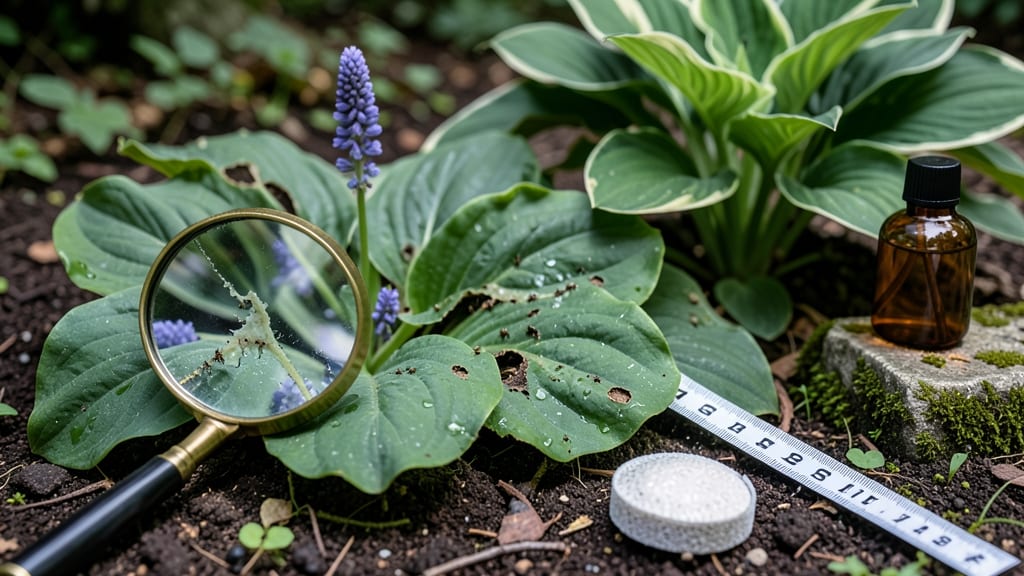
Those pictures of hosta leaf damage telling you their secrets—now you can read them. 🌿 Those jagged edges, mysterious spots, and sudden yellowing aren’t just random damage; they’re clues about what’s really going on with your plants.
The key to saving your hostas starts with identifying the exact pattern of damage, whether it’s slug trails, fungal spots, or sunburn scars.
Slugs leave behind telltale slime trails and ragged holes, while fungal infections create dark, water-soaked spots that spread like ink in water. Sunburn shows up as crispy, brown patches on leaves that have been exposed to too much midday sun.
Each type of damage has a different solution—some require physical barriers, others need fungicides, and a few just need better shade placement.
With the right diagnosis, you’ll stop guessing and start fixing. I’ve seen hostas go from looking like they’ve been through a war to thriving within weeks—just by addressing the specific issue. The best part? Most problems can be prevented with simple adjustments to your garden routine.
When in doubt, snap a photo and compare it to common patterns. If the damage keeps spreading despite your best efforts, it might be time to call in a local extension service for a second opinion. Your hostas deserve to look as good as they perform!
Root Causes Of Leaf Damage
Hostas are prized for their lush, vibrant foliage, but their leaves can quickly become a canvas of distress—whether from hungry pests, sneaky pathogens, or environmental stress. Understanding the why behind those unsightly spots, holes, or discolorations is the first step to saving your plants.
Let’s break down the most common culprits and the science behind their attacks.
Slugs and snails are the nighttime ninjas of the garden, leaving behind irregular, jagged holes and silver slime trails on hosta leaves. These gastropods prefer tender, moist foliage and are most active after rain or in humid conditions.
How it happens:
- Mechanical damage: Slugs use their radula (a toothed tongue) to scrape away leaf tissue, creating ragged edges and notches along the leaf margin.
- Selective feeding: They target younger, softer leaves first, often leaving behind a skeletonized appearance where only the veins remain.
- Overnight raids: Most damage occurs at night or in early morning, making it harder to catch them in the act.
💡 Pro Tip: Look for glossy, silver trails on leaves or soil—these are telltale signs of slug activity. Set out beer traps (a shallow dish of beer) or use copper barriers to deter them naturally.
Fungal diseases thrive in cool, wet conditions, turning hosta leaves into a buffet of decay. The most common offenders include anthracnose, leaf spot, and powdery mildew, each leaving distinct damage patterns.
| Fungus | Symptoms | Why It Strikes |
|---|---|---|
| Anthracnose | Dark, sunken spots with yellow halos | Spreads via splashing water or infected debris; loves high humidity. |
| Leaf Spot | Circular brown/black spots with gray centers | Caused by Alternaria or Septoria fungi; thrives in overhead watering. |
| Powdery Mildew | White, powdery coating on leaves | Appears in shady, poorly ventilated areas; feeds on sugars in hosta leaves. |
How it spreads:
- Spores land on leaves and germinate in moisture (like dew or rain).
- Poor airflow (e.g., dense plantings) traps humidity, giving fungi the perfect environment.
- Weakened plants (from stress or poor nutrition) are easier targets.
🌡️ Prevention Tip: Space hostas for good air circulation, water at the base (not overhead), and remove infected leaves immediately to stop spore spread.
Hostas are shade-loving plants, and when exposed to direct sunlight—especially after rain or in hot climates—they develop bleached, crispy, or brown patches (a condition called sun scorch).
How it happens:
- Excessive UV exposure: Hosta leaves contain chlorophyll, which breaks down under intense sunlight, leading to oxidative stress.
- Water droplets acting like lenses: Rain or morning dew on leaves can magnify sunlight, causing localized heat damage (like a magnifying glass on paper).
- Sudden light changes: Moving hostas from deep shade to full sun too quickly shocks their cells, leading to necrotic (dead) spots.
🎯 Fix It Fast:
- Gradually acclimate hostas to more light over 2–3 weeks.
- Provide dappled shade (e.g., under trees with filtered light).
- Mulch heavily to insulate roots and reduce temperature fluctuations.
While slugs are the most obvious, insects like aphids, Japanese beetles, and hosta borers also wreak havoc on leaves.
- Aphids: Cluster on new growth, causing curls, yellowing, and sticky honeydew (which attracts sooty mold).
- Japanese Beetles: Skeletonize leaves by chewing between veins, leaving a lace-like pattern.
- Hosta Borers: Larvae tunnel into stems, causing wilting and leaf collapse (often missed until it’s too late).
🔥 Quick Action:
- Blast aphids with a strong spray of water (disrupts their feeding).
- Handpick beetles into soapy water in the early morning.
- Inspect stems for sawdust-like frass (borer droppings) and treat with neem oil**.
Fixing Hosta Leaf Damage Step-by-Step
Now that you’ve identified the culprit behind your hosta’s distressed leaves—whether it’s slugs, fungal infections, or sunburn—it’s time to take action. The good news? Most issues are manageable with the right approach.
Below, we’ll break down practical, garden-tested solutions tailored to each cause, plus tips to keep your hostas thriving long-term.
Slugs and snails turn hosta leaves into Swiss cheese overnight, but you can starve them out, trap them, or deter them naturally.
🔥 Immediate Action: Remove & Trap
- 🍳 Handpick invaders at dawn or dusk when they’re most active. Drop them in soapy water (a humane way to dispose of them).
- 👨🍳 Set beer traps: Bury a shallow container filled with beer near hosta plants.
Slugs crawl in but can’t climb out. Replace every few days. - 🥘 Use copper barriers: Slugs hate copper! Bend copper tape (available at garden centers) around pots or create a ring around hosta clumps. A small electric shock deters them.
🌡️ Long-Term Prevention
- ✨ Mulch strategically: Use sharp-edged mulches like cedar chips or gravel, which slugs avoid.
- 💡 Prune low-growing plants near hostas to reduce hiding spots.
- 🎯 Encourage predators: Attract birds, frogs, and ground beetles by adding a small water feature or native plants they love.
Fungal spots (like anthracnose or powdery mildew) thrive in damp conditions, but you can stop the spread and restore health.
🔪 Treat Infected Leaves
- 🍳 Prune & dispose of damaged foliage immediately. Don’t compost infected leaves—bag them and toss them in the trash.
- 👨🍳 Apply fungicide: Use a copper-based or neem oil spray (both are organic and effective).
Follow label instructions for frequency. - 🥘 Improve airflow: Space hostas properly (12–24 inches apart) and avoid overhead watering. Water at the base in the morning to let leaves dry quickly.
🌡️ Prevent Future Outbreaks - ✨ Space plants for airflow—crowded gardens trap moisture. - 💡 Water wisely: Early morning is best.
Avoid evening watering, which keeps leaves damp overnight. - 🎯 Rotate crops: If possible, move hostas to a new spot every few years to break fungal cycles.
Hostas bleached or crispy from too much sun? Gradual shade and proper watering will revive them.
🔥 Quick Recovery Steps - 🍳 Move or shade affected plants: If possible, transplant hostas to a shadier spot (morning sun is better than harsh afternoon rays).
Use lightweight shade cloth (30–50%) if moving isn’t an option. - 👨🍳 Mulch heavily: A 3-inch layer of mulch keeps roots cool and retains moisture. - 🥘 Water deeply but less often: Hostas prefer consistent moisture—aim for 1 inch per week (more in extreme heat).
🌡️ Long-Term Sun Protection - ✨ Choose sun-tolerant varieties: Some hostas (like ‘Halcyon’ or ‘Francee’) handle more light than others.
Check labels when buying. - 💡 Gradual acclimation: If you’re introducing hostas to a sunnier spot, slowly increase exposure over weeks to avoid shock. - 🎯 Pair with taller plants: Use sun-loving perennials or shrubs as living windbreaks to filter harsh rays.
No matter the issue, these universal tips keep hostas happy and resilient: - 📊 Feed in spring: Use a balanced, slow-release fertilizer (10-10-10) to boost growth before pests arrive. - 💪 Divide every 3–4 years: Overcrowded hostas stress easily.
Dig up clumps, separate, and replant in early spring or fall. - 🥗 Monitor soil pH: Hostas prefer slightly acidic to neutral soil (6.0–7.0). Test your soil and amend with lime or sulfur if needed.
Remember: Patience is key! Some damage (like sunburn) may take a season to fully recover, but with these steps, your hostas will bounce back—and stay healthy. 🌿✨
Frequently asked questions
What do slug damage vs. deer browsing look like on hosta leaves?
Slug damage appears as irregular, jagged holes with silver slime trails—often along leaf edges. Deer browsing creates clean, straight cuts (like scissors) and usually targets larger leaves first. Slugs strike at night, while deer feed during dawn/dusk.
Can I still save my hosta if half the leaves are eaten by slugs?
Yes! Hostas are resilient—remove heavily damaged leaves and treat for slugs immediately. The plant will regrow new foliage from the crown. Focus on copper barriers or beer traps to prevent further damage. With proper care, your hosta can recover fully in 4-6 weeks.
Why do some hosta leaves get brown spots while others stay healthy?
This often indicates fungal infection (like leaf spot) or environmental stress. Check for damp conditions—fungi thrive in humidity. Spot-treat with neem oil and improve airflow. If only outer leaves are affected, it may be sun scorch from uneven light exposure.
How can I tell if my hosta's damage is from pests or disease?
Pest damage (slugs, beetles) shows as physical holes or chewed edges, while diseases create spots, discoloration, or powdery coatings. Look for slime trails (pests) or yellow halos around spots (fungus). Magnify suspicious areas—pest damage is mechanical, disease is often water-soaked.
Will damaged hosta leaves grow back?
Most hostas regenerate from their crown (the base). Remove severely damaged leaves, and new growth will emerge from healthy buds. For sunburn, damaged areas won't recover, but the plant will produce fresh leaves. Always address the root cause to prevent recurrence!