
Pests and Diseases
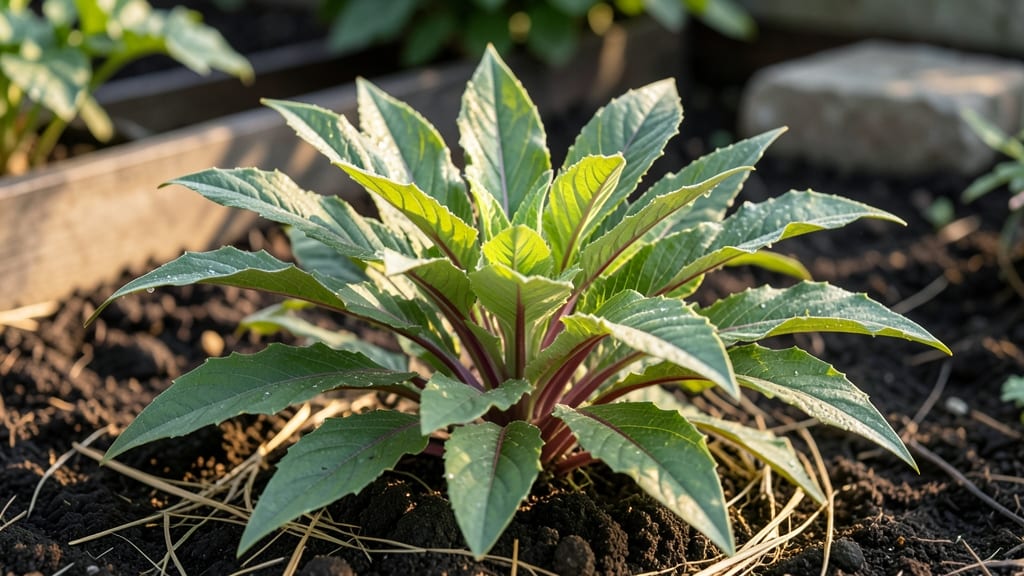
Growing pointy leaf lettuce like crisp romaine or sturdy spears means fresh salads year-round—even when frost nips at other greens. 🌱 I learned the hard way that this variety demands patience and precise timing, but the payoff is worth it: tender leaves that stay sweet and upright when other lettuces bolt into bitter stems.
The secret lies in mastering soil temperature, spacing, and a few simple tricks to keep them thriving through heat waves or chilly mornings.
You’ll need well-draining soil with a pH between 6.0 and 7.0, rich in organic matter—think compost mixed into the top 6 inches of your bed. Plant seeds ¼ inch deep, 1 inch apart, in rows spaced 12 inches apart for full-size heads or closer for baby leaves.
This variety loves cool weather but can handle light frost, making it perfect for early spring or fall plantings. Water gently at the base to avoid wetting the leaves, which helps prevent fungal diseases like downy mildew.
Harvest begins when leaves reach 6–8 inches tall, cutting the outer leaves first to encourage continuous growth. With the right care, you’ll enjoy a steady supply of crisp, flavorful lettuce for 6–8 weeks per planting. The key to avoiding bolting?
Keep soil consistently moist but never soggy, and provide afternoon shade during hot summers. Pests like aphids are less of a problem with this variety, but watch for slugs and snails—they adore tender young leaves.
This method works for both backyard gardens and containers, making it adaptable to any space. Start with disease-resistant varieties like ‘Little Gem’ or ‘Parris Island Cos’ for the easiest results. Once you’ve mastered the basics, experiment with succession planting every 2–3 weeks to enjoy fresh lettuce all season long.
The first harvest is the most rewarding—crunchy, sweet, and completely worth the effort.
📚 In This Guide
- What you need
- Instructions
- Tips and common mistakes
- Wrapping up and next steps
What you need
- ● Pointy Leaf Lettuce Seeds: 1 packet (50–100 seeds, non-GMO preferred for organic growing). Look for cold-hardy varieties like 'Arctic King' or 'Winter Density'.
- ● Growing Containers or Garden Bed: For containers: 6–8" deep pots (2–3 plants per pot) or a raised bed (12" deep). Use well-draining soil.
- ● For in-ground: A sunny spot (4–6 hours of light daily) with loose, fertile soil (pH 6.0–7.0).
- ● Potting Mix or Garden Soil: 5–10 gallons of high-quality, organic compost-amended soil (or a seed-starting mix for early sowing).
- ● Watering Can or Hose: With a gentle spray nozzle to avoid disturbing seedlings.
- ○ Row Covers or Cold Frames (Optional but Recommended): Lightweight frost blankets or mini greenhouses to extend the growing season.
- ● Hand Trowel or Transplanter: For sowing seeds or transplanting seedlings.
- ○ Gloves (Optional): To protect hands from soil or prickly stems.
- ● Organic Fertilizer: Balanced 10-10-10 or compost tea (apply lightly at planting and mid-growth).
- ○ Mulch (Optional): Straw or shredded leaves to retain moisture and suppress weeds.
- ● Pest Control (Preventative): Neem oil spray (for aphids or slugs).
- ● Diatomaceous earth (for soil-dwelling pests).
Step-by-step instructions for growing pointy leaf lettuce
This cold-hardy variety grows best with a few simple tricks—here’s how to get crisp, flavorful leaves year-round.
🌱 Step 1: Choose the Right Location and Soil
Pointy leaf lettuce thrives in partial shade to full sun, especially in hot climates where it bolts quickly. I plant mine where they get 4-6 hours of morning sun and afternoon shade—this keeps leaves tender and prevents bitterness. Avoid soggy soil; lettuce roots rot easily, so choose a spot with good drainage or amend heavy soil with 1-2 inches of compost before planting.
Work the top 6 inches of soil to loosen it, then mix in a handful of balanced organic fertilizer (like 10-10-10) to give young plants a nutrient boost. This variety tolerates cooler temps, so you can sow directly in spring or fall without waiting for warm soil. Just wait until soil temps drop below 85°F to prevent bolting.
🌱 Step 2: Sow Seeds at the Correct Depth and Spacing
Scatter seeds ¼ inch deep in rows 12 inches apart—this gives mature plants room to spread without crowding. I like to use a seed tape for lettuce because it’s easier to space evenly, and it saves time thinning later. Water gently after sowing to settle the seeds into the soil, but don’t drown them; a light mist is enough.
Keep the soil consistently moist (not soggy) until germination, which takes 7-14 days depending on temperature. You’ll see tiny green sprouts first, followed by the familiar pointy leaves. Once seedlings have 2-3 true leaves, thin them to 6 inches apart in the row. This might sound harsh, but crowded lettuce grows bitter and leggy.
💧 Step 3: Water and Maintain Moisture Without Overdoing It
Lettuce needs 1 inch of water per week, but I water mine every 2-3 days in hot weather to keep the soil evenly moist. The key is consistency—lettuce hates drying out, but it also hates sitting in water. Water at the base of the plant in the morning to reduce evaporation and fungal risks. You’ll know you’re doing it right when the soil feels damp 1 inch below the surface.
Mulch around plants with 1 inch of straw or shredded leaves to retain moisture and suppress weeds. This is especially helpful in summer when lettuce bolts faster. Avoid fertilizing heavily once plants are established—too much nitrogen makes leaves tough and bitter. A light side-dressing of compost every 3-4 weeks is plenty.
☀️ Step 4: Protect from Heat and Bolting
Pointy leaf lettuce bolts (goes to seed) when days get long and hot, so I use shade cloth (30-50%) during peak summer afternoons to keep leaves tender. You’ll notice leaves turning bitter or flowering stalks appearing if it’s too warm. In fall, I extend the season by covering young plants with a lightweight row cover when temps drop below 40°F.
Harvest outer leaves first to encourage continuous growth. Use clean scissors to snip leaves ½ inch above the base, leaving the center intact. This method gives you 6-8 weeks of harvests per planting. If you see flower stalks forming, remove them immediately—they drain energy from the plant and make leaves tough.
⏰ Step 5: Plan Successive Plantings for Year-Round Harvests
For a steady supply, sow new seeds every 2-3 weeks in spring and fall. In mild climates, you can even grow lettuce through winter with a thin layer of mulch for insulation. I mark planting dates on a calendar to avoid gaps—this variety is so versatile, you’ll always have fresh leaves for salads or cooking.
Rotate planting areas yearly to prevent soil-borne diseases. Lettuce is heavy feeders, so replenish nutrients with compost after each harvest. With this method, I’ve enjoyed crisp pointy leaf lettuce from early spring through late fall—no greenhouse needed!
Tips & tricks for growing perfect pointy leaf lettuce
These simple strategies will help you grow crisp, cold-resistant lettuce that stays delicious all season long.
Sunlight Strategy: The 4-6 hours of morning sun is crucial—this variety handles heat better than most, but too much afternoon sun will make leaves bitter. If you notice leaves turning slightly yellow or tough, they're getting too much direct heat. I plant mine near taller plants or use a lightweight shade cloth during peak afternoon hours to keep them tender. This balance is what makes pointy leaf lettuce thrive in hot climates where other varieties bolt immediately.
Soil Prep Secret: That 6 inches of loosened soil isn't just about roots—it's about drainage. Lettuce roots rot faster than you'd think, so if your soil feels compacted, add some perlite or coarse sand to improve aeration. I always test my soil's drainage by digging a hole, filling it with water, and seeing how quickly it drains. If it takes more than 2 hours, you need to amend it before planting. This simple test prevents the #1 reason lettuce fails.
Thinning Technique: When you see those 2-3 true leaves and it's time to thin to 6 inches apart, don't just pull—snip with clean scissors at soil level. This prevents disturbing nearby plants and gives you edible baby lettuce. I've saved enough thinnings to make several salads over the years. The key is patience—rush this step and you'll end up with crowded, bitter plants that bolt faster.
Harvest Hack: That ½-inch snip above the base might seem small, but it makes all the difference. Always use clean scissors (not your fingers) to avoid spreading disease. I harvest outer leaves first while leaving the center intact—this gives you continuous growth for those 6-8 weeks. The secret to success? Harvest regularly! If you let plants get too large before harvesting, they'll start bolting even in cool weather.
Pro Tips for Pointy Leaf Lettuce
- These simple strategies will help you grow crisp, cold-resistant lettuce that stays delicious all season long.
- Sunlight Strategy: The 4-6 hours of morning sun is crucial—this variety handles heat better than most, but too much afternoon sun will make leaves bitter.
- Soil Prep Secret: That 6 inches of loosened soil isn't just about roots—it's about drainage.
Frequently asked questions
Can pointy leaf lettuce grow in hot weather?
Pointy leaf lettuce is cold-resistant, but it struggles in extreme heat (above 80°F/27°C). For summer growing, opt for shade cloth (30-50% coverage) or grow it in partial shade. Varieties like ‘Arctic King’ or ‘Winter Density’ handle mild heat better than others.
What pests commonly attack pointy leaf lettuce?
Watch for aphids, slugs, and cabbage worms. Use neem oil for aphids, diatomaceous earth for slugs, and row covers to deter flying pests. Rotate crops yearly to reduce soil-borne issues like downy mildew.
How long does it take to harvest pointy leaf lettuce?
Baby leaves are ready in 30-40 days, while full heads take 50-60 days. For continuous harvests, pick outer leaves first—this encourages regrowth! Avoid cutting the entire head unless you want to harvest all at once.
What’s the best substitute if I can’t grow pointy leaf lettuce?
Try romaine, butterhead, or oakleaf lettuce for similar texture. For heat tolerance, swiss chard or kale are great alternatives. If you love the crunch, endive or radicchio add bold flavor too!
Can pointy leaf lettuce survive a light frost?
Yes!
This variety thrives in frost (down to 20°F/-7°C) and often tastes sweeter after a light freeze. Use row covers for heavy frosts or snow. Harvest before hard freezes to avoid damage.
Wrapping up and next steps
Growing pointy leaf lettuce is a rewarding journey—whether you're a seasoned gardener or a curious beginner! 🌱 This cold-resistant variety thrives in diverse climates, offering fresh, crisp greens year-round with minimal fuss.
Now that you’re armed with the right tools and answers, it’s time to roll up your sleeves and plant with confidence.
Start small—try a few seeds in containers or a sunny patch of soil—and watch your harvest grow! For extra success, join gardening communities to share tips or troubleshoot pests. Happy growing! 🌿