
Plants
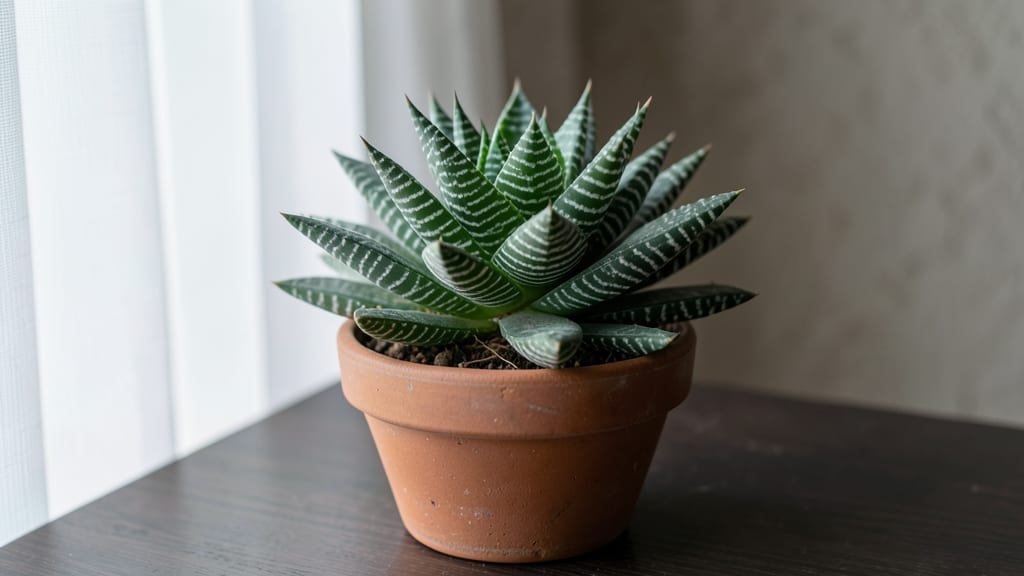
Your pointy leaf plant could be growing roots in water by next week. 🌱 I’ve propagated everything from snake plants to aloe this way—no soil mess, no guesswork, just fast, visible roots that prove this method works.
The secret lies in clean water, bright indirect light, and patience (though the roots often show up sooner than expected). These plants—think spiky aloe, sword-like yucca, or snake plant leaves—thrive when their cuttings focus energy on root growth instead of struggling in soil.
You’ll need just a glass of water, sharp scissors, and a sunny windowsill. Most varieties send out roots in 1-2 weeks, though some eager plants surprise you in days. What you’ll end up with is a thriving propagated plant ready to transfer to soil.
The roots will be strong, the leaves will stay plump, and you’ll have a backup plant without spending a dime. Perfect for beginners who want to see progress fast. Works for almost any succulent or pointy-leaved houseplant. Here’s exactly how to do it without overcomplicating things.
Understanding Leaf Shape Shifts
If your pointy leaf plant (like Sansevieria or Dracaena) is developing sharp, needle-like foliage instead of its usual broad or lance-shaped leaves, don’t panic—it’s often a response to its environment. While some varieties naturally grow pointier leaves, sudden changes in growth patterns can signal underlying issues.
Below, we break down the most common causes and the science behind them, so you can diagnose and fix the problem before it worsens.
Plants are sensitive to their thermal and luminous surroundings, and extreme conditions can trigger defensive growth patterns. When a pointy leaf plant experiences:
- Intense sunlight: Prolonged exposure to direct UV rays (especially in hot climates) can cause leaves to develop a thicker, waxier cuticle and sharper tips as a protective measure against dehydration. Think of it like sunburn prevention—your plant is "toughening up" to survive.
- Cold drafts or temperature swings: Drafts from windows, AC vents, or chilly nighttime drops below 55°F (13°C) can stunt cell growth. The plant may allocate energy to producing hardier, spikier leaves instead of soft, broad ones, as a survival tactic.
- Insufficient light: Paradoxically, low light can also lead to pointy leaves. Without enough photosynthesis, the plant stretches (etiolation) and produces elongated, thin leaves with sharp tips to maximize light absorption.
Actionable fix: Move your plant to bright, indirect light (east or north-facing windows) and avoid temperature fluctuations. Use a heat mat in winter or a grow light if natural light is lacking.
Water is the lifeblood of plant growth, and imbalances—whether too much or too little—can drastically alter leaf shape. Here’s how:
| Issue | Effect on Leaves | Why It Happens |
|---|---|---|
| Overwatering | Leaves may develop thin, brittle, or pointy tips due to root stress. | Excess moisture suffocates roots, leading to anaerobic conditions (lack of oxygen). The plant prioritizes survival over broad leaf growth, producing spiky, less surface-area leaves to reduce water loss. |
| Underwatering | Leaves can become needle-like and crispy at the edges. | Severe drought triggers abscisic acid production, a stress hormone that causes cells to harden. The plant "conserves" by growing smaller, sharper leaves that lose less moisture. |
| Inconsistent watering | Leaves may grow unevenly pointy or develop yellow tips. | Fluctuating moisture levels confuse the plant’s growth hormones (auxins), leading to aberrant cell division in leaf tips. |
Actionable fix:
- Water only when the top 1–2 inches of soil are dry (stick your finger in to check!).
- Use a well-draining mix (add perlite or sand) to prevent soggy roots.
- For water-propagated cuttings, ensure roots have access to oxygenated water (change water every 3–5 days).
A plant’s leaf shape is a direct reflection of its nutrient intake. When key elements are missing, growth patterns shift dramatically. Common deficiencies that cause pointy leaves:
- Nitrogen (N) deficiency:
Nitrogen is crucial for leaf expansion. Without enough, new leaves grow small, thin, and pointed instead of broad. Older leaves may also yellow (chlorosis).
- Potassium (K) deficiency:
Potassium regulates cell division and water balance. A lack of it leads to weak, brittle leaves with sharp, underdeveloped tips, as the plant struggles to maintain turgor pressure.
- Phosphorus (P) imbalance:
Phosphorus fuels root and leaf development. Too little causes stunted, pointy growth, while excess phosphorus (common in tap water) can also distort leaf shapes by altering pH and nutrient uptake.
- Compacted or poor soil:
Soil without organic matter or proper aeration strangles roots, forcing the plant to grow hard, spiky leaves as a survival mechanism. Compacted soil also limits mycorrhizal fungi, which help absorb nutrients.
Actionable fix:
- Fertilize with a balanced liquid fertilizer (e.g., 10-10-10) every 4–6 weeks during growing season.
- Amend soil with compost or worm castings to improve nutrient availability.
- Test soil pH—aim for 6.0–7.0 for most pointy-leaf plants. Use lime to raise pH or sulfur to lower it.
Not all pointy leaves are a cause for concern! Some plants are hardwired to grow this way due to genetics or natural growth habits. Examples:
- Sansevieria (Snake Plant): Many cultivars (like Sansevieria trifasciata 'Futura Superba') naturally develop rigid, sword-like leaves as they mature.
- Dracaena marginata (Dragon Tree): Its iconic thin, pointed leaves are a signature trait, though poor care can make them even more pronounced or brittle.
- Haworthia or Gasteria (Succulents): These often grow spiky, triangular leaves as a water-conservation adaptation.
How to tell if it’s genetic:
- Check the parent plant—if it has the same traits, it’s likely natural.
- New growth is consistently pointy across all leaves, not just older ones.
- The plant is thriving otherwise (no yellowing, wilting, or pests).
Actionable fix: If it’s genetic, embrace it! Focus on maintaining ideal conditions to keep the plant healthy. If you’re unsure, take a photo and compare it to cultivar databases (like LLIFLE for Sansevieria).
Pro Tip
Fixing Your Pointy-Leaf Plant’s Growth Woes
Got a pointy leaf plant (like a Haworthia or Gasteria) that’s not thriving? Don’t worry—most issues have simple fixes. Below, we’ll tackle the most common problems with practical, step-by-step solutions and prevention tips to keep your plant happy and healthy.
Cause: Overwatering or root rot from poor drainage. Fix: 🔥 Step 1: Check the Roots 👨🔧
- Gently remove the plant from its pot and inspect the roots. Healthy roots are firm and white; mushy or black roots mean rot.
🍳 Step 2: Trim the Damage ⏰
- Use clean scissors to snip off any soft, dark roots. If the rot has spread to the base of the leaves, trim those too.
🥘 Step 3: Repot in Fresh Soil ✨
- Choose a pot with drainage holes and use cactus/succulent mix (add perlite or sand for extra airflow).
- Let the soil dry out completely between waterings (stick your finger in—if the top inch is dry, it’s time).
💡 Prevention Tip:
- Water only when the soil is bone-dry (usually every 2–3 weeks).
- Avoid glass containers—opt for terracotta or fabric pots to prevent moisture buildup.
Cause: Underwatering, low humidity, or sunburn. Fix: 🌡️ Step 1: Adjust Watering 💧
- If the soil is dry and crumbly, water deeply until it drains from the bottom. Then, let it dry out again before the next watering.
🔥 Step 2: Shield from Harsh Sun ☀️
- Move your plant to bright, indirect light (east or north-facing windows are ideal).
- If it’s in direct sun, use a sheer curtain to filter the light.
🎯 Step 3: Boost Humidity (If Needed) 🌧️
- Group plants together or place a tray of pebbles with water nearby (but keep the pot elevated to avoid soggy roots).
✨ Prevention Tip:
- Rotate the pot occasionally so all sides get even light.
- In winter, reduce watering—succulents enter dormancy and need less moisture.
Cause: Lack of nutrients, compacted soil, or root-bound conditions. Fix: 📊 Step 1: Fertilize Lightly 🌱
- Use a balanced, diluted succulent fertilizer (like ½ strength 20-20-20) once every 2–3 months in spring/summer.
- Skip fertilizer in fall/winter—your plant is resting!
🔪 Step 2: Repot if Root-Bound 🪴
- If roots are circling the pot or poking out of drainage holes, it’s time to upgrade.
- Choose a pot 1–2 inches larger and refresh the soil mix.
💡 Prevention Tip:
- Over-potting stresses succulents—stick to small pots to encourage root growth.
- If growing in water (like propagation), switch to soil once roots are 2–3 inches long to prevent root rot.
Cause: Mealybugs, spider mites, or aphids (common in stressed plants). Fix: 🧼 Step 1: Isolate the Plant 🛑
- Move it away from other plants to prevent spreading.
🍳 Step 2: Wipe Off Pests 🧴
- Dip a cotton swab in rubbing alcohol (70% or higher) and gently dab each pest.
- For severe infestations, spray with neem oil solution (1 tsp neem oil + 1 quart water + a drop of dish soap).
🥘 Step 3: Improve Plant Health 🌿
- Healthy plants resist pests! Ensure proper light, water, and airflow.
✨ Prevention Tip:
- Inspect new plants before bringing them home.
- Avoid overcrowding—give each plant space to breathe.
If your pointy-leaf plant is multiplying via water propagation but roots aren’t growing:
- Use filtered or distilled water (tap water can inhibit growth).
- Change the water every 3–5 days to prevent algae.
- Add a rooting hormone (optional) to speed up growth.
- Keep in bright, indirect light—no direct sun until roots form.
Remember: Most pointy-leaf plants are tough and resilient. With the right care, they’ll bounce back quickly! 🌱💚
Frequently asked questions
What are the most common types of pointy leaf plants for beginners?
Start with hardy varieties like snake plants (Sansevieria), aloe vera, or haworthia. These thrive in low light, need minimal water, and have distinctive sharp-edged foliage. Dracaena marginata (Dragon Tree) is another great choice with its iconic thin, pointed leaves.
How do I know if my pointy leaf plant needs more or less water?
Stick your finger 1-2 inches into the soil—if it's dry, water thoroughly. For succulents, let soil dry completely between waterings (usually every 2-3 weeks). Yellowing leaves or mushy stems signal overwatering, while wrinkled leaves mean underwatering.
Can I propagate my pointy leaf plant in water without soil?
Many varieties like snake plants and haworthia root easily in water. Cut a healthy leaf at a 45° angle, let it callus for 1-2 days, then place in clean water. Change water every 3-5 days and expect roots in 2-4 weeks. Transfer to soil once roots are 2-3 inches long.
Why are my pointy leaves turning brown at the tips?
This usually means overwatering or fluoride/chlorine in tap water. Let soil dry completely between waterings and use filtered water. For succulents, ensure proper drainage—terracotta pots help prevent moisture buildup. Brown tips can also signal low humidity or sunburn from direct sunlight.
Are pointy leaf plants safe for pets?
Most aren't! Sansevieria (snake plants) and Dracaena are toxic to cats and dogs if ingested. For pet owners, opt for Zamioculcas zamiifolia (ZZ plant) or Peperomia varieties with similar textures but non-toxic properties. Always research before bringing plants home with pets.