
Pests and Diseases
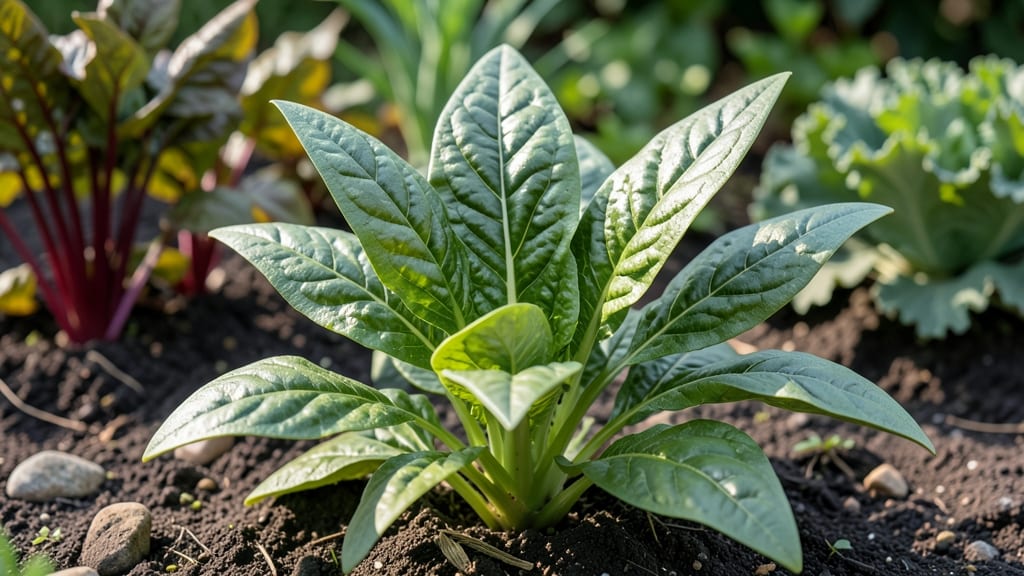
Cold-hardy pointy leaf spinach thrives where other greens fail—year-round harvests even under snow. 🌱 I’ve grown it through three winters, and the secret isn’t just patience: it’s matching the right soil, timing, and care to its stubborn resilience.
Unlike annual spinach, this savoy variety keeps producing as long as you give it consistent moisture and protection from pests. The soil needs to be rich, well-draining, and slightly acidic (6.0-6.8 pH), but the real magic happens in fall and spring plantings.
Direct-sow seeds ½ inch deep, 1 inch apart, and thin to 4 inches once leaves appear. Mulch heavily in winter to shield roots from freeze-thaw cycles—my plants survived -15°F with just a thick straw blanket.
You’ll start harvesting 30-40 days after sowing, but the real payoff comes when others’ gardens are bare. Cut outer leaves first to encourage bushier growth, and watch it bounce back faster than annual varieties. Even better? It self-seeds, so next year’s crop might pop up without any work from you.
This spinach handles light shade better than most greens, making it perfect for northern climates or shaded patios. Pair it with radishes (they mark rows) or chives (they deter pests), and you’ll have a near-indestructible salad staple. Here’s how to keep it thriving all season.
📚 In This Guide
- What you need
- Instructions
- Tips and common mistakes
- Wrapping up and next steps
What you need
- ● Seeds: High-quality, cold-hardy pointy leaf spinach seeds (e.g., 'Perpetual Spinach' or organic heirloom varieties). Quantity: 1–2 oz (enough for ~100 plants).
- ○ Potting mix or soil: Well-draining, organic-rich soil (pH 6.5–7.0). Optional: Add compost or aged manure for extra nutrients.
- ● Containers or garden bed: Containers: 6–8" deep pots with drainage holes (1 plant per 6" diameter).
- ● Garden bed: Full sun to partial shade (4+ hours of light daily).
- ● Mulch: Straw or shredded leaves (2–3" layer) to retain moisture and suppress weeds.
- ● Fertilizer: Balanced organic fertilizer (10-10-10) or compost tea. Apply: At planting and mid-season.
- ● Neem oil or insecticidal soap: For aphids, spider mites, or fungal issues (e.g., downy mildew). Dilution: 1 tbsp per quart of water.
- ● Copper fungicide: Preemptive spray for blight or leaf spot (follow label rates).
- ● Row covers: Lightweight fabric to deter pests like flea beetles (use early in the season).
- ● Pruning shears: For removing diseased leaves (sterilize with rubbing alcohol between cuts!).
- ● Gloves & mask: For handling neem oil or compost (safety first! 💡).
- ● 🌡️ Timing: Sow seeds 4–6 weeks before the last frost (or in fall for overwintering).
- ● 💧 Watering routine: Keep soil consistently moist (not soggy)—spinach hates drought!
- ● 🌡️ Temperature: Ideal germination: 50–70°F. Avoid heatwaves (>80°F) to prevent bolting.
- ● 📝 Monitoring: Check plants weekly for pests (e.g., slugs, aphids) or fungal signs (yellowing, spots).
Step-by-step guide to planting and maintaining pointy leaf spinach
This cold-hardy variety thrives in cool weather and keeps producing through frost—here's how to grow it successfully.
🌱 Step 1: Choose the Right Location and Soil
Pointy leaf spinach loves cool weather and does best in full sun to partial shade—think 4-6 hours of sunlight daily. I always plant mine where morning sun hits but afternoon shade keeps leaves tender. The soil should be rich, well-draining, and slightly acidic, with a pH between 6.5-7.0.
Before planting, loosen the top 6-8 inches of soil with a garden fork or tiller. Work in 2-3 inches of compost to give roots plenty of nutrients. Here's the thing—spinach hates soggy soil, so if your garden drains poorly, mix in some sand or perlite to improve drainage. You'll see healthier, more vibrant leaves when the soil is just right.
🌿 Step 2: Plant Seeds at the Correct Depth and Spacing
Sow seeds ½ inch deep and 1-2 inches apart in rows spaced 12-18 inches apart. I like to plant in blocks rather than rows because it makes thinning easier later. For a continuous harvest, stagger plantings every 2 weeks from early spring until 6 weeks before your first frost.
Keep the soil consistently moist until germination, which usually happens in 5-10 days at soil temperatures between 45-85°F. If you're planting in hot weather, water the soil thoroughly before sowing to help seeds stay cool. Once sprouts appear, thin seedlings to 3-4 inches apart—this prevents overcrowding and gives each plant room to grow strong.
💧 Step 3: Water and Fertilize for Optimal Growth
Spinach needs 1-1.5 inches of water per week, either from rainfall or irrigation. I water mine deeply in the morning so leaves dry quickly, which helps prevent fungal diseases. Let the top 1 inch of soil dry out slightly between waterings—this keeps roots from sitting in water, which can cause rot.
Fertilize lightly with a balanced, water-soluble fertilizer (like 10-10-10) every 3-4 weeks during the growing season. Avoid over-fertilizing—too much nitrogen leads to lush leaves but fewer baby leaves, which are the tenderest part. You'll know your spinach is happy when it grows steadily and develops deep green, crisp leaves.
✂️ Step 4: Harvest and Maintain for Continuous Yield
Start harvesting when leaves reach 3-4 inches tall, cutting the outer leaves first. This encourages the center to keep growing. I like to harvest in the morning after dew has dried—leaves are crispest then. For baby spinach, you can harvest the whole plant when it's 4-6 inches tall.
After the first harvest, side-dress with more compost and water well to encourage regrowth. Pointy leaf spinach is cold-hardy and will often survive light frosts, producing sweeter leaves after a frost. If temperatures rise above 80°F, the plant bolts (goes to seed), so plan your harvests accordingly. With proper care, you can keep harvesting for months!
⏰ Step 5: Overwintering and Seasonal Care
In colder climates, mulch heavily with 2-3 inches of straw or leaves to protect plants from freezing. Spinach can survive winter in zones 3-8 and often resprouts in spring. In warmer zones, plant successive crops in fall for winter harvests—just be sure to protect from heavy frosts.
If you're growing spinach as a perennial, cut back old growth in early spring to encourage new shoots. You'll see fresh growth within 2-3 weeks if the roots are still healthy. This variety is one of the most forgiving greens, so even if you miss a watering or two, it often bounces back quickly.
Tips & tricks for perfect pointy leaf spinach
These simple strategies will help you grow the most vibrant, productive pointy leaf spinach possible—even if you're a beginner gardener.
Soil Prep Secret: Before planting, mix in a handful of Epsom salt (about 1 tablespoon per foot of row) when you're loosening the top 6-8 inches of soil. This boosts magnesium levels, which helps prevent yellowing leaves—a common issue with spinach. The soil pH between 6.5-7.0 is crucial, but don't stress about testing it—most garden soils fall in this range naturally. If you notice yellowing despite good pH, that's your sign to add more compost.
Planting Strategy: I've found that planting in blocks (rather than rows) makes thinning much easier—just snip unwanted seedlings at the base with clean scissors. For continuous harvests, mark your planting schedule on a calendar with reminders every 2 weeks. This variety's cold-hardiness means you can extend your planting window by 3-4 weeks before your first frost compared to other greens.
Watering Wisdom: The 1-1.5 inches of water per week guideline works perfectly, but here's the trick: use a rain gauge or tuna can to measure your watering. I place mine in the garden to track rainfall so I don't overwater during wet periods. Morning watering is key—it gives leaves time to dry before evening, which prevents fungal diseases like downy mildew. If you notice the top inch of soil staying wet longer than usual, that's your cue to cut back slightly.
Harvesting Hack: When harvesting baby spinach (the whole plant at 4-6 inches), cut just above the soil line rather than pulling. This encourages regrowth from the base. For mature plants, always harvest outer leaves first—this prevents shocking the center and keeps production going. I like to use clean kitchen scissors for harvesting, which gives me the cleanest cuts and prevents spreading disease between plants.
Pro Tips for Pointy Leaf Spinach
- These simple strategies will help you grow the most vibrant, productive pointy leaf spinach possible—even if you're a beginner gardener.
- Soil Prep Secret: Before planting, mix in a handful of Epsom salt (about 1 tablespoon per foot of row) when you're loosening the top 6-8 inches of soil.
- Planting Strategy: I've found that planting in blocks (rather than rows) makes thinning much easier—just snip unwanted seedlings at the base with clean scissors.
Frequently asked questions
about pointy leaf spinach—because growing this cold-hardy superstar shouldn’t come with a mystery manual!Can pointy leaf spinach survive freezing temperatures?
One of its biggest perks is its cold tolerance—it thrives in temps down to 15°F (-9°C) and may even taste sweeter after light frost. Just protect it with row covers or mulch if your winters dip below 10°F (-12°C) for extended periods.
What pests or diseases should I watch for with pointy leaf spinach?
Common culprits include aphids, slugs, and downy mildew (especially in humid climates). Prevent slugs with copper tape or diatomaceous earth, and rotate crops to avoid mildew. Neem oil or insecticidal soap can tackle aphids—just apply early in the season!
How long does it take for pointy leaf spinach to mature?
Pointy leaf spinach is a fast grower! You’ll see baby leaves ready in 30–40 days, while full-size leaves take 45–60 days. The great news? It’s a cut-and-come-again crop—harvest outer leaves and let the center regrow for months of harvests.
Can I substitute pointy leaf spinach for regular spinach in recipes?
Yes! Its tender, slightly sweeter leaves work perfectly in salads, sautés, or smoothies. For sturdy dishes (like lasagna), pair it with heartier greens like Swiss chard. Just note: pointy leaf spinach has thinner stems, so it’s best for quick-cooking recipes.
Why is my pointy leaf spinach bolting (going to seed) early?
Bolting usually happens due to heat stress, long daylight, or age. To delay it:
- Plant in late summer/early fall for cooler weather.
- Avoid overcrowding—thin seedlings for airflow.
- Use shade cloth (30–50%) if summer temps creep above 75°F (24°C).
Wrapping up and next steps
Pointy leaf spinach is a resilient, cold-hardy perennial that rewards gardeners with year-round harvests—even in frost! 🥬 By mastering its care, you’ll enjoy nutrient-packed greens with minimal fuss. Whether you’re battling pests, diseases, or winter chill, the right strategies keep your plants thriving.
Ready to grow your own? Start by planting a small patch this season—your taste buds (and wallet!) will thank you. Happy gardening! 🌱