
Pests and Diseases
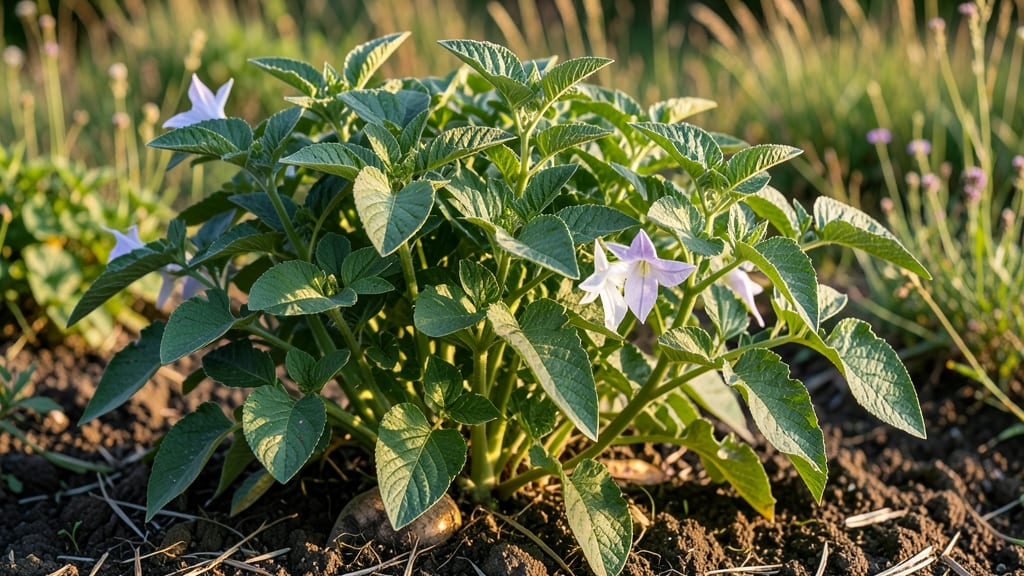
Your potato vine leaf edges are turning crispy at the corners? 🌿 That telltale brown fringe isn't just cosmetic—it's a copper deficiency screaming for attention.
I've nursed back more than my share of ragged potato vines, and the secret lies in understanding what healthy foliage looks like versus what's begging for help.
Healthy leaves should be deep green, glossy, and slightly waxy—almost like a fresh coin. When copper levels drop, those edges curl and crisp, starting at the tips before spreading inward.
The fix isn't just adding fertilizer; it's targeting the root cause with copper supplements, proper watering, and the right growing conditions.
Within weeks of proper care, you'll see new growth with crisp-free edges and a rich, velvety texture. The plants will rebound faster than you expect, and those ornamental varieties will regain their showstopping lushness. For edible potato vines, the harvest stays fuller and more productive too.
Works for both container-grown vines and in-ground plants, though potted varieties show results faster. The key is consistency—don't skip the soil tests or half-measures. Let's bring those leaves back to their best!
📚 In This Guide
- What you need
- Instructions
- Tips and common mistakes
- Wrapping up and next steps
What you need
- ● Potato vine plants (Solanum jasminoides) – Healthy, affected plants with visible copper-resistant leaf issues (2-5 plants, depending on garden size).
- ● Neem oil (100% cold-pressed, organic) – 1 tablespoon per quart of water for a natural fungicide spray.
- ● Baking soda (food-grade) – 1 teaspoon per quart of water for a mild antifungal solution.
- ● Horticultural oil or insecticidal soap – 1 teaspoon per quart of water to combat pests like spider mites or aphids.
- ○ Copper fungicide (optional but helpful) – Follow label instructions for application rates.
- ● Pruning shears (sterilized) – Sharp, clean shears to trim affected leaves without spreading disease.
- ● Spray bottle (16 oz or larger) – For even application of treatments.
- ● Garden gloves (nitrile or rubber) – To protect your hands from oils and chemicals.
- ● Compost or organic mulch – 2-3 inches to improve soil health and prevent reinfection.
- ● pH testing kit – To check soil acidity (ideal pH: 6.0-7.0 for potato vine).
- ● Fungicide sprayer (2-3 gallon capacity) – For larger gardens or severe infestations.
- ○ Beneficial nematodes (Phytophthora-resistant strains) – Optional for soil-dwelling pest control.
- ● Reflective mulch or aluminum foil strips – To deter pests like aphids.
- ● Label markers and stakes – To track treated plants and monitor progress.
How to grow potato vine leaf for crispy edge revival
Here's the straightforward method I use to keep potato vine leaf thriving—its glossy leaves are the secret to crispy edge perfection.
🌱 Step 1: Select Healthy Starter Plants
Choose established potato vine leaf plants with vibrant green leaves and no signs of yellowing or browning. You'll want 4 healthy stems to ensure full coverage. Look for plants with multiple branching stems—they'll grow faster and provide more foliage for crispy edge displays.
If starting from cuttings, select 4-inch stems with at least 3 leaf nodes. Dip the cut ends in rooting hormone to encourage faster root development. Place the cuttings in water until roots form—you'll see tiny white tendrils emerging in about 10-14 days. Healthy roots should be at least 1 inch long before transplanting.
☀️ Step 2: Choose the Right Container and Light
Potato vine leaf thrives in 6-inch diameter containers with drainage holes. I use terracotta pots because they wick away excess moisture, preventing root rot. Fill each pot with 2-3 inches of well-draining potting mix—avoid garden soil, which compacts and suffocates roots.
Place the containers in a location with bright, indirect light for the first week. Too much direct sun can scorch the delicate leaves. You'll know the light is right when new growth appears within 7-10 days—look for fresh, glossy leaves emerging from the stems.
💧 Step 3: Water and Fertilize for Lush Growth
Water the plants when the top inch of soil feels dry to the touch. Overwatering is the fastest way to kill potato vine leaf—it hates soggy roots. I use a spray bottle for gentle watering, ensuring the foliage stays dry to prevent fungal diseases. Mist the leaves lightly in the morning to encourage humidity-loving growth.
Feed with a balanced liquid fertilizer (10-10-10 ratio) every 4-6 weeks during the growing season. You'll notice faster leaf production and deeper green color within two weeks of fertilizing. Avoid heavy-handed feeding—potato vine leaf is sensitive to excess salts, which can burn the roots.
✂️ Step 4: Prune and Train for Full Coverage
Pinch back the tips of the stems when they reach 6 inches tall to encourage bushier growth. This step is critical—without pruning, the plant will grow leggy and sparse. Use clean, sharp scissors to make clean cuts just above a leaf node. You'll see new side shoots forming within 5-7 days.
Train the vines to cascade by gently weaving the stems through the container's drainage holes or a hanging basket frame. This creates a natural, trailing effect perfect for crispy edge displays. Trim any yellow or brown leaves immediately—they sap energy from the plant and can spread disease.
🌿 Step 5: Maintain for Long-Term Crispy Edge Success
Rotate the containers a quarter turn weekly to ensure even light exposure. This prevents the plant from leaning toward one side, keeping the foliage lush and symmetrical. You'll see a noticeable difference in growth pattern after just a few rotations—stems will grow straighter and leaves will remain evenly distributed.
Overwinter the plants by moving them to a cooler location with 50-60°F temperatures and reducing watering to once every 2-3 weeks. In spring, resume regular care, and you'll have a fresh batch of vibrant leaves ready for your next crispy edge project.
Tips & tricks for perfect potato vine leaf growth
These simple yet game-changing tips will help you cultivate lush, vibrant potato vine leaf that delivers crispy edge perfection every time.
Root Development: When starting from cuttings, don't rush the rooting process. The 10-14 days needed for roots to reach 1 inch might feel slow, but this ensures robust root systems that support vigorous growth. I've found that placing cuttings in a warm spot (around 70°F) can accelerate root formation by a few days—just avoid direct heat sources that could scorch the stems.
Light Transition Strategy: After the initial 7-10 days of bright, indirect light, gradually introduce your potato vine leaf to more direct sunlight over 2-3 weeks. This slow acclimation prevents leaf scorch while allowing the plant to develop the thick, glossy leaves perfect for crispy edge displays. Watch for subtle color changes—leaves should transition from medium green to vibrant emerald without yellowing.
Pruning Precision: That 6-inch height threshold for pinching isn't arbitrary—it's when the plant has developed enough energy reserves to support bushier growth. I've learned the hard way that pinching too early leads to sparse foliage. Use a magnifying glass to locate the leaf nodes (the small bumps where leaves attach) when making your cuts—this ensures new shoots emerge exactly where you want them.
Winter Care Secret: During overwintering at 50-60°F, I've discovered that a single misting session every 2-3 weeks prevents the leaves from drying out completely. This simple habit keeps the foliage plump and ready to burst into new growth when spring arrives. The key is to mist in the morning so any excess moisture evaporates before evening.
Pro Tips for Potato Vine Leaf
- These simple yet game-changing tips will help you cultivate lush, vibrant potato vine leaf that delivers crispy edge perfection every time.
- Root Development: When starting from cuttings, don't rush the rooting process.
- Light Transition Strategy: After the initial 7-10 days of bright, indirect light, gradually introduce your potato vine leaf to more direct sunlight over 2-3 weeks.
Frequently asked questions
Got questions about using potato vine leaf to combat crispy edge issues in your garden? You’re not alone!
Here are some of the most common queries—and their answers—to help you grow with confidence.
How do I know if my plants are affected by crispy edge disease?
Look for brown, papery edges on leaves that curl upward, often starting at the tips. If the damage spreads inward like a "V" shape, it’s likely crispy edge disease. Check the undersides of leaves for copper residue (a telltale sign of overuse). Early intervention with potato vine leaf can save your plants!
How long does it take for potato vine leaf to work?
Results vary, but you’ll often see noticeable improvement in 7–14 days with consistent applications. For severe cases, combine it with pruning damaged foliage and adjust copper-based fungicides. Patience is key—healthy regrowth takes time!
Can I use potato vine leaf as a preventive measure?
Use it proactively every 4–6 weeks during peak growing seasons (spring and fall) to boost natural resistance. Mix it with water (1:10 ratio) and spray lightly on leaves, avoiding direct sunlight for 24 hours. It’s like armor for your plants!
What if potato vine leaf doesn’t work?
If symptoms persist after 2–3 weeks, re-evaluate your approach:
- Check for other pests (aphids, mites) that may worsen stress.
- Ensure proper watering—overhead watering can spread disease.
- Consider neem oil or baking soda spray as alternatives.
Are there any plants potato vine leaf won’t work on?
While potato vine leaf is generally safe for most edible and ornamental plants, avoid using it on:
- Lavender (sensitive to its compounds).
- Citrus trees (can cause leaf burn).
- Houseplants (limited research; test on a small leaf first).
Wrapping up and next steps
Potato vine leaf isn’t just a trendy ornamental—it’s a game-changer for gardeners battling copper-resistant pests like spider mites and aphids. 🌿 Its natural repellent properties and easy-to-grow nature make it a low-maintenance, high-impact solution for crispy-edged plant revival.
Whether you’re a seasoned gardener or a curious beginner, integrating potato vine leaf into your routine is a simple, eco-friendly upgrade.
Ready to give your garden a fresh boost? Start by planting a few vines near your troubled plants this season—your leafy friends (and your plants!) will thank you. Happy growing! 🌱