
Flowers
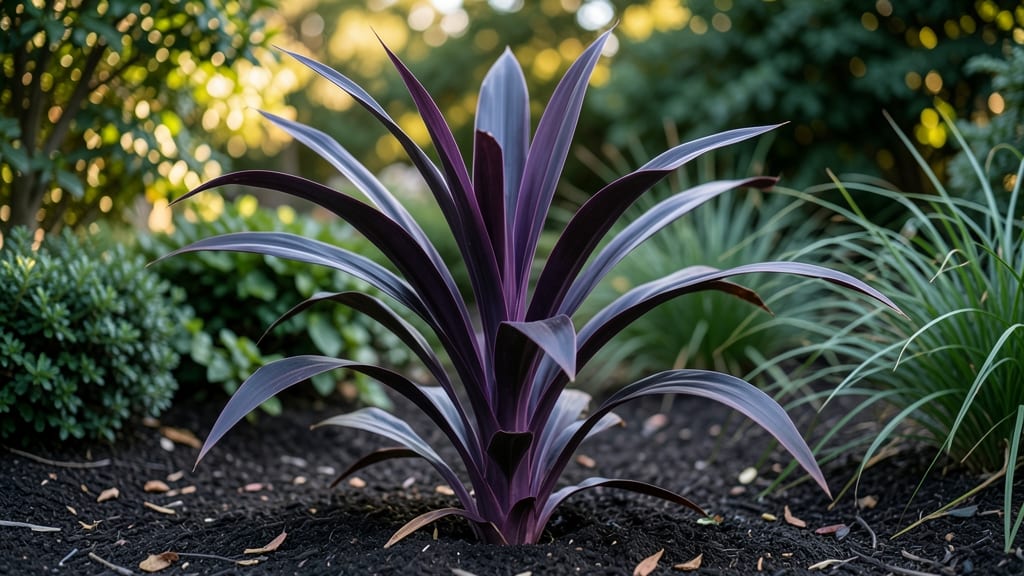
Growing a purple leaf lily turns your garden into a living art piece with almost no effort. 🌿 The deep burgundy foliage of Lilium regale 'Purple Stem' or Hemerocallis cultivars creates drama that lasts all season—no fancy blooms required.
I planted mine last spring, and now it’s the star of my shady border, thriving where other plants struggle.
These plants love partial shade and moist, well-draining soil—think woodland edges or under trees. They handle heat and humidity well, making them perfect for zones 4-9. Start with bulbs or divisions in early spring or fall, spacing them 12-18 inches apart for that lush, layered look.
The real secret? They’re forgiving—skip a watering or two, and they’ll still shine.
Once established, they need minimal care: water when the top inch of soil dries, and feed lightly in spring with compost. Snip dead leaves in early spring to encourage fresh growth.
You’ll get bold, velvety foliage that turns heads without the fuss of flowers. Even my black thumb can’t kill these.
They multiply over time, so you’ll soon have extras to share. Just avoid soggy soil—drainage is key. Perfect for borders, containers, or even as a striking accent plant. Let’s get yours growing!
📚 In This Guide
- What you need
- Instructions
- Tips and common mistakes
- Wrapping up and next steps
What you need
- ● Purple Leaf Lily bulbs (10-20 bulbs, depending on desired coverage—choose healthy, firm bulbs with no soft spots).
- ● Well-draining potting mix or garden soil (amend with compost for nutrient-rich soil; avoid heavy clay).
- ● Container or garden bed (if planting in pots, use 12-18" diameter containers with drainage holes).
- ● Organic fertilizer (balanced 10-10-10 or bulb-specific fertilizer for planting).
- ● Mulch (2-3 inches of organic mulch like straw or shredded bark to retain moisture and regulate temperature).
- ● Garden trowel or bulb planter (for easy digging and planting).
- ● Watering can or hose with a gentle spray nozzle (avoid overwatering!).
- ● Pruners or sharp scissors (for trimming dead foliage in late fall).
- ● Slow-release fertilizer granules (for sustained nutrition without frequent feeding).
- ● Soil moisture meter (to monitor water levels in containers).
- ● Decorative stones or pebbles (for a polished look around planted bulbs).
- ● Garden gloves (to protect hands while handling soil or bulbs).
- ● Sunlight meter or app (to check if your spot gets the ideal 6+ hours of sun).
Step-by-Step instructions for cultivating purple leaf lilies
Here's how to grow these striking plants with confidence—minimal fuss, maximum impact.
🌱 Step 1: Choose the Perfect Planting Spot
Purple leaf lilies thrive in partial shade to full sun, but their foliage stays richest when they get morning sun and afternoon shade in hot climates. I always scout locations where the ground stays consistently moist but drains well—these plants hate soggy roots. A north-facing spot or under a high-canopy tree works beautifully.
Test your site by digging a 6-inch hole and filling it with water. If it drains within an hour, the spot's perfect. If water pools after 2 hours, amend the soil with 1 part compost to 3 parts native soil before planting. Purple leaf lilies grow 2-3 feet tall and wide, so space them 2 feet apart for full visual impact.
🪴 Step 2: Plant at the Right Depth and Time
Plant in early spring or fall when temperatures hover between 50-70°F. Dig a hole twice as wide as the root ball but only as deep as the container's base—planting too deep suffocates the roots. Gently tease apart any circling roots before placing the plant in the hole.
Backfill with native soil mixed with 1 cup of compost per plant, then water deeply until the soil settles. The top of the root ball should sit 1 inch below ground level—this prevents stem rot while keeping roots cool. Mulch with 2 inches of shredded bark to retain moisture and protect roots from temperature swings.
☀️ Step 3: Water Consistently Without Overdoing It
Keep soil evenly moist for the first 4-6 weeks after planting—water when the top 2 inches feel dry. You'll know you're nailing it when the foliage stays deep purple and the stems feel sturdy when touched. Purple leaf lilies are drought-tolerant once established, but they'll protest with yellowing leaves if neglected.
Here's the thing—I water deeply once a week in summer, aiming for 1 gallon per plant. Let the soil dry slightly between waterings to prevent root rot. In winter, reduce to every 2-3 weeks unless you're in a dry climate, where you might need monthly watering. Always water at the base, not the leaves, to avoid fungal issues.
✂️ Step 4: Prune for Health and Shape
Deadhead spent flowers in early summer to redirect energy into foliage growth. Simply snip off the brown seed pods with clean shears, cutting just above the first set of healthy leaves. This keeps the plant looking tidy and prevents self-seeding, which can become invasive.
In late fall, cut back the foliage by one-third to encourage new growth in spring. Never remove more than 30% of the plant at once—purple leaf lilies bounce back surprisingly well, but drastic cuts stress them. I always sterilize my shears with rubbing alcohol between cuts to prevent disease spread.
🌿 Step 5: Fertilize Lightly for Vibrant Foliage
Feed once in early spring with a balanced 10-10-10 fertilizer at half-strength. Work it into the top 2 inches of soil around the base, then water immediately to prevent root burn. Purple leaf lilies don't need much—over-fertilizing makes leaves pale and leggy.
I swear by a monthly foliar spray of seaweed extract during growing season for that extra pop of color. Mix 1 tablespoon per gallon of water and spray the undersides of leaves where nutrients are absorbed fastest. Stop fertilizing by mid-summer so the plant can prepare for dormancy.
Tips & tricks for perfect purple leaf lily cultivation
These simple strategies will help you keep your purple leaf lilies vibrant and thriving with minimal effort.
Soil Test Tip: Before planting, I always do a quick soil test using the water drainage method from Step 1. If water drains in under an hour, your soil is perfect. If it takes longer than the 2 hours mentioned, mix in extra perlite or coarse sand to improve drainage—this prevents root rot that can kill these plants. Purple leaf lilies are particular about moisture, so don't skip this step!
Planting Depth Secret: The 1-inch below-ground rule in Step 2 is crucial—it prevents stem rot while keeping roots cool. I've learned this the hard way after seeing plants struggle with too-deep planting. When backfilling, use a level to ensure consistent depth around the entire root ball. This small attention to detail makes all the difference in establishing healthy plants.
Watering Wisdom: That 4-6 week moist soil period is non-negotiable for new plantings. I use a moisture meter to check the top 2 inches of soil daily during this critical window. In summer, my 1 gallon per plant weekly watering schedule becomes my non-negotiable routine—consistency is key. The deep watering encourages strong root development that makes these plants drought-tolerant once established.
Fertilizer Timing: The early spring feeding with half-strength 10-10-10 fertilizer is perfect timing—it gives plants a boost as they emerge from dormancy. I always follow up with the monthly seaweed spray, but I've noticed the most dramatic color improvement comes from the early spring feeding. The key is stopping by mid-summer to let plants prepare for dormancy naturally.
Pro Tips for Purple Leaf Lily
- These simple strategies will help you keep your purple leaf lilies vibrant and thriving with minimal effort.
- Soil Test Tip: Before planting, I always do a quick soil test using the water drainage method from Step 1.
- Planting Depth Secret: The 1-inch below-ground rule in Step 2 is crucial—it prevents stem rot while keeping roots cool.
Frequently asked questions
Got questions about growing purple leaf lily (or Belamcanda chinensis)? You’re not alone! Here are answers to the most common queries—from planting to troubleshooting—so you can enjoy this striking perennial with confidence.
How do I care for purple leaf lily in winter?
Purple leaf lily is hardy to USDA zones 5-9, meaning it thrives in cold winters. In milder climates, mulch the base with 2-3 inches of organic matter (like shredded leaves) to protect roots. In colder zones, the foliage may die back, but the rhizomes survive underground—just leave them be until spring!
When is the best time to plant purple leaf lily?
Plant in early spring or early fall for optimal root establishment. Avoid late summer/fall planting in hot climates, as the rhizomes need time to settle before winter. If planting in containers, use well-draining soil and place them in partial shade during peak summer heat.
Why aren’t my purple leaf lilies flowering?
Flowering depends on mature rhizomes (3+ years old) and full sun. If yours skips blooms, check for:
- Shady spots (they need 6+ hours of sun daily)
- Overcrowded rhizomes (divide clumps every 3-4 years)
- Poor soil drainage (amend with sand or perlite if needed)
Are purple leaf lilies deer-resistant?
While not fully deer-proof, they’re less appealing than tender perennials. Deer may nibble young shoots or flowers, but the toxic rhizomes often deter them. For extra protection, plant near deer-resistant companions like lavender, salvia, or Russian sage.
Can I grow purple leaf lily in containers?
Use a 5-gallon pot minimum with fast-draining mix (60% potting soil, 30% perlite, 10% compost). Place containers in partial shade during summer to prevent rhizome rot. Drainage holes are a must—these plants hate soggy roots!
Pro Tip:
For boldest foliage, fertilize lightly in spring with a balanced 10-10-10 formula. Over-fertilizing can reduce flowering, so less is more!
Wrapping up and next steps
The purple leaf lily is a stunning, low-maintenance plant that brings vibrant color and texture to any garden—without the fuss! 🌿 With the right soil, sunlight, and occasional care, you’ll enjoy its striking foliage for years.
Whether you’re a seasoned gardener or just starting, this plant proves that bold beauty doesn’t require hard work.
Ready to transform your space? Grab your supplies, follow the steps, and watch your purple leaf lily thrive! 🌸 Start planting today and enjoy the drama it brings to your garden effortlessly.