
Vegetables
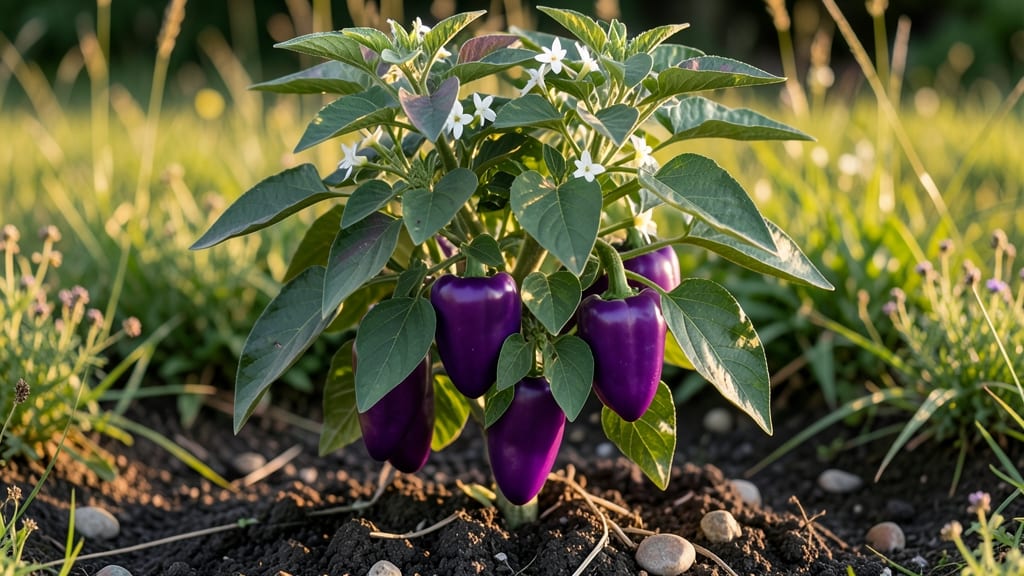
Your garden just got a showstopper—purple leaf pepper plants deliver vibrant purple foliage that turns heads all season long. 🌿 Unlike their annual cousins, these cold-hardy perennials come back year after year, offering both beauty and a mild, tangy harvest.
I’ve grown them for three winters now, and they’ve never failed to impress with their striking color and resilience. The secret to their success lies in partial shade and well-draining soil—they tolerate cooler climates better than most peppers but still need protection from harsh winter winds.
Plant them in containers or raised beds if your zone dips below 7, and you’ll extend their growing season effortlessly. Their glossy, deep purple leaves create a stunning contrast against green herbs or silver foliage plants.
By midsummer, you’ll be harvesting small, mildly spicy peppers perfect for fresh snacking or cooking. The plants stay compact (usually 2-3 feet tall), making them ideal for borders, containers, or even indoor growing with enough light.
Prune lightly after harvest to encourage bushier growth, and watch them rebound beautifully for next year. Troubleshooting is minimal—just keep soil moist but not soggy, and watch out for aphids, which occasionally target the tender new growth.
A quick spray of soapy water usually clears them up before they become a problem. These plants are the ultimate low-maintenance, high-reward addition to any garden.
📚 In This Guide
- What you need
- Instructions
- Tips and common mistakes
- Wrapping up and next steps
What you need
- ● Purple leaf pepper seeds or seedlings: Choose cold-hardy varieties like 'Purple Beauty' or 'Purple Flash' (1-3 plants per container or 1 plant per 12" of garden space).
- ● Well-draining potting mix: 5-10 lbs (for containers) or enrich garden soil with compost (1-2 inches mixed into the top 6" of soil).
- ○ Containers (optional but recommended for cold climates): 5-gallon pots (1-2 per plant) with drainage holes.
- ● OR fabric grow bags (10-15 gallons) for better aeration.
- ● Slow-release fertilizer (5-10-5 or 10-10-10): 1-2 tbsp per plant at planting time.
- ● Mulch (straw, shredded leaves, or pine needles): 2-3 inches to insulate roots in winter.
- ● Watering can or hose with a gentle spray nozzle.
- ● Pruning shears (sterilized): For shaping and harvesting.
- ○ Garden stakes or trellis (optional): To support vining varieties (e.g., 4-6 ft tall stakes).
- ● Row covers or frost cloth: For early spring/fall protection (lightweight fabric, 3x4 ft per plant).
- ● Heat mat (for indoor starts): To germinate seeds faster (if starting indoors).
- ● Epsom salt (magnesium sulfate): 1 tbsp per gallon of water for foliar spray (boosts purple pigment!).
- ● Compost tea or liquid fertilizer: For a mid-season nutrient boost (diluted as directed).
- ● Decorative rocks or pebbles: To enhance container aesthetics (non-toxic, 1-2 lbs).
How to grow and maintain a stunning purple leaf pepper plant
This cold-hardy perennial steals the show with its vibrant foliage—here’s how to cultivate one that thrives year after year.
🌱 Step 1: Select the Right Location and Prepare the Soil
Purple leaf pepper plants (Capsicum annuum) thrive in full sun—at least 6-8 hours daily—so choose a spot with southern or western exposure. I always test the soil first with a simple pH test kit; these plants prefer 6.0-7.0. If your soil is heavy clay, amend it with 2-3 inches of compost mixed into the top 12 inches.
Loosen the soil to a depth of 12 inches to encourage root expansion. Purple leaf peppers hate soggy roots, so if your area has poor drainage, raise the bed slightly or plant in containers with drainage holes. I like to add a handful of perlite to the planting hole—it improves aeration without altering the soil structure.
☀️ Step 2: Plant at the Right Time and Depth
Wait until after the last frost when nighttime temperatures stay above 55°F. Purple leaf peppers are tender perennials in cold climates, so I often start them indoors 8-10 weeks before the last frost and transplant after all danger of frost has passed. Dig a hole twice as wide as the root ball but only slightly deeper—planting too deep can suffocate the roots.
Gently remove the plant from its container and tease the roots if they’re circling. Place it in the hole so the top of the root ball sits ½ inch below soil level. Backfill with native soil, pressing lightly to eliminate air pockets. Water deeply immediately after planting to settle the soil and encourage root contact.
💧 Step 3: Water and Fertilize for Vibrant Growth
Keep the soil consistently moist but never soggy—aim for 1-1.5 inches of water weekly, adjusting for rain. I check moisture by sticking my finger 2 inches deep—if it feels dry, it’s time to water. Purple leaf peppers are drought-tolerant once established, but young plants need steady moisture to develop their signature purple foliage.
Fertilize lightly every 4-6 weeks during the growing season with a balanced 10-10-10 fertilizer. Too much nitrogen will promote leafy growth at the expense of color intensity. I switch to a low-phosphorus fertilizer in late summer to avoid encouraging late-season flowering, which can stress the plant before winter.
✂️ Step 4: Prune and Protect for Year-Round Beauty
Prune in early spring to remove dead or damaged stems and shape the plant. I cut back leggy growth by ⅓ to encourage bushier, more compact growth. Avoid heavy pruning after midsummer—new growth won’t harden off before winter in colder climates. Mulch with 2-3 inches of organic mulch (like shredded leaves or straw) to insulate roots and retain moisture.
In zones with hard freezes (20°F or below), protect mature plants with a thick layer of mulch and a frost blanket. Purple leaf peppers are surprisingly cold-hardy for peppers, often surviving 25°F with protection. I’ve seen them bounce back with just a little spring pruning after winter damage.
🌿 Step 5: Overwintering for Next Year’s Drama
In colder regions, cut back stems to 6 inches after the first frost but leave the base intact. The plant will regrow from the root crown in spring. Water sparingly during dormancy—just enough to keep the soil from drying out completely. I often cover the base with a thick layer of leaves or straw to add extra insulation.
By late winter, you’ll see new purple shoots emerging. Remove any dead growth and resume regular care once temperatures consistently stay above 50°F. Purple leaf peppers reward patience—with proper care, they’ll produce stunning foliage for 10+ years, making them a standout perennial for any garden.
Tips & tricks for growing vibrant purple leaf pepper plants
Here's what nobody tells you about keeping these stunning plants thriving—lessons I learned after watching mine struggle (and then flourish) over five seasons.
Sunlight Strategy: While 6-8 hours of sun is the minimum, I've found that positioning your purple leaf peppers to catch morning sun and afternoon shade in hot climates preserves that signature purple color. The intense afternoon rays can actually bleach the foliage over time. If you notice fading, try moving plants slightly eastward in summer—you'll notice the difference within weeks.
Soil Science: The 6.0-7.0 pH range isn't just a suggestion—it's critical for nutrient uptake that fuels that dramatic purple hue. I test my soil twice yearly (spring and fall) because even slightly alkaline soil (above 7.0) can cause yellowing leaves. For heavy clay soils, mix in that 2-3 inches of compost but also add a handful of sand to improve drainage without altering the soil structure too dramatically.
Transplant Timing: That 8-10 week indoor start window is your golden opportunity. I've learned to set calendar reminders because transplanting too early (when night temps still dip below 55°F) shocks the plants. Look for the first true leaves to unfurl on your indoor starts—this means they're ready to handle the cooler outdoor nights. The ½ inch below soil level planting depth might seem minor, but it prevents stem rot while allowing roots to spread properly.
Winter Survival: The 25°F survival threshold with protection is impressive, but don't wait until the last minute to prepare. I start insulating my plants in late fall by wrapping the base with burlap and adding 4-6 inches of straw mulch. This extra insulation helps maintain root zone temperatures above freezing. The 6-inch cutback after first frost might seem drastic, but it prevents wind damage to tender new growth in spring.
Pro Tips for Purple Leaf Pepper Plant
- Here's what nobody tells you about keeping these stunning plants thriving—lessons I learned after watching mine struggle (and then flourish) over five seasons.
- Sunlight Strategy: While 6-8 hours of sun is the minimum, I've found that positioning your purple leaf peppers to catch morning sun and afternoon shade in hot climates preserves that signature purple color.
- Soil Science: The 6.0-7.0 pH range isn't just a suggestion—it's critical for nutrient uptake that fuels that dramatic purple hue.
Frequently asked questions
Got questions about growing and caring for your purple leaf pepper plant? You’re not alone! Here are some of the most common queries—and their answers—to help you cultivate this stunning, cold-hardy perennial with confidence.
How cold can purple leaf pepper plants tolerate?
These peppers are surprisingly cold-hardy, surviving down to 15–20°F (-9 to -7°C) with proper mulching. In zones 7–11, they’ll often bounce back from light freezes. For extra protection in colder climates, wrap the base in burlap or use row covers. Pro tip: Plant in spring after the last frost for best results!
How long does it take for purple leaf peppers to produce fruit?
Patience is key! From seed, expect 90–120 days to harvest, while established plants may fruit in 60–80 days if given full sun (6+ hours) and consistent moisture. First-year plants often focus on root growth, so don’t be surprised if blooms appear late—or not at all. Bonus: They’re more productive in warm summers!
Can I eat the peppers, or are they just ornamental?
While their purple foliage steals the show, the peppers are edible—mild, sweet, and slightly tangy when green, or spicy and fruity when red. Use them fresh in salads, roasted, or dried for a unique flavor twist. Warning: Some varieties (like ‘Purple Beauty’) are ornamental hybrids and may not produce viable seeds.
What pests or diseases should I watch for?
Purple leaf peppers are generally pest-resistant, but keep an eye out for aphids, spider mites, or pepper maggots. Preventative care wins: Use neem oil for soft-bodied pests or introduce ladybugs naturally. Overwatering can lead to root rot, so ensure well-draining soil. Quick fix: Prune affected leaves and improve airflow!
Can I grow purple leaf peppers in containers?
Yes! They thrive in 5–10 gallon pots with drainage holes, making them perfect for balconies or small gardens. Use a lightweight potting mix and fertilize every 4–6 weeks. Just ensure containers get full sun and move them indoors (or to a sheltered spot) if temps drop below 30°F (-1°C). Pro move: Dwarf varieties like ‘Purple Flash’ are ideal for containers!
Wrapping up and next steps
Growing a purple leaf pepper plant is like adding a splash of vibrant color and resilience to your garden—without the fuss of annual replanting!
Whether you’re drawn to its striking foliage, cold-hardy nature, or the promise of fresh peppers year after year, this perennial is a game-changer for both beginners and seasoned gardeners. With the right care, you’ll enjoy a thriving plant that rewards you with beauty and harvests.
Ready to dive in? Start by choosing your spot, gathering supplies, and planting with confidence. Your purple pepper paradise awaits—happy gardening! 🌿✨