
Flowers
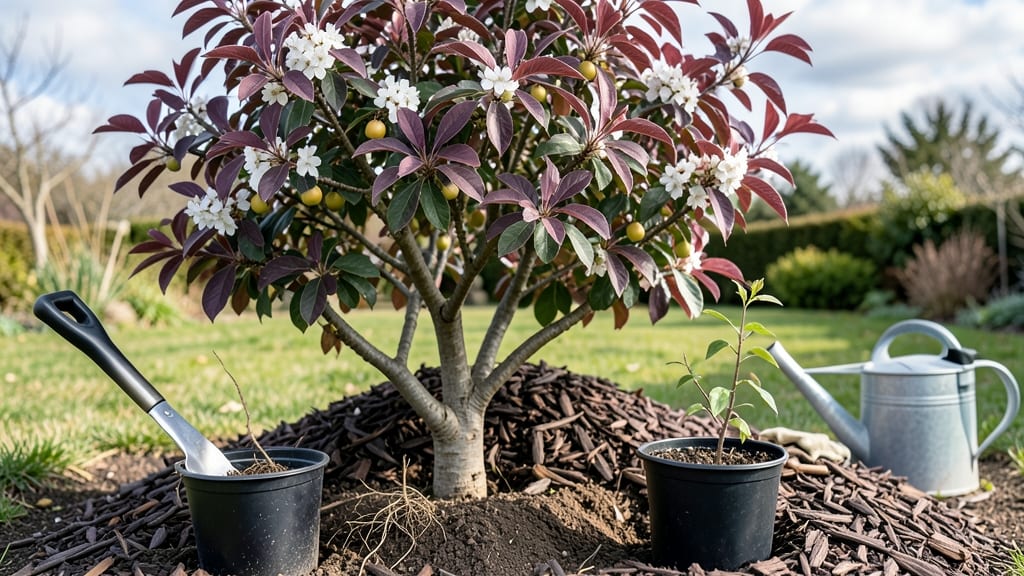
Planting purple leaf sand cherry (Prunus x cistena) turns your yard into a four-season show. 🌿 This cold-hardy beauty thrives where most shrubs fail, with foliage that shifts from deep purple in spring to burgundy in fall—plus, it’s tough enough to handle drought once established.
The key is getting it planted right from the start, and I’ll walk you through every step so you end up with a thriving specimen, not a sad, leggy mess.
Start with well-draining soil—this plant hates soggy roots—and pick a spot with at least 6 hours of sun daily. The roots spread wide, so dig a hole twice as wide as the container but only as deep.
Amend the native soil with compost if it’s heavy clay, and avoid fresh manure (it burns tender roots). Plant in early spring or fall when temperatures are mild, giving the roots time to settle before summer heat or winter cold hits.
Water deeply right after planting to eliminate air pockets, then keep the soil consistently moist (not soggy) for the first 3-4 weeks. Mulch with 2-3 inches of shredded bark to retain moisture and protect roots.
Prune only to shape in late winter—never cut back into old wood, or you’ll sacrifice next year’s vibrant foliage. Within a season, you’ll have a shrub that’s drought-tolerant, pest-resistant, and the star of your landscape.
Common mistakes? Overwatering (this plant’s roots rot easily) and planting too deep (the graft union should be 2-3 inches above soil level). For best results, space plants 8-10 feet apart—they spread wider than they grow tall.
Once established, they’re nearly maintenance-free, making them perfect for busy gardeners who still want year-round color without the fuss.
📚 In This Guide
- What you need
- Instructions
- Tips and common mistakes
- Wrapping up and next steps
What you need
- ● Purple Leaf Sand Cherry Plants: 1–3 bare-root or potted plants (depending on desired spread; spacing 10–15 feet apart)
- ● Choose cold-hardy varieties (zones 3–7, e.g., Prunus x cistena)
- ● Planting Site Prep: Well-draining sandy or loamy soil (amend clay with compost or perlite)
- ● Full sun to partial shade (6+ hours of sunlight daily)
- ● Mulch (2–3 inches of wood chips or pine straw)
- ● Tools: Shovel or trenching tool
- ● Garden gloves
- ● Watering can or hose with nozzle
- ● Slow-release fertilizer (balanced 10-10-10 or organic compost)
- ● Epsom salt (for magnesium boost in poor soil)
- ● Pruning shears (for shaping young trees)
- ● Plant stakes (if your area has strong winds)
- ● Drip irrigation system (for low-maintenance watering)
Step-by-Step instructions for planting purple leaf sand cherry
Here's how to establish these cold-hardy beauties for vibrant foliage that thrives through all seasons.
🌱 Step 1: Choose the Perfect Planting Site and Timing
Purple leaf sand cherry (Prunus x cistena) thrives in full sun to partial shade, with at least 6 hours of direct sunlight daily for optimal foliage color. I always plant mine in spring or early fall when soil temperatures are 50-70°F—this gives roots time to establish before summer heat or winter dormancy.
Select a location with well-draining soil—they hate soggy roots. If your soil is heavy clay, amend with 2-3 inches of compost mixed into the top 12 inches of soil. The plant's natural habitat along sand dunes taught me this lesson: drainage is non-negotiable. Test your spot by digging a 12-inch hole—if water pools after 30 minutes, improve drainage first.
☀️ Step 2: Prepare the Planting Hole and Acclimate the Plant
Dig a hole twice as wide as the root ball but only as deep—planting too deep smothers the trunk. I like to loosen the native soil around the edges of the hole with a garden fork to encourage root spread. For 4 plants, you'll need 4 holes spaced 10-15 feet apart (they grow 15-20 feet wide at maturity).
Before planting, soak the root ball for 15-20 minutes to hydrate the roots. While it soaks, mix 1 cup of bone meal (for phosphorus) into the backfill soil. This gives young plants an energy boost for root development. Remove the plant from its container and gently tease apart any circling roots—this prevents girdling as the plant matures.
🪴 Step 3: Plant and Water for Immediate Establishment
Position the plant so the top of the root ball sits 1-2 inches above ground level—this prevents soil from settling and burying the trunk. Backfill with native soil mixed with your compost amendment, tamping down gently in 3-inch layers to eliminate air pockets. Water deeply after planting to settle the soil and eliminate air gaps.
Create a 2-inch deep watering basin around the base of the plant and fill it with 2 gallons of water per plant. Mulch with 3 inches of shredded bark (keep mulch 6 inches away from the trunk) to retain moisture and regulate soil temperature. The first year is critical—water 2-3 times per week during dry spells, keeping soil evenly moist but not soggy. You'll know you're doing it right when you see new leaves emerging within 4-6 weeks.
✂️ Step 4: Prune for Shape and Health in Early Spring
Wait until late winter or early spring (just before buds swell) to prune. Remove dead, diseased, or crossing branches first—these compete with healthy growth. Then shape the plant by cutting back overly long branches to open the center for better airflow. Purple leaf sand cherry responds well to pruning, so don't fear cutting back 1/3 of the plant's height if needed to maintain its natural vase shape.
Sterilize your pruners with rubbing alcohol between cuts to prevent disease spread. Seal larger cuts (over ½ inch in diameter) with pruning sealant to protect against pests and fungal infections. After pruning, fertilize lightly with a balanced 10-10-10 fertilizer to support new growth. The vibrant purple foliage will reward your efforts within 4-6 weeks of spring pruning.
🌿 Step 5: Maintain Through Seasons for Long-Term Beauty
Once established, purple leaf sand cherry is low-maintenance but benefits from annual deep watering during droughts. In late winter, apply a 2-inch layer of compost around the drip line (not touching the trunk) to replenish nutrients. These plants are drought-tolerant once mature, but young plants (under 3 years old) need consistent moisture to develop strong root systems.
Watch for aphids or scale insects on new growth—spray with neem oil if you see sticky residue (honeydew) on leaves. The plant's natural resistance improves with age, so pests become less of an issue after 3-4 years. In fall, remove any dead or diseased branches to keep the plant healthy through winter. With proper care, your purple leaf sand cherry will provide year-round color and seasonal interest for decades.
Tips & tricks for perfect purple leaf sand cherry planting
These practical insights will help you avoid common pitfalls and maximize your plant's vibrant potential.
Soil Preparation Secret: The 30-minute water test in Step 1 is your best indicator of drainage quality. If water disappears within that time, you're golden. For heavy clay soils, consider adding sand mixed with compost (50/50 ratio) instead of just compost alone—this mimics the plant's natural sandy habitat and prevents compaction. This small adjustment makes all the difference for root health.
Root Ball Hydration Technique: When soaking the root ball for 15-20 minutes in Step 2, use lukewarm water—not cold tap water. Cold water can shock the roots, while lukewarm water (around 70°F) mimics spring soil temperatures and encourages immediate root activity. This simple adjustment gives your plant a head start in establishing itself.
Planting Depth Visual Cue: In Step 3, position the root ball so the top sits 1-2 inches above ground level—this is critical. Use a small stake or marker to visualize this level before planting. After backfilling, gently press the soil around the base to create a slight mound (about ½ inch high) that will settle naturally. This prevents future settling from burying the trunk.
First-Year Watering Strategy: The 2-3 times per week watering guideline in Step 3 assumes average summer conditions. In extreme heat (over 90°F), increase to daily watering for the first month until you see consistent new growth. Use the "finger test"—stick your finger 1 inch deep into the soil; if it's dry, water again. This prevents both underwatering and root rot.
Pro Tips for Purple Leaf Sand Cherry Planting
- These practical insights will help you avoid common pitfalls and maximize your plant's vibrant potential.
- Soil Preparation Secret: The 30-minute water test in Step 1 is your best indicator of drainage quality.
- Root Ball Hydration Technique: When soaking the root ball for 15-20 minutes in Step 2, use lukewarm water—not cold tap water.
Frequently asked questions
Got questions about growing purple leaf sand cherry? You’re not alone! Here are answers to the most common queries from gardeners just like you.
When is the best time to plant purple leaf sand cherry?
The ideal time is early spring or early fall when soil temperatures are cool (50–60°F). This gives roots time to establish before summer heat or winter dormancy. Avoid planting in extreme heat or freezing conditions—root stress = slower growth!
How cold-hardy is purple leaf sand cherry, really?
This beauty thrives in USDA Zones 3–7, handling winters down to -40°F! Just ensure it’s planted in full sun and well-draining soil to prevent frost heave. Pro tip: Mulch 2–3 inches around the base in late fall for extra protection.
Can I grow purple leaf sand cherry in containers?
Yes! Use a 5-gallon container or larger with drainage holes and a mix of potting soil + perlite. Repot every 2–3 years to refresh nutrients. Just know it’ll need more frequent watering than in-ground plants, especially in hot climates.
What pests or diseases should I watch for?
Common issues include aphids, spider mites, and powdery mildew. Inspect leaves regularly—spray with neem oil for pests or improve airflow to prevent mildew. Overwatering is the #1 enemy; let soil dry between waterings.
How fast does purple leaf sand cherry grow, and how big will it get?
Expect 12–18 inches per year with ideal care, reaching 10–15 feet tall and wide at maturity. Prune annually to shape it and remove dead wood. Patience pays off! The vibrant foliage is worth the wait.
Are there dwarf varieties for smaller gardens?
Not yet—but ‘Purple Prince’ and ‘Northline’ stay more compact (6–8 feet tall). For tiny spaces, consider Prunus ‘Okame’ (a close relative) or container-grown sand cherry. Every garden deserves color!
Wrapping up and next steps
Planting a purple leaf sand cherry is a rewarding way to add vibrant color and texture to your landscape—no gardening experience required! 🌿 With its striking foliage, cold-hardy nature, and low-maintenance care, this perennial is a standout choice for year-round beauty.
Whether you’re a seasoned gardener or just starting, now’s the perfect time to plant, nurture, and enjoy the unique charm of this stunning shrub.
Ready to get growing? Dig in, follow the steps, and watch your garden transform! 🌸