
Companion Plants
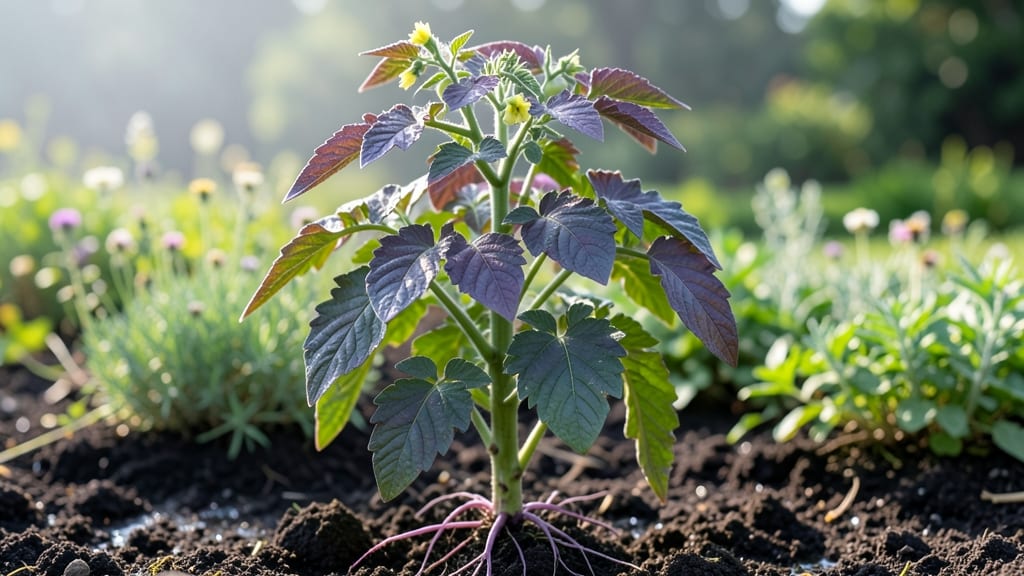
Your garden just got a showstopper—purple leaf tomato plants that steal the scene with their deep burgundy foliage and surprisingly cold tolerance. ✨ I’ve grown these dramatic beauties for three seasons now, and they’ve never failed to turn heads (and produce tasty fruit too).
These tomatoes thrive where others falter—in cooler climates or early spring plantings—because their purple leaves actually help regulate temperature. They need full sun but handle light frosts better than most varieties, making them perfect for extending your growing season. The trade-off?
Their fruit might be smaller, but the flavor is concentrated and the foliage is pure garden art. By mid-summer, you’ll have lush vines covered in velvety leaves and clusters of dark red, meaty tomatoes that taste like sunshine.
The key is keeping soil consistently moist (not soggy) and pruning to encourage airflow—this prevents the common blight issues that plague other heirlooms. Works in containers, raised beds, or in-ground—just give them room to sprawl. Ready to grow something truly special? Let’s get started.
📚 In This Guide
- What you need
- Instructions
- Tips and common mistakes
- Wrapping up and next steps
What you need
- ● 1–3 purple leaf tomato seedlings or seeds (e.g., Solanum lycopersicum ‘Purple Leaf’ or ‘Indigo Rose’). Start seeds indoors 6–8 weeks before the last frost or buy healthy transplants.
- ● 5-gallon containers or garden beds (purple leaf tomatoes thrive in deep, well-draining soil; containers must be at least 12–18 inches deep).
- ● High-quality potting mix or garden soil (amend with compost for nutrients; avoid heavy clay).
- ● Balanced fertilizer (10-10-10 or 5-5-5) to promote lush foliage and fruit production.
- ● Tomato cages or stakes (5–6 feet tall) for support—purple leaf varieties can get top-heavy!
- ● Mulch (straw or black plastic) to retain moisture and regulate soil temperature.
- ● Hand trowel or transplanting spade for planting.
- ● Watering can or drip irrigation system (purple leaf tomatoes love consistent moisture).
- ● Pruning shears to trim suckers and encourage bushier growth.
- ● Organic pest control (neem oil, row covers) to protect against aphids or early blight.
- ● Garden gloves (for handling prickly stems or soil).
- ● Sunlight meter or location guide—purple leaf tomatoes need 6–8+ hours of full sun daily.
Step-by-step guide to growing stunning purple leaf tomato plants
These dramatic plants thrive where others falter—here’s how to coax their rich foliage and sweet fruit.
🌱 Step 1: Select the Right Variety and Start Strong
Choose a cold-hardy purple-leaf tomato like 'Black Krim' or 'Purple Cherokee' from a reputable nursery or seed supplier. These varieties handle cooler temperatures better than standard tomatoes and deliver that striking purple foliage. I always buy established plants in 4-inch pots—they’re easier to transplant and skip the seed-starting phase entirely.
Check the root ball before buying. Healthy plants have dark green leaves with no yellowing and a firm, moist root system. Avoid plants with wilted leaves or white powdery mildew on the stems—that’s a sign of stress or disease. If you’re starting from seed, plant 6-8 weeks before your last frost date in a 70-75°F environment for best results.
☀️ Step 2: Plant in Full Sun with Proper Soil Prep
Purple leaf tomatoes need at least 6-8 hours of direct sunlight daily—they won’t tolerate shade like some other varieties. Choose a south-facing spot or use a grow light if you’re growing indoors. Amend your soil with 2-3 inches of compost before planting to ensure good drainage and fertility. These plants are heavy feeders, so don’t skimp on the organic matter.
Dig a hole twice as wide as the root ball but only as deep as the container the plant came in. Gently remove the plant, loosen the roots if they’re circling, and place it in the hole. Fill in with soil, pressing lightly to eliminate air pockets. Water deeply right after planting to help the roots settle—you’ll see the soil sink in slightly as it absorbs moisture.
💧 Step 3: Water Deeply and Mulch for Cold Protection
Water 1-2 inches per week, focusing on the base of the plant rather than overhead. Purple leaf tomatoes are drought-tolerant but produce better fruit when kept consistently moist. I water in the early morning so the foliage dries quickly, reducing the risk of fungal diseases. Let the top 1-2 inches of soil dry out between waterings to prevent root rot.
Apply 2-3 inches of mulch (straw or shredded leaves work well) around the base of the plant to retain moisture and protect roots from temperature swings. This is especially important if you’re growing in cooler climates—the mulch acts like a blanket, keeping roots 10-15°F warmer on chilly nights. Avoid piling mulch against the stems to prevent rot.
✂️ Step 4: Prune and Support for Maximum Yield
Purple leaf tomatoes benefit from light pruning to improve air circulation and fruit production. Remove any suckers (the small shoots that form in the leaf axils) when they’re no bigger than a pencil. This directs the plant’s energy into fruit rather than foliage. I also pinch off the first few flowers if the plant is still small—this encourages stronger stem growth before it starts producing.
Use stakes or cages to support the plants as they grow. These varieties can get top-heavy with fruit, so a 5-6 foot stake or a strong tomato cage prevents them from toppling over. Tie the main stem to the support with soft plant ties every 6-8 inches as it grows. Prune any leaves that touch the ground to reduce disease risk and improve airflow.
🌿 Step 5: Harvest and Extend the Season
Harvest tomatoes when they’re fully colored and slightly soft to the touch. Purple leaf varieties often ripen unevenly, so check the plants every 2-3 days in late summer. I pick them early if frost threatens—unripe tomatoes will ripen indoors at room temperature. Store them in a cool, dark place (like a paper bag) to finish ripening.
To extend the season, cover plants with frost cloth when temperatures drop below 35°F. These tomatoes are more cold-tolerant than standard varieties, but a little protection goes a long way. If you’re in a very cold climate, consider growing them in containers and moving them under cover before the first frost. With the right care, you’ll enjoy their dramatic foliage and sweet fruit well into fall—or even year-round in warmer regions.
Tips & tricks for growing stunning purple leaf tomatoes
Real talk: These purple beauties are finicky but worth it. Here's how to avoid the common pitfalls that turn gorgeous foliage into sad, underperforming plants.
Sunlight Strategy: Those 6-8 hours of sunlight are non-negotiable, but here's what I learned the hard way: Morning sun is your best friend. Position your plants to catch the first rays of the day—they'll develop deeper purple hues and stronger stems. If you're container growing, rotate pots weekly so all sides get equal light exposure.
Soil Secrets: The 2-3 inches of compost recommendation is just the starting point. These heavy feeders need consistent nutrients. I mix in a slow-release fertilizer like osmacote at planting time, then top-dress with compost every 4-6 weeks. The purple foliage will thank you with vibrant color that lasts all season.
Watering Wisdom: The 1-2 inches per week guideline works, but timing matters more than quantity. Water deeply in the morning so foliage dries completely by evening—this prevents fungal diseases like early blight that plague purple leaf varieties. I always check soil moisture by sticking my finger 1-2 inches down; if it's dry, it's time to water.
Cold Protection Hacks: That 10-15°F root protection from mulch is crucial, but don't stop there. In truly chilly climates, I add a layer of bubble wrap around the base of the plant before applying mulch. It creates an extra insulation barrier that keeps roots cozy even when nighttime temps dip below 35°F. The plants look like they're wearing little purple sweaters!
Pro Tips for Purple Leaf Tomato Plants
- Real talk: These purple beauties are finicky but worth it.
- Sunlight Strategy: Those 6-8 hours of sunlight are non-negotiable, but here's what I learned the hard way: Morning sun is your best friend.
- Soil Secrets: The 2-3 inches of compost recommendation is just the starting point.
Frequently asked questions
Got questions about purple leaf tomato plants? You’re not alone!
Here are answers to the most common queries—from planting tips to troubleshooting—so you can grow these stunning, cold-tolerant beauties with confidence.
How cold can purple leaf tomato plants tolerate?
Purple leaf tomatoes (like ‘Purple Russian’ or ‘Black Krim’) are among the hardiest varieties, surviving light frosts down to 25–28°F (-4 to -2°C). However, growth slows below 50°F (10°C). For best results, plant after your last frost date or use row covers in early spring/fall. Pro tip: Mulch heavily to protect roots!
Can I grow purple leaf tomatoes in containers?
These tomatoes thrive in 5-gallon+ containers with well-draining soil. Choose a deep pot (18+ inches) and train vines with a cage or trellis. Just ensure the container stays consistently moist and gets 6–8 hours of sunlight daily. Bonus: Purple varieties add a dramatic pop to balconies or patios!
How long does it take for purple leaf tomatoes to produce fruit?
Expect 70–90 days from transplant to harvest, depending on the variety and climate. Early-season heat can speed things up, while cooler temps may delay ripening. Prune suckers to focus energy on fruit production, and watch for purple blushes—a sign they’re nearly ready to pick!
What pests or diseases should I watch for?
Purple leaf tomatoes are less prone to blight than green varieties, but keep an eye out for:
- Hornworms: Handpick or use Bt spray (organic).
- Whiteflies: Spray with neem oil or introduce ladybugs.
- Fungal issues: Improve airflow and avoid overhead watering.
Are purple leaf tomatoes as tasty as red ones?
Yes—and even better! They’re sweeter, richer, and packed with antioxidants (like anthocyanins). Use them in salsas, sauces, or raw salads for a unique twist. Pro tip: Let them fully ripen on the vine for maximum flavor. Try roasting them for a smoky depth!
What are the best companion plants for purple leaf tomatoes?
Pair them with:
- Basil: Repels pests and boosts flavor.
- Marigolds: Deter nematodes.
- Avoid planting near potatoes or fennel (they compete for nutrients).
Wrapping up and next steps
Growing purple leaf tomato plants is a rewarding way to add color, flavor, and resilience to your garden—even in cooler climates! Their striking foliage and cold-hardy nature make them a standout choice for year-round drama.
Whether you're a seasoned gardener or just starting, these vibrant plants offer both beauty and practicality.
Ready to bring home a slice of this edible art? Start by selecting your favorite variety, gathering the right tools, and planning your planting strategy. Dig in, get growing, and enjoy the harvest! 🌱✨