
Flowers
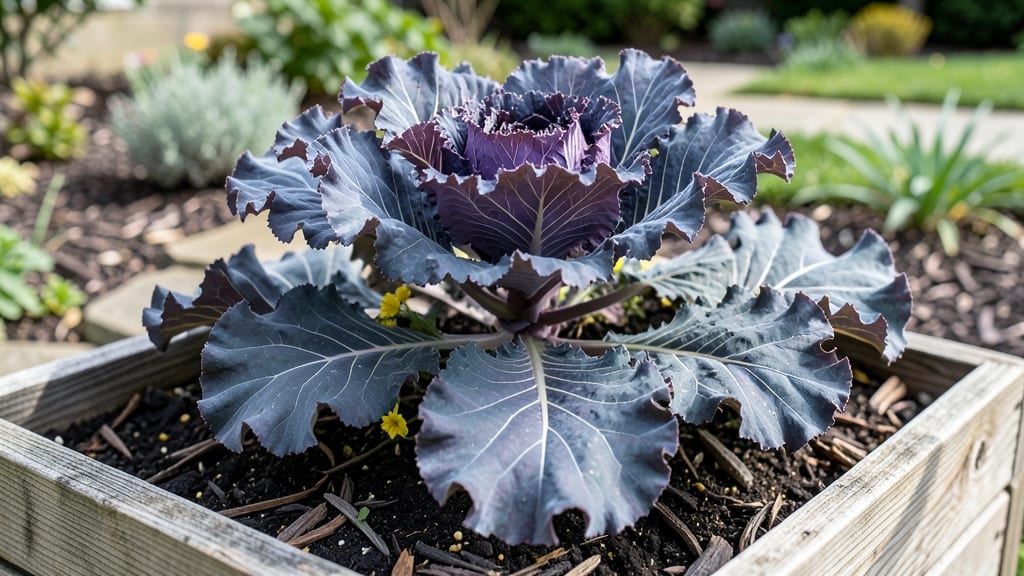
Growing purple leafy greens transforms your garden into a jewel-toned masterpiece with almost no extra effort. 🌿 These vibrant plants—like red lettuce, purple kale, or ruby chard—thrive with minimal fuss, adding bold color to salads, garnishes, and landscape beds alike.
The secret lies in their adaptability: they tolerate cooler weather better than most greens, making them perfect for early spring or late fall harvests.
Start with well-draining soil rich in organic matter—think compost mixed into your garden beds or potting mix for containers. Most purple varieties need 4-6 hours of sunlight daily, though they’ll tolerate partial shade, especially in hot climates.
Water consistently to keep soil moist but not soggy; these greens hate soggy roots. A mulch layer helps retain moisture and keeps leaves from bolting too quickly.
Harvesting is where the magic happens: snip outer leaves as needed, and the plant keeps producing for weeks or even months. The deeper the purple, the sweeter the flavor—so choose varieties like 'Red Sails' kale or 'Bright Lights' Swiss chard for maximum impact.
Companion plants like radishes or carrots deter pests while keeping the bed tidy.
Seasonal swaps make this a year-round project: swap heat-sensitive lettuce for heat-tolerant kale in summer, or protect tender greens with row covers when frost threatens. With the right setup, you’ll enjoy vibrant foliage and fresh harvests no matter the season—proof that stunning gardens don’t require complicated care.
📚 In This Guide
- What you need
- Instructions
- Tips and common mistakes
- Wrapping up and next steps
What you need
- ● Purple Leafy Green Seeds or Seedlings: Red Russian Kale (e.g., Lacinato or Dwarf Blue Curled)
- ● Purple Cabbage (e.g., Red Express or Purple Magic)
- ● Swiss Chard (e.g., Bright Lights)
- ● Quantity: 10–20 seeds per variety (or 3–5 seedlings for faster results).
- ● Growing Medium: Well-draining potting mix (sterilized, organic blend) – 10–20 lbs per container or bed.
- ● Compost (for enriching soil) – 2–3 cups per square foot.
- ○ Perlite or vermiculite (optional, for aeration) – 1 part per 4 parts soil.
- ● Containers or Garden Space: Containers: 5–10 gallon pots (with drainage holes) or raised beds (4’x8’).
- ● Direct sowing: Full sun to partial shade (6+ hours of light daily).
- ● Basic Gardening Tools: Hand trowel or transplanting spade
- ● Garden gloves (for protection)
- ● Watering can or hose with gentle spray nozzle
- ○ Fertilizers (Optional but Helpful): Balanced liquid fertilizer (e.g., 10-10-10) or fish emulsion.
- ● Slow-release granular fertilizer (e.g., 5-10-10) – 1 tbsp per plant.
- ● Pruning Shears (for harvesting outer leaves without damaging the plant).
- ○ Shade Cloth (Optional): 30–50% coverage for hot climates.
Step-by-step instructions for cultivating purple leafy greens
Here's how to grow bold, edible foliage that thrives with simple care and minimal trimming.
🌱 Step 1: Select and Prepare the Right Varieties
Choose cold-hardy purple varieties like red Russian kale, purple okra, or Swiss chard 'Bright Lights'—these deliver the most vibrant color. Start with 4-6 plants spaced 12-18 inches apart in well-draining soil with pH 6.0-7.0. Purple foliage intensifies in cooler weather, so aim for fall or spring planting in most climates.
Amend your soil with 1-2 inches of compost before planting. Purple leafy greens need fertile ground to maintain their rich pigment. Work the compost into the top 6 inches of soil and rake smooth. Avoid fresh manure—it can cause leaf scorch and dull the purple hues.
☀️ Step 2: Position for Optimal Light and Color
Plant in full sun to partial shade—4-6 hours of direct sunlight daily is ideal. Too much intense afternoon sun can fade the purple tones, while too little light results in pale, leggy growth. I position mine where they get morning sun and afternoon shade, especially in hot climates.
Watch for color changes as you adjust their placement. The deeper the purple-red hues, the more anthocyanins (antioxidant pigments) they're producing. If leaves start looking greenish, move them to a slightly sunnier spot. Mulch with 2-3 inches of straw to retain moisture and keep roots cool.
💧 Step 3: Water Consistently for Vibrant Growth
Keep soil evenly moist but never soggy—purple leafy greens wilt quickly when thirsty. Water at the base 1-2 inches deep whenever the top inch feels dry. Overhead watering can cause fungal issues that dull the foliage color. I use a drip irrigation system for consistent moisture without wetting the leaves.
This is where the magic happens: purple foliage develops its most intense color when plants experience mild stress from fluctuating moisture. Let the top inch dry out slightly between waterings in cooler weather, but never let plants wilt completely. You'll notice the deepest purples emerge after a light rain or when morning dew evaporates.
✂️ Step 4: Prune Strategically for Continuous Harvest
Harvest outer leaves when they reach 6-8 inches tall to encourage bushier growth. Use clean scissors to cut just above a leaf node—this prevents damage to the main stem. Regular pruning prevents bolting (flowering) and keeps plants producing tender, colorful leaves for 6-8 weeks in ideal conditions.
Never remove more than ⅓ of the plant at once. Purple varieties like red kale can handle more aggressive harvesting than green types, but over-pruning weakens their ability to rebound. After each harvest, fertilize lightly with ½ strength liquid fertilizer to replenish nutrients. You'll see new purple leaves emerge within 7-10 days of proper care.
🌿 Step 5: Protect and Maintain Year-Round
In cold climates, protect plants with row covers or cold frames when temperatures drop below 20°F. Purple varieties often survive winter better than green ones, but extreme cold can cause leaf damage. In heatwaves, provide afternoon shade to prevent bolting and maintain color intensity.
Monitor for pests like aphids or cabbage worms—purple foliage attracts beneficial insects but can also draw pests. Spray with neem oil if needed, but avoid chemical sprays that may alter leaf color. With proper care, your purple leafy greens will produce vibrant harvests for 6-8 months, making them one of the most rewarding crops to grow.
Tips & tricks for cultivating vibrant purple leafy greens
Here's what nobody tells you about growing the most stunning edible foliage—these are the secrets that make all the difference.
Soil Science Matters: The pH 6.0-7.0 range isn't just a suggestion—it's crucial for unlocking those deep purple pigments. Test your soil before planting, and if it's off, amend with wood ash to raise pH or sulfur to lower it. I've seen dramatic color changes just by adjusting pH—what looked dull suddenly became vibrant! Purple varieties need this balance to produce maximum anthocyanins, those powerful antioxidants that give them their stunning color.
Lighting Strategy: That 4-6 hours of sunlight window is your sweet spot, but timing matters just as much as duration. Morning sun builds energy while afternoon shade prevents color fading. In hot climates, I actually move my plants to partial shade by early afternoon—this keeps the leaves from bleaching out while still giving them enough light to thrive. Watch for color shifts: if the purples start turning greenish, they're getting too much direct afternoon sun.
Harvesting Hack: The 6-8 inch height guideline is perfect, but here's the pro move: harvest the largest outer leaves first. This creates space for new growth while keeping the plant balanced. I always use clean, sharp scissors and cut at a 45-degree angle just above a leaf node—this prevents disease and encourages bushier regrowth. After each harvest, I give the plants a ¼ teaspoon of Epsom salt dissolved in water to replenish magnesium, which keeps those purple hues intense.
Seasonal Adjustments: In winter, when temperatures drop below 20°F, I don't just cover my plants—I create a microclimate. I use floating row covers secured with bricks to keep them in place, but I also add a 2-inch layer of straw mulch on top for extra insulation. This simple layer can make the difference between frozen leaves and plants that keep producing through winter. The mulch also helps maintain even soil moisture, which is crucial when evaporation slows down in cold weather.
Pro Tips for Purple Leafy Greens
- Here's what nobody tells you about growing the most stunning edible foliage—these are the secrets that make all the difference.
- Soil Science Matters: The pH 6.0-7.0 range isn't just a suggestion—it's crucial for unlocking those deep purple pigments.
- Lighting Strategy: That 4-6 hours of sunlight window is your sweet spot, but timing matters just as much as duration.
Frequently asked questions
Got questions about growing purple leafy greens? You’re not alone! Here are answers to the most common queries to help you cultivate vibrant, edible foliage with ease.
What are the best purple leafy greens for beginners?
Start with hardy varieties like red Russian kale, purple cabbage, or Swiss chard ‘Bright Lights’. These thrive in cool weather, tolerate light frost, and offer stunning color. Avoid delicate greens like red lettuce unless you’re in a mild climate.
How long does it take for purple leafy greens to mature?
Most purple greens mature in 4–8 weeks, depending on the variety. Leafy kale and chard may take longer (6–8 weeks), while baby greens like red mustard can be harvested in just 3–4 weeks. Check seed packets for exact timelines.
Can I grow purple leafy greens in hot summer weather?
Yes, but with adjustments! Opt for heat-tolerant varieties like red oakleaf lettuce or purple amaranth. Provide partial shade, mulch to retain moisture, and water deeply in the morning. Avoid transplanting seedlings in peak heat—start seeds indoors or use shade cloth.
Why are my purple leaves turning dull or losing color?
Dull or faded purple hues often signal nutrient deficiencies (like nitrogen or magnesium) or overwatering. Boost color with a balanced fertilizer (high in nitrogen) and ensure well-draining soil. Too much sun can also bleach leaves—try morning sun + afternoon shade.
Are purple leafy greens safe to eat raw or cooked?
Most purple greens (kale, chard, cabbage) are nutrient-dense both raw and cooked. Raw in salads adds crunch and antioxidants, while sautéing or steaming enhances their sweetness. Just rinse thoroughly to remove dirt—no need to peel unless the stems are tough.
Wrapping up and next steps
Purple leafy greens aren’t just a feast for the eyes—they’re a nutrient-packed and low-maintenance addition to any garden! Whether you’re a seasoned gardener or just starting out, these vibrant plants thrive with minimal pruning and the right care.
With their rich color and hardy nature, they’re perfect for adding year-round beauty and flavor to your space.
Ready to grow your own? Start by gathering your supplies, choosing the right spot, and following the simple steps outlined above. Soon, you’ll be harvesting lush, purple greens that’ll make your garden—and your plate—pop with color! 🌱✨