
Planting
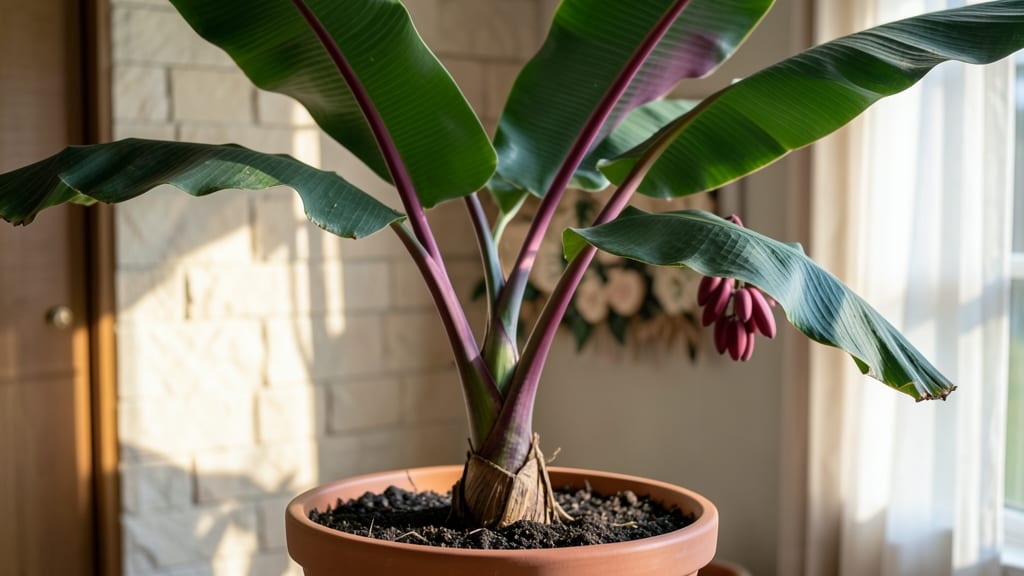
The red banana leaf plant brings jungle drama to your home—no greenhouse required. 🌿 I’ve grown these striking plants for years, and they thrive where most tropicals would throw a fit. The secret? Mimicking their natural rainforest conditions with just a few simple tweaks.
This isn’t a high-maintenance diva—it’s a low-light lover that rewards patience with bold, velvety leaves that glow like polished mahogany. You’ll need a few basics: a humidity tray (or pebble tray), well-draining soil, and a spot where temperatures stay 65-80°F.
Skip the harsh afternoon sun, and you’ll see new growth in just a few weeks. What you’ll end up with is a statement plant that purifies the air and turns heads—no pruning, no fuss.
The leaves stay deep red and glossy when happy, and they bounce back from minor mishaps like a champ. Even my black thumb can’t kill these. Works beautifully in bathrooms, north-facing rooms, or under office lights. Let’s get yours growing!
📚 In This Guide
- What you need
- Instructions
- Tips and common mistakes
- Wrapping up and next steps
What you need
- ● Red banana leaf plant (Musa velutina or Musa acuminata 'Rubra') – 1 healthy nursery-grown plant (ensure it has vibrant red-purple leaves and sturdy stems).
- ● Well-draining potting mix – 5 gallons of a blend designed for tropical plants (60% peat moss or coconut coir, 30% perlite, 10% compost or worm castings).
- ● Pot or container – 1 large container (18–24 inches in diameter) with drainage holes or a 5-gallon grow bag for flexibility.
- ● Gravel or pebbles – 1–2 cups for the pot’s drainage layer.
- ● Watering can with a narrow spout – For precise watering without disturbing the soil.
- ● Fertilizer – Balanced liquid fertilizer (10-10-10 or 20-20-20) or slow-release granules for tropical plants.
- ● Pruning shears – Small, sharp pair for trimming dead leaves or overgrowth.
- ● Support stake or trellis – 1–2 bamboo stakes or a lightweight trellis (4–6 feet tall) to guide the plant’s growth.
- ● Mulch (e.g., pine bark or shredded leaves) – To retain moisture and regulate soil temperature.
- ● Humidity tray or pebble tray – If your home has dry air (especially useful in winter!).
- ● Grow lights – LED or fluorescent bulbs (6000K–6500K) for supplementing low-light conditions.
- ● Soil moisture meter – To avoid over- or under-watering.
- ● Compost tea or seaweed extract – For a natural nutrient boost (mix 1 tbsp per gallon of water).
How to grow a thriving red banana leaf plant indoors
Here’s the straightforward approach I use to keep these striking plants lush and vibrant year-round.
🪴 Step 1: Select the Right Pot and Soil Mix
Choose a 6-8 inch diameter pot with drainage holes—red banana leaf plants (Calathea lancifolia) hate soggy roots. I use a well-draining potting mix blended with 30% perlite or orchid bark to prevent compaction. This mix mimics their native humid, airy soil conditions.
Fill the pot ⅔ full with the mix, then tap it gently to settle. The reason for this blend? Pure potting soil compacts over time, cutting off oxygen to delicate roots. You’ll know you’ve done it right when the soil feels light and crumbly—like a damp sponge.
🌱 Step 2: Plant and Position for Humidity
Remove the plant from its nursery pot and gently tease the roots apart if they’re circling. Place it in the center of your prepared pot, then fill the remaining space with more mix, pressing lightly to eliminate air pockets. The crown should sit just above soil level—burying it invites rot.
Set the pot on a pebble tray filled with water or group it with other tropical plants. Red banana leaf plants thrive in 60-80% humidity, which most homes don’t naturally provide. You’ll notice the leaves curling at the edges if humidity drops too low—this is your cue to increase misting or move the tray closer to a humidifier.
☀️ Step 3: Master the Light Balance
Place your plant 3-6 feet from an east-facing window—direct sun burns those stunning red leaves, while too little light causes them to lose their vibrant color. A grow light on a 12-hour timer works well if natural light is limited. I’ve found that bright, indirect light keeps the foliage rich and prevents the leaves from developing brown spots.
Rotate the pot a quarter turn weekly so all sides get even exposure. You’ll see new growth leaning toward the light? That’s your plant telling you it needs to be moved closer. The goal is medium to bright indirect light—think dappled shade under a tree.
💧 Step 4: Water with Precision
Water when the top 1-2 inches of soil feel dry—stick your finger in to check. Pour water until it drains freely from the bottom, then empty the saucer immediately. Overwatering is the #1 killer of red banana leaf plants, causing root rot that shows up as yellowing leaves.
Use lukewarm, filtered water—chlorine and fluoride in tap water can scorch the leaves. I’ve learned the hard way that distilled or rainwater keeps the foliage crisp and prevents brown tips. Mist the leaves 2-3 times weekly to maintain that tropical humidity.
✂️ Step 5: Maintain and Propagate
Wipe the leaves monthly with a damp microfiber cloth to remove dust, which clogs pores and dulls their color. Fertilize every 4-6 weeks in spring/summer with a balanced liquid fertilizer diluted to half strength. Too much food causes salt buildup, which you’ll spot as white crust on the soil surface.
To propagate, divide the plant when it outgrows its pot—gently separate the rhizomes and repot each section. You’ll know you’ve done it right when the new plants produce 2-3 fresh leaves within 4-6 weeks. Prune yellow or damaged leaves at the base with clean scissors to encourage new growth.
Tips & tricks for perfect red banana leaf plant care
These simple adjustments will help your red banana leaf plant stay vibrant and healthy with minimal effort.
Soil Texture Matters: After filling your 6-8 inch pot with the ⅔ full mix, press it gently but firmly to eliminate air pockets. The soil should feel like a damp sponge—not packed like wet sand. I've found that using a wooden chopstick to poke holes in the mix before pressing helps create even better aeration for those sensitive roots. This prevents compaction that suffocates delicate rhizomes over time.
Humidity Hacks: If your home stays consistently below 60% humidity, place your pebble tray on a larger tray filled with water and pebbles. The increased surface area creates more evaporation, raising local humidity around your plant. For an extra boost, group your red banana leaf with other tropical plants like ferns or calatheas—they all benefit from the shared moisture. You'll notice leaves curling less within a week of this setup.
Light Positioning: When placing your plant 3-6 feet from an east-facing window, consider the angle of sunlight throughout the day. In winter months, move it slightly closer (3 feet) as the sun's trajectory is lower. For north-facing windows, supplement with a grow light on a 12-hour timer—I've had success with LED grow lights that provide full-spectrum illumination without generating excessive heat. The key is maintaining that bright, indirect light without direct sun exposure.
Watering Insight: The top 1-2 inches dry rule works, but here's the secret: water in the morning so excess moisture evaporates during the day rather than sitting in the saucer overnight. I've learned that using a moisture meter (about $15) eliminates guesswork—insert it into the soil and water when it reads below 3 on the scale. This prevents both underwatering and overwatering, which are the two most common issues I see with these plants.
Pro Tips for Red Banana Leaf Plant
- These simple adjustments will help your red banana leaf plant stay vibrant and healthy with minimal effort.
- Soil Texture Matters: After filling your 6-8 inch pot with the ⅔ full mix, press it gently but firmly to eliminate air pockets.
- Humidity Hacks: If your home stays consistently below 60% humidity, place your pebble tray on a larger tray filled with water and pebbles.
Frequently asked questions
Got questions about growing or using red banana leaf plants? You’re not alone! Here are answers to the most common queries—from care tips to creative uses—so you can enjoy this stunning tropical beauty with confidence.
How fast does a red banana leaf plant grow?
The growth rate depends on conditions, but under ideal warmth (70–90°F) and humidity, you’ll see new leaves emerge in 4–8 weeks. In cooler climates or low light, growth slows to 2–3 months per leaf. Patience pays off—these plants thrive with time!
Can I grow a red banana leaf plant indoors?
Place it near a bright, indirect light source (like an east-facing window) and use a humidity tray or misting to mimic its tropical habitat. Avoid drafts—consistent warmth (65°F+) keeps it happy. Just watch for browning edges, a sign it needs more moisture!
How do I harvest leaves without killing the plant?
Harvest leaves from the outer edges of the plant, leaving the inner growth intact. Use clean, sharp scissors to cut at a 45-degree angle near the base. Never take more than 1/3 of the plant at once—this ensures regrowth while keeping your plant lush and productive.
Are red banana leaves edible, and how do I use them?
Yes! They’re a staple in Southeast Asian cuisine for wrapping lemongrass chicken, fish, or veggies. To prep: Lightly char the leaf over a flame (or boil for 2 minutes) to soften it, then use it like parchment paper. The smoky aroma adds a unique twist to any dish!
Why are my red banana leaves turning yellow or brown?
Yellowing often signals overwatering or poor drainage—let the soil dry slightly between waterings. Brown tips? Low humidity or fluoride in tap water could be the culprit. Try distilled water and boost humidity with a pebble tray. With adjustments, your plant will bounce back!
| Issue | Quick Fix |
|---|---|
| Slow growth | Move to brighter light or fertilize lightly (balanced 10-10-10) every 2 months. |
| Pests (spider mites) | Wipe leaves with neem oil or rinse with soapy water (1 tsp mild soap per gallon). |
| Leggy stems | Rotate the pot weekly for even light exposure. |
Wrapping up and next steps
The red banana leaf plant is a stunning, low-maintenance tropical gem that brings vibrant color and lush texture to any space—without the high upkeep of traditional bananas. 🌿 Whether you’re drawn to its striking foliage, air-purifying benefits, or easy-care nature, this plant proves that beauty and simplicity go hand in hand.
Ready to elevate your indoor jungle? Start by gathering your supplies, choosing the perfect spot, and watch your home transform with this effortless tropical glow!
💡 Next step: Pick your favorite variety (like Musa velutina or Musa acuminata) and get planting—your green thumb (or lack thereof) won’t hold you back!