
Shrubs
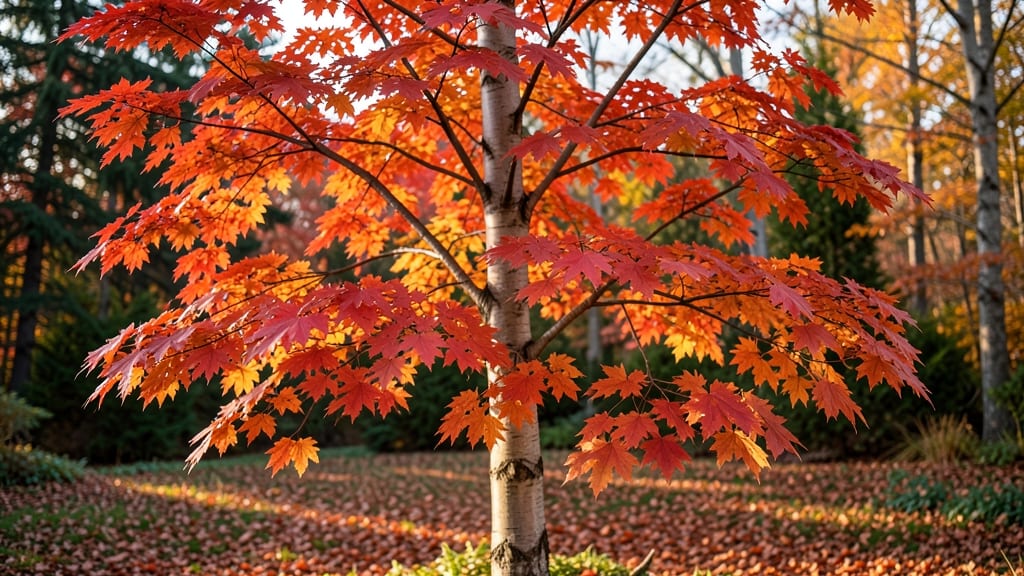
That fiery red fall leaf isn’t just nature’s masterpiece—it’s the star of your autumn garden. 🍂 I’ve spent years chasing the perfect shrub that delivers bold crimson foliage, and these plants never disappoint. The secret? Choosing varieties like sumacs or maples that turn vibrant red when the temperatures drop.
The best part? These shrubs thrive with minimal fuss—just prune in late winter and water deeply when the soil dries out. I’ve seen my Staghorn sumac burst into flames of red by October, and it’s a sight that makes neighbors stop and stare.
The tart, deep hues contrast beautifully with golden oaks and evergreens, creating a sweet-and-tart autumn palette. You’ll love how these shrubs handle seasonal shifts—no wilting, no fading. Even in cooler climates, they keep their color until the first frost. The bonus?
Birds and butterflies adore them, turning your yard into a seasonal hotspot. Perfect for borders, focal points, or even container gardens. Let’s pick the right shrub for your space and make this fall unforgettable!
📚 In This Guide
- What you need
- Instructions
- Tips and common mistakes
- Wrapping up and next steps
What you need
- ● Red fall leaf shrub (e.g., Viburnum dentatum ‘Autumn Jazz’ or Cotoneaster ‘Royal Rainbow’) – 1-3 plants, depending on desired coverage (check spacing requirements for your variety).
- ● High-quality potting soil or garden soil – 5+ gallons (amend with compost for nutrients).
- ● Organic mulch (pine bark or shredded leaves) – 2-3 inches to retain moisture and regulate temperature.
- ● Slow-release fertilizer (10-10-10 or balanced organic) – 1-2 tbsp per plant at planting time.
- ● Watering can or hose with a gentle spray nozzle – For deep, even hydration.
- ● Garden trowel or shovel – For digging holes (6" wider and deeper than the root ball).
- ● Pruning shears – To trim dead branches or shape your shrub post-planting.
- ● Garden gloves – Protect your hands from thorns (if applicable) and dirt.
- ● Measuring tape – Ensure proper spacing (typically 3-6 feet apart, depending on the shrub).
- ● Epsom salt (magnesium sulfate) – 1 tbsp dissolved in water for a mid-season boost.
- ● Plant food spray (fish emulsion or seaweed extract) – For extra foliage vibrancy.
- ● Decorative stones or edging – To frame your shrub and enhance the autumnal look.
- ● Drip irrigation system – For low-maintenance watering (especially in dry climates).
Step-by-step guide to cultivating a stunning red fall leaf shrub
Here's how to create a showstopping autumn display that keeps its fiery colors through winter.
🌱 Step 1: Select the Right Shrub Varieties for Maximum Color
Start with proven performers like Oakleaf Maple (Acer rubrum 'Autumn Flame'), Smoke Bush (Cotinus coggygria 'Royal Purple'), or Viburnum (Viburnum bodnantense 'Dawn')—these deliver the deepest reds and hold color longest. I always check for disease resistance labels, because a shrub that fades early ruins the whole effect. Plant in full sun to partial shade—too much shade dulls the autumn hues.
Dig holes twice as wide as the root ball but only as deep as the container's base. This prevents burying the trunk too deep, which causes rot. Amend the native soil with compost if it's heavy clay—your shrubs will thank you with brighter fall color. Space plants 6-10 feet apart depending on mature size, giving them room to develop their signature shape.
☀️ Step 2: Plant in Well-Draining Soil with Proper Sun Exposure
Your red fall foliage thrives in well-draining soil—amend with 2-3 inches of compost mixed into the top 12 inches of soil. I test drainage by digging a hole, filling it with water, and watching how fast it drains. If water pools after 30 minutes, add sand or perlite to improve drainage. The right soil keeps roots healthy so the shrub can focus energy on vibrant fall leaves.
Position shrubs where they'll get at least 4-6 hours of direct sun daily. Morning sun with afternoon shade works best in hot climates—too much midday sun can scorch leaves before autumn arrives. Mulch with 2-3 inches of shredded bark around the base (keep it 3 inches away from the trunk) to retain moisture and regulate soil temperature.
💧 Step 3: Water Deeply and Fertilize for Vibrant Fall Foliage
Water deeply once a week during the first growing season, soaking the soil to 12 inches deep. You'll know it's enough when water runs out the drainage holes. After establishment, shrubs need 1 inch of water weekly—check by pushing a screwdriver into the soil. Overwatering causes yellow leaves and weakens the plant's ability to produce rich autumn colors.
Feed with a balanced fertilizer (10-10-10) in early spring and again in mid-summer. I avoid high-nitrogen fertilizers in late summer—they encourage tender new growth that won't harden off before frost. Instead, switch to a low-nitrogen, high-potassium formula in late summer to boost fall color intensity. Stop fertilizing 6-8 weeks before your first frost to let the plant focus on developing hardy foliage.
✂️ Step 4: Prune Strategically to Encourage Dense, Colorful Growth
Prune late winter or early spring before new growth begins. Remove dead, diseased, or crossing branches first—they compete with healthy growth and dull fall colors. Cut back overly leggy branches by one-third to encourage bushier growth. I always use clean, sharp pruners to make smooth cuts just above a bud or branch collar.
Avoid heavy pruning in late summer—it stimulates tender new growth that won't mature before frost. Instead, do a light shaping trim in early autumn to remove only spent flowers or damaged leaves. This keeps the plant's energy focused on developing vibrant fall foliage. After pruning, apply a mulch ring around the base to protect roots from temperature swings.
🌿 Step 5: Protect and Maintain for Long-Lasting Autumn Beauty
Watch for spider mites or scale insects—they thrive on stressed shrubs and can defoliate plants before autumn. I spray with neem oil at the first sign of webbing or sticky residue. Healthy shrubs develop thicker leaves that resist pests and hold color longer. If leaves start yellowing in early autumn, it's often a sign of iron deficiency—apply chelated iron if needed.
In late autumn, remove all fallen leaves from around the base to prevent fungal diseases. I rake them into a compost pile instead of leaving them on the ground. Water sparingly in winter unless you have prolonged dry spells—most red fall shrubs are drought-tolerant once established. With proper care, your shrubs will reward you with deep reds, oranges, and purples that last through the first frost and beyond.
Tips & tricks for perfect red fall leaf shrub
Here's what nobody tells you about keeping those autumn colors vibrant all season long!
Variety Selection: When choosing your shrubs, prioritize those labeled as "disease-resistant" and "long-lasting color." I learned this the hard way after planting a beautiful but short-lived variety that faded by October. Oakleaf Maple and Smoke Bush are my top picks—they consistently deliver the deepest reds and hold their color through the first frost.
Soil Preparation: The 30-minute drainage test is your best friend! Before planting, dig a hole, fill it with water, and time how long it takes to drain. If water remains after 30 minutes, amend with sand or perlite to improve drainage. This simple step prevents root rot and ensures your shrubs can focus energy on producing vibrant fall foliage rather than struggling with soggy soil.
Sunlight Strategy: For maximum color intensity, position your shrubs to receive at least 4-6 hours of direct sunlight daily. In hot climates, morning sun with afternoon shade works best—this prevents leaf scorch while still providing enough light for deep red development. I've seen shrubs in full afternoon sun develop yellowed or browned edges before autumn even arrives.
Fertilizer Timing: The switch to low-nitrogen, high-potassium fertilizer in late summer is absolutely critical. I used to fertilize right up until frost, but that led to tender new growth that couldn't survive winter. Now I stop fertilizing 6-8 weeks before my first frost, and my shrubs develop much hardier foliage that maintains its vibrant colors through winter.
Pro Tips for Red Fall Leaf
- Here's what nobody tells you about keeping those autumn colors vibrant all season long!
- Variety Selection: When choosing your shrubs, prioritize those labeled as "disease-resistant" and "long-lasting color."
- Soil Preparation: The 30-minute drainage test is your best friend!
Frequently asked questions
Got questions about your red fall leaf shrub? You’re not alone! Here are some of the most common queries—and their answers—to help you keep your shrub thriving and stunning all season long.
When is the best time to plant a red fall leaf shrub?
The ideal window is early spring or early fall—when temperatures are mild (50–70°F) and the soil isn’t frozen. Planting in fall gives roots time to establish before winter, while spring avoids summer heat stress. Avoid planting in extreme heat or cold, as it can shock the shrub.
Why aren’t my red fall leaf shrub’s leaves turning red this year?
Several factors can affect color intensity: sunlight (needs full sun for vibrant hues), soil pH (slightly acidic, 6.0–6.5), and nutrients (low nitrogen, balanced phosphorus/potassium). Check for over-fertilizing or shade—both can dull colors. Try a light pruning in early spring to encourage new growth.
How often should I water a red fall leaf shrub?
Water deeply 1–2 times per week during the first year to establish roots, then taper to weekly or biweekly once mature (adjust for drought). Mulch around the base (2–3 inches) to retain moisture. Pro tip: Water at the soil level—not the leaves—to prevent fungal issues.
Can I prune my red fall leaf shrub in winter?
Prune late winter or early spring (before new growth starts) to shape the shrub and remove dead wood. Avoid heavy pruning in fall—it can stress the plant before winter. Use clean, sharp shears and cut at a 45-degree angle just above a bud or branch collar for the best results.
Are red fall leaf shrubs deer-resistant?
While not fully deer-proof, they’re less appealing than tender perennials. Deer may nibble if other food is scarce. To deter them, try repellents, fencing, or companion planting with deer-resistant varieties like boxwood or barberry.
Wrapping up and next steps
The red fall leaf shrub isn’t just a stunning addition to your garden—it’s a celebration of autumn’s vibrant energy, blending tart and sweet flavors in every season. From its bold foliage to its versatile uses in cooking and crafts, this shrub proves nature’s beauty and utility are perfectly balanced. 🍂
Ready to bring a touch of fiery autumn into your space? Start by planting one this fall—or experiment with its leaves in recipes, teas, or DIY projects. Whether you’re a gardener, chef, or crafter, this shrub invites you to harvest the season’s magic in your own backyard.