
Shrubs
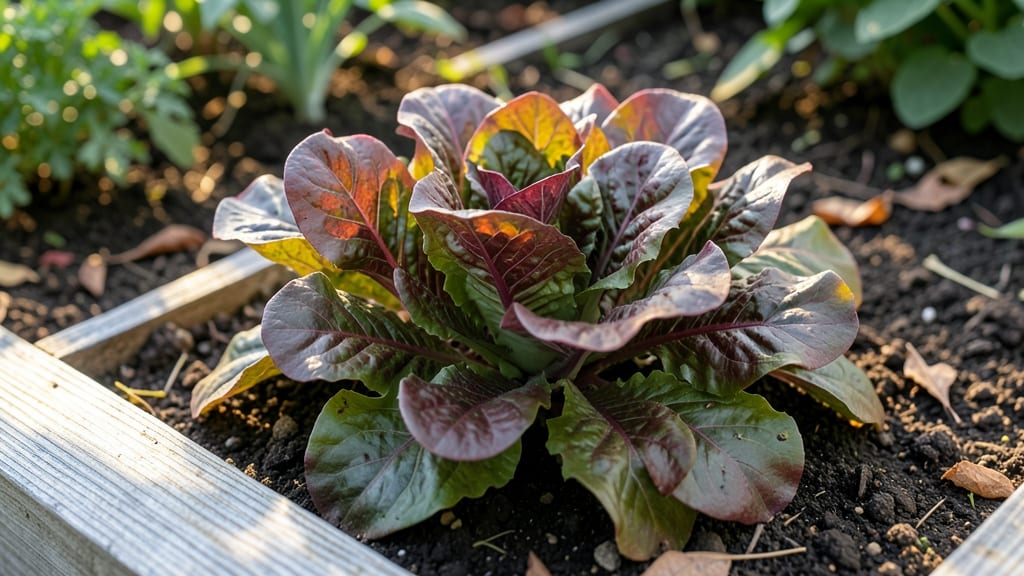
Growing red green leaf lettuce is the easiest way to add crisp, colorful greens to your plate all year—no greenhouse or fancy equipment needed. 🌱 I’ve grown this variety through four seasons, and it thrives in conditions where other lettuces bolt or wilt.
The secret? Cool roots, consistent moisture, and a little shade when summer heats up.
This lettuce handles both direct sowing and transplants, making it perfect for beginners or busy gardeners. Plant it in well-draining soil with partial shade in hot climates, and you’ll avoid the bitterness that comes from stress.
A 2-3 inch layer of mulch keeps roots cool and locks in moisture, so you water less and harvest more.
By harvesting outer leaves as needed, you’ll get continuous harvests for 6-8 weeks—longer if you protect it from heat. The flavor stays sweet and crisp, even when grown in containers or raised beds. No fuss, just fresh greens whenever you want them.
Common mistakes? Overwatering (roots need air) or letting it dry out (leaves turn bitter). If it bolts early, try succession planting every 2-3 weeks for a steady supply. This variety forgives mistakes better than most—once you try it, you’ll wonder why you ever bought bagged salad.
📚 In This Guide
- What you need
- Instructions
- Tips and common mistakes
- Wrapping up and next steps
What you need
- ● Seeds: Lactuca sativa (red-green leaf lettuce variety) – 1 packet (500+ seeds) or 2-3 seeds per pot if starting indoors.
- ● Containers: For indoor/container gardening: 5-6 inch deep pots (1 per plant) or a long raised bed (12+ inches deep).
- ● For outdoor beds: Well-draining soil in a sunny, partially shaded spot.
- ● Growing Medium: Potting mix: Lightweight, organic mix (e.g., Miracle-Gro Moisture Control or Fox Farm Ocean Forest).
- ● Outdoor soil: Loamy, sandy loam with compost (amend with 1-2 inches of compost before planting).
- ● Fertilizer: Balanced organic fertilizer (e.g., 5-5-5 or 10-10-10) or compost tea for a gentle boost.
- ● Watering Can or Hose: With a fine mist nozzle for gentle watering.
- ○ Grow Lights (Optional for Indoor Growing): LED full-spectrum lights (12-16 hrs/day) if natural light is insufficient.
- ● Hand Trowel – For planting and soil prep.
- ● Gloves – To keep hands clean while handling soil.
- ● Spray Bottle – For misting seedlings.
- ○ Mulch (Optional): Straw or shredded leaves to retain moisture.
- ○ Row Covers (Optional): Lightweight fabric to protect from pests or harsh weather.
Step-by-Step instructions for growing red green leaf lettuce
Here's how to grow this crisp, colorful variety with minimal effort and maximum yield.
🌱 Step 1: Prepare the Growing Space
Red Green Leaf lettuce thrives in cool temperatures between 45-75°F and can be grown in containers or garden beds. Choose a location with 4-6 hours of sunlight daily—morning sun with afternoon shade works best in hot climates. If growing in containers, use pots at least 6 inches deep with drainage holes to prevent waterlogging.
For garden beds, loosen the soil to a depth of 6-8 inches and mix in 2-3 inches of compost to improve drainage and fertility. Lettuce roots are shallow, so avoid heavy tilling that could damage them. I always test soil pH (aim for 6.0-7.0) because acidic soil can stunt growth—amend with lime if needed.
🌱 Step 2: Sow Seeds Directly or Start Indoors
For spring or fall planting, sow seeds ¼ inch deep in rows spaced 12-18 inches apart. Thin seedlings to 6-8 inches apart once they reach 2 inches tall—this prevents overcrowding and improves airflow, reducing disease risk. If starting indoors 4-6 weeks before last frost, use seed trays with sterile seed-starting mix and keep soil consistently moist.
Here's the thing—lettuce seeds are tiny, so I use a seedling mat to speed germination (seeds sprout best at 65-75°F). Cover trays with plastic wrap until sprouts appear (5-10 days), then remove the cover to prevent damping-off. Once seedlings have 2-3 true leaves, they're ready for transplanting.
💧 Step 3: Water and Maintain Moisture
Consistent moisture is key—lettuce has shallow roots and wilts quickly when dry. Water 1 inch per week, aiming for the soil surface (not leaves) to avoid fungal diseases. I use a drip irrigation system or water early in the morning to let foliage dry before evening. Mulch with 1 inch of straw to retain moisture and suppress weeds—this saves time and keeps soil cool.
Watch for yellowing leaves, which often signals overwatering or poor drainage. If soil feels soggy, let it dry slightly between waterings. In containers, check soil moisture daily—small pots dry out faster. Avoid wetting leaves during watering, as this can promote mildew, especially in humid conditions.
☀️ Step 4: Protect from Heat and Pests
Red Green Leaf lettuce bolts (goes to seed) quickly in temperatures above 80°F. To extend harvests in summer, provide afternoon shade with 50% shade cloth or grow under partial shade trees. I also plant succession crops every 2-3 weeks for continuous harvests—this ensures you always have fresh leaves before the heat sets in.
Keep an eye out for pests like aphids or slugs. Aphids cluster on tender leaves, while slugs leave irregular holes. I use neem oil spray for aphids and set out beer traps for slugs—both methods are organic and effective. If birds become an issue, cover seedlings with row fabric until established.
✂️ Step 5: Harvest for Continuous Yield
You can start harvesting outer leaves when plants reach 4-6 inches tall—this encourages regrowth and extends the harvest window. Use clean scissors or fingers to snip leaves at the base, leaving the center intact. For a full harvest, cut the entire plant 1 inch above the soil when leaves reach 8-10 inches tall—new growth will sprout within 2-3 weeks.
Regular harvesting prevents bolting and keeps plants productive. In ideal conditions, you can get 2-3 harvests per season from a single planting. Store harvested leaves in the fridge for up to 5-7 days in a sealed container with a paper towel to absorb moisture—this keeps them crisp for salads or cooking.
Tips & tricks for perfect red green leaf lettuce
Here's what I've learned after growing this variety for years—simple tricks that make all the difference.
Temperature Matters: The 45-75°F range is non-negotiable for optimal growth. I've found that using a simple thermometer in your growing area helps track fluctuations. If your climate dips below 45°F, consider using a cold frame or row covers to maintain warmth during the day. For containers, dark-colored pots absorb more heat and help regulate soil temperature better than light-colored ones.
Seedling Mat Strategy: That seedling mat I mentioned in Step 2 isn't just a gimmick—it's a game-changer. Place your seed trays directly on it to maintain consistent 65-75°F soil temperatures. I've seen germination rates improve from 60% to nearly 90% using this method. The key is keeping the mat plugged in until you see sprouts, then removing it to prevent overheating.
Heat Protection Hack: When temperatures creep above 80°F, I don't just rely on shade cloth—I also mist the leaves with water in the early morning. This creates a temporary cooling effect and helps maintain that vibrant red color. Just be sure to water before the sun gets too intense to prevent leaf burn. The misting also helps deter pests like aphids from settling in.
Harvesting Technique: The 4-6 inch height for initial harvesting might seem early, but trust me on this. Using clean scissors at a 45-degree angle creates less damage to the plant's growth point. I always harvest in the morning when leaves are most crisp. For full harvests, cutting 1 inch above soil actually stimulates faster regrowth—new shoots will appear within days if you maintain proper care.
Pro Tips for Red Green Leaf Lettuce
- Here's what I've learned after growing this variety for years—simple tricks that make all the difference.
- Temperature Matters: The 45-75°F range is non-negotiable for optimal growth.
- Seedling Mat Strategy: That seedling mat I mentioned in Step 2 isn't just a gimmick—it's a game-changer.
Frequently asked questions
Got questions about growing red-green leaf lettuce? You’re not alone!
Here are answers to the most common queries to help you cultivate a thriving, zero-fuss harvest.
How long does it take for red-green leaf lettuce to grow?
Red-green leaf lettuce is one of the fastest-growing greens! From seed, you can expect tender leaves ready to harvest in just 30–40 days, while full maturity (for cutting) takes about 50–60 days. For baby leaves, snip them as early as 2–3 weeks—no waiting required! Pro tip: Successive planting every 2 weeks ensures a continuous supply.
Can I grow red-green leaf lettuce in hot or cold weather?
This variety is cool-season tolerant but struggles in extreme heat (above 80°F/27°C) or frost (below 20°F/-7°C). For summer growing, opt for shade cloth or container gardening with afternoon shade. In cold climates, use row covers or grow under lights indoors. Bonus: It’s perfect for early spring or fall harvests!
What’s the difference between red-green leaf lettuce and romaine or butterhead?
Red-green leaf lettuce is loose-leaf, meaning it doesn’t form a tight head like romaine or butterhead. Its crisp, slightly bitter, and colorful leaves are ideal for salads, wraps, or garnishes. Romaine is crunchier and forms a head, while butterhead is softer and sweeter. Leaf lettuce wins for versatility and speed!
Why are my red-green leaf lettuce leaves turning bitter or yellow?
Bitter taste often signals heat stress or overmaturity. Yellowing leaves may mean overwatering, nutrient deficiency (like nitrogen), or pests (e.g., aphids). Fix it by:
- Harvesting leaves early to prevent bitterness.
- Ensuring well-draining soil and consistent moisture (not soggy).
- Fertilizing with balanced organic compost every 3–4 weeks.
- Spraying neem oil if pests appear.
Can I regrow red-green leaf lettuce after cutting?
Unlike head lettuces, leaf lettuce regrows if cut properly. Leave 1–2 inches of the stem and a few outer leaves. Keep the soil moist, and new growth should sprout in 1–2 weeks. Repeat this process 2–3 times per plant for a longer harvest. Pro tip: Avoid cutting more than ⅓ of the plant at once.
What’s the best way to store harvested red-green leaf lettuce?
Store leaves in a sealed container with a paper towel to absorb moisture. Keep them in the crisper drawer of your fridge (35–40°F/2–4°C) for up to 10 days. For longer storage, blanch and freeze—though texture softens slightly. Bonus: Rinse just before eating to preserve crispness!
Wrapping up and next steps
Growing red green leaf lettuce is a rewarding journey that brings fresh, crisp greens straight to your plate with minimal effort! Whether you're a beginner or a seasoned gardener, this versatile leafy green thrives in diverse conditions—from sunny windowsills to shaded garden beds.
With the right materials and a few care tips, you’ll enjoy a year-round harvest of vibrant, nutrient-packed leaves.
Ready to take the next step? Start small—plant a few seeds or seedlings this week and watch your garden transform! Soon, you’ll be savoring homegrown salads, sandwiches, or smoothies, all thanks to your thriving red green leaf lettuce. Happy growing! 🌱✨