
Trees
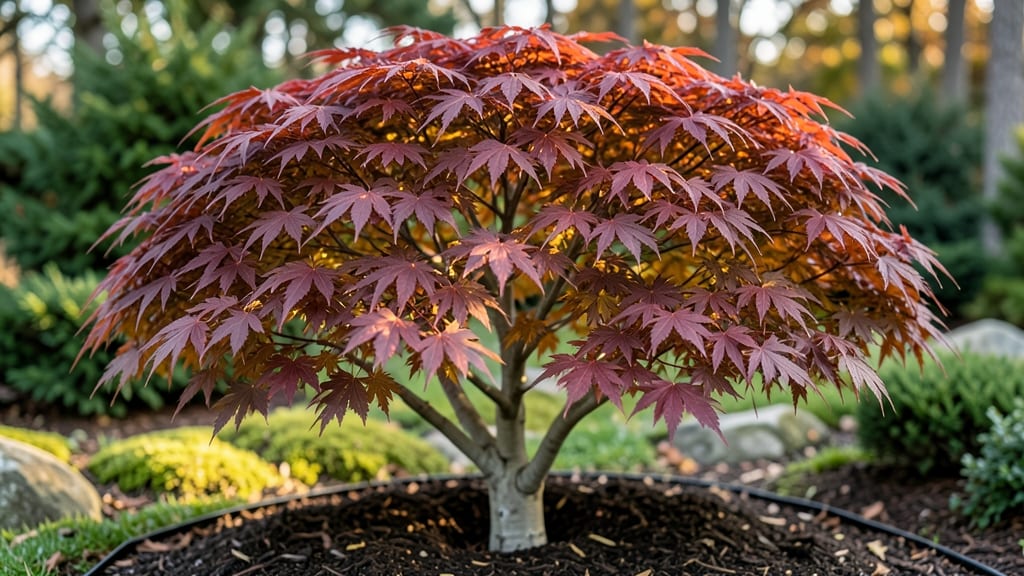
Red leaf fall trees turn your yard into a fiery masterpiece every autumn. 🌿 I remember the first time I saw a sugar maple blaze crimson—it stopped me in my tracks. These trees aren’t just plants; they’re seasonal centerpieces that transform ordinary landscapes into postcard-worthy scenes.
The best red leaf varieties—like sumac, red oak, or Japanese maple—don’t just survive fall; they thrive. Their vibrant hues last for weeks, outshining anything you’d buy in a bouquet.
Plant them where they’ll catch sunlight and frame your home or garden paths, creating a natural border that’s impossible to ignore. You’ll love how they pair with evergreens for contrast or shrubs like smoke bush for layered color.
The key is spacing them so their canopies fill out beautifully over time. A single specimen tree makes a statement, while clusters create a dramatic woodland effect. Perfect for small yards or large landscapes, these trees bring drama without the upkeep.
Just give them room to grow, and let nature do the rest—your neighbors will be asking for your secret by Thanksgiving.
📚 In This Guide
- What you need
- Instructions
- Tips and common mistakes
- Wrapping up and next steps
What you need
- ● Red leaf fall trees: 3–5 mature trees (e.g., Japanese Maple, Red Oak, or Sugar Maple) with vibrant autumn foliage. Choose sizes based on your space (small: 6–10 ft; medium: 15–25 ft; large: 30+ ft).
- ● Quality soil: 2–3 cubic yards of well-draining, nutrient-rich soil (amend with compost for optimal growth).
- ● Mulch: 1–2 bags of organic mulch (cedar or pine) to retain moisture and regulate temperature.
- ● Fertilizer: Slow-release, balanced fertilizer (10-10-10 or 20-20-20) for seasonal boosts.
- ● Shovel & spade: 1 heavy-duty shovel and 1 round-point spade for digging.
- ● Wheelbarrow: 1 large wheelbarrow (3–4 cubic feet) for soil transport.
- ● Pruning shears: Bypass pruners (for clean cuts) and loppers (for thicker branches).
- ○ Watering hose/nozzle: Adjustable nozzle for deep watering (soaker hose optional).
- ● Gloves & knee pads: Heavy-duty gardening gloves and knee pads for comfort.
- ● Tree stakes & ties: 4–6 stakes (2–3 ft tall) and soft fabric ties for young trees.
- ● Tree guards: Plastic or metal guards to protect trunks from pests.
- ● Autumn-themed decor: String lights, hay bales, or pumpkins for ambiance.
- ● Camera/tripod: For capturing the perfect red leaf fall photos! 📸
How to select and plant stunning red leaf fall trees
Here's how to pick and place these autumn stars for maximum seasonal impact.
🌿 Step 1: Choose the Right Varieties for Your Space
Start with trees that match your yard's size and sunlight. For bold reds, sugar maples and red maples are classic choices—both reach 30-50 feet at maturity. Smaller spaces? Try dwarf Japanese maples (like 'Bloodgood' or 'Emperor I') which stay under 10 feet while delivering fiery foliage. Check your area's hardiness zone to ensure the tree will thrive year-round.
I always plant at least one specimen tree as a focal point, surrounded by 3-4 supporting varieties for layered color. For example, pair a red oak with a sweetgum and serviceberry—each brings different shades of red and orange to extend your fall display. Visit a local nursery to see how leaves look in person; online photos often exaggerate color intensity.
☀️ Step 2: Plant in Full Sun for Best Color Development
Red leaf trees need at least 6 hours of direct sunlight daily to develop their signature colors. Without enough light, leaves turn dull yellow or brown instead of vibrant red. I test sunlight spots by observing how quickly grass dries after rain—if it's dry by mid-morning, that's prime planting real estate.
Dig a hole twice as wide as the tree's root ball but no deeper. The top of the root ball should sit 1-2 inches above ground level—this prevents water from pooling around the trunk. Amend the native soil with 2-3 inches of compost mixed into the bottom of the hole to give roots a nutrient boost right away.
🪴 Step 3: Position for Seasonal Viewing Impact
Plant your star tree where it will be visible from indoor windows during fall evenings. I always stake young trees (especially those under 15 feet) to prevent wind rock, which can damage roots. Use two wooden stakes positioned 6-8 inches from the trunk and tie with soft tree ties—check them monthly to ensure they're not cutting into the bark as the tree grows.
For layered color, place smaller trees 10-15 feet in front of taller specimens. This creates depth and lets you enjoy the foliage show from multiple angles. Mulch with 3 inches of shredded bark (keep it 6 inches away from the trunk) to retain moisture and suppress weeds—just avoid piling mulch against the base where it can trap moisture and rot roots.
💧 Step 4: Water Deeply During Establishment
Newly planted trees need 15-20 gallons of water weekly during their first growing season. Water deeply once a week (or more often in extreme heat) until the soil is 12-18 inches deep—this encourages deep root growth. I test moisture by sticking a screwdriver into the soil; if it goes in easily, you've watered enough. Reduce watering in late fall as temperatures drop.
Here's the thing—overwatering is just as bad as underwatering. If the ground stays soggy for more than 48 hours, the roots suffocate. I always water in the early morning so leaves have time to dry, which prevents fungal diseases like powdery mildew that can dull fall colors.
✂️ Step 5: Prune Strategically for Healthy Growth
Prune in late winter or early spring before new growth begins. Remove dead, diseased, or crossing branches first—these compete with healthy foliage for nutrients. For shape, I cut back no more than 25% of the tree's canopy in any one year. This keeps the tree strong enough to produce vibrant fall colors.
Never prune in fall, as fresh cuts won't heal before winter and invite pests. If you must clean up after autumn, wait until after leaf drop and only remove branches that are completely dead. The tree's energy should focus on root development, not recovering from late-season pruning wounds.
Tips & tricks for perfect red leaf fall trees
Took me years to learn these tricks—here's how to ensure your autumn foliage display steals the show every season.
Variety Pairing Secret: The key to a showstopping fall display lies in strategic variety pairing. In Step 1, when selecting your specimen tree, choose varieties with staggered peak color times. For example, plant a sugar maple (which peaks in mid-October) alongside a red oak (which peaks in late October). This creates a cascading color effect that extends your viewing window. I've seen yards with only one variety turn from stunning to dull in just two weeks—don't make that mistake!
Sunlight Spot Test: That 6 hours of direct sunlight in Step 2 is non-negotiable for vibrant red foliage, but how do you really know if a spot gets enough? Here's my foolproof test: After a rainstorm, check which areas dry by mid-morning. The grass in these spots will be crispy to the touch—these are your prime locations. I've planted trees in spots that seemed sunny but only got 4 hours of direct light, and the results were disappointing dull yellows instead of fiery reds.
Staking System: When you're positioning trees under 15 feet in Step 3, don't just slap on stakes and walk away. Use the "two-stake method" with wooden stakes positioned 6-8 inches from the trunk at a 45-degree angle. This creates a stable triangle that prevents wind rock. I learned this the hard way when a young Bloodgood Japanese maple toppled after a summer storm—replace those stakes every 6 months as the trunk grows thicker to maintain proper support.
Watering Schedule: The 15-20 gallons weekly in Step 4 is your baseline, but timing matters just as much. Water deeply in the early morning when temperatures are coolest—this gives roots maximum time to absorb moisture before evening evaporation. I've noticed trees watered in the evening often develop fungal issues because the leaves stay damp overnight. For the first two weeks after planting, I water every other day until I see new growth emerging from the root ball.
Pro Tips for Red Leaf Fall Trees
- Took me years to learn these tricks—here's how to ensure your autumn foliage display steals the show every season.
- Variety Pairing Secret: The key to a showstopping fall display lies in strategic variety pairing.
- Sunlight Spot Test: That 6 hours of direct sunlight in Step 2 is non-negotiable for vibrant red foliage, but how do you really know if a spot gets enough?
Frequently asked questions
Why do some trees turn red instead of orange or yellow?
Red leaves are all about anthocyanins, pigments produced when sugars get trapped in leaves as daylight fades. Trees like maples and red oaks shine brightest when days are sunny but cool—perfect for crisp autumn mornings. Shade or damp weather can mute the color, though!
When is the best time to plant red leaf trees for peak fall color?
Spring or early fall (before the first frost) are ideal. Give young trees 1–2 years to establish roots so they’re ready to burst with color in their 3rd or 4th autumn. Pro tip: Plant in well-draining soil—waterlogged roots = fewer fiery leaves!
What are the top 5 red leaf trees for small yards?
| Tree | Height (Mature) | Bonus Traits |
|---|---|---|
| Japanese Maple | 10–25 ft | Disease-resistant, delicate lace-like leaves |
| Red Sunset Maple | 20–30 ft | Vibrant red foliage all season—even in summer! |
| Dwarf Red Oak | 15–20 ft | Tough, drought-tolerant, acorns for wildlife |
| Sumac (Staghorn) | 6–12 ft | Low-maintenance, berries for birds, no messy fruit |
| Crimson King Maple | 20–25 ft | Upright shape, deep burgundy leaves |
Need shade? Opt for red leaf lindens or serviceberries—they’re compact and reliable!
My red leaves are falling early—what’s wrong?
Early leaf drop usually means stress from:
- Underwatering (or overwatering—roots need oxygen!)
- Temperature shock (sudden cold snaps or heatwaves)
- Pests (check for spider mites or scale insects)
- Poor soil (test pH—most red leaf trees love slightly acidic soil, 6.0–6.5)
Give your tree a deep watering and mulch around the base to protect roots. If pests are to blame, neem oil or insecticidal soap can help!
Can I extend the red leaf season with care?
Prune in late winter to improve airflow, and fertilize in early spring with a balanced, slow-release formula (10-10-10 works). Mulch heavily (3–4 inches) to regulate soil temp, and avoid heavy pruning in summer—it stresses trees and can dull fall colors. Bonus: A light layer of compost in spring boosts nutrients!
Wrapping up and next steps
Red leaf fall trees aren’t just stunning—they’re nature’s way of turning your yard into a vibrant masterpiece each autumn. 🍂 From fiery maples to deep oaks, these trees offer drama, texture, and seasonal charm that’s hard to beat.
Whether you’re a gardener, homeowner, or simply a lover of fall’s beauty, planting (or admiring!) these trees is a rewarding choice.
Ready to embrace the season? Start small: research a tree that matches your climate and space, then take the first step—whether it’s a seedling for your garden or a visit to a local arboretum to soak in the colors. Every great autumn begins with a single leaf!