
Shrubs
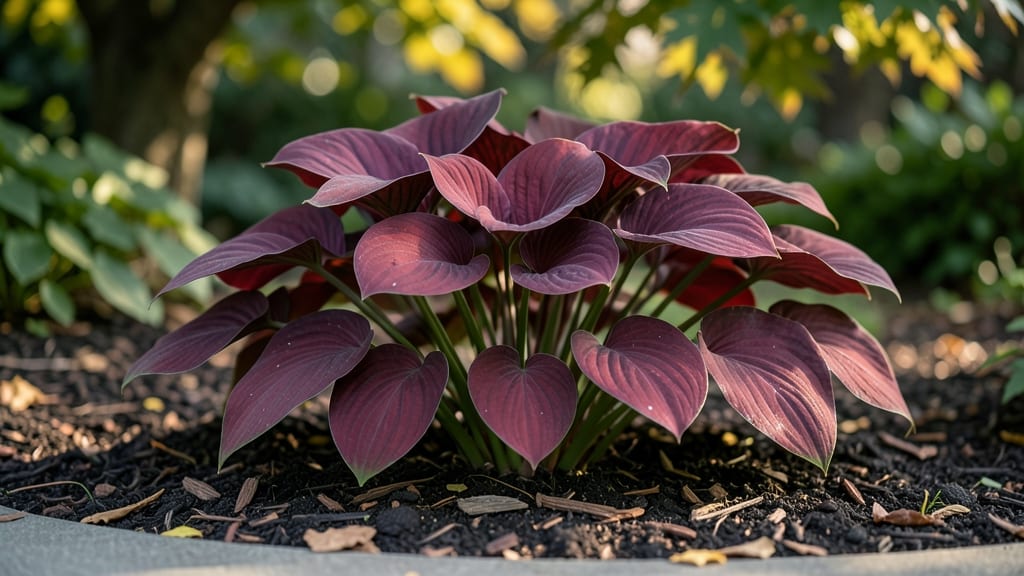
Growing Red Leaf Hosta transforms shady corners into vibrant focal points. 🌿 The deep burgundy centers and chartreuse edges create striking contrast that brightens any garden border—even in full shade where other plants struggle. This shade-lover thrives with partial to full shade, rich soil, and consistent moisture.
Unlike fussy perennials, hostas reward patience with bold foliage that stays lush from spring until frost. The key? Well-draining soil and protection from harsh winter winds. You’ll spend less time fussing over blooms and more admiring the glossy, textured leaves that make Red Leaf Hosta a garden standout.
Just avoid overwatering and slugs—two common pitfalls that can dull their dramatic colors. Perfect for under trees, along foundations, or as a container specimen. Let’s get those roots settled in the right spot for maximum impact!
📚 In This Guide
- What you need
- Instructions
- Tips and common mistakes
- Wrapping up and next steps
What you need
- ● Red leaf hosta plants: 3–5 mature plants (1–2 gallons each) or 10–15 smaller divisions (6-inch pots) for full coverage.
- ● Well-draining potting mix: 10–15 lbs (for containers) or enrich garden soil with 5 lbs of compost per plant.
- ● Organic mulch: 2–3 inches of shredded bark or wood chips (spread over a 3-foot radius per plant).
- ● Slow-release fertilizer: 1 lb of balanced 10-10-10 or organic options like worm castings.
- ● Garden gloves & trowel: For planting and soil prep.
- ● Watering can or hose with a gentle spray nozzle: Hostas need consistent moisture.
- ● Soil pH tester: Ideal pH for hostas: 6.5–7.5 (slightly acidic to neutral).
- ● Pruners (sterilized): For trimming dead leaves in early spring.
- ● Garden stakes or rings: To support large foliage in windy areas.
- ● Deer repellent (if needed): Hostas are deer-resistant but may need protection in high-traffic areas.
- ● Decorative stones or edging: To define borders and enhance aesthetics.
Step-by-Step instructions for planting and cultivating red leaf hostas
Here's how to establish these bold, shade-loving perennials with minimal fuss and maximum impact.
🌱 Step 1: Select and Prepare the Planting Site
Red leaf hostas thrive in partial to full shade with 4-6 hours of morning sun at most. Test your spot by observing how much direct sunlight it receives throughout the day—hostas will scorch in hot afternoon rays. Choose a location with rich, moist, well-draining soil that stays consistently damp but never waterlogged.
If your soil is heavy clay, amend it with 2-3 inches of compost mixed into the top 12 inches of soil. Hostas are heavy feeders, so incorporate a slow-release granular fertilizer (10-10-10 ratio) into the planting hole. This ensures they get the nutrients they need without burning their sensitive foliage. I like to work the fertilizer into the soil about 6 inches deep where the roots will spread.
🪴 Step 2: Plant at the Correct Depth and Spacing
Dig a hole twice as wide as the hosta's root ball but only as deep as the top of the root crown—this is the point where the roots meet the stem. Planting too deep suffocates the crown, while planting too shallow leaves it vulnerable to temperature swings. Gently loosen the roots if they're circling tightly in the container, but avoid breaking them.
Space your hostas 2-3 feet apart for mature size—this prevents overcrowding and allows their striking foliage to create the dramatic borders they're known for. After placing the plant in the hole, backfill with native soil mixed with a handful of compost. Press down lightly to eliminate air pockets but don't compact the soil. Water deeply to settle everything in place.
☀️ Step 3: Provide Consistent Moisture and Mulch Protection
Water your newly planted hostas deeply every 2-3 days until they're established, which takes about 4-6 weeks. You'll know they're getting enough moisture when the soil feels damp 2 inches below the surface. Hostas are drought-tolerant once established, but young plants need consistent moisture to develop strong roots.
Apply a 3-inch layer of organic mulch (like shredded bark or wood chips) around each plant, keeping it 2 inches away from the crown to prevent rot. Mulch conserves moisture, regulates soil temperature, and suppresses weeds—all critical for maintaining the vibrant red hues of the foliage. Replenish mulch annually in early spring to keep the soil protected.
✂️ Step 4: Maintain Through the Growing Season
Fertilize hostas twice a year—once in early spring when new growth appears and again in mid-summer after flowering. Use a balanced 10-10-10 fertilizer applied at half strength to avoid overfeeding. You'll see the difference in leaf color intensity and overall plant vigor. Red leaf hostas are particularly sensitive to nitrogen excess, which can dull their striking hues.
Divide mature hostas every 3-4 years in early spring or fall to maintain their vigor. Simply dig up the clump, separate the smaller sections with a sharp spade, and replant immediately. This prevents overcrowding and ensures each plant has enough energy to produce those bold, variegated leaves. Always water thoroughly after dividing to help the roots re-establish.
🌿 Step 5: Prepare for Winter and Encourage Year-Round Growth
Hostas are hardy perennials, but their foliage may yellow and die back in cold climates. Cut back dead leaves in late winter (just before new growth appears) to keep the garden tidy. This also prevents fungal diseases from overwintering in old foliage. In colder regions, apply an extra 2-inch layer of mulch in late fall to protect the crowns from freezing.
For maximum impact, pair red leaf hostas with complementary plants like heuchera, ferns, or astilbe to create a layered, textured border. Their deep red foliage provides a stunning contrast to silver or chartreuse leaves, while their height (12-24 inches) makes them ideal for mid-level planting. With proper care, your hostas will reward you with years of lush, vibrant growth and minimal maintenance.
Tips & tricks for perfect red leaf hosta cultivation
These insider secrets will help you coax the boldest foliage and longest lifespan from your shade garden stars.
Soil Science Matters: The 4-6 hours of morning sun mentioned in Step 1 is non-negotiable for vibrant red hues, but soil moisture is equally critical. Test your soil's moisture retention by squeezing a handful—it should hold together but not be soggy. If your soil drains too quickly, mix in a 50/50 blend of compost and peat moss to retain that consistent dampness without waterlogging. I've seen hostas wilt dramatically when planted in fast-draining soil, even with perfect sunlight.
The Planting Depth Secret: When planting in Step 2, use your finger to locate the root crown—the point where roots meet stems. This should sit exactly at soil level, not buried or exposed. I've made the mistake of planting too shallow and watched crowns dry out in hot afternoons. For extra insurance, create a small berm around each plant's base to catch irrigation water during those critical first 4-6 weeks of establishment.
Mulch Like a Pro: The 3-inch mulch layer in Step 3 is your foliage's best friend, but placement matters. Keep mulch 2 inches away from the crown to prevent rot, and use a mix of shredded bark and pine needles for both moisture retention and natural pest deterrence. I've noticed my hostas maintain their deepest red tones when mulched with pine straw—it creates a slightly acidic microclimate they adore.
Fertilizer Timing Tweak: While the instructions call for twice-yearly fertilization, I've found red leaf hostas respond best to a third light application in early fall. Use a 10-10-10 fertilizer at half strength, sprinkling it around the drip line (where water naturally reaches) rather than directly on the crown. This fall boost gives plants the energy they need to develop next year's foliage while avoiding winter burn.
Pro Tips for Red Leaf Hosta
- These insider secrets will help you coax the boldest foliage and longest lifespan from your shade garden stars.
- Soil Science Matters: The 4-6 hours of morning sun mentioned in Step 1 is non-negotiable for vibrant red hues, but soil moisture is equally critical.
- The Planting Depth Secret: When planting in Step 2, use your finger to locate the root crown—the point where roots meet stems.
Frequently asked questions
Got questions about growing red leaf hosta? You’re not alone!
Here are answers to the most common queries—from care tips to troubleshooting—so you can keep your shade garden thriving with this stunning perennial.
When is the best time to plant red leaf hosta?
Plant red leaf hosta in early spring or early fall when soil temperatures are cool (50–70°F). Avoid extreme heat or frost—roots need time to establish before summer stress or winter dormancy. Pro tip: Water deeply after planting to reduce transplant shock and encourage root growth.
Why are my red leaf hosta leaves turning yellow or brown?
Yellowing leaves often signal overwatering or poor drainage, while brown edges may mean underwatering, sunburn, or slug damage. Check soil moisture (keep it consistently moist but not soggy) and ensure partial shade (3–4 hours of morning sun max). Pro tip: Use organic slug bait or copper barriers if pests are the culprit.
Can I grow red leaf hosta in full shade?
Yes! Red leaf hosta thrives in full to partial shade (dappled light is ideal). Full shade (no direct sun) may reduce variegation intensity, but the plant will still grow—just expect slightly slower color vibrancy. Pro tip: Pair it with ferns or astilbes for a lush, low-light garden combo.
How do I divide red leaf hosta to propagate it?
Divide hostas in early spring or fall when the plant is dormant. Dig up the clump, separate into 3–5 inch sections (each with roots and shoots), and replant immediately. Water thoroughly and mulch to retain moisture. Pro tip: Wait 3–4 years before dividing—young plants need time to establish a strong root system.
Are there alternatives to red leaf hosta for shade gardens?
If you love the look but want variety, try ‘Francee’ hosta (blue-green with gold edges), heuchera (coral bells), or foamflower (Tiarella). For bold color, Japanese painted fern (Athyrium) or Helleborus (Lenten rose) are excellent companions. Pro tip: Mix textures—hostas pair beautifully with spiky carex sedges or fuzzy lamium.
Wrapping up and next steps
Red leaf hostas are the ultimate shade-loving superstars, bringing bold color and texture to even the darkest corners of your garden. With the right care—moisture, mulch, and a little patience—they’ll thrive and reward you with stunning foliage year after year.
Ready to transform your garden? Start by selecting the perfect spot, then dive into planting and maintenance with confidence. Your dream shade garden is just a few steps away! 🌿✨