
Shrubs
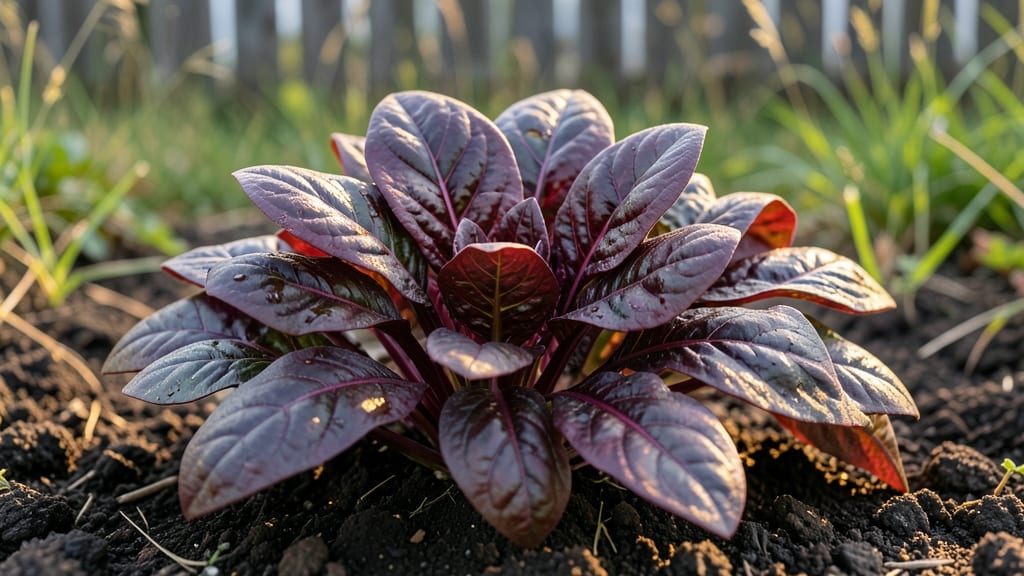
Growing red leaf spinach means fresh, tender greens even when snow blankets the ground. 🌱 This cold-hardy perennial thrives where other spinach bolts in heat, giving you harvests from early spring through late fall—and sometimes winter too if you're lucky.
The secret to success starts with soil: rich, well-draining loam with plenty of compost. Plant seeds directly in the garden (they dislike transplant shock) about ¼ inch deep, spacing them 4 inches apart in rows 12 inches apart.
Red leaf spinach loves cool weather but needs consistent moisture—think of it like a thirsty plant that hates soggy feet. By mid-season, you'll be harvesting leaves whenever you need them, with the plants bouncing back stronger each time.
The deep red veins turn even more vibrant in cold snaps, and the flavor stays sweet and mild—perfect for salads, sautéing, or blending into smoothies. Works beautifully in raised beds, containers, or directly in garden soil. Here's how to keep your plants productive all season long.
📚 In This Guide
- What you need
- Instructions
- Tips and common mistakes
- Wrapping up and next steps
What you need
- ● Red Leaf Spinach Seeds: 1–2 oz (about 200–400 seeds) per 100 sq ft. Choose organic, non-GMO seeds for best results.
- ● Well-Draining Soil: 1–2 cubic yards of high-quality potting mix or garden soil (amended with compost for nutrients). Aim for a pH of 6.0–7.5.
- ● Fertilizer: Balanced Organic Fertilizer (e.g., 5-5-5 or 10-10-10) – 1 lb per 100 sq ft.
- ○ Slow-Release Granules (optional but recommended for perennials).
- ● Watering Supplies: Watering can or hose with a gentle spray nozzle (to avoid displacing seedlings).
- ○ Drip irrigation kit (optional for large gardens).
- ● Garden Gloves (to protect hands from soil and thorns if growing near brambles).
- ● Hand Trowel or Transplant Spade (for digging small holes or moving seedlings).
- ● Pruners or Sharp Scissors (for harvesting leaves and trimming stems).
- ○ Row Cover or Frost Blanket (optional, for cold climates or early planting).
- ● Straw or Mulch (to retain moisture and suppress weeds—1–2 inches is ideal).
- ● Sunlight: Partial shade to full sun (morning sun + afternoon shade works best in hot climates).
- ● Climate: Cold-hardy (USDA Zones 3–9); thrives in cool weather (40–75°F).
- ● Space: Direct Sowing: 4–6 inches apart in rows 12–18 inches apart.
- ● Container Growing: At least 12-inch-deep pots (2–3 plants per container).
- ● Patience: Perennial spinach may take 2–3 years to reach full productivity!
Step-by-step instructions for growing red leaf spinach
Here's how to grow this cold-hardy green reliably, whether you're planting in spring or fall.
🌱 Step 1: Choose the Right Planting Window
Red leaf spinach thrives in cool weather and can tolerate light frosts, making it perfect for early spring or late summer plantings. Aim to sow seeds 4-6 weeks before your last frost date in spring, or 60-80 days before your first hard frost in fall. This timing ensures you harvest before summer heat stresses the plants.
If you live in a mild climate, you can even plant in early winter for a spring harvest. The key is to avoid planting when daytime temperatures exceed 75°F—spinach bolts (goes to seed) quickly in heat. Watch your local weather forecast and plant when nighttime lows stay above 30°F to prevent frost damage.
🪴 Step 2: Prepare the Soil and Sow Seeds
Spinach prefers well-draining soil rich in organic matter. Work 2-3 inches of compost into the top 6 inches of soil to improve fertility and moisture retention. The ideal soil pH for red leaf spinach is 6.5-7.0, so test your soil if you're unsure.
Sow seeds ½ inch deep in rows spaced 12-18 inches apart. I like to plant in blocks rather than rows for easier harvesting. After sowing, gently cover the seeds with soil and water lightly to settle them. Keep the soil consistently moist but not soggy—spinach seeds need steady moisture to germinate.
💧 Step 3: Maintain Moisture and Thin Seedlings
Spinach seeds typically germinate in 7-14 days, depending on soil temperature. Once seedlings emerge, thin them to stand 3-4 inches apart to give each plant room to grow. Use scissors to snip unwanted seedlings at soil level—this prevents disturbing the roots of nearby plants.
Water the plants 1 inch per week, more if your area experiences high temperatures or wind. Water deeply in the morning to reduce evaporation and fungal risks. Mulch around the plants with 1-2 inches of straw or grass clippings to retain moisture and suppress weeds. You'll know your spinach is happy when the leaves stay crisp and vibrant, not wilted or yellowing.
☀️ Step 4: Provide Partial Shade in Hot Weather
Red leaf spinach grows best in partial shade, especially during hot afternoons. If planting in late spring or early summer, provide afternoon shade using shade cloth or by planting near taller crops that offer natural shade. The goal is to keep leaf temperatures below 80°F to prevent bolting.
In cooler months, full sun is fine, but watch for signs of stress like yellowing leaves or stunted growth. If you notice the leaves curling or turning bitter, move the plants to a shadier spot immediately. A simple way to test is to touch the leaves—if they feel warm to the touch, they're getting too much sun.
✂️ Step 5: Harvest Regularly for Continuous Growth
You can start harvesting outer leaves when they reach 3-4 inches long, leaving the inner leaves to keep growing. This method encourages a longer harvest season. Use clean scissors or your fingers to pick leaves, cutting just above a leaf node to promote regrowth.
For a full harvest, cut the entire plant 1-2 inches above the soil when the leaves are mature. The plant may regrow for a second harvest, though it won't be as vigorous. Harvest in the morning after dew has dried but before the sun is too hot—this ensures the leaves stay crisp and flavorful. Store harvested leaves in the fridge for up to 5-7 days or freeze them for longer storage.
Tips & tricks for growing perfect red leaf spinach
Growing this cold-hardy green successfully comes down to a few key tricks that make all the difference between a thriving harvest and a disappointing one.
Timing is Everything: The 4-6 week window before your last frost is critical for spring planting—this ensures your spinach matures before summer heat sets in. I've learned the hard way that planting too early can leave your greens struggling when temperatures rise above 75°F. Use a frost date calculator for your region to pinpoint the exact window. For fall plantings, those 60-80 days before your first hard frost give your spinach enough time to establish before winter sets in.
Soil Prep Makes the Difference: The 2-3 inches of compost worked into the top 6 inches of soil isn't just about nutrients—it's about creating the perfect moisture-retaining environment. I always test my soil pH before planting; if it's below 6.5, I add a bit of lime to reach that ideal 6.5-7.0 range. This small step prevents nutrient deficiencies that can make your spinach taste bland or grow slowly.
Thinning Technique Matters: When thinning seedlings to 3-4 inches apart, I use clean scissors to snip at soil level rather than pulling. This prevents disturbing the roots of nearby plants and gives you a second harvest from the thinned seedlings. The key is patience—rush this step, and you'll end up with unevenly spaced plants that compete for resources.
Shade Strategy for Hot Days: That 80°F leaf temperature threshold is your guide for when to provide afternoon shade. I've found that even a simple shade cloth or planting near taller crops can make all the difference. The trick is to monitor leaf temperature by touch—if they feel warm, it's time to move them to shade. This simple check prevents bolting and keeps your spinach producing sweet, tender leaves.
Pro Tips for Red Leaf Spinach
- Growing this cold-hardy green successfully comes down to a few key tricks that make all the difference between a thriving harvest and a disappointing one.
- Timing is Everything: The 4-6 week window before your last frost is critical for spring planting—this ensures your spinach matures before summer heat sets in.
- Soil Prep Makes the Difference: The 2-3 inches of compost worked into the top 6 inches of soil isn't just about nutrients—it's about creating the perfect moisture-retaining environment.
Frequently asked questions
Got questions about growing red leaf spinach? You’re not alone!
Whether you're a first-time gardener or a seasoned green thumb, these answers will help you cultivate this vibrant, cold-hardy perennial with confidence.
Can red leaf spinach survive freezing temperatures?
Red leaf spinach is one of the most cold-hardy greens, thriving in temperatures as low as 15°F (-9°C). In fact, a light frost can even enhance its sweetness. Just protect it from heavy snow or prolonged sub-zero spells with a thick mulch or row cover.
How long does it take for red leaf spinach to grow after planting?
You’ll see baby leaves in about 3–4 weeks from seed, but don’t rush—harvesting too early can stunt growth. For transplants, expect edible leaves in 4–6 weeks. Patience pays off with tender, flavorful greens!
What’s the best way to harvest red leaf spinach without killing the plant?
Use sharp scissors or clean pruners to snip outer leaves just above a node (where new leaves grow). Avoid cutting more than ⅓ of the plant at once, and leave the center intact. This encourages regrowth for a continuous harvest!
Can I grow red leaf spinach in containers?
Yes! Choose a container at least 12 inches deep with drainage holes. Use a well-draining potting mix and place it in full sun to partial shade. Containers warm up faster, so monitor soil moisture closely—spinach hates drying out.
Why are my red leaf spinach leaves turning yellow or wilted?
Yellowing leaves often signal overwatering or nutrient deficiency (like nitrogen). Wilting can mean underwatering or heat stress. Check soil moisture—it should stay consistently damp but not soggy. Amend soil with compost if leaves look pale.
Is red leaf spinach perennial, or do I need to replant every year?
Yes, it’s a hardy perennial in USDA zones 3–9! With proper care, it’ll regrow year after year, even in winter. Just trim back dead foliage in early spring to encourage fresh growth. No replanting needed—just enjoy!
Wrapping up and next steps
Growing red leaf spinach is a rewarding journey that brings vibrant greens to your table—even in chilly months! 🌱 This cold-hardy perennial is perfect for gardeners who love low-maintenance, nutrient-packed crops. Whether you're a beginner or a seasoned pro, its resilience and versatility make it a must-have in any garden.
Ready to dive in? Start by selecting the right variety, prepping your soil, and planting with confidence. Next, try experimenting with companion plants or extending your harvest by protecting young leaves from frost. Happy growing—your future salads will thank you! 🥗✨