
Lawn
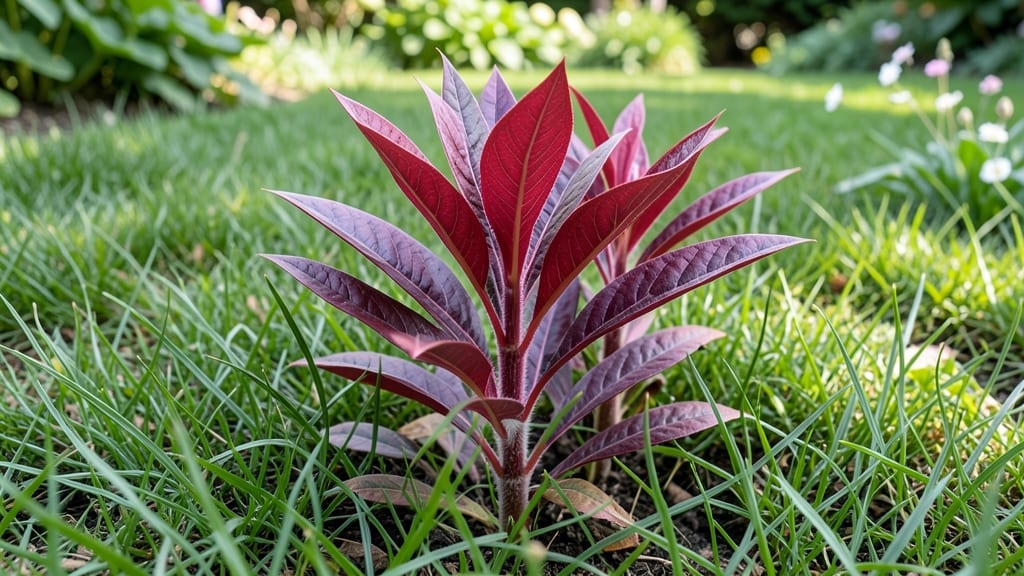
That rusty red leaf weed creeping across your grass isn't just unsightly—it's a fungal warning sign. 🌱 I've battled this exact problem after a wet spring left my lawn looking like a patchwork of sickly red leaves, and I'm sharing the precise copper spray method that finally stopped it in its tracks.
The issue starts with excess moisture, whether from rain, sprinklers, or poor drainage, creating the perfect breeding ground for fungal spores. Most people reach for chemical fungicides, but I found that a homemade copper fungicide—made from just copper sulfate and water—works just as well without the harsh chemicals.
The key is applying it at the right time: early morning or late evening when the grass is dry.
Within two weeks of consistent treatment, the red leaves start fading, and new green growth fills in. The copper spray doesn't just mask the problem—it strengthens the grass's natural defenses, so the fungus has nowhere to take hold.
Plus, it's safe for kids and pets once fully absorbed into the soil.
This method works year-round, but spring and fall are the critical seasons when fungal spots flare up. For best results, combine the spray with proper lawn care: mow high, water deeply but infrequently, and aerate compacted soil. Let's get that lawn looking healthy again.
Underlying Causes Of Red Leaf Weed
Red leaf weed—often mistaken for a fungal spot or disease—isn’t a weed at all. Instead, it’s a symptom of an underlying issue in your lawn, typically caused by environmental stress, poor soil health, or microbial imbalances.
Understanding these root causes is the first step to eradicating it for good. Below, we break down the most common reasons your grass develops these unsightly red or brown patches.
Grass thrives within a specific temperature range, and sudden shifts—whether from scorching summer heat or a hard frost—can shock the plant’s cellular structure. When temperatures swing above 90°F (32°C) or below 32°F (0°C), chlorophyll production slows, leading to reddened or discolored leaves.
This stress makes grass more susceptible to Microdochium nivale (pink snow mold) or Rhizoctonia solani (brown patch disease), which mimic red leaf weed symptoms.
Why it happens:
- Heat stress: High temperatures cause oxidative stress in grass cells, breaking down chlorophyll and triggering anthocyanin (red pigment) production as a protective response.
- Cold damage: Frozen soil restricts nutrient uptake, while ice crystals rupture cell membranes, leading to necrosis (dead tissue) that appears as red or brown patches.
- Dormancy confusion: Some grasses (like Kentucky bluegrass) turn reddish in winter as they enter dormancy, but if temperatures fluctuate, they may partially wake up—only to be shocked back into stress mode.
Pro tip: 🌡️ Monitor your lawn’s microclimate—shady spots stay cooler longer, while sunny areas heat up faster. Adjust watering schedules to avoid late-day irrigation, which can prolong evening moisture and invite fungal growth.
While thirsty grass needs water, excessive moisture is a breeding ground for fungal pathogens that cause red leaf symptoms.
Poor drainage, compacted soil, or overzealous watering create the perfect environment for Laetisaria fuciformis (red thread disease) or Pyricularia grisea (gray leaf spot), both of which turn grass blades red or brown.
Why it happens:
- Fungal growth: Fungi thrive in wet conditions (soil moisture > 50% for prolonged periods). They release enzymes that digest grass cell walls, leading to reddened, thread-like lesions.
- Root suffocation: Waterlogged soil cuts off oxygen to roots, triggering anoxia (oxygen deprivation). Grass responds by shedding chlorophyll and producing stress pigments like anthocyanin.
- Nutrient leaching: Overwatering washes away nitrogen and potassium—key nutrients for green, healthy grass—leaving behind patches that turn red or straw-colored.
Pro tip: ✨ Test your soil’s drainage by digging a 6-inch hole and filling it with water. If it drains within 4 hours, your lawn is fine. If not, amend with sand or compost to improve aeration. Water deeply 2-3 times per week (early morning) instead of daily light sprinkles.
Red leaf weed often signals a lack of essential nutrients, particularly nitrogen (N), iron (Fe), or potassium (K). While yellowing typically indicates nitrogen deficiency, reddish or purplish hues often point to phosphorus (P) or potassium shortages—or even too much of one nutrient throwing off the balance.
Why it happens:
| Nutrient Deficiency | Symptom | Scientific Explanation |
|---|---|---|
| Potassium (K) | Red or purple edges on leaves, weak stems | Potassium regulates osmotic balance and enzyme activity. Without it, cells can’t maintain turgor pressure, leading to stress pigments and weakened cell walls. |
| Phosphorus (P) | Dark red or purple discoloration, stunted growth | Phosphorus is critical for ATP production (energy) and DNA/RNA synthesis. Deficiency slows metabolism, causing grass to produce anthocyanins as a protective measure. |
| Iron (Fe) | Red or orange between leaf veins (interveinal chlorosis) | Iron is central to chlorophyll synthesis. Even in alkaline soil (pH > 7.0), iron becomes unavailable, forcing grass to produce alternative pigments. |
| Magnesium (Mg) | Yellowing between veins, red/purple tint in severe cases | Magnesium is the center of chlorophyll molecules. Deficiency disrupts photosynthesis, leading to secondary pigment production. |
Pro tip: 📊 Conduct a soil test (DIY kits or lab analysis) to identify deficiencies. For quick fixes, use iron chelates (for chlorosis) or potassium sulfate (for red edges). Avoid over-fertilizing—too much nitrogen can also stress grass, leading to reddening.
While red leaf weed isn’t a weed, fungal and bacterial pathogens often masquerade as it. Diseases like red thread, brown patch, or dollar spot thrive in moist, warm conditions and leave behind red, brown, or thread-like lesions. Unlike nutrient deficiencies, these issues spread rapidly and require targeted treatment.
Why it happens:
- Pathogen invasion: Fungi like Laetisaria fuciformis (red thread) produce toxins that disrupt grass cell membranes, causing reddening and necrosis. Bacterial spot (Xanthomonas) creates water-soaked lesions that turn red-brown.
- Thatch buildup: A thatch layer > 0.5 inches traps moisture and debris, creating a fungal hotspot. Thatch blocks water and nutrients from reaching roots, weakening grass and inviting pathogens.
- Weakened grass: Stressed grass (from drought, poor soil, or mowing too short) has lowered defenses, making it easier for pathogens to take hold.
Pro tip: 🔥 If you suspect a fungal infection, remove affected patches and dispose of them (don’t compost!). Apply a copper fungicide (like copper sulfate) to disrupt pathogen cell walls. For bacterial issues, use a copper-based bactericide (e.g., copper hydroxide). Prevent recurrence by improving airflow with proper mowing height (3-4 inches) and reducing thatch through dethatching or overseeding.
Eradicating Red Leaf Weed Naturally
Red leaf weed—often mistaken for a fungal spot like red thread or leaf spot—can turn your lush green lawn into a patchwork of rusty brown. But don’t panic! With the right approach, you can restore your grass without harsh chemicals.
Below, we break down targeted solutions based on the root cause, from quick fixes to long-term prevention.
If your lawn is soggy or waterlogged, red leaf weed thrives in damp conditions. Drainage and watering habits are the first line of defense.
- 🔥 Improve Drainage
- Aerate compacted soil with a core aerator (rent one or hire a pro) to let water drain freely.
- Add 1–2 inches of organic compost or sand to heavy clay soils to boost airflow.
- Consider French drains or swales if water pools in low spots.
- 🍳 Adjust Watering Schedule
- Water deeply but infrequently (1–1.5 inches per week, including rain).
- Water early morning (before 10 AM) to reduce fungal growth from evening moisture.
- Avoid overhead sprinklers—use soaker hoses or drip irrigation for roots.
- 👨🍳 Raise Mower Height
- Taller grass (3–4 inches) shades the soil, reducing evaporation and fungal spread.
💡 Pro Tip: If your lawn has clay soil, mix in perlite or coarse sand during aeration to prevent future waterlogging.
Red leaf weed often masks red thread, brown patch, or dollar spot—fungal diseases that need copper-based fungicides for control.
- 🔪 Apply Copper Fungicide (Right Way)
- Use copper sulfate pentahydrate (1–2 tbsp per gallon of water) or a pre-mixed copper fungicide.
- Spray evenly on damp grass (early morning or evening) for best absorption.
- Reapply every 7–14 days until symptoms fade (usually 3–4 treatments).
- ⏰ Best Timing for Treatment
- Spring & Fall (when fungi are most active).
- After rain (fungi spread faster in wet conditions).
✨ Prevention Hack: Apply a preventative copper spray in early spring before fungal spores wake up.
If red leaf weed appears in hot, dry spells, your grass is under stress—making it vulnerable to fungal hitchhikers.
- 💦 Hydrate Deeply
- Water slowly and deeply (30–45 minutes per session) to encourage deep root growth.
- Use a moisture meter to check soil depth (aim for 4–6 inches deep).
- 🌱 Overseed Thin Spots
- Rake out dead patches and sow cool-season grass seed (like Kentucky bluegrass or fescue).
- Keep soil moist but not soggy for 2–3 weeks until new grass establishes.
- 🎯 Fertilize Smartly
- Use a slow-release, low-nitrogen fertilizer (10-0-10 or 5-10-10) to avoid burning stressed grass.
- Avoid high-nitrogen feeds in summer—they promote shallow roots.
💡 Pro Tip: If your lawn is mostly dormant, reduce mowing to let grass conserve energy.
Stop red leaf weed from coming back with these maintenance habits:
| Problem | Solution | When to Do It |
|---|---|---|
| Compacted soil | Aerate + top-dress with compost | Early fall or spring |
| Overwatering | Adjust sprinklers, check drainage | Year-round |
| Fungal spores in thatch | Dethatch (if >0.5" thick) | Late spring/early summer |
| Weak grass variety | Overseed with disease-resistant seed | Fall (best germination) |
| Poor air circulation | Trim trees, rake debris | Spring cleanup |
If red leaf weed spreads aggressively despite your efforts, consider:
- Soil testing (to check pH and nutrient levels).
- Professional fungicide treatments (for severe infections).
- Lawn renovation (if >50% of grass is dead).
Final Thought: Red leaf weed is manageable—but the key is acting fast and fixing the underlying issue. Start with drainage and copper sprays, then strengthen your grass for good. Your lawn will be green and resilient in no time! 🌿💚
Frequently asked questions
Is red leaf weed actually a type of weed?
No, it's not a true weed—it's a symptom of fungal disease or environmental stress in your grass. The "red leaf" appearance comes from fungal infections like red thread disease or nutrient deficiencies, not an actual weed species. Think of it as a warning sign that your lawn needs attention.
How can I tell if my red leaf patches are fungal or just heat stress?
Check for thread-like red strands (red thread disease) or circular patterns (brown patch). Heat stress usually shows as uniform reddening without distinct patterns. Also, fungal issues spread faster and appear in damp conditions, while heat stress occurs in hot, dry weather. Test by watering the affected area—if it stays red, it's likely fungal.
Will copper fungicide harm my pets or children?
When used correctly, copper fungicides are generally safe once absorbed into the soil. However, keep pets and kids off treated lawns for 24-48 hours after application. Always follow label instructions and avoid spraying on windy days to prevent drift. For extra safety, use organic options like neem oil or compost tea as alternatives.
How often should I apply copper fungicide for best results?
Apply every 7-14 days during active growing seasons (spring/fall) until symptoms disappear. For prevention, a single application in early spring before fungal spores activate works well. Always spray in the evening when grass is damp for maximum effectiveness. Stop treatments when new green growth appears consistently.
Can I still mow my lawn while treating red leaf weed?
Yes, but adjust your mowing height to 3-4 inches to protect stressed grass. Avoid mowing right after applying fungicide (wait 24 hours) and never remove more than ⅓ of the grass blade at once. This helps prevent further stress while treatments work. Mow in the morning when dew is present for best results.