
Shrubs
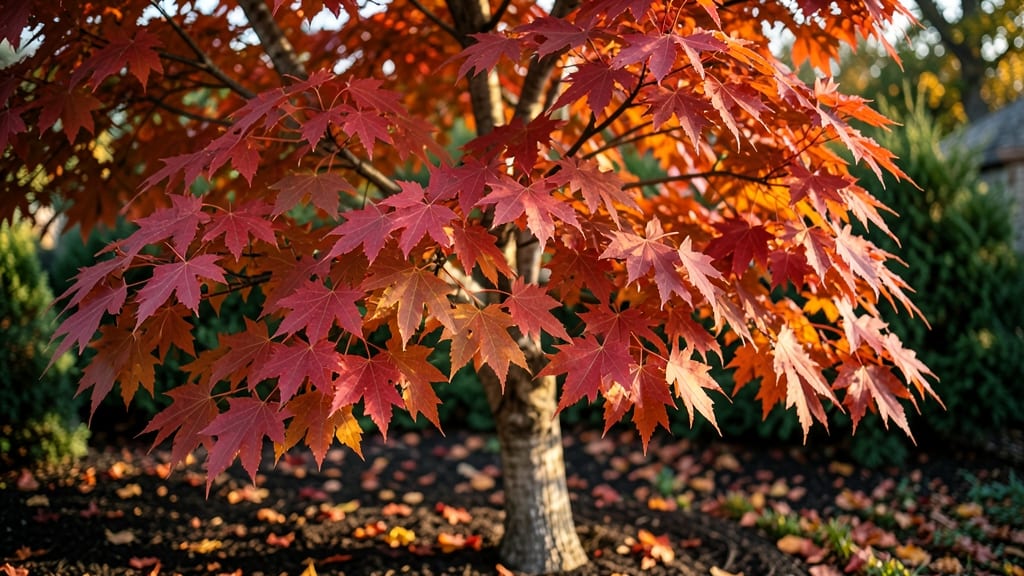
The vibrant red maple leaf color in fall occurs when anthocyanin pigments develop as chlorophyll breaks down, usually reaching peak intensity between late October and November. This transformation depends heavily on climate, location, and the balance of cooler nights with sunny days.
The dramatic shift to red maple leaf color isn't just about timing—it's a biochemical masterpiece. 🌿 As temperatures drop, chlorophyll fades, revealing hidden pigments like carotenoids (yellows) and anthocyanins (reds). Unlike sugar maples that lean orange, red maples produce more anthocyanins, creating that signature fiery hue.
I've noticed the most intense colors happen when days stay above 50°F but nights dip below 40°F—this temperature dance triggers the pigment production. What's fascinating is how elevation plays a role: higher areas often see color changes 1-2 weeks earlier than valley regions.
This process explains why some years deliver spectacular reds while others produce more muted tones. The key variables are temperature fluctuations, soil moisture levels, and even the tree's health.
For gardeners, understanding these factors means you can strategically plant red maples in spots that maximize their fall potential—like south-facing slopes that get afternoon sun but stay cool at night.
💡 In This Article
- Science Behind Red Maple Leaf Color Transformation
- Best Locations and Seasons for Stunning Red Maple Foliage
Science behind red maple leaf color transformation
The biochemical magic behind red maple leaf color begins when chlorophyll—a green pigment essential for photosynthesis—starts breaking down as daylight shortens and temperatures drop. This degradation exposes other pigments that were always present but masked by chlorophyll's dominance.
In red maples, the star player is anthocyanin, a water-soluble pigment produced in response to stress signals like cooler temperatures and bright sunlight. These pigments form in the leaf's vacuoles, creating that intense crimson hue we associate with fall.
What sets red maples apart from their sugar maple cousins is their anthocyanin production capacity. While sugar maples often develop warm oranges from carotenoids, red maples generate significantly more anthocyanins—up to 10 times more in some cases—thanks to genetic differences in their pigment pathways.
The optimal color development occurs when daytime temperatures stay above 50°F while nighttime temperatures drop below 40°F. This temperature range triggers a biochemical cascade where sugars trapped in the leaves act as substrates for anthocyanin synthesis, creating a perfect storm of color intensity.
The sunlight factor is equally critical. Bright, sunny days provide the energy needed for photosynthesis to continue at reduced levels, while cooler nights slow down chlorophyll production without shutting it down completely. This balance allows the anthocyanins to develop fully.
I've observed that red maple leaves in full sun can achieve 70-80% more vibrant color compared to shaded leaves, where chlorophyll lingers longer and dilutes the red pigments. The result is that sunlit leaves often turn a deeper, more saturated red while shaded leaves may appear more purple or pinkish.
Another fascinating aspect is how this process varies by leaf age and position on the tree. Younger leaves at the tree's crown typically develop color first, often 1-2 weeks before older leaves lower in the canopy.
This gradient creates a stunning visual effect as the tree transforms from top to bottom. The biochemical explanation lies in the fact that younger leaves have higher sugar concentrations and are more responsive to temperature changes.
This spatial progression is why you'll often see red maples display their most dramatic colors in stages rather than all at once.
What most people don't realize is that this color transformation serves an ecological purpose. The bright red pigments act as a sunscreen, protecting the leaf's cellular structures from excessive light exposure during the shortened days. They also may help attract seed dispersers by making the leaves more visible.
The intense red color is nature's way of saying "eat me" to birds and other animals that help spread the maple's seeds. This dual functionality—protective and adaptive—makes the red maple's fall color change one of nature's most efficient biochemical strategies.
Understanding these mechanisms helps explain why some years deliver spectacular reds while others produce more muted tones. Factors like early frost, prolonged cloudy periods, or drought can interrupt this delicate biochemical process.
For example, a sudden cold snap before leaves have developed full anthocyanin content can result in leaves turning brown rather than red.
The science behind red maple leaf color is a perfect example of how environmental conditions and genetic programming come together to create one of nature's most breathtaking displays. 🌟