
Pests and Diseases
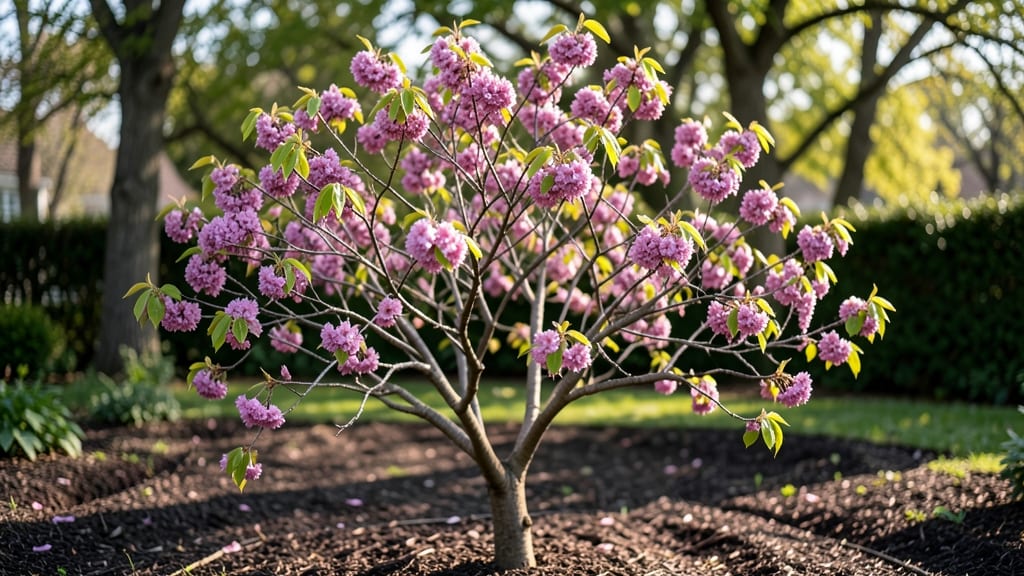
Those heart-shaped redbud leaves are the first clue this tree is in your yard. 🌿 The classic redbud leaf shape—round, slightly lobed at the base, and smooth-edged—makes it unmistakable once you know what to look for.
But variations exist: some leaves have tiny serrations, others appear almost perfectly oval, and young trees often grow narrower leaves that fill out over time.
Here’s the secret to telling redbuds apart from similar trees: leaf attachment and color. Redbud leaves attach directly to the trunk or branches (no petiole stem), and they emerge bright green before turning a deeper, glossy shade.
Compare them to dogwoods (which have pointed tips) or hawthorns (with jagged edges), and the differences become clear.
Pruning redbuds at the right time—late winter or early spring—encourages fuller growth and those signature heart shapes. Cut back dead wood first, then shape lightly to open up the canopy. Healthy leaves should feel firm, not brittle, and stay attached even when gently tugged.
For gardeners unsure about their tree, snap a photo and compare it to a redbud leaf diagram. The key is patience: redbuds take a few years to develop their classic foliage, but once they do, they’re one of the most striking small trees for spring color and texture.
📚 In This Guide
- What you need
- Instructions
- Tips and common mistakes
- Wrapping up and next steps
What you need
- ● Pruning shears – Bypass pruners (sharp, 6-8" blades) for clean cuts on small branches.
- ● Loppers – 20-24" long, for thicker branches (1-2" diameter).
- ● Hand pruners – Anvil or bypass type, for precision trimming of small growth.
- ● Safety gear: Work gloves (cut-resistant)
- ● Safety glasses
- ● Long sleeves/pants (to protect from thorns)
- ● Disinfectant – 70% isopropyl alcohol or 10% bleach solution (1 part bleach to 9 parts water) to sterilize tools between cuts.
- ● Rubbing alcohol wipes – For quick tool cleaning in the field.
- ● Measuring tape – 10-15 feet, for assessing branch length and spacing.
- ● Notebook & pencil – To sketch leaf shapes or mark pruning notes.
- ● Redbud tree reference guide – Digital or printed images of healthy Cercis canadensis leaves for comparison.
- ● Pole saw – For high branches (if tree exceeds 15 feet).
- ● Tree climbing spikes – Only if experienced and working on mature trees.
- ● Leaf identification app – Like iNaturalist or PictureThis to confirm redbud vs. invasive look-alikes.
- ○ Pruning sealant – Optional for large cuts (1" diameter or wider) to prevent disease entry.
- ● Camera or smartphone – To document leaf shapes before/after pruning.
How to identify and prune redbud trees by leaf shape
Here's how I recognize those lovely heart-shaped leaves—and when to prune for maximum beauty.
🌿 Step 1: Observe Leaf Shape for Variety Identification
Redbud leaves start as fuzzy buds in spring, then unfurl into their signature heart-shaped form with a pointed tip. Eastern redbuds (Cercis canadensis) have smooth-edged leaves, while Western redbuds (Cercis occidentalis) develop slightly lobed edges. The key is noticing how the veins branch—main veins should spread evenly from the center like fingers.
I always examine leaves mid-morning when they're fully expanded but still slightly damp from dew. This makes the subtle differences in shape and texture easier to spot. If you see leaves with more pronounced lobes (3-5 rounded points), you might be looking at a hybrid or a different Cercis species like the Texas redbud.
✂️ Step 2: Prune for Airflow and Light Penetration
Prune redbuds in late winter or early spring before buds swell, when the tree is still dormant. Focus on removing dead, crossing, or inward-growing branches first—these compete with healthy growth. I use clean, sharp loppers to make cuts just outside the branch collar (that swollen area where the branch meets the trunk).
Never remove more than 25% of the canopy at once. Redbuds bloom on old wood, so aggressive pruning reduces next year's flowers. Watch for branches with multiple growth points—these are ideal candidates for thinning. After pruning, rake up debris to prevent disease.
🌱 Step 3: Encourage New Growth with Strategic Cuts
To shape the tree, select 3-5 main branches spaced evenly around the trunk. Remove smaller branches growing between them to improve airflow. I like to step back every few cuts to visualize the tree's natural form—redbuds grow best when allowed to develop their graceful, vase-like shape.
For older trees, focus on lifting the canopy by pruning lower branches. This creates space for sunlight to reach the ground, encouraging new shoots. You'll know you've done it right when you see fresh green leaves emerging from the base of the tree in spring.
🌿 Step 4: Monitor Leaf Health After Pruning
After pruning, inspect leaves for signs of stress like yellowing or curling. This usually means the tree needs more water—redbuds prefer 1-1.5 inches of water weekly during dry spells. I water deeply at the base rather than overhead to prevent fungal issues.
Healthy redbud leaves should be vibrant green with no spots or discoloration. If you notice leaves developing brown edges, it might be due to salt buildup from winter de-icing or poor drainage. In that case, mulch around the base with 2-3 inches of organic mulch (like wood chips) to protect roots and retain moisture.
⏰ Step 5: Time Pruning for Spring Blooms
The best time to prune redbuds is 4-6 weeks before bud break, typically in late winter. This timing ensures the tree has time to heal before spring growth begins. If you must prune later, wait until after the tree finishes blooming but before new leaves fully mature.
Watch for the first pink buds to appear—that's your signal to stop pruning for the season. Redbuds are early bloomers, so timing is everything. A well-pruned tree will reward you with stunning spring flowers followed by those classic heart-shaped leaves all summer long.
Tips & tricks for perfect redbud leaf identification and pruning
These practical insights will help you master redbud leaf patterns and prune like a pro.
Leaf Shape Clues: Pay attention to the vein pattern—Eastern redbuds have smooth edges with veins radiating evenly from the center, while Western redbuds develop subtle lobes. I always compare the leaf to a heart shape: if it looks more like a maple leaf with rounded lobes, you're likely dealing with a hybrid variety. Examining leaves mid-morning when dew is still present makes these distinctions much clearer.
The 25% Rule: Remember that critical 25% canopy limit from Step 2? This prevents stress on the tree while maintaining next year's bloom potential. I mark branches with painter's tape before cutting to visualize the 25% threshold—this simple trick prevents over-pruning. For larger trees, consider removing branches in stages over multiple years rather than all at once.
Timing Secret: The 4-6 week window before bud break is your golden opportunity. I check for bud swelling by gently pressing the bark—if it gives slightly, you're too late. For northern climates, aim for late February to early March, while southern regions can wait until late March. This timing ensures the tree has time to heal before spring growth begins.
Healthy Leaf Indicators: After pruning, vibrant green leaves with no spots indicate success. I look for three key signs: even color, firm texture when touched, and no brown edges. If you notice yellowing, it's often a sign of overwatering—redbuds prefer well-drained soil. For brown edges, check your mulch layer: it should be 2-3 inches thick and organic to protect roots.
Pro Tips for Redbud Leaf Shape
- These practical insights will help you master redbud leaf patterns and prune like a pro.
- Leaf Shape Clues: Pay attention to the vein pattern—Eastern redbuds have smooth edges with veins radiating evenly from the center, while Western redbuds develop subtle lobes.
- The 25% Rule: Remember that critical 25% canopy limit from Step 2?
Frequently asked questions
Got questions about redbud leaf shapes and care?
Here are some of the most common concerns—plus quick answers to keep your tree thriving!
Why do redbud leaves have those weird lobes?
The distinctive heart-shaped or slightly lobed leaves of redbud trees (Cercis canadensis) are a natural trait! These lobes help maximize sunlight absorption and improve air circulation. If your leaves look unusually jagged or deformed, check for pests like aphids or environmental stress (e.g., drought or poor soil).
When is the best time to prune redbud trees to maintain leaf shape?
Prune redbud trees in late winter or early spring (before buds swell) to avoid disturbing their delicate leaf development. Avoid heavy pruning in summer, as it can stress the tree and alter leaf formation. Use clean, sharp tools to make precise cuts—never prune more than 25% of the canopy at once!
My redbud leaves are turning yellow or brown—what’s wrong?
Yellowing leaves often signal nutrient deficiencies (like iron or nitrogen) or overwatering. Brown edges may mean underwatering, salt buildup, or fungal issues (e.g., anthracnose). Test your soil and adjust watering—redbuds prefer well-draining soil. If pests like spider mites are present, treat with neem oil.
Can I grow redbud trees in containers? How does leaf shape change?
Yes! Dwarf varieties like ‘Lavender Twist’ thrive in containers, but their leaf lobes may appear smaller or less pronounced due to root restriction. Ensure the pot has drainage holes and use a balanced fertilizer (10-10-10) to support healthy foliar growth. Repot every 2–3 years to prevent stunted development.
Are there redbud alternatives with similar leaf shapes?
If you love lobed leaves but want variety, try:
- Eastern Redbud (Cercis canadensis) – Classic heart-shaped lobes.
- Japanese Tree Lilac (Syringa reticulata) – Coarse, lobed foliage with fragrant blooms.
- Smoke Tree (Cotinus spp.) – Fern-like, deeply lobed leaves.
- Hackberry (Celtis spp.) – Saw-toothed edges (similar texture).
All tolerate similar conditions (full sun to part shade) but offer unique textures!
Wrapping up and next steps
Understanding the redbud leaf shape—especially its distinctive lobed patterns—is key to maintaining a healthy tree and spotting early signs of pests or disease. 🌿 Whether you’re pruning for aesthetics or health, precision makes all the difference!
Now that you’re armed with the right tools and knowledge, take the next step: schedule a seasonal pruning session or keep an eye out for any unusual changes in leaf structure. Your redbud will thank you with vibrant blooms and robust growth!