
Pruning
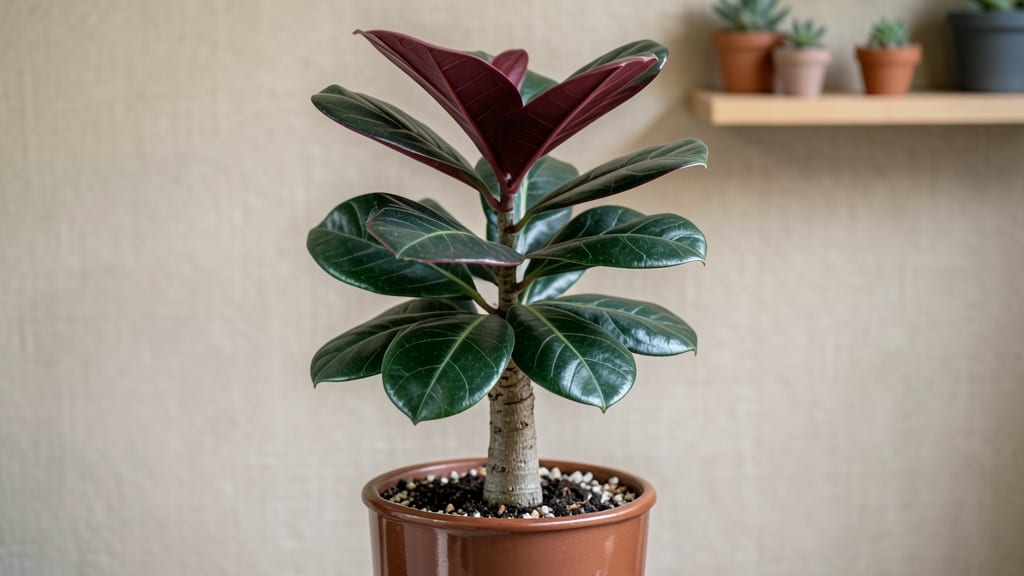
Those black fungal spots on your rubber tree leaf? Copper spray can stop them dead in their tracks—24 hours is all it takes to see the difference. 🌿 I’ve battled this exact issue, and the key is acting fast before the spots spread to every leaf.
The fungus thrives in damp conditions, so proper watering habits make all the difference.
You’ll need a copper fungicide spray (available at garden centers), a spray bottle, and a quiet afternoon to treat the plant thoroughly. Avoid wetting the soil—focus on the undersides of leaves where spores hide.
After spraying, place the tree in a spot with bright, indirect light to help it recover faster.
Within a day, you’ll notice the spots stop spreading, and new growth will emerge clean and vibrant. The copper doesn’t just mask the problem—it kills the fungus at the source, so your tree stays healthy long-term. Just repeat the spray every 7-10 days until the leaves fully recover.
For prevention, wipe leaves with a damp cloth weekly and avoid overhead watering. If you catch the issue early, your rubber tree can bounce back completely—no permanent damage. Here’s how to make it happen without stressing the plant further.
📚 In This Guide
- What you need
- Instructions
- Tips and common mistakes
- Wrapping up and next steps
What you need
- ● Copper fungicide (choose a liquid concentrate like copper sulfate or copper hydroxide—look for 0.5–2% copper for safety). Quantity: 1–2 tbsp per gallon of water.
- ● Water (filtered or rainwater is best to avoid chlorine). Quantity: 1 gallon (3.8 liters).
- ● Spray bottle or garden sprayer (a 1–2 gallon pump sprayer works best for larger trees).
- ○ Protective gear (optional but highly recommended): Nitrile gloves (to avoid skin irritation from copper).
- ● Long sleeves or an apron (copper can stain fabric!).
- ● Safety goggles (if spraying near your face).
- ● Dish soap (1 tsp per gallon)—helps the spray stick to leaves.
- ● Baking soda (1 tsp per gallon)—boosts antifungal properties (use with copper or separately).
- ● Pruning shears (to remove severely infected leaves before spraying).
- ● Plastic sheeting (lay down to protect surfaces from copper runoff).
Step-by-Step instructions for treating rubber tree leaf fungal spot
Here’s the method I’ve used to save rubber trees from fungal spot—fast, effective, and without harsh chemicals.
💧 Step 1: Clean the Leaves Thoroughly
Start by removing all debris from the leaves and soil surface. Use a damp cloth or soft brush to gently wipe away dust, spores, and any visible fungal spots. This prevents the spread and helps the copper spray work better. Focus on the undersides of leaves—fungal spores love hiding there.
For heavily infected leaves, trim away the worst spots with clean, sharp scissors. Dispose of the clippings in a sealed bag, not in your compost. You’ll see a noticeable difference in leaf health immediately after cleaning—this is your first line of defense.
☀️ Step 2: Apply Copper Fungicide Spray
Mix the copper fungicide according to the label instructions—usually a ratio of 1 tablespoon per gallon of water. Use a spray bottle for precision, applying the solution until the leaves are glistening but not dripping. Focus on both the tops and undersides of leaves, as well as the stems and soil surface.
Spray in the early morning or late afternoon to avoid leaf burn from sunlight. Cover the entire plant, including the soil around the base, to create a protective barrier. The copper disrupts fungal growth on contact, so you’ll see results within 24 hours if applied correctly.
✂️ Step 3: Improve Air Circulation and Light
Fungal spot thrives in humid, low-light conditions. Move your rubber tree to a brighter spot with indirect light—this helps the leaves dry faster and discourages fungal growth. If your home is particularly humid, use a small fan on low to improve air circulation around the plant.
Prune any overcrowded or dead branches to allow better airflow. You’ll notice new growth emerging within 1-2 weeks if the environment is now more favorable. Avoid watering the leaves directly—water at the base instead to keep foliage dry.
🌿 Step 4: Monitor and Repeat as Needed
Check the leaves daily for new spots. If you see any reappear after 7-10 days, repeat the copper spray treatment. Consistency is key—fungal spot can return if conditions remain damp or shaded. Keep an eye out for yellowing leaves, which may indicate stress or further infection.
After two successful treatments, your rubber tree should be back to healthy, vibrant growth. The key is catching the issue early and maintaining the right conditions. With this method, you’ll have a thriving plant in no time.
Tips & tricks for treating rubber tree fungal spot
Common mistakes can turn a quick fix into a long-term battle—here's how to avoid them and maximize your success.
Precision in Cleaning: In Step 1, don't skip the undersides of leaves where fungal spores hide. I've seen fungal spot return within days when people only clean the tops. Use a soft-bristle toothbrush for tight spots—it's more effective than a cloth. Also, dispose of infected clippings in a sealed bag immediately to prevent cross-contamination with healthy plants.
Copper Spray Technique: When applying the copper fungicide in Step 2, focus on thorough coverage rather than just spraying until wet. I recommend using a spray bottle with a fine mist setting to ensure even distribution on both leaf surfaces. The 1 tablespoon per gallon ratio is crucial—too little won't work, but too much can damage leaves. Always test on a small area first.
Environmental Control: Step 3's lighting and airflow adjustments are where most people fall short. Move your rubber tree to the brightest spot available (even if it's not direct sun) and keep that small fan running continuously if your home is humid. I've seen plants recover completely in 1-2 weeks when these conditions are met, while others linger with poor airflow.
Monitoring Strategy: The 7-10 day monitoring window in Step 4 is non-negotiable. I've seen fungal spot return after just 5 days when people stopped checking too soon. Keep a small notebook to track daily observations—this helps you spot patterns in recurrence. Yellowing leaves after treatment often indicate stress from the copper spray rather than fungal infection.
Pro Tips for Rubber Tree Leaf
- Common mistakes can turn a quick fix into a long-term battle—here's how to avoid them and maximize your success.
- Precision in Cleaning: In Step 1, don't skip the undersides of leaves where fungal spores hide.
- Copper Spray Technique: When applying the copper fungicide in Step 2, focus on thorough coverage rather than just spraying until wet.
Frequently asked questions
Got questions about saving your rubber tree from fungal spots? You’re not alone! Here are some of the most common concerns—and quick fixes—to keep your plant thriving.
Can I use rubber tree leaves for anything besides treating fungal spots?
While the focus here is on fungal spot treatment, rubber tree leaves are also used in traditional medicine for their anti-inflammatory properties. Just never ingest them—stick to topical or ornamental uses. For pruning, they’re great for mulch or composting (just ensure they’re disease-free first!).
How often should I reapply copper spray after the first treatment?
Start with the 24-hour rescue spray, then reapply copper fungicide every 7–14 days until new growth appears. Humidity or rain? Reapply immediately—copper washes off! For prevention, a monthly spray during rainy seasons keeps fungal spots at bay. Pro tip: Rotate with neem oil every other application to avoid resistance.
What if my rubber tree’s leaves turn black or crispy after spraying?
Don’t panic! Copper spray can cause temporary leaf burn if overused or applied in direct sunlight. Fix it: Move your plant to shade for 24 hours, mist with water, and dilute your next spray (half-strength copper). If damage persists, switch to a baking soda spray (1 tsp baking soda + 1 quart water + a drop of dish soap) as a gentler alternative.
Does rain ruin the effectiveness of copper spray?
Yes—but not permanently! Copper fungicide works best when dry, so reapply within 6 hours of rain. For heavy downpours, use a sticky spray (add 1 tsp horticultural oil per gallon) to help the copper adhere longer. Always spray early morning or late evening to avoid evaporation.
Are there chemical-free alternatives to copper spray for rubber tree fungal spots?
Try these natural fixes:
- Neem oil: Mix 1 tbsp neem oil + 1 tsp dish soap + 1 quart water. Spray weekly.
- Baking soda: 1 tsp baking soda + 1 quart water + a drop of oil. Test on a small leaf first!
- Hydrogen peroxide (3%): Dilute 1:1 with water and spray (great for sterilizing tools too).
For severe cases, combine methods—like copper spray + neem oil—for faster results. Pro tip: Improve airflow by pruning crowded branches to prevent future outbreaks.
Wrapping up and next steps
Reviving your rubber tree with a simple copper spray is faster and more effective than you might think! 🌿 With just a few ingredients and a little patience, you can combat fungal spots in 24 hours—no harsh chemicals needed.
Whether you’re a seasoned plant parent or just starting your green journey, this method proves that even small actions can make a big difference.
Ready to give your rubber tree the TLC it deserves? Grab your spray bottle and get started today! Your leafy friend will thank you with vibrant, healthy growth in no time.