
Pests and Diseases
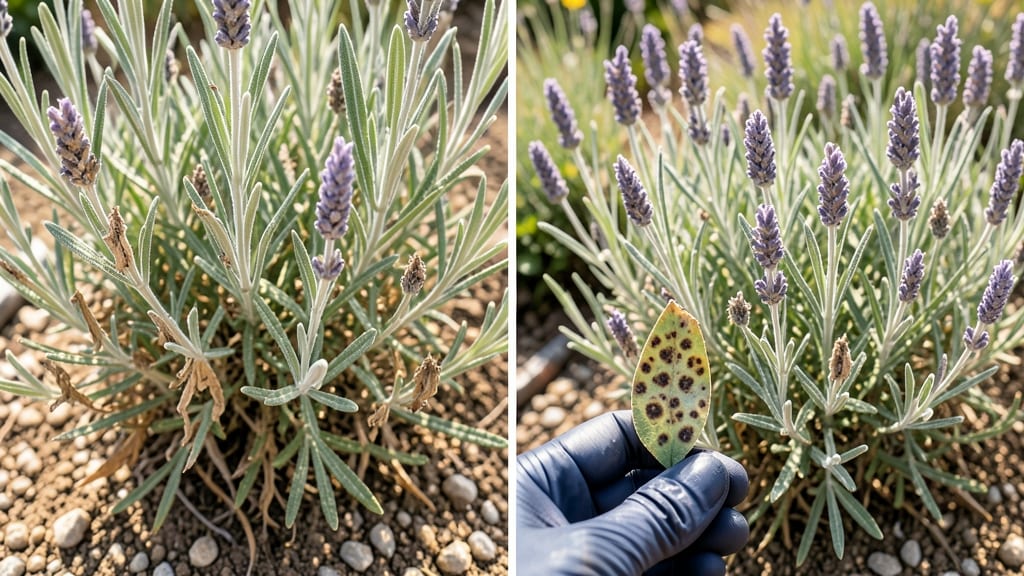
Your lavender’s once-silver foliage now looks like it’s been rained on with rust-colored splotches—that’s septoria leaf spot, and it spreads faster than you’d think. 🌿 I’ve battled this stubborn fungal foe in my own garden, and the key to revival starts with copper spray applied before the spots turn crispy at the edges.
This isn’t just about saving leaves—it’s about preserving that intoxicating lavender scent and keeping your plants looking like the showstoppers they should be.
The fungus thrives when humidity clings to dense foliage, so proper airflow and watering at the base—not overhead—are your first defenses.
I’ve seen septoria wipe out entire lavender borders when ignored, but with weekly copper treatments and strategic pruning of infected stems, you can turn things around in just 4-6 weeks.
The trick is catching it early when the spots are still soft and damp, not when they’ve turned to paper-thin holes.
What you’ll end up with is lavender that smells as vibrant as it looks, with thick, healthy growth pushing out new silver foliage. The copper spray works best on dry, calm days—so plan your treatments for early morning or late afternoon when the air is still.
And here’s the secret: pair it with spaced-out plants (18-24 inches apart) to let sunlight dry the leaves faster, giving the fungus less time to take hold.
This method works for all lavender varieties, from English to French, and adapts to both in-ground and container plants. The only difference? Containers dry out faster, so you’ll need to monitor moisture more closely. Let’s get those leaves looking crisp and silver again—no more brown craters in sight.
Underlying Causes of Fungal Foliar Damage
Septoria leaf spot in lavender isn’t just a random misfortune—it’s a perfect storm of environmental and biological factors that create ideal conditions for the Septoria fungus to thrive.
Understanding these triggers is the first step to preventing outbreaks and protecting your lavender’s lush, fragrant foliage. Let’s break down the key culprits behind this stubborn disease.
The Septoria fungus loves water—literally. Prolonged leaf wetness (especially from overhead irrigation, dew, or rain) gives fungal spores direct access to plant tissues. Here’s why moisture is such a problem:
- Spores germinate in water: Septoria spores require free moisture to activate and penetrate lavender leaves. Even light dew can be enough if humidity stays high for extended periods.
- Poor air circulation: Dense lavender plantings or crowded beds trap humidity, creating a greenhouse effect that accelerates fungal growth.
- Waterlogged soil: Lavender hates soggy roots. Poor drainage forces plants to wilt slightly, stressing them and making them more susceptible to infection.
Actionable insight: If your lavender sits in a low-lying area or gets waterlogged after rain, amend the soil with sand or gravel to improve drainage. Water at the base (not overhead) and avoid late-day watering to let foliage dry before nightfall.
The Septoria fungus has a preferred climate—cool, damp conditions that mimic spring or fall weather. Here’s the science:
| Factor | Ideal Range for Septoria | Why It Matters |
|---|---|---|
| Temperature | 60–75°F (15–24°C) | Fungal growth slows below 50°F (10°C) and accelerates above 80°F (27°C) |
| Humidity | 70%+ (especially with leaf wetness) | High humidity delays drying, giving spores more time to infect |
| Rainfall | Frequent light showers (vs. heavy downpours) | Light rain repeatedly wets leaves without washing spores away |
Pro tip: If you’re in a humid climate (like the Pacific Northwest or UK), space lavender plants 18–24 inches apart to improve airflow. In hotter regions, mulch with gravel (not organic matter) to reflect heat and reduce soil moisture.
A healthy lavender plant is naturally resistant to fungal infections. But when lavender is stressed, its defenses crumble. Common stressors include:
- Competition for nutrients: Overcrowded lavender plants compete for water and minerals, weakening their cell walls—making them easier targets for Septoria.
- Nitrogen deficiency: Lavender prefers low-nitrogen soil. Too much nitrogen (from fertilizer) makes foliage soft and succulent, inviting fungal invasion.
- Root damage: Improper pruning or physical injury (like from hail or tools) creates entry points for spores.
Key takeaway: Test your soil’s pH (lavender thrives at 6.5–7.5) and avoid rich, nitrogen-heavy fertilizers. Instead, use a balanced, slow-release fertilizer (like 5-5-5) in early spring.
Septoria doesn’t just appear out of nowhere—it hitchhikes on tools, wind, or infected plant debris. Here’s how:
- Pruners & shears: Cutting infected leaves with unsterilized tools spreads spores to healthy parts of the plant (or nearby lavender).
- Wind & rain splash: Spores can travel up to 30 feet in wind or splash onto leaves during storms.
- Infected plant material: Leaving fallen leaves or clippings in the garden creates a spore reservoir for next season.
Prevention hack: Always sterilize pruners with 70% isopropyl alcohol or a 10% bleach solution between cuts. Remove and dispose of infected leaves (don’t compost them!) and avoid working with lavender when leaves are wet.
Revive Your Lavender: Fixing Fungal Foliage
If your lavender plants are battling Septoria leaf spot, don’t panic—this fungal foe is beatable with the right approach. The key is acting fast, combining preventive care with targeted treatments, and giving your plants the best chance to bounce back.
Below, we break down the most effective fixes, tailored to the root causes of the problem, plus pro tips to keep your lavender thriving long-term.
Fungal spores spread like wildfire, so prune aggressively to stop the cycle. Here’s how:
- 🔪 Snip it out: Use sterilized pruners (wipe with rubbing alcohol between cuts) to remove all leaves with dark spots, yellowing, or holes. Don’t leave any behind—even small lesions harbor spores.
- 🗑️ Dispose properly: Bag the clippings in a sealed plastic bag and toss them in the trash (or burn them if local regulations allow). Never compost infected plant material.
- 🌬️ Air it out: After pruning, improve airflow around plants by spacing them 12–18 inches apart. Crowded lavender invites humidity, which fungi love.
Pro Tip: 💡 Prune on a dry, sunny day. Wet leaves make spores stickier and spread faster.
Copper-based fungicides are the gold standard for Septoria because they disrupt the fungus’s cell walls. Here’s how to use them effectively:
- 🛒 Choose your weapon: Pick a fixed copper fungicide (like Copper Sulfate or Copper Hydroxide) or a ready-to-use spray (e.g., Bonide Copper Fungicide). Organic gardeners can use copper soap (like Copper Septicide).
- 🍶 Mix it right: Follow label instructions—typically, 1–2 tablespoons of copper sulfate per gallon of water. For sprays, shake well before use.
- 🌿 Spray thoroughly: Drench both sides of leaves and stems until they glisten. Focus on the undersides of leaves (where spores hide) and new growth. Reapply every 7–10 days during wet or humid conditions.
- ⏰ Timing is everything: Apply copper sprays preventively at the first sign of spots and after heavy rain. Morning applications allow foliage to dry quickly.
Pro Tip: 🌡️ Avoid spraying when temps exceed 85°F—copper can burn leaves in extreme heat.
Healthy lavender resists disease better. Strengthen your plants with these low-effort strategies:
- 💧 Water wisely: Septoria thrives in wet leaves, so water at the base (not overhead) and early in the day so foliage dries by evening. Drip irrigation or soaker hoses are your best friends.
- 🌱 Feed for defense: Lavender needs low-nitrogen fertilizer (like a 5-10-5 or 7-7-7 blend) to stay robust. Avoid high-nitrogen feeds—they promote soft, fungus-loving growth.
- ☀️ Sunlight shield: Ensure your lavender gets 6+ hours of direct sun daily. Weak, shaded plants are prime targets for fungal attacks.
- 🌿 Mulch lightly: Use gravel or coarse sand around plants (not organic mulch) to improve drainage and reduce soil-borne spores.
Break the cycle with these long-term shields against Septoria:
| Cause | Fix |
|---|---|
| Poor air circulation | Prune surrounding plants, space lavender properly, or add a small fan in containers. |
| Overhead watering | Switch to drip irrigation or water at the soil level. |
| Contaminated tools | Sterilize pruners and shears with rubbing alcohol or a 10% bleach solution between uses. |
| Old plant debris | Clean up fallen leaves and prunings year-round, not just after outbreaks. |
| Stress from overwatering | Let soil dry completely between waterings—lavender is drought-tolerant! |
Pro Tip: ✨ Rotate copper fungicides with neem oil (mixed with a drop of dish soap) every 3–4 weeks to prevent fungal resistance.
With these steps, your lavender should recover within 2–4 weeks—and stay Septoria-free with consistent care. 🌿 Keep an eye out for new spots, and don’t hesitate to reapply copper if rain washes it away. Your fragrant, spotless lavender is waiting!
Frequently asked questions about lavender leaf spot
How can I tell if my lavender has septoria leaf spot vs. just sunburn?
Septoria leaf spot appears as dark brown or black spots with yellow halos, often with tiny black specks (fungal fruiting bodies) in the center. Sunburn usually shows as bleached, crispy patches on leaf edges, especially on the south side. The key difference? Septoria spots start small and grow over time, while sunburn damage stays static.
Is copper spray safe for bees when treating lavender?
Copper fungicides are not toxic to bees, but apply sprays after bees have stopped foraging (early morning or late evening). Avoid spraying when flowers are fully open to protect pollinators. For extra safety, focus treatments on foliage rather than blooms.
Can I still harvest lavender oil if it has septoria leaf spot?
No, you should never harvest infected lavender for oil. The fungal spores can contaminate your distillation process and reduce oil quality. Prune all infected stems first, then wait 2-3 weeks after treatment before harvesting healthy new growth.
Will my lavender recover completely after septoria leaf spot?
With proper treatment, lavender can fully recover—new growth will emerge spot-free. The key is removing all infected foliage and maintaining good airflow. Healthy lavender is resilient and will produce fresh silver foliage within 4-6 weeks of consistent copper treatments.
How often should I reapply copper spray after initial treatment?
Reapply copper fungicide every 7-10 days during active growth or after heavy rain. For prevention, a monthly application during humid seasons (spring/fall) will help maintain protection. Always follow label instructions for your specific product.