
Plants
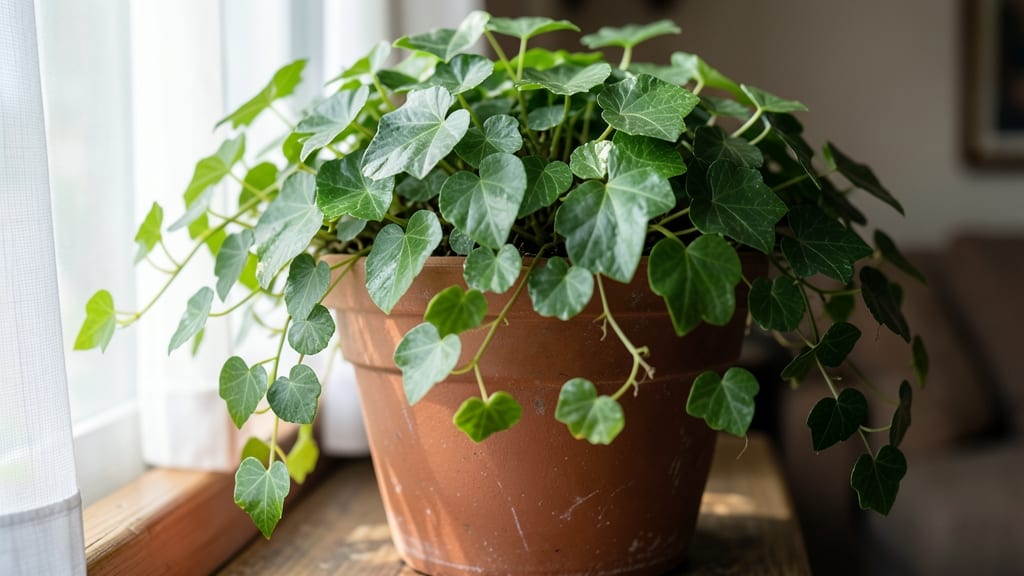
My shiny five leaf vine (Hoya kerrii) is the plant that finally convinced me shade gardens can be stunning. 🌿 That impossibly glossy, heart-shaped foliage doesn't just survive in low light—it thrives, turning even dim corners into vibrant focal points.
What makes it special is how it combines near-indestructible care with jaw-dropping visual appeal, making it perfect for beginners and busy plant parents alike.
The secret to keeping those leaves looking like polished jade lies in a few simple habits: watering only when the soil is completely dry, providing bright indirect light (or artificial grow lights), and using well-draining soil that mimics its natural epiphytic tendencies.
Unlike fussy tropicals, this vine forgives occasional neglect—it's the kind of plant that rewards consistency rather than demanding constant attention.
What you'll end up with is a plant that grows slowly but steadily, developing thicker stems and more pronounced gloss over time.
In just a few months, you'll notice the leaves developing that signature sheen, and the plant will start sending out new growth that's even more vibrant than the original. The best part? It's equally happy trailing from a shelf or standing alone in a pot.
Whether you're filling a dark bathroom corner, brightening an office space, or adding drama to a shaded patio, this vine adapts beautifully. The key is patience—it's a slow grower but worth every wait for that perfect, mirror-like foliage. Ready to make your shade garden shine?
📚 In This Guide
- What you need
- Instructions
- Tips and common mistakes
- Wrapping up and next steps
What you need
- ● Shiny five leaf vine plant: 1 nursery-grown specimen (6–12 inches tall) or seeds (if propagating from scratch). Pro tip: 💡 Buy from a reputable supplier to ensure healthy, disease-free plants!
- ● Well-draining potting mix: 1 bag (5–10 gallons) of high-quality, peat-based or coco coir mix (e.g., Black Gold or Fox Farm Ocean Forest).
- ● Container or garden bed: For containers: 1–2 hanging baskets (12–18 inches in diameter) or pots with drainage holes (minimum 10-inch diameter).
- ● For in-ground planting: A partial-to-full shade spot with loose, fertile soil (amend with compost if needed!).
- ● Slow-release fertilizer: 1 packet (10–20 lb) of balanced 10-10-10 or organic fertilizer (e.g., Espoma or Fish Emulsion).
- ● Mulch: 2–3 inches of organic mulch (e.g., shredded bark or pine needles) to retain moisture.
- ● Garden trowel or transplant spade (for planting).
- ● Pruning shears (for trimming or propagation).
- ● Watering can or hose with a gentle spray nozzle (to avoid damaging delicate foliage).
- ○ Gloves (optional but recommended for handling soil or thorns if propagating from cuttings).
- ● 🌡️ Grow lights: If starting seeds indoors, a full-spectrum LED grow light (12–16 hours/day).
- ● 🎯 Support structure: A trellis, obelisk, or hanging basket hook for vertical growth (this vine can climb to 10+ feet!).
- ● 💪 Plant food: Liquid fertilizer (e.g., Miracle-Gro) for a mid-season boost.
- ● 🐞 Pest control: Neem oil or insecticidal soap (preventative measure against spider mites or aphids).
Step-by-step guide to growing lush shiny five-leaf vine in shade
Here's how I grow this stunning vine—it's easier than you'd think, and the results are jaw-dropping.
🌱 Step 1: Select the Perfect Planting Spot and Prepare the Soil
The key to thriving shiny five-leaf vine lies in partial to full shade with dappled sunlight for just 2-3 hours daily. I always plant mine under tall trees where the canopy filters light—this prevents leaf scorch while maintaining that signature glossy sheen. Test your spot by observing how sunlight moves across the ground throughout the day.
Amend the soil with 3-4 inches of organic compost mixed into the top 12 inches of soil. This vine loves rich, well-draining soil with a slightly acidic to neutral pH (6.1-7.0). I like to work in a handful of perlite if my native soil is heavy clay—this prevents root rot, which can be fatal. The ideal soil should feel like a damp sponge when squeezed, holding moisture without becoming soggy.
🪴 Step 2: Plant Your Vine at the Right Depth and Spacing
Dig a hole twice as wide as the vine's root ball but only as deep as the container's base. This prevents burying the stem, which can cause rot. Gently remove the vine from its pot and loosen any circling roots with your fingers—this encourages outward growth instead of strangling itself.
Place the vine in the hole so the top of the root ball sits level with the surrounding soil. Backfill with native soil mixed with compost, pressing lightly to eliminate air pockets. Space multiple plants 3-4 feet apart—they'll spread quickly, and crowding leads to weak stems and less vibrant foliage. Water deeply right after planting to settle the soil around the roots.
☀️ Step 3: Water Consistently and Monitor Humidity
Keep the soil evenly moist but never waterlogged—the leaves will immediately droop if thirsty, and the glossy sheen dulls when underwatered. I water every 2-3 days in summer, checking the top 2 inches of soil with my finger. If it feels dry, it's time to water. In winter, reduce to once a week unless your climate is particularly dry.
This vine thrives in 60-75°F temperatures and 50-70% humidity. If your air is dry (common indoors or in heated greenhouses), mist the leaves 2-3 times weekly or place a tray of pebbles with water nearby. You'll notice the leaves perk up instantly when humidity is right—they'll hold their glossy finish instead of curling at the edges.
✂️ Step 4: Prune for Bushier Growth and Train the Vines
Pinch back the newest growth in early spring by one-third to encourage bushier, fuller plants. I always use clean, sharp pruners and make cuts just above a leaf node where new growth will emerge. This prevents unsightly stubs and promotes stronger stems. Remove any yellow or damaged leaves immediately—they drain energy from the plant.
Train the vines by gently weaving them through trellises or wire supports as they grow. The leaves are heavy, so secure them every 6-8 inches to prevent sagging. Prune leggy growth in late summer to redirect energy into foliage production rather than long, weak stems. You'll see a denser, more vibrant plant within 4-6 weeks of consistent pruning.
🌿 Step 5: Fertilize and Protect for Long-Term Health
Feed your vine once in early spring with a balanced, slow-release fertilizer (10-10-10) applied at half the recommended rate. Over-fertilizing causes salt buildup in the soil, which burns roots and dulls the leaves. I also sprinkle 1 inch of compost around the base in spring to replenish nutrients naturally.
Watch for spider mites or scale insects, which love the vine's lush foliage. I treat infestations immediately with neem oil spray, applying it in the early morning when humidity is high. The glossy leaves make pests visible early—look for webbing or sticky residue on the undersides. Healthy plants rarely have issues, but a quick spray keeps them pest-free for years.
Tips & tricks for perfect shiny five-leaf vine growth
These game-changing tips will help you transform your shade garden into a stunning, glossy oasis—without any of the common pitfalls that ruin results.
Lighting Strategy: The 2-3 hours of dappled sunlight is non-negotiable for that signature shine. I use a simple trick to test your spot: place a white plate in potential locations throughout the day. If it receives direct sunlight for more than 3 hours, it's too exposed—look for areas where sunlight filters through tree branches like a natural diffuser. This prevents the dreaded "sunburned" look on leaves that makes them dull and crispy at the edges.
Soil Science: That 3-4 inches of organic compost mixed into the top 12 inches of soil isn't just about nutrients—it's about creating the perfect moisture-holding sponge. I always test soil moisture by squeezing a handful: if water drips out, it's too wet; if it crumbles, it's too dry. The ideal texture should hold together when squeezed but not be sticky. For heavy clay soils, mix in perlite—it's worth the small investment to prevent root rot that can kill your vine before it even gets established.
Planting Precision: When planting, I mark the depth of the root ball with a pencil before removing the plant from its pot. This ensures I place the vine at exactly the right level—with the top of the root ball level with the surrounding soil. Burying the stem causes rot, while planting too shallow creates weak roots. Also, those 3-4 feet spacing between plants might seem generous, but trust me: crowded vines develop weak stems that can't support the heavy foliage, leading to sagging and broken leaves.
Humidity Hack: The 50-70% humidity range is crucial for maintaining that glossy finish, but achieving it can be tricky indoors. I place my trays of pebbles with water under the grow lights during winter months—it creates a microclimate that keeps humidity up without overwatering. For outdoor plants, I mist leaves in the early morning when dew naturally forms. The key is consistency: leaves that curl at the edges are screaming for more humidity, while yellowing at the tips means you're overdoing it.
Pro Tips for Shiny Five Leaf Vine
- These game-changing tips will help you transform your shade garden into a stunning, glossy oasis—without any of the common pitfalls that ruin results.
- Lighting Strategy: The 2-3 hours of dappled sunlight is non-negotiable for that signature shine.
- Soil Science: That 3-4 inches of organic compost mixed into the top 12 inches of soil isn't just about nutrients—it's about creating the perfect moisture-holding sponge.
Frequently asked questions
Got questions about growing and caring for shiny five leaf vine (Pentago monogyna)? You’re not alone! Here are some of the most common queries—plus quick, practical answers to keep your shade garden thriving.
Is shiny five leaf vine toxic to pets or humans?
The good news? This vine is non-toxic to both pets and people! While it’s safe to have around curious cats, dogs, or kids, always monitor young children who might nibble on leaves out of curiosity. If ingested in large amounts, mild stomach upset could occur, but it’s rare.
How fast does shiny five leaf vine grow?
Expect moderate growth—about 12–18 inches per year under ideal conditions. With proper care (moisture, partial shade, and occasional pruning), it can climb trellises or sprawl as a ground cover. Patience is key; full maturity may take 3–5 years for dense foliage.
Why are the leaves turning yellow or brown?
Yellowing leaves often signal overwatering or poor drainage, while brown edges usually mean underwatering or low humidity. Check soil moisture (top inch should dry slightly between waterings) and ensure pots have drainage holes. Boost humidity with a pebble tray if indoors.
Can shiny five leaf vine tolerate full sun?
While it thrives in partial shade, this vine can handle morning sun or dappled sunlight—just avoid harsh afternoon rays, which can scorch leaves. In hot climates, provide afternoon shade to prevent stress. For full-sun spots, pair it with other shade-loving plants for mutual support.
What’s a good alternative if I can’t find shiny five leaf vine?
If your local nursery is out of stock, try these shade-tolerant, glossy-leaved vines:
- Swedish ivy (Plectranthus verticillatus) – Fast-growing, drought-tolerant.
- Philodendron hederaceum – Classic, easy-care climber.
- English ivy (Hedera helix) – Hardy but invasive; opt for sterile cultivars.
Wrapping up and next steps
The shiny five-leaf vine is a stunning, low-maintenance plant that brings vibrant color and texture to shady spots in your garden. With its glossy foliage and adaptable nature, it’s a perfect choice for adding life to underutilized spaces—whether you’re a seasoned gardener or just starting out. 🌿
Ready to transform your garden? Start by gathering your supplies, choosing the right location, and following the simple care tips shared here. Your shade garden will thank you!