
Flowers
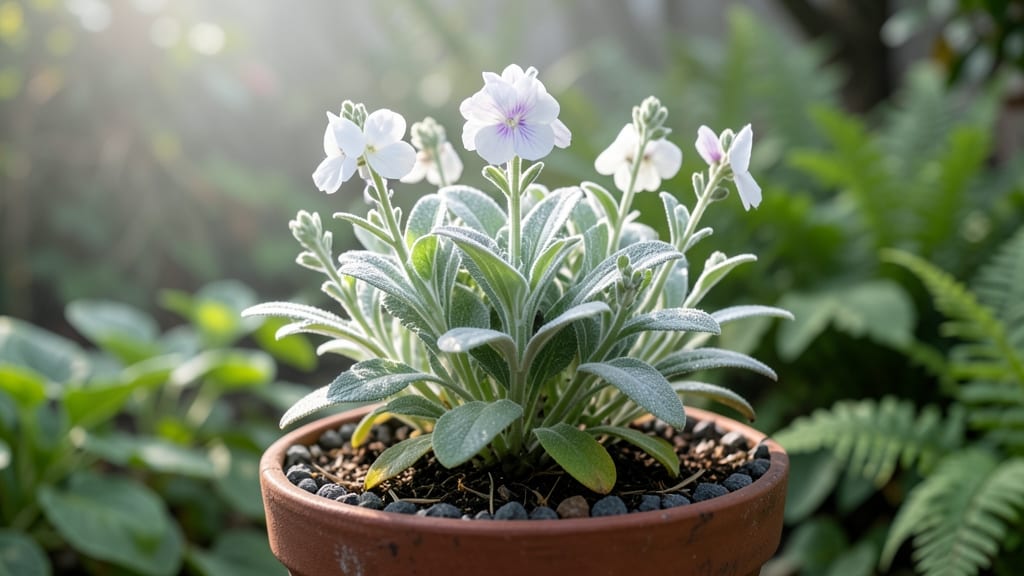
The silver-leafed princess flower transforms any corner into a shimmering oasis with its striking metallic foliage—no pruning required. 🌿 I’ve grown this showstopper for years, and its velvety silver leaves outshine most annuals while demanding less fuss than you’d expect.
The secret lies in mimicking its natural tropical habitat, which isn’t as complicated as it sounds.
This plant thrives in bright, indirect light—think east-facing windows or dappled shade outdoors—where its leaves won’t scorch. Well-draining soil mixed with perlite keeps roots happy, and consistent moisture (but never soggy) prevents the crispy edges that plague beginners.
A humidity tray or pebble tray works wonders for indoor growers, especially in dry climates.
By summer’s end, you’ll have a lush, bushy plant that blooms sporadically with delicate pink flowers, though the real star is that silver foliage that catches every light source.
Even in winter, with proper care, it stays vibrant—unlike most annuals that fade by frost. The minimal pruning? Just snip leggy stems to encourage fuller growth, and you’re done.
Perfect for containers, hanging baskets, or garden borders, this plant adapts effortlessly. Just avoid cold drafts and harsh midday sun, and you’ll enjoy its drama year-round. Ready to grow your own metallic masterpiece?
📚 In This Guide
- What you need
- Instructions
- Tips and common mistakes
- Wrapping up and next steps
What you need
- ● Silver-Leafed Princess Flower: 1–3 nursery-grown plants (3–5 ft tall, mature size) or
- ● Seeds (if propagating from scratch—germination can be slow!)
- ● Well-draining potting mix: 1–2 bags (5–10 lbs each) of cactus/succulent blend or a mix of: 60% peat moss or coco coir
- ● 30% perlite/pumice
- ● 10% orchid bark or sand
- ● Containers: 1–2 ceramic or fabric pots (12–18" diameter) or
- ● A raised garden bed (if planting outdoors)
- ● Slow-release fertilizer: 1 lb of balanced 10-10-10 or 20-20-20 (for tropical plants)
- ● Mulch: 1 bag of orchid bark or pine straw (to retain moisture and mimic its natural habitat)
- ● Gloves & long sleeves (for handling prickly stems)
- ● Trowel or small shovel (for transplanting)
- ○ Pruning shears (sharp, sterilized—optional but helpful)
- ● Spray bottle (for misting seedlings)
- ● pH testing kit (ideal soil pH: 5.5–6.5)
- ● Sunlight meter or app (to track bright, indirect light—critical for silver foliage vibrancy)
- ● Humidity tray or pebble tray (if indoors, to maintain 50–70% humidity)
- ● USDA Hardiness Zones: 10–11 (outdoors only). For colder zones, grow as a houseplant!
- ● Temperature: 60–85°F (avoid drafts or temps below 45°F)
- ● Light: 6+ hours of bright, indirect light daily (south/west-facing window or grow lights)
- ● Water: Keep soil consistently moist but not soggy
Step-by-Step instructions for cultivating silver-leafed Princess flower
Here's how I transform this striking foliage plant into a year-round centerpiece with almost no upkeep.
🌱 Step 1: Select the Perfect Location and Soil Mix
The Silver-Leafed Princess thrives in bright, indirect light—think east or west windows where sunlight filters through sheer curtains. Too much direct sun scorches those stunning silver leaves, while too little dims their metallic sheen. I always test a spot by placing the plant there for 24 hours first; if the leaves show no stress after a week, it's ideal.
Use a well-draining potting mix (I blend equal parts peat moss, perlite, and coco coir) to prevent soggy roots. These plants despise wet feet—always ensure pots have drainage holes. Amend the mix with a handful of orchid bark for extra aeration, which mimics their natural epiphytic growing habits. The soil should feel like a damp sponge when squeezed, not dripping water.
☀️ Step 2: Plant and Establish Proper Watering Routine
Plant your Silver-Leafed Princess in a 6-8 inch pot with the root ball sitting just below the rim—never bury the stem. The plant's natural growth habit is upright, so I use a terracotta cache pot (unglazed) to wick away excess moisture. Water thoroughly until water runs from the drainage hole, then let the top 1-2 inches of soil dry out completely before watering again.
Here's the thing—these plants are drought-tolerant once established, but they hate inconsistent moisture. I water every 7-10 days in winter (when growth slows) and every 5-7 days in summer. Check by sticking your finger in the soil: if it feels dry past your first knuckle, it's time. Overwatering causes root rot, which turns leaves yellow and mushy—irreversible damage.
✂️ Step 3: Prune Strategically for Bushier Growth
Minimal pruning is the key to that "year-round drama" in the title. I only prune once a year in early spring to shape the plant and encourage new growth. Using clean, sharp pruners, cut back any leggy stems by one-third their length, making cuts just above a leaf node where new growth will emerge.
Remove any yellow or brown leaves immediately—they sap energy from the plant. Never prune more than 25% of the foliage at once, or you'll shock the plant into dormancy. After pruning, give the plant a balanced liquid fertilizer (10-10-10) diluted to half strength. You'll see fresh, vibrant growth within 3-4 weeks—that's your reward for minimal effort.
🪴 Step 4: Rotate and Maintain Year-Round Health
Rotate the pot quarter-turn weekly so the plant grows evenly toward the light. You'll notice one side leaning? That's your cue to adjust. Silver-Leafed Princess grows 12-18 inches tall with proper care, so I repot every 2-3 years when roots circle the pot's interior. Choose a container only 1-2 inches larger in diameter—bigger pots encourage root rot.
In winter, reduce watering to every 10-14 days and move the plant to a slightly cooler spot (60-65°F). The leaves will naturally darken slightly, but they'll bounce back when spring arrives. Dust the leaves occasionally with a soft microfiber cloth—these plants love being able to photosynthesize efficiently. A quick wipe every month keeps those silver leaves shimmering like they just arrived from the nursery.
Tips & tricks for perfect silver-leafed Princess flower care
A few simple strategies will help you maintain that stunning silver foliage with minimal effort and maximum impact.
Light Testing: That 24-hour placement test in Step 1 is your best friend—don't skip it! I've seen plants go from vibrant to sad in just a week when moved to the wrong spot. Place your plant in the chosen location and monitor for any leaf curling or discoloration. If you notice stress after 7 days, move it to a slightly brighter (but still indirect) area. The silver leaves will tell you exactly what they need.
Soil Moisture Secret: The "damp sponge" test in Step 1 is critical—your soil should hold moisture but not feel saturated. I like to use my finger to check moisture levels at the same time each week. If the top 1-2 inches feel completely dry, it's watering time. For extra insurance, I water in the morning so excess moisture can evaporate during the day rather than sitting in the soil overnight.
Pruning Precision: When you're pruning those leggy stems in Step 3, make your cuts just above a leaf node—this is where new growth will emerge. I always use sterilized pruners to prevent introducing pathogens. After pruning, place the cuttings in water to propagate new plants. The mother plant will reward you with fresh, vibrant growth within those 3-4 weeks, proving that minimal pruning pays off big time.
Winter Care: That 60-65°F winter spot is crucial for maintaining the plant's health during dormancy. I move mine to a north-facing window where temperatures stay consistent. The slight leaf darkening you might notice is completely normal—it's the plant's way of conserving energy. Just keep watering on that extended 10-14 day schedule and you'll see those silver leaves return to their full glory when spring arrives.
Pro Tips for Silver Leafed Princess Flower
- A few simple strategies will help you maintain that stunning silver foliage with minimal effort and maximum impact.
- Light Testing: That 24-hour placement test in Step 1 is your best friend—don't skip it!
- Soil Moisture Secret: The "damp sponge" test in Step 1 is critical—your soil should hold moisture but not feel saturated.
Frequently asked questions
Got questions about growing and caring for your silver-leafed princess flower? You’re not alone—this stunning plant has a few quirks! Here are the answers to the most common queries.
What’s the best way to propagate silver-leafed princess flowers?
Propagate via stem cuttings in spring or summer! Snip a 4-6 inch section just below a leaf node, dip in rooting hormone (optional), and plant in moist, well-draining soil. Keep humidity high and out of direct sun until roots form (about 4-6 weeks). Pro tip: Use a plastic bag as a mini greenhouse for faster success!
How often should I water my silver-leafed princess flower?
Water when the top inch of soil feels dry—usually every 7-10 days, but adjust for climate. Overwatering causes root rot, so ensure pots have drainage holes. Drought-tolerant once established! Reduce watering in winter when growth slows.
Why are my leaves turning yellow or brown?
Yellow leaves often signal overwatering or poor drainage, while brown edges may mean underwatering or low humidity. Check soil moisture and adjust care. Pests like spider mites can also cause browning—inspect undersides of leaves and treat with neem oil if needed.
Can I grow silver-leafed princess flowers indoors?
Place near bright, indirect light (east or north-facing windows work best). Rotate the pot monthly for even growth. If leaves stretch or pale, it’s craving more light—supplement with a grow light if needed.
Are there any non-toxic alternatives for similar foliage?
If you love the silver drama but want pet-safe options, try pothos (Epipremnum aureum) or peperomia (Peperomia spp.). Both thrive indoors, offer striking foliage, and are non-toxic to pets. Bonus: They’re easier for beginners!
Wrapping up and next steps
The Silver-Leafed Princess Flower is a stunning, low-maintenance gem that brings year-round elegance to your garden with its shimmering foliage—all while requiring minimal pruning! 🌿 Whether you’re a seasoned gardener or just starting, its adaptability and drama make it a must-have for adding texture and sophistication to any space.
Ready to transform your outdoor (or indoor!) oasis? Start by gathering your supplies, then dive into planting and care with confidence. Your future foliage masterpiece awaits—happy gardening!