
Shrubs
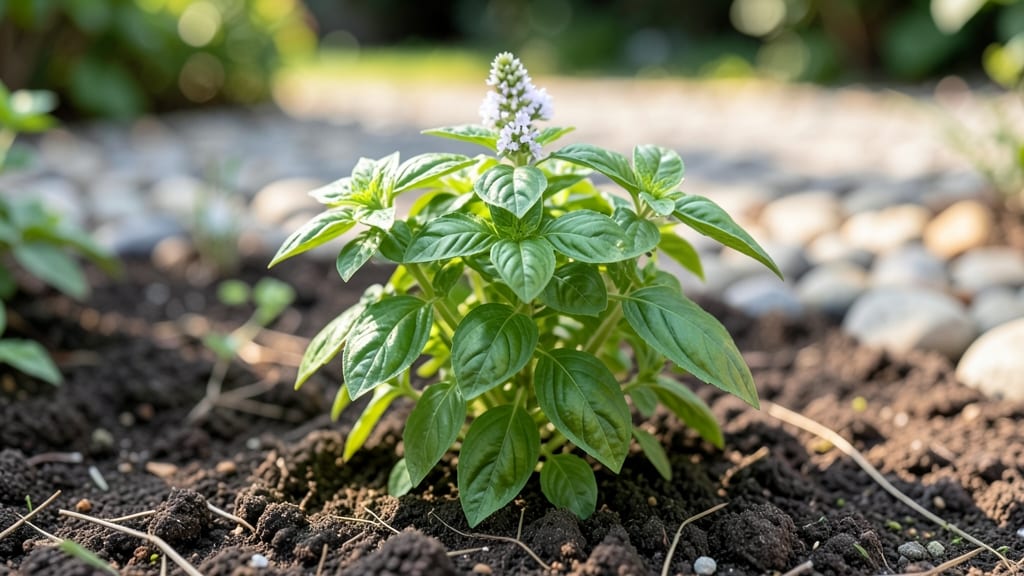
Growing small leaf basil is like having a tiny, flavorful powerhouse on your windowsill—it thrives with almost no fuss. 🌱 I’ve grown this variety for years, and it’s the secret to fresh pesto, salads, and sandwiches without the store-bought compromise.
The key? It grows dense and bushy with minimal pruning, unlike its larger-leaf cousins that flop over like overwatered houseplants.
This basil loves bright light—at least 6 hours of sun daily—and well-draining soil that’s slightly moist but never soggy. A 6-inch pot is perfect for one plant, and it’ll keep producing if you snip leaves regularly.
The real magic? It’s cold-hardy enough to survive indoors through winter with a simple grow light, so you’re never without fresh herbs.
You’ll start seeing new growth within 2 weeks of planting, and with just a pinch of pruning (cutting back by a third when it gets leggy), it’ll stay compact and productive.
The leaves stay bright green and tender, and the flavor? Bold, sweet, and peppery—far superior to the wilted supermarket variety.
Works in containers, hanging baskets, or even as a window garden—no yard required. Whether you’re a beginner or a seasoned gardener, this basil grows itself (mostly). Let’s get you started with the foolproof method!
📚 In This Guide
- What you need
- Instructions
- Tips and common mistakes
- Wrapping up and next steps
What you need
- ● Small leaf basil seeds or seedlings: 1 packet (or 3–5 starter plants if buying from a nursery). Look for varieties like Genovese or Sweet Basil for compact growth.
- ● Containers or garden bed: Indoor: 6–8" deep pots (3–4" diameter per plant) with drainage holes. 3–5 containers for a small harvest.
- ● Outdoor: Well-draining soil in a sunny spot (6+ hours of light). Space plants 12–18 inches apart.
- ● Potting mix: 1 bag of high-quality, well-draining organic mix (avoid garden soil—it compacts!).
- ● Fertilizer: Balanced liquid fertilizer (e.g., 10-10-10) or organic options like compost tea.
- ● Watering can or spray bottle: For gentle, bottom-watering to avoid fungal issues.
- ● Pruning shears or clean scissors: Sharp tools to snip stems at a 45° angle.
- ● Grow lights (for indoor setups with 12–16 hours of light/day).
- ● Mulch (straw or shredded leaves) to retain moisture in outdoor beds.
- ● Herb companion plants (e.g., tomatoes or peppers) to deter pests.
- ● Epsom salt (1 tsp per gallon of water monthly) for extra magnesium and flavor.
Instructions for growing small leaf basil year-round
Here's how to cultivate lush, continuous basil harvests with just a few strategic cuts.
🌱 Step 1: Select and Prepare the Right Container
Small leaf basil thrives in 6-inch diameter containers with drainage holes. I use terracotta pots because they wick moisture away and prevent root rot—a common issue with basil's shallow root system. Fill each pot with 2 cups of high-quality potting mix enriched with compost. The mix should feel light and airy when squeezed; if it clumps, add perlite to improve drainage.
Press the soil down gently until it's firm but not compacted. This creates a stable base for the delicate roots while allowing excess water to drain freely. I like to tap the pot on the table once or twice to eliminate air pockets that could hinder root development. The goal is a surface that's just firm enough to support the plant without restricting growth.
🌿 Step 2: Plant and Provide Initial Care
Sow 2-3 seeds per pot at a depth of ¼ inch, spacing them 1 inch apart. Cover lightly with additional soil and mist the surface until evenly moist. Basil seeds germinate best in 70-75°F soil, so place the pots in a warm, sunny spot. You'll see sprouts in 7-14 days, though cooler temperatures may extend this to 3 weeks.
Once seedlings emerge, thin to the strongest plant per pot by snipping the others at the soil line. This prevents overcrowding, which leads to weak stems and disease. Keep the soil consistently moist but never soggy—basil roots rot quickly in waterlogged conditions. Watch for the first pair of true leaves (not the initial seed leaves) before moving to the next step.
☀️ Step 3: Position for Optimal Light and Heat
Small leaf basil needs 6-8 hours of direct sunlight daily to develop its signature flavor. Place pots on a south-facing windowsill or under grow lights if natural light is insufficient. If using grow lights, position them 6 inches above the plants and keep them on for 14-16 hours daily. The leaves will tell you if light is adequate—dark green with a slight purple tint means more light is needed.
During summer, basil thrives in 70-85°F temperatures. If your home runs cooler, place a small space heater nearby (never directly on the pot) to maintain warmth. In winter, a sunny windowsill with a heat source prevents leggy growth. Rotate pots quarter-turn weekly so plants grow evenly toward the light source.
✂️ Step 4: Prune for Continuous Harvest
The secret to year-round basil is strategic pruning. Once the plant reaches 6 inches tall, pinch off the top set of leaves just above a pair of leaves. This encourages bushier growth and prevents flowering, which makes leaves bitter. Repeat this pinch-back every 2-3 weeks to maintain compact, productive plants.
For harvests, cut stems just above a leaf node (where leaves meet the stem) using clean scissors. Always cut one-third of the plant at a time to avoid shocking it. After each harvest, give the plant a light fertilizer (½-strength balanced formula) to replenish nutrients. You'll notice new growth within 5-7 days—proof the plant is thriving.
💧 Step 5: Adjust Watering for Seasonal Needs
Water basil when the top inch of soil feels dry. In summer, this may mean watering daily, while winter care might require watering every 3-4 days**. Always water at the base to avoid wetting leaves, which can cause fungal diseases. I use a spray bottle for seedlings and a watering can with a narrow spout for mature plants to direct moisture precisely.
Yellowing leaves often signal overwatering, while crispy edges mean underwatering. Adjust your routine based on leaf condition—basil is forgiving as long as you respond quickly. Mulch the soil surface with a thin layer of compost to retain moisture and regulate soil temperature, especially in hot climates.
Tips & tricks for perfect small leaf basil growth
These game-changing strategies will help you avoid common pitfalls and maximize your basil's potential year-round.
Container Selection Wisdom: While terracotta pots are ideal for moisture control, plastic containers work too—just ensure they have drainage holes. I've found that adding a layer of pebbles at the bottom of any container improves drainage and prevents root rot, which is especially critical for basil's delicate root system. This simple adjustment creates a buffer zone that keeps roots healthy even if you occasionally overwater.
Lighting Strategy: For indoor growers, LED grow lights are the most energy-efficient option. Position them exactly 6 inches above your plants and keep them on for the full 14-16 hours daily as specified. I've noticed that basil grown under LED lights develops slightly more intense flavor than under fluorescent bulbs—likely due to the light spectrum better matching natural sunlight.
Pruning Technique: When performing your pinch-back at the 6-inch mark, always use your fingers rather than scissors. The slight pressure from pinching stimulates new growth at the leaf nodes below. I've found that plants pinched this way regrow faster than those cut with scissors, which can sometimes damage the stem tissue. This finger method also gives you immediate feedback on stem strength—weak stems should be removed entirely to prevent disease.
Seasonal Transition Tips: As seasons change, adjust your watering routine based on leaf condition rather than sticking to fixed schedules. In winter, when your home runs cooler, reduce watering to every 3-4 days and increase humidity by placing pots on a tray of pebbles with water. This mimics the plant's natural summer environment while preventing crispy edges that signal underwatering during cooler months.
Pro Tips for Small Leaf Basil
- These game-changing strategies will help you avoid common pitfalls and maximize your basil's potential year-round.
- Container Selection Wisdom: While terracotta pots are ideal for moisture control, plastic containers work too—just ensure they have drainage holes.
- Lighting Strategy: For indoor growers, LED grow lights are the most energy-efficient option.
Frequently asked questions
Got questions about growing and maintaining small leaf basil? You're not alone! Here are some of the most common queries—and their straightforward answers—to help you keep your plants thriving year-round.
How often should I prune small leaf basil for continuous harvest?
Prune your small leaf basil every 4–6 weeks to encourage bushier growth and prevent flowering. Pinch off the top sets of leaves (about 1/3 of the plant) when stems reach 6–8 inches tall. This keeps your basil productive and prevents it from becoming woody or bitter.
Can small leaf basil grow indoors year-round, and how?
Place your basil near a south-facing window (6+ hours of sunlight daily) or under grow lights (12–16 hours/day). Use well-draining pots, water when the top inch of soil is dry, and fertilize lightly every 4–6 weeks. A humidity tray or occasional misting helps too!
What’s the best way to revive wilted or leggy small leaf basil?
Leggy or wilted basil often needs a reset. Trim back 1/3 of the plant to encourage new growth, then move it to a sunnier spot (or under grow lights). Reduce watering slightly—overwatering is a common culprit—and avoid fertilizing until the plant shows signs of recovery (usually 1–2 weeks).
Is small leaf basil different from Genovese or Thai basil?
Yes! Small leaf basil has tight, compact leaves (great for pesto and salads) and a milder, sweeter flavor than Genovese (which is larger-leafed and pepperier). Thai basil has purple stems and anise-like notes, while small leaf basil stays true to its classic, aromatic profile. Choose based on your dish!
How do I prevent pests like aphids or spider mites on my basil?
Keep pests at bay with preventative care: Inspect leaves weekly, remove yellowing or infested foliage, and spray plants with neem oil or insecticidal soap (mix 1 tsp per quart of water) if you spot pests. Encourage beneficial insects like ladybugs and avoid overcrowding plants for better airflow.
Wrapping up and next steps
Small leaf basil is a game-changer for gardeners who crave fresh, flavorful herbs year-round—with minimal fuss! Whether you’re a beginner or a seasoned green thumb, this versatile plant thrives with just a little love and the right techniques. Now’s the perfect time to start (or expand) your basil patch!
Ready to dive in? Grab your pruning shears, pick a sunny spot, and let the harvest begin! 🌱✨
- Next step: Plant your first small leaf basil today and enjoy the rewards of homegrown goodness.