
Pests and Diseases
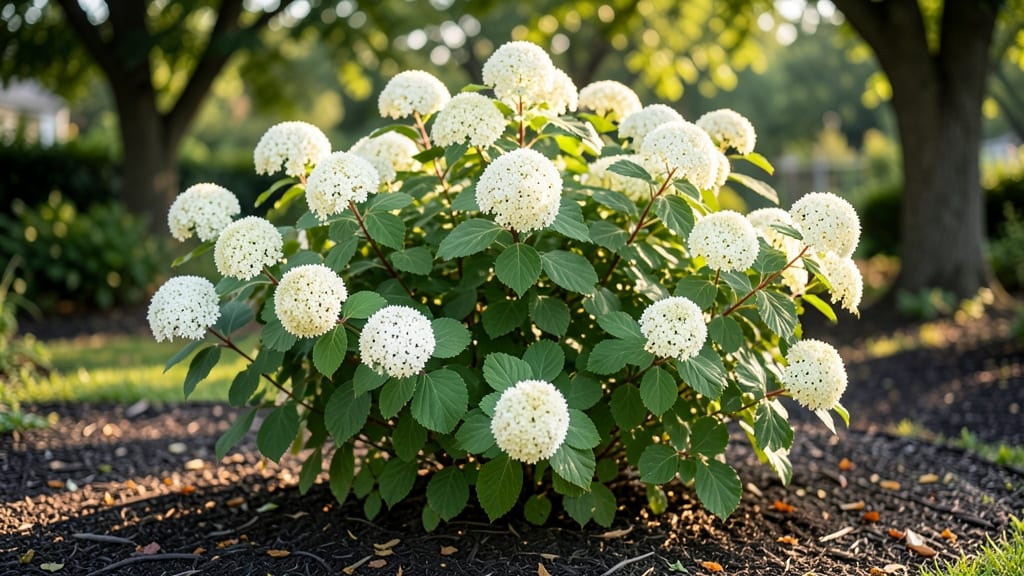
That coppery sheen on the snowball viburnum leaf isn’t just a pretty sight—it’s a fungal spot warning sign. 🌿 I’ve watched this disease turn lush green foliage into unsightly brown patches, and the fix is simpler than you’d think.
Copper spray isn’t just a last resort; it’s the first line of defense when those tiny black specks start appearing.
Most gardeners panic when they spot the first signs, but the key is acting early. You’ll need a copper fungicide (like Bordeaux mixture or liquid copper), a spray bottle or pump sprayer, and a calm Sunday afternoon.
The process takes about 20 minutes, but timing matters—apply it on a dry, windless day when the leaves are fully wet.
What you’ll end up with is a bush that stays vibrant and healthy all season, with those classic snowball blooms looking their best. The copper prevents the fungus from spreading, and with regular applications (every 2-3 weeks during wet seasons), your viburnum will bounce back stronger than ever.
Works for both established shrubs and new plantings, and it’s safe for other plants too. The secret is consistency—don’t wait until the spots spread. Here’s how to do it right the first time.
📚 In This Guide
- What you need
- Instructions
- Tips and common mistakes
- Wrapping up and next steps
What you need
- ● Copper fungicide: Choose a fixed copper (like copper sulfate) or tribasic copper sulfate (TBCS). Aim for a concentration of 0.5–1.0 lb per 100 gallons of water (check the product label for exact ratios).
- ● Water: 100 gallons (adjust proportionally for smaller batches). Use rainwater or dechlorinated tap water to avoid harming plants.
- ● Spray equipment: Hose-end sprayer OR
- ● Backpack sprayer (5–10 gallon capacity)
- ● Protective gear: Nitrile gloves (to avoid skin irritation)
- ● Long-sleeved shirt and pants
- ● Safety goggles (copper can irritate eyes)
- ● Measuring tools: Measuring cup or scale (for precise copper dosage)
- ○ pH test strips (optional but helpful—ideal pH for copper is 5.0–7.0)
- ● Wetting agent: 1 tsp per gallon (improves spray adhesion; look for plant-safe surfactants like dish soap or commercial products like Silwet L-77).
- ● Ladder or step stool: For reaching higher branches on mature viburnums.
- ● Weather check: A clear, calm day (avoid spraying within 24 hours of rain or when temps are above 90°F).
Step-by-Step instructions for treating snowball viburnum fungal spots
Here's how I tackle fungal spots on snowball viburnum leaves—using copper spray the right way.
🌿 Step 1: Inspect and Identify the Problem
Before spraying, examine the leaves for black or brown spots with yellow halos—classic signs of fungal infection. I check the undersides of leaves too, where fungal spores often hide. Healthy leaves should be glossy and green, while infected ones may show powdery residue or dark streaks.
Timing matters: treat early in the morning when humidity is low and leaves are dry. This prevents the spray from lingering too long on wet surfaces, which can actually worsen fungal growth. If you spot spots in late summer, act fast—fungi spread quickly when temperatures dip below 75°F.
💧 Step 2: Prepare the Copper Spray Solution
Mix 1 tablespoon of copper fungicide (like copper sulfate or copper hydroxide) into 1 gallon of water in a clean sprayer. I stir thoroughly until fully dissolved—any undissolved particles can clog your spray nozzle or damage leaves. For extra effectiveness, add ½ teaspoon of mild dish soap as a surfactant to help the spray stick to leaf surfaces.
Wear gloves and long sleeves when handling copper—it can irritate skin. I always shake the mixture before each use, even if it looks uniform. Test the spray on a few leaves first to ensure it doesn’t cause browning or discoloration. If you see any reaction after 24 hours, dilute the solution further.
☀️ Step 3: Apply the Spray Evenly
Spray the solution until leaves glisten—this ensures full coverage. Focus on the undersides of leaves where spores hide, and don’t forget the stems and buds. I like to spray in the late afternoon when the sun is less intense, reducing the risk of leaf burn from copper exposure.
Keep the sprayer 6-12 inches away from the plant to avoid oversaturating the foliage. Light, even passes work best—heavy soaking can encourage fungal growth. After spraying, avoid watering the plant for 48 hours to let the copper dry and activate properly.
⏰ Step 4: Monitor and Retreat as Needed
Check the leaves 3-5 days after treatment for improvement. You should see new growth emerging with fewer spots, though existing spots may persist. If new infection appears, repeat the spray every 7-10 days until the threat passes—consistency is key.
To prevent recurrence, prune infected branches in early spring, sterilizing your shears with rubbing alcohol between cuts. I also mulch around the base with 2-3 inches of organic mulch to improve soil drainage and reduce humidity around the roots.
✂️ Step 5: Boost Plant Health Long-Term
Fungal spots thrive on stressed plants, so I fertilize snowball viburnum in early spring with a balanced 10-10-10 formula to encourage strong, resilient growth. Water at the base of the plant in the morning to keep foliage dry—wet leaves invite fungal spores.
Thin out crowded branches to improve airflow, which naturally reduces humidity and fungal spread. I also avoid overhead watering, especially in the evening. With these steps, your snowball viburnum should bounce back with fresh, spot-free leaves by next season.
Tips & tricks for treating snowball viburnum fungal spots
Here's what I've learned after battling fungal spots on my own snowball viburnum—these tricks make all the difference.
Timing is Everything: The early morning timing in Step 1 isn't just about dry leaves—it's also when humidity is naturally lowest. I've seen fungal growth spread rapidly when I sprayed in the afternoon, even when leaves appeared dry. If you must spray later, wait until at least 2 hours before sunset to give leaves time to dry completely. The 75°F temperature threshold is critical too—fungi become aggressive below this mark, so monitor your local forecast before treating.
Mixing Matters: When preparing the copper solution in Step 2, I've found that using a 1-gallon sprayer with a fine mist nozzle works best for even distribution. The ½ teaspoon of dish soap is non-negotiable—it helps the copper adhere to leaf surfaces, but use a mild, plant-safe soap like Castile soap. I've ruined batches by using regular dish soap that left residue burns. Always test on a small leaf first, especially if your viburnum has sensitive foliage—some varieties react differently to copper.
Application Technique: The 6-12 inches spray distance in Step 3 might seem wide, but it's crucial. Closer than 6 inches can oversaturate leaves, creating a damp environment that fungi love. I use a gentle back-and-forth motion, focusing on undersides where spores hide. For large bushes, I work in sections—spray one side completely before moving to the other. This ensures thorough coverage without missing spots. The 48-hour watering pause is equally important; I set a reminder on my phone to avoid accidentally watering during this critical drying period.
Long-Term Prevention: The 2-3 inches of mulch mentioned in Step 4 isn't just decorative—it's a game-changer for soil drainage. I've seen fungal spots recur when mulch was too thin or compacted. Use organic mulch like wood chips or straw, and keep it 2-3 inches away from the trunk to prevent rot. The early spring fertilization with 10-10-10 is perfect timing—this gives the plant a nutrient boost before fungal spores become active again. I also prune in late winter when the plant is dormant, making it easier to spot and remove infected branches.
Pro Tips for Snowball Viburnum Leaf
- Here's what I've learned after battling fungal spots on my own snowball viburnum—these tricks make all the difference.
- Timing is Everything: The early morning timing in Step 1 isn't just about dry leaves—it's also when humidity is naturally lowest.
- Mixing Matters: When preparing the copper solution in Step 2, I've found that using a 1-gallon sprayer with a fine mist nozzle works best for even distribution.
Frequently asked questions
about using snowball viburnum leaf with copper spray to fight fungal spots—here’s what you need to know!Why does my snowball viburnum keep getting fungal spots even after spraying?
Fungal spots can persist if the spray isn’t applied correctly or if conditions (like high humidity or wet foliage) remain ideal for fungi. Reapply copper spray every 7–14 days during wet seasons and ensure full coverage, including the undersides of leaves. Prune infected branches immediately to stop spread.
When is the best time of day to spray copper on snowball viburnum?
Spray early in the morning or late afternoon to avoid leaf burn from direct sunlight and allow the copper to dry before evening moisture sets in. Avoid spraying if rain is forecast within 24 hours—it’ll wash off before it works!
Can I use copper spray on other plants besides snowball viburnum?
Yes! Copper spray is effective on many ornamentals and edibles, including roses, apples, peaches, and even vegetables like tomatoes and peppers. Just follow label instructions for concentration and frequency—some plants are more sensitive than others.
Will copper spray harm bees or beneficial insects?
Copper is generally low-risk to bees and pollinators when used as directed, but avoid spraying directly on blooming flowers (especially when bees are active). For extra safety, apply in the early morning or evening when pollinators are less active.
Where can I buy copper spray for snowball viburnum, and what’s the best brand?
Copper spray is available at garden centers, home improvement stores (like Home Depot or Lowe’s), and online (Amazon, Arbico Organics). Popular brands include Bonide Copper Fungicide and Dynamite 4 Fungicide. Look for copper hydroxide or copper sulfate as the active ingredient.
What should I do if copper spray stains my patio or driveway?
Copper can leave blue-green stains on hardscapes. To minimize this, spray only the plant (not nearby surfaces) and use a shield or tarp around the base. If stains appear, scrub with vinegar or a mild bleach solution (1:10 ratio)—but test on a small area first!
Wrapping up and next steps
Protecting your snowball viburnum from fungal spots doesn’t have to be a battle—just a smart, copper-powered strategy! 🌿 With the right materials and a few proactive steps, you can keep those lush leaves spot-free and your shrub thriving for seasons to come. Start small: treat one affected plant first, then expand your defense as needed.
Now that you’re armed with knowledge, grab that copper spray and give your viburnum the care it deserves! Ready to tackle other garden challenges? Explore more pest and disease solutions to keep your garden flourishing.