
Pests and Diseases
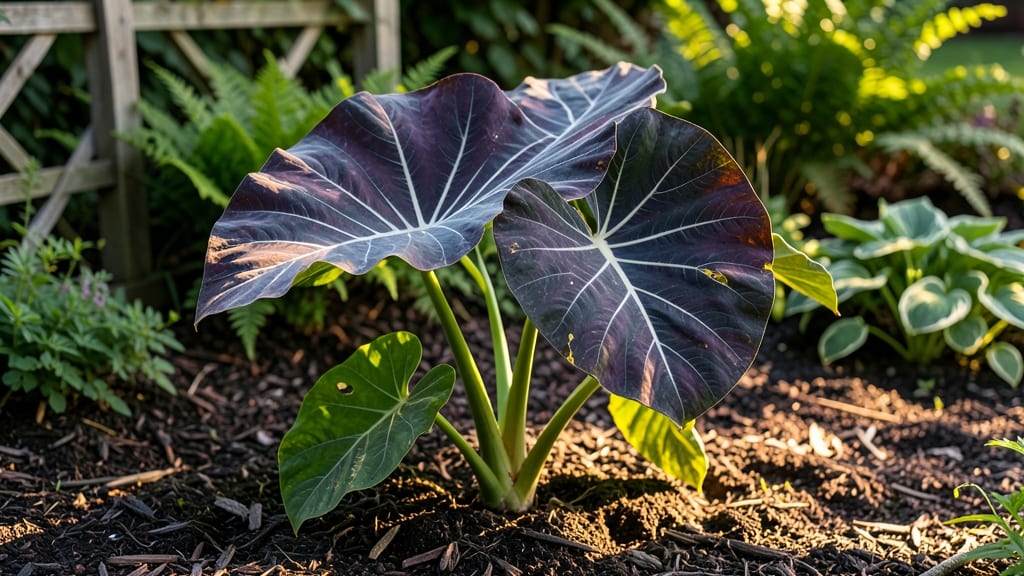
When your tomato or pepper leaves start showing the spade-shaped leaf instead of healthy broad shapes, it’s a clear distress signal—often from viral infections like Tomato Spotted Wilt Virus or nutrient stress. 🌱 The good news?
Precision copper spray can help revive affected plants when applied correctly, and understanding the root cause is the first step to stopping further damage.
This symptom typically appears on plants like tomatoes, peppers, and eggplants, where leaves develop a rigid, wedge-like shape instead of their usual rounded form. Viruses spread through thrips or contaminated tools, while nutrient imbalances (especially nitrogen or magnesium deficiencies) can mimic the issue.
The key is identifying whether the problem is biological or environmental before treating it.
Copper spray acts as a protective barrier against fungal and bacterial infections that may accompany viral stress, while also boosting plant resilience. For best results, apply it at dusk every 7-10 days during active growth, ensuring full coverage of both leaf surfaces.
Combine this with proper spacing and thrip control to prevent reinfection.
If the issue persists after treatment, consult a local extension service for virus testing—some conditions require complete removal of infected plants to protect the rest of your garden. Early action makes all the difference in saving your harvest.
Root Causes of Leaf Distortion
Leaf distortion into a spade-like shape—especially in plants like citrus, figs, or ornamentals—rarely happens by accident. It’s usually a cry for help from your plant, signaling underlying stress or damage.
Below, we break down the most common culprits, their scientific triggers, and why your plant’s leaves are morphing into an unexpected shape.
Plants need micronutrients like copper in tiny amounts to function properly. Copper acts as a cofactor for enzymes involved in photosynthesis, respiration, and cell wall formation. When levels are off—either deficient or toxic—leaf development gets thrown off balance.
- Copper Deficiency (Most Common in Sandy Soils) - Copper helps chlorophyll production and enzyme activation.
Without enough, new leaves may appear yellowed, curled, or stunted—sometimes even developing a spade-like shape as the plant struggles to form proper cells. - Symptoms to watch for: - Younger leaves show distortion first. - Leaf edges may crinkle or thicken abnormally. - Stunted growth despite adequate water/nutrients. - Why it happens: - High pH soils (alkaline >7.0) lock copper out of root uptake. - Sandy or peat-based soils drain copper too quickly. - Excessive organic matter (like compost) can bind copper, making it unavailable.
- Copper Toxicity (Less Common but Deadly)
- Too much copper (from over-fertilization or contaminated water) disrupts protein synthesis and membrane integrity, leading to leaf scorch, necrosis, and distortion.
- Symptoms to watch for:
- Brown or blackened leaf margins (spade shape may form as a secondary effect).
- Wilting despite moist soil.
- Root damage (roots may turn dark or brittle).
Actionable Fix: ✅ Test soil pH—aim for 5.5–6.5 for optimal copper availability. ✅ Apply chelated copper (like copper sulfate or copper EDTA) only if deficient (follow label rates). ✅ Flush soil with water if copper toxicity is suspected (avoid fertilizers temporarily).
Some pests feed on plant sap, disrupting hormone transport (like auxins) that control leaf shape. When auxin distribution is skewed, new leaves may grow asymmetrical or spade-shaped.
- Common Culprits:
- Spider Mites 🕷️ – Their feeding causes stippling and distortion by injecting toxins.
- Aphids 🐜 – Cluster on new growth, sucking sap and altering auxin flow.
- Scale Insects 🐛 – Secretive and slow-acting; their saliva disrupts cell division.
- Whiteflies 🦋 – Excrete honeydew, leading to sooty mold and nutrient starvation.
Why It Happens:
- Pests inject enzymes that break down plant cells, causing abnormal growth patterns.
- Hormone imbalances (like ethylene spikes) trigger curling, thickening, or spade-like deformation.
- Secondary infections (from honeydew) can worsen distortion.
Actionable Fix: 🔥 Isolate infested plants to prevent spread. 🍳 Spray with neem oil or insecticidal soap (repeat every 5–7 days). 👨🍳 Introduce beneficial predators (ladybugs, lacewings) for long-term control. 🔪 Prune heavily infested leaves and dispose of them (don’t compost).
Plants are sensitive to their surroundings, and extreme conditions can alter leaf development before symptoms like yellowing appear.
- Heat Stress (Too Much Sun or Drought)
- High temperatures denature enzymes, including those involved in cell expansion.
- Symptoms:
- Leaves may thicken, pucker, or develop a spade shape as cells struggle to grow properly.
- Edge scorch (brown tips) often accompanies distortion.
- Why it happens:
- Transpiration exceeds water uptake, causing osmotic stress.
- Ethylene production spikes, a stress hormone that warps leaf growth.
- Wind or Physical Damage
- Constant buffeting (like in exposed gardens) can stunt leaf growth on the windward side, leading to asymmetrical spade shapes.
- Hail or mechanical injury to young leaves can disrupt meristem activity (growth centers).
- Inadequate Light
- Low light causes etiolation—leaves stretch and deform to reach sunlight.
- Symptoms:
- Pale, elongated leaves with a spade-like tip.
- Weak stems that flop or grow unevenly.
Actionable Fix: 🌡️ Provide afternoon shade in hot climates (use shade cloth if needed). 💡 Water deeply but infrequently to encourage deep root growth (drought stress is worse than overwatering). 🏡 Use windbreaks (like trellises or fences) for exposed plants. 🎯 Rotate pots (for container plants) to ensure even light exposure.
Some fungi and bacteria release toxins or enzymes that hijack plant hormones, leading to unusual leaf shapes.
- Common Offenders:
- Citrus Greening (HLB) 🍊 – A bacterial disease that disrupts nutrient transport, causing yellowing and spade-shaped leaves.
- Fungal Leaf Spots 🍄 – Pathogens like Alternaria or Cercospora release cell wall-degrading enzymes, leading to distorted, thickened leaves.
- Phytoplasma 🔬 – A bacterial-like organism that alters plant hormones, causing witches’ broom (dense, spade-like growth).
Why It Happens:
- Toxins from pathogens block auxin transport, leading to abnormal cell division.
- Necrotic tissue (dead spots) can pull healthy tissue into unnatural shapes.
- Systemic infections (like HLB) starve leaves of nutrients, causing stunting and deformation.
Actionable Fix: ✨ Remove infected leaves immediately (sterilize pruners with rubbing alcohol). 💡 Apply copper fungicide (like Bordeaux mixture) preventatively in humid climates. 🚫 Avoid overhead watering to prevent fungal spores from spreading. 🔬 Test for bacterial diseases (like HLB) if symptoms persist—no cure exists, so quarantine infected plants.
Not all spade-shaped leaves are a sign of distress—sometimes, it’s just how the plant is wired.
- Variegated or Sport Mutations
- Some plants (like variegated citrus or figs) develop spade-shaped leaves due to reduced chlorophyll in certain cells.
- Why it happens:
- Genetic chimeras (mixed cell types) cause uneven growth patterns.
- Viruses (like Citrus Variegation Virus) can alter pigmentation and shape.
- Juvenile Phase
- Young plants (especially citrus, olives, or figs) often produce small, spade-like leaves before maturing into the typical shape.
Actionable Fix: 📊 Compare to healthy plants—if others look normal, it may be genetic. 🌱 Give it time—juvenile phases usually resolve in 1–3 years. 🔍 Check for viruses if variegation is new (test leaves via a lab).
Revive Your Plants with Precision Care
When your plant’s leaves start developing a spade-like shape, it’s a clear signal that something’s off—but don’t panic! With the right approach, you can nurse your plant back to health and prevent future issues.
Below, we’ve mapped out practical solutions for the most common causes, from environmental stressors to nutrient deficiencies, along with prevention tips to keep your greenery thriving.
If your plant’s leaves are turning into spade shapes due to over- or under-fertilization, here’s how to correct it:
🔥 Step 1: Flush the Soil (If Over-Fertilized)
- Why? Excess salts and chemicals build up in the soil, disrupting nutrient uptake.
- How?
- Water your plant thoroughly with distilled or rainwater (avoid tap water if it’s high in minerals).
- Repeat every 2-3 days for a week to leach out excess salts.
- Pro Tip: 💡 Use a soil moisture meter to ensure you’re not overwatering while flushing.
🍳 Step 2: Adjust Fertilizer Routine
- For Under-Fertilization:
- Switch to a balanced, slow-release fertilizer (e.g., 10-10-10 or 20-20-20).
- Apply half-strength every 4-6 weeks in the growing season.
- For Over-Fertilization:
- Hold off on fertilizing for 4-6 weeks to let the soil recover.
- Test soil pH (ideal range: 6.0-7.0 for most plants).
🌡️ Step 3: Check Micronutrient Levels
- Symptoms of Deficiency:
- Yellowing between leaf veins (iron/manganese deficiency).
- Purple stems (phosphorus deficiency).
- Fix:
- Use a chelated iron supplement (for iron deficiency).
- Add bone meal or fish emulsion (for phosphorus).
If temperature swings, humidity, or light issues are causing spade-shaped leaves, adjust these factors:
❄️ Step 1: Stabilize Temperature
- Ideal Range: Most tropical plants thrive at 65-75°F (18-24°C).
- Fix:
- Move your plant away from drafts, AC vents, or heaters.
- Use a thermometer to monitor temperature fluctuations.
💧 Step 2: Optimize Humidity
- Signs of Low Humidity: Crispy leaf edges, stunted growth.
- Fix:
- Place a humidifier nearby or use a pebble tray with water.
- Group plants together to create a microclimate.
☀️ Step 3: Adjust Light Exposure
- Too Much Sun? Leaves may scorch or develop uneven shapes.
- Too Little Light? Leaves may stretch (etiolation) and weaken.
- Fix:
- Move your plant to bright, indirect light (east or north-facing windows work well).
- Use sheer curtains to diffuse harsh sunlight.
If pests (spider mites, aphids) or fungal infections are distorting leaf growth:
🔪 Step 1: Isolate & Inspect
- Quarantine the affected plant to prevent spread.
- Check undersides of leaves and stems for webs, sticky residue, or spots.
🛡️ Step 2: Treat Infestations
| Pest | Natural Remedy | Chemical Option |
|---|---|---|
| Spider Mites | Spray with neem oil + water (1 tsp per quart) | AcariX (miticide) |
| Aphids | Blast off with water spray or use insecticidal soap | Orthene (systemic insecticide) |
| Fungal Issues | Apply copper fungicide spray (as mentioned in your title!) | Chlorothalonil (for severe cases) |
🌿 Step 3: Improve Airflow & Hygiene
- Prune crowded or dead leaves to reduce humidity buildup.
- Sterilize tools with rubbing alcohol before pruning.
Once your plant is back on track, keep these habits to avoid future spade-shaped leaves:
- 💡 Rotate Plants Weekly – Ensures even light exposure.
- 🌡️ Monitor Soil Moisture – Stick your finger 1 inch deep; water only when dry.
- 🍃 Use Mulch – Retains moisture and regulates soil temperature.
- 🔄 Repot Every 2 Years – Refreshes soil nutrients and prevents compaction.
- 🛡️ Inspect Regularly – Catch pests/diseases early with weekly leaf checks.
Final Thought: 🌟 With precision care, your plant will bounce back—and those spade-shaped leaves will be a thing of the past! Start with one fix at a time, observe changes, and adjust as needed. Happy growing!
Frequently asked questions
Why do my tomato or pepper leaves suddenly look like spades instead of normal?
This is often a sign of Tomato Spotted Wilt Virus (TSWV) or nutrient stress. Viruses disrupt cell growth, causing leaves to develop that rigid wedge shape. Check for other symptoms like yellowing or stunting—these confirm the issue. Pests like thrips spread the virus, so inspect undersides of leaves for tiny insects.
Can copper spray actually fix spade-shaped leaves caused by viral infections?
Copper spray won't cure viruses, but it strengthens your plant's defenses against secondary fungal/bacterial infections that worsen symptoms. For viral cases, focus on removing infected plants and preventing thrip spread. Copper works best for copper-deficient plants or fungal issues that mimic viral symptoms.
What's the difference between spade-shaped leaves from pests vs. nutrient problems?
Pest-related distortion often appears asymmetrical with visible damage (stippling, webbing) while nutrient issues create uniform spade shapes across all new growth. Check leaf undersides for pests—if you find them, that's your culprit. Nutrient problems show other signs like yellowing between veins or purple stems.
How quickly should I expect to see improvement after treating my plant?
For environmental fixes (light, water), you might see changes in 2-4 weeks. Nutrient corrections take 4-6 weeks to show new leaf growth. Viral cases show no improvement—remove infected plants immediately. Copper spray results appear in 7-10 days if applied correctly for fungal issues.
Are there any plants that naturally have spade-shaped leaves?
Yes! Some ornamental plants like Dracaena or certain citrus varieties have naturally spade-shaped leaves. Young plants often develop this shape before maturing. Compare your plant to healthy specimens—if others look normal, it's likely genetic rather than a problem.