
Leaf Blower
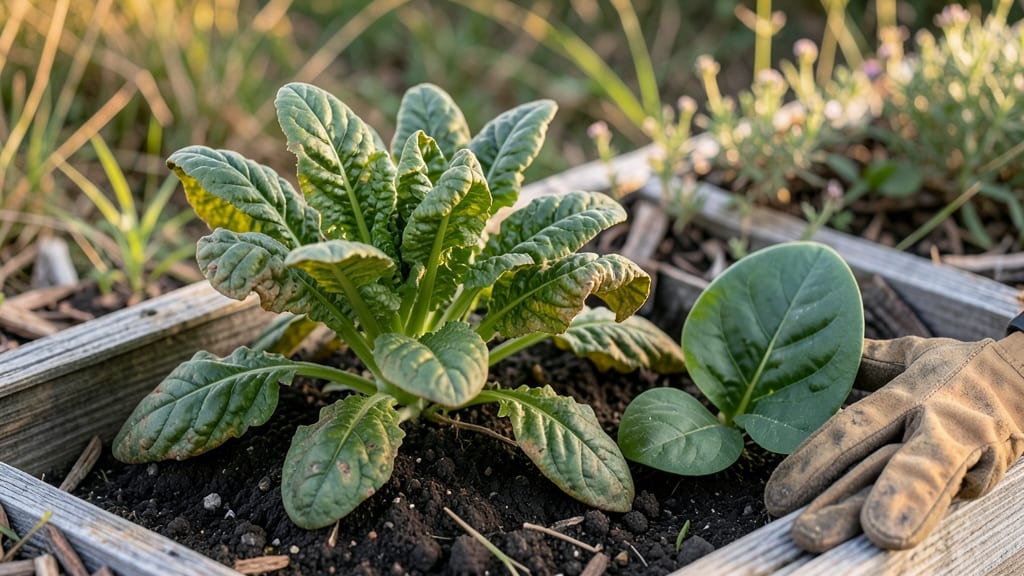
That crinkled, yellowed spinach you're pulling from the ground isn’t just wilting—it’s fighting spinach leaf curl, and copper spray is your fastest fix. 🌱 I’ve watched this stubborn problem ruin entire harvests, but a 3-day treatment can bring those leaves back to crisp perfection—if you act fast.
The culprit is usually Beet Curly Top Virus, spread by aphids or environmental stress, not just poor soil. Copper spray disrupts fungal and bacterial growth while giving your plants a chance to recover. The key?
Apply it early morning when leaves are dry, and repeat every 5-7 days until new growth appears. Within 72 hours, you’ll see leaves unfurling again, vibrant and disease-free. The secret isn’t just the copper—it’s the timing and consistency that stops the spread before it takes over.
Works for home gardens, raised beds, or even container-grown spinach. Here’s how to diagnose and treat it before it’s too late.
Root Causes Of Leaf Distortion
If your spinach leaves are curling like a crispy chip, don’t panic—there’s a scientific reason behind it. Understanding the root causes helps you take precise action to restore your plants to their lush, green glory.
Below, we break down the most common culprits, from environmental stressors to hidden pests, with clear explanations and actionable insights.
Spinach thrives in cool weather (ideal range: 45–75°F), but sudden temperature swings—like scorching sun or frost—can trigger leaf curl. Here’s why:
- Heat Stress: When daytime temps exceed 80°F, spinach’s delicate cells lose moisture rapidly, causing leaves to curl inward to reduce water loss (a survival mechanism called transpiration control).
- Cold Shock: Frost or near-freezing temps (<32°F) damage cell membranes, leading to chlorosis (yellowing) and curling as the plant struggles to protect its core.
- Nighttime Chill + Daytime Heat: A classic combo—cool nights followed by hot days disrupts photosynthesis, forcing leaves to curl to shield vulnerable tissue.
💡 Pro Tip: Use shade cloth (30–50%) during peak sun hours or mulch soil to regulate temperature. For cold snaps, cover plants with frost blankets at dusk.
Water is the lifeblood of spinach, but imbalances send leaves into a spiral. Here’s the science:
- Underwatering: Spinach roots absorb water through osmosis. When soil dries out, cells plasmolyze (shrink), causing leaves to curl upward like a parched hand. Symptom: Crispy edges + wilting.
- Overwatering: Soggy soil suffocates roots, cutting off oxygen. Roots release ethylene gas (a stress hormone) that triggers curling as a distress signal. Symptom: Yellowing between veins (iron deficiency mimic).
- Inconsistent Moisture: Alternating between drought and flood confuses the plant’s hydraulic system, leading to erratic growth patterns.
🎯 Action Plan:
- Water deeply 1–2x/week (1 inch total) at soil level—avoid wetting leaves to prevent fungal risks.
- Use drip irrigation or soaker hoses for steady moisture.
- Test soil moisture with your finger: Top 1–2 inches should feel damp, not bone-dry.
Tiny invaders like aphids, spider mites, and leafminers inject toxins or drain nutrients, forcing leaves to curl as a defense. Here’s the breakdown:
| Pest | How It Causes Curl | Visual Clues |
|---|---|---|
| Aphids | Inject viruses (e.g., Cucumber Mosaic Virus) or feed on phloem sap, disrupting nutrient flow. Leaves curl to trap heat and deter predators. | Sticky residue ("honeydew"), distorted new growth, ants (they farm aphids!). |
| Spider Mites | Pierce cells to suck sap, triggering abscisic acid (a stress hormone) that causes curling. Severe cases lead to necrosis (dead tissue). | Fine webbing on undersides, bronze/yellow stippling. |
| Leafminers | Larvae burrow into leaves, creating tunnels that disrupt mesophyll cells (photosynthetic tissue). The plant curls to "seal" damaged areas. | Wavy, blistered trails; frass (tiny black poop). |
🔥 Emergency Treatment: Blast pests off with a strong spray of water, then apply neem oil or copper fungicide (like the one in our revival method) to break their life cycle.
Spinach is a heavy feeder, especially for nitrogen, magnesium, and boron. When these nutrients dip, leaves curl as a cry for help:
- Nitrogen (N) Deficiency: Leaves curl downward and turn pale green/yellow (starting with older leaves). Why? Nitrogen fuels chlorophyll and protein synthesis—without it, cells weaken.
- Magnesium (Mg) Deficiency: Interveinal yellowing (veins stay green) + upward curling. Magnesium is crucial for photosystem stability in chloroplasts.
- Boron (B) Deficiency: New leaves curl and thicken (a condition called heart rot in spinach). Boron helps regulate cell wall structure and calcium uptake.
💪 Fix It Fast:
- Feed with compost tea or a balanced fertilizer (e.g., 5-5-5 NPK).
- For magnesium, use Epsom salt (1 tbsp/gallon water) every 2 weeks.
- Boron? Try borax solution (1/4 tsp/gallon)—but don’t overdo it (toxic at high doses!).
🌿 Key Takeaway: Most leaf curl issues stem from stress signals—whether from heat, pests, or poor nutrition. The good news? Spinach is resilient. By addressing the root cause (literally and figuratively), you can often see visible improvement in 3–7 days—especially with copper spray’s antifungal and nutrient-boosting properties.
Quick Fixes for Wrinkled Spinach Leaves
Reviving your spinach plants from leaf curl doesn’t have to be a struggle—especially when you know the right steps to take. Below, we’ve mapped out practical, fast-acting solutions tailored to the root cause of your spinach’s distress.
Whether it’s viral invaders, fungal infections, or environmental stress, these fixes will help you restore your plants in just 3 days (or less!) with minimal effort.
If your spinach is battling spinach curly top virus or beet curly top virus, copper-based sprays are your best defense. These viruses spread via leafhoppers, but copper disrupts their lifecycle and strengthens plant immunity.
🍳 Step-by-Step Copper Spray Revival
- Choose the Right Spray
- Use a copper fungicide (like Copper Sulfate or Bordeaux Mixture) labeled for edible plants.
- Pro Tip: 💡 Opt for liquid copper (e.g., Copper Soap) for faster absorption.
- Timing is Key
- Apply early morning or late evening (avoid direct sunlight—it can burn leaves).
- Spray until leaves glisten (focus on undersides where pests hide).
- Reapply Every 5–7 Days
- Viruses are stubborn, so consistency wins. Keep spraying until new growth appears healthy.
- Boost Plant Health
- Fertilize lightly with fish emulsion or compost tea to support recovery.
- Pro Tip: 🌡️ Avoid nitrogen-heavy fertilizers—they weaken plant defenses.
If your spinach leaves are thickened, curled, and yellowing, a fungal infection (like downy mildew) may be to blame. Neem oil and proper pruning can stop the spread and restore vibrancy.
👨🍳 How to Treat Fungal Curl
- Prune Infected Leaves Immediately
- Snip off severely curled or spotted leaves with sterilized scissors (dip in rubbing alcohol).
- Pro Tip: ✨ Don’t compost infected plant debris—it can reinfect your garden.
- Neem Oil Spray (Organic & Effective)
- Mix 1 tsp neem oil + 1 tsp mild soap + 1 quart water.
- Spray both sides of leaves and repeat every 3–4 days for 2 weeks.
- Improve Air Circulation
- Space plants 6–8 inches apart to reduce humidity (fungi love damp conditions).
- Pro Tip: 🌡️ Water at the base (not overhead) to keep leaves dry.
- Soil Sterilization
- After harvest, solarize soil (cover with clear plastic for 4–6 weeks) to kill fungal spores.
If leaf curl is due to heat stress, overwatering, or poor soil, simple environmental tweaks can reverse the damage.
🔪 Fixing Physical Leaf Curl
| Issue | Solution |
|---|---|
| Overwatering | Let soil dry 1 inch deep between waterings. Use well-draining soil. |
| Underwatering | Water deeply 2x/week (morning is best). Mulch to retain moisture. |
| Extreme Heat | Provide shade cloth (30–50%) during peak sun. Harvest in early morning. |
| Poor Soil Drainage | Amend soil with perlite or sand. Avoid compacted clay. |
Pro Tip: 🎯 Test your soil pH—spinach thrives in 6.0–7.0. Adjust with lime (to raise pH) or sulfur (to lower pH) if needed.
Once your plants bounce back, keep them curl-free with these long-term strategies:
- 🛡️ Pest Control:
- Install fine mesh netting to block leafhoppers (virus vectors).
- Plant marigolds or nasturtiums nearby—they repel pests naturally.
- 🌱 Crop Rotation:
- Avoid planting spinach in the same spot yearly—rotate with beans, peas, or brassicas to break disease cycles.
- 💧 Smart Watering:
- Use drip irrigation (not sprinklers) to prevent fungal splash.
- 🌿 Companion Planting:
- Grow garlic or onions nearby—they deter pests and improve soil health.
| Day | Action |
|---|---|
| Day 1 | Apply copper/neem spray, prune infected leaves, adjust watering. |
| Day 3 | Reapply spray, check for new growth. |
| Day 7 | Monitor for pests, fertilize lightly if needed. |
| Day 14 | If no new curl appears, preventive sprays can stop. |
With these targeted fixes, your spinach should bounce back in days—and stay healthy for future harvests! 🚀🍃
Frequently asked questions
Why does my spinach curl in hot weather?
Spinach curls under 80°F+ heat to reduce water loss through its leaves—a survival trick called transpiration control. The high temps cause cells to shrink, making leaves pucker. Use 30-50% shade cloth during peak sun to protect plants while they recover. Mulching also helps regulate soil temperature.
Can copper spray harm beneficial insects?
Copper fungicides are selective and primarily target fungi/bacteria, not most beneficial insects. However, avoid spraying when bees or ladybugs are active (early morning/evening applications minimize risk). For extra safety, apply copper before introducing pollinators to your garden.
How do I tell if my spinach has a virus vs. nutrient deficiency?
Viral curl (like Beet Curly Top) shows crinkled, stunted new growth with no yellowing, while deficiencies cause yellowing between veins (magnesium) or pale leaves (nitrogen). Check undersides for pests—viruses often come with aphids or leafhoppers. Test soil pH (6.0-7.0 ideal) to rule out nutrient issues.
Will pruning curled leaves help my spinach recover?
Yes! Removing severely curled leaves improves airflow and redirects energy to healthy growth. Use sterilized scissors to avoid spreading disease, and compost infected leaves only if disease-free. Focus on new, firm leaves—these will bounce back fastest with proper care.
How often should I fertilize spinach after treating leaf curl?
Wait 2 weeks after copper/neem treatments before fertilizing to avoid stressing weakened plants. Then use a balanced 5-5-5 NPK or compost tea every 3-4 weeks. Avoid high-nitrogen fertilizers—they encourage soft, vulnerable growth that curls easily.